
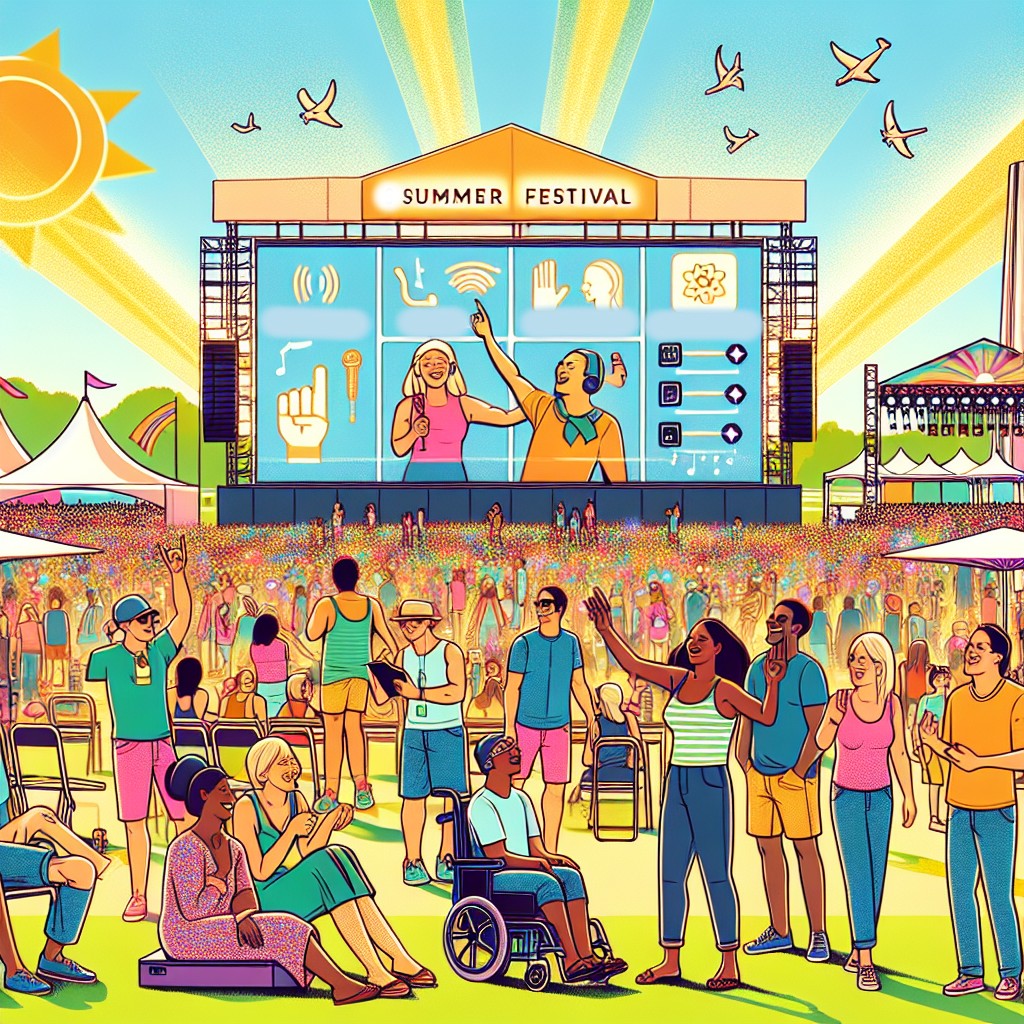
Summer is a time of vibrancy, warmth, and a plethora of outdoor activities. Among these, festivals hold a special place, offering a blend of music, arts, and cultural experiences. However, for individuals who are Deaf or hard of hearing, enjoying these festivities can sometimes be challenging due to accessibility barriers. Thankfully, many festivals are becoming more inclusive by incorporating accessibility measures to ensure that everyone, regardless of their hearing ability, can fully participate and enjoy. This article aims to delve into the realm of Deaf-friendly summer festivals and explore how these events are making strides in inclusivity.
The Importance of Accessibility in Festivals
Accessibility is a crucial aspect of any public event. It ensures that everyone, regardless of their abilities, can enjoy the experience without barriers. For the Deaf community, this means having access to various forms of communication such as American Sign Language (ASL) interpreters, captioning services, and visual aids. These measures not only enhance the festival experience but also promote inclusivity and raise awareness about the needs and contributions of Deaf individuals.
Making festivals accessible is more than just a moral obligation; it’s a legal requirement under laws such as the Americans with Disabilities Act (ADA). This legislation mandates that public events must provide reasonable accommodations to individuals with disabilities, including those who are Deaf or hard of hearing. With the growing emphasis on diversity and inclusion, more festival organizers are recognizing the importance of accessibility and are taking proactive steps to ensure their events are welcoming to all.
Additionally, accessible festivals foster a sense of community and belonging. They provide a platform for Deaf individuals to connect with others, share their experiences, and celebrate their culture. This, in turn, enriches the overall festival atmosphere, making it a more vibrant and diverse environment for everyone.
Music Festivals with Deaf-Friendly Features
Music festivals are a staple of summer entertainment, attracting thousands of visitors annually. While the primary draw is the live performances, the experience encompasses much more, including social interactions, visual displays, and the overall ambiance. For Deaf festival-goers, accessibility features such as ASL interpreters and captioning can significantly enhance their enjoyment.
One notable example of a Deaf-friendly music festival is Bonnaroo, held in Manchester, Tennessee. Bonnaroo goes above and beyond in providing comprehensive accessibility services, including ASL interpretation for main stage performances, assistive listening devices, and designated viewing areas for Deaf and hard of hearing individuals. These efforts ensure that all attendees can fully immerse themselves in the music and festivities.
Another exemplary festival is Lollapalooza, based in Chicago. This iconic event offers a range of accessibility features, including live captioning and real-time text display for performances. Additionally, they provide sensory-friendly quiet areas, ensuring that everyone can find a comfortable space to enjoy the festival.
Smaller, local festivals are also making strides in inclusivity. By collaborating with Deaf organizations and community groups, these festivals can implement effective accessibility measures on a more intimate scale. This grassroots approach not only makes the festivals more inclusive but also strengthens community bonds and raises awareness about Deaf culture.
Arts and Cultural Festivals Embracing Accessibility
Arts and cultural festivals offer a unique blend of creativity, tradition, and innovation. These events are ideal platforms for showcasing the rich cultural heritage and artistic talents of the Deaf community. By incorporating accessibility measures, these festivals can ensure that Deaf individuals can fully participate and contribute to the cultural dialogue.
A prime example is the Edinburgh Festival Fringe, one of the world’s largest arts festivals. The Fringe has made significant efforts to be inclusive, offering BSL (British Sign Language) interpreted performances, captioned shows, and relaxed performances designed to be more accessible to individuals with sensory sensitivities. These initiatives not only make the festival more inclusive but also highlight the importance of accessibility in the arts.
Similarly, the Smithsonian Folklife Festival in Washington, D.C., exemplifies best practices in accessibility. This annual event celebrates diverse cultural traditions from around the world and incorporates a range of accessibility features, including ASL interpretation, captioned videos, and tactile exhibits. These measures ensure that Deaf attendees can engage with the festival’s rich cultural offerings.
Local arts festivals are also playing a crucial role in promoting accessibility. By partnering with Deaf artists and performers, these events can showcase the unique perspectives and talents of the Deaf community. This collaboration not only enhances the festival experience for Deaf attendees but also enriches the cultural tapestry of the event.

Practical Tips for Organizing Deaf-Friendly Festivals
Organizing a Deaf-friendly festival requires careful planning, collaboration, and a commitment to inclusivity. Here are some practical tips for festival organizers to ensure their events are accessible to Deaf and hard of hearing attendees:
- Engage with the Deaf Community: Involve Deaf individuals and organizations in the planning process to gain insights into their needs and preferences. This collaboration will ensure that the accessibility measures are effective and relevant.
- Provide ASL Interpreters: Ensure that qualified ASL interpreters are available for major performances, workshops, and presentations. This will facilitate better communication and engagement for Deaf attendees.
- Offer Captioning Services: Implement real-time captioning and provide captioned videos for performances and presentations. This will make the content more accessible to a broader audience, including those who are hard of hearing.
- Designate Accessible Viewing Areas: Create designated viewing areas with clear sightlines for Deaf and hard of hearing attendees. These areas should be equipped with assistive listening devices and other necessary accommodations.
- Promote Accessibility Features: Clearly communicate the availability of accessibility features on the festival’s website, social media, and promotional materials. This will ensure that attendees are aware of the accommodations and can plan accordingly.
- Train Staff and Volunteers: Provide training on Deaf culture and accessibility best practices to festival staff and volunteers. This will enable them to assist Deaf attendees effectively and create a more inclusive atmosphere.
- Evaluate and Improve: Seek feedback from Deaf attendees and organizations to identify areas for improvement. Continuously evaluate and enhance accessibility measures to ensure that the festival remains inclusive and welcoming to all.
By implementing these strategies, festival organizers can create a more inclusive environment that fosters a sense of belonging and ensures that everyone can enjoy the festivities.
Raising Awareness and Promoting Inclusion
Raising awareness about the importance of accessibility and promoting inclusion is essential for creating a more equitable society. Festivals provide an excellent platform for engaging the broader community and highlighting the contributions and needs of the Deaf community.
One effective way to raise awareness is through educational programs and workshops. Festivals can partner with Deaf organizations to offer workshops on ASL, Deaf culture, and accessibility advocacy. These programs can help attendees gain a deeper understanding of the challenges faced by Deaf individuals and the importance of inclusivity.
Another approach is to use the power of storytelling. By showcasing the experiences and achievements of Deaf individuals, festivals can humanize the issue of accessibility and inspire positive change. This could include featuring Deaf artists, performers, and speakers who can share their stories and perspectives with the audience.
Additionally, social media and digital platforms provide valuable tools for raising awareness. Festival organizers can leverage these platforms to share information about accessibility features, highlight Deaf-friendly initiatives, and promote the voices of Deaf individuals. This online engagement can reach a wider audience and foster a more inclusive festival community.
Ultimately, promoting inclusivity at festivals is about building connections and understanding. By creating spaces where everyone feels welcome and valued, festivals can contribute to a more inclusive and compassionate society.
Accessibility Success Stories and Inspirations
Accessibility success stories serve as powerful inspirations for other festival organizers and communities. These examples demonstrate that with commitment and creativity, festivals can become truly inclusive and accessible to all.
One inspiring success story is that of the Glastonbury Festival in the UK. Known as one of the world’s most famous music festivals, Glastonbury has set a high standard for accessibility. The festival provides BSL interpreters, captioning services, and accessible viewing platforms. Additionally, Glastonbury offers dedicated camping areas for Deaf and disabled attendees, ensuring that everyone can fully participate in the festival experience.
Another notable example is the Sundance Film Festival in the United States. Sundance has made significant strides in accessibility by providing captioned screenings, ASL interpretation, and assistive listening devices. The festival also offers a range of accessibility services on its website, making it easier for attendees to plan their visit and access the accommodations they need.
Smaller, community-focused festivals have also achieved remarkable success in promoting accessibility. The Deaf Arts Festival in Portland, Oregon, is a shining example of a grassroots initiative that celebrates Deaf culture and creativity. By featuring Deaf artists and performers, providing ASL interpretation, and fostering a welcoming environment, the festival has become a beloved event within the Deaf community and beyond.
These success stories highlight the transformative power of accessibility. They demonstrate that when festivals prioritize inclusivity, they not only enhance the experience for Deaf and hard of hearing attendees but also create a more vibrant and diverse event for everyone.
Conclusion
Deaf-friendly summer festivals are a testament to the growing commitment to inclusivity and accessibility in the event industry. By implementing measures such as ASL interpretation, captioning services, and accessible viewing areas, festivals can ensure that everyone, regardless of their hearing ability, can fully enjoy the festivities.
Accessibility is not just a legal requirement; it’s a moral imperative that fosters a sense of community and belonging. By making festivals more inclusive, we can celebrate the rich cultural heritage and artistic talents of the Deaf community, raise awareness about the importance of accessibility, and promote a more equitable society.
As festival organizers, attendees, and advocates, we all have a role to play in promoting inclusivity. By working together, we can create festivals that are welcoming to all, where everyone can come together to celebrate music, arts, and culture in an accessible and inclusive environment.
So this summer, let’s seek out and support Deaf-friendly festivals, and celebrate the progress we’ve made in creating more inclusive and accessible events for everyone.