
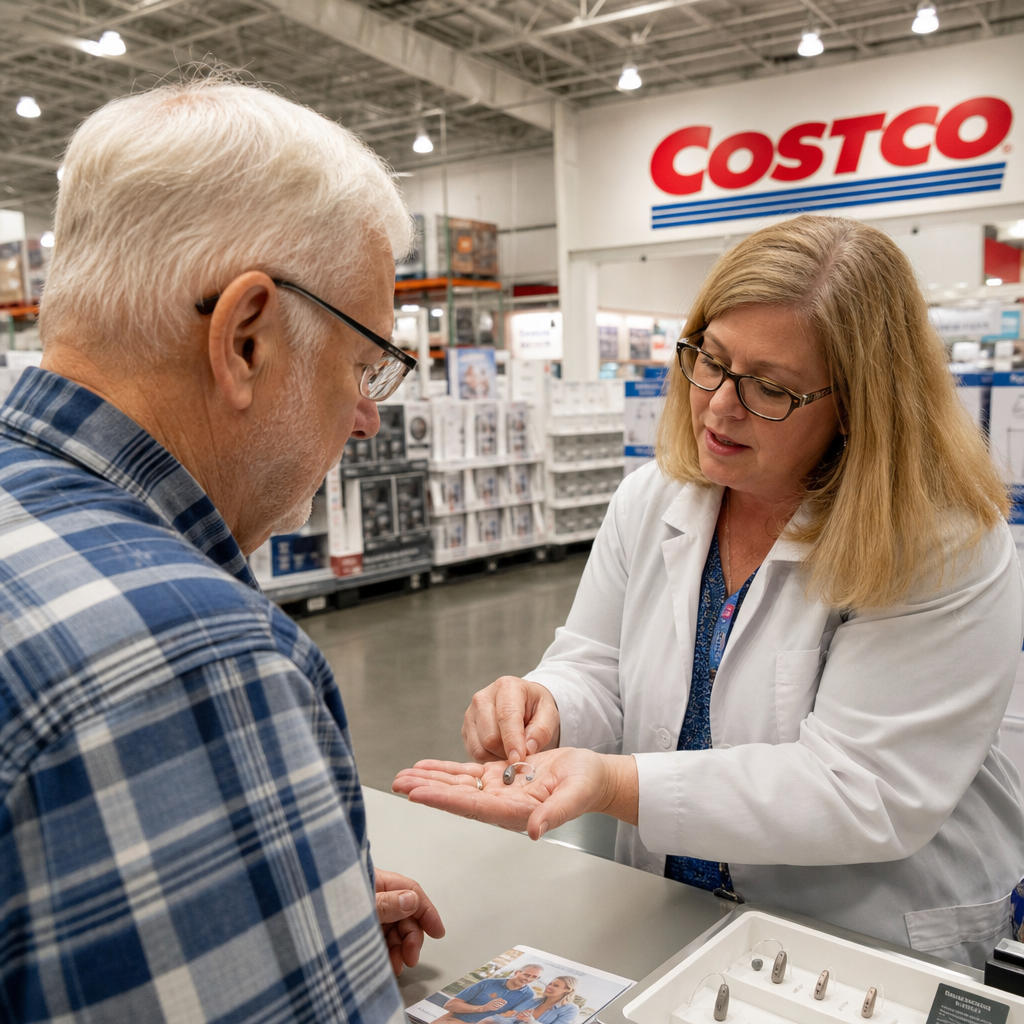
Costco hearing aid prices attract attention because they often undercut traditional clinics while still offering prescription devices, fitting services, and follow-up support. For shoppers asking, “How much do hearing aids cost at Costco?” the practical answer is that most prescription models sold through Costco Hearing Aid Centers typically fall in the range of about $1,500 to $1,800 per pair, depending on technology level, features, and current lineup. That price usually includes hearing testing, programming, adjustments, cleanings, and warranty coverage, which matters because hearing aid value is not just the sticker price. In my experience comparing warehouse hearing aid programs with private audiology practices, the biggest surprise for first-time buyers is how bundled the Costco model is. Many independent clinics price premium devices at $4,000 to $7,000 per pair, often including similar service packages, so Costco stands out as a lower-cost entry point for adults with mild to moderate and sometimes more complex hearing loss. Understanding what drives those prices, what brands are available, and what tradeoffs come with the warehouse model helps buyers make a better decision. This guide explains Costco hearing aid costs, what is included, who the program suits, and when a buyer may still prefer a private hearing care provider.
What Costco hearing aids usually cost
Costco hearing aids are generally sold by the pair, and that pair pricing is central to why the company gets so much attention. While exact prices can vary by model year, region, and product refresh, recent Costco prescription hearing aids have commonly landed around $1,499.99 to $1,599.99 per pair for several in-house or partnered models, with some premium options reaching roughly $1,699.99 to $1,799.99 per pair. In plain terms, a buyer shopping at Costco is often paying under $2,000 for two hearing aids rather than that amount for one. Compared with private-practice pricing, that is a major difference.
These prices usually apply to receiver-in-canal styles, the most common form factor for adults because they are small, versatile, and appropriate for a wide range of hearing losses. Behind-the-ear and custom options may differ in cost and availability. Costco’s lineup has included brands and platforms such as Philips HearLink, Jabra Enhance Pro, Rexton, and previously Kirkland Signature models. Product selection changes over time, so shoppers should verify current inventory with their local hearing center. The key point is that Costco usually competes by simplifying price tiers and keeping them materially below traditional clinic pricing.
Another reason the question matters is that hearing aids are rarely covered broadly by original Medicare, leaving many older adults to pay out of pocket. Some Medicare Advantage, union, or employer plans may offer allowances, but even then, network restrictions often apply. Costco’s lower base price can therefore reduce total out-of-pocket cost even before insurance is considered. For people budgeting carefully, knowing the common pair price range sets realistic expectations before the appointment.
What is included in the Costco price
The Costco hearing aid price typically includes more than the devices themselves. In most locations, buyers receive a hearing test, consultation, fitting, device programming, real-ear measurement or verification where available, follow-up visits, cleaning, and ongoing adjustments. Batteries may be included for non-rechargeable models for a limited period, while rechargeable models usually include a charger. Standard manufacturer warranties and a trial period are also part of the package. Costco has historically offered a generous return window, often around 180 days, though policies should always be confirmed at purchase.
This bundled structure is important because hearing aids are not plug-and-play electronics. They are medical devices that need to be programmed to the user’s audiogram, listening goals, and tolerance for amplified sound. A lower device price with no support can become expensive if the fit is poor and the user abandons the aids. Costco’s package reduces that risk for many buyers. In practical terms, someone who needs three or four follow-up visits after the initial fitting is not usually paying separate professional fees each time.
What is not always included is equally important. Diagnostic evaluation for medically complex hearing problems may require referral to an audiologist or ear, nose, and throat physician outside Costco. Custom earmolds, out-of-warranty repairs, accessory upgrades, and loss-and-damage replacement deductibles may involve added charges. If a shopper expects highly specialized tinnitus management, cochlear implant candidacy counseling, pediatric care, or vestibular assessment, Costco is not designed as a full-scope specialty clinic.
What affects the final price you pay
The final cost of hearing aids at Costco depends on five main variables: model, technology features, style, accessories, and benefits through insurance or health accounts. Technology level drives much of the variation. More advanced models usually add stronger speech-in-noise processing, better feedback suppression, automatic environment switching, Bluetooth streaming, app controls, rechargeability, and in some cases telecoil or Auracast-ready features as they become available. Shoppers with active social lives often hear the biggest difference from better directional microphones and noise reduction rather than from raw amplification alone.
Hearing loss severity can also affect product choice. A person with mild sloping high-frequency loss may do well with a small receiver-in-canal device at Costco’s standard price. Someone with severe loss may need more power, custom coupling, or specialized follow-up that changes the recommendation. Ear anatomy matters too. Narrow canals, chronic drainage, impacted cerumen, or dexterity limitations can influence whether a standard rechargeable style is practical.
Insurance can reduce the final bill, but it is inconsistent. Costco accepts some third-party administrators and hearing benefits, yet network participation varies. Flexible spending accounts and health savings accounts can usually be used for qualified hearing aid purchases, which is valuable because those funds are pre-tax. In real buying scenarios, I often advise people to compare the after-benefit cost at Costco against local audiology clinics rather than comparing sticker prices alone. A private clinic with a substantial insurance allowance may end up closer in net cost than expected.
| Cost factor | How it affects Costco hearing aid price | Example |
|---|---|---|
| Technology level | Higher-end processing and features increase pair price | Better speech-in-noise performance for restaurants and meetings |
| Style | Receiver-in-canal is common; custom options may differ | Rechargeable mini RIC versus custom in-ear shell |
| Accessories | TV streamers, remote mics, and extra chargers may cost extra | Adding a partner microphone for one-on-one conversation |
| Insurance | Benefit administrators may lower out-of-pocket cost | $500 to $2,000 allowance depending on plan |
| Warranty events | Loss-and-damage claims can involve replacement fees | Replacing one lost aid under warranty deductible |
How Costco compares with private audiology clinics
Costco’s pricing advantage is real, but it exists within a different care model. Private audiology clinics usually charge more because they often provide broader diagnostic services, a wider manufacturer selection, more individualized appointment time, and sometimes deeper expertise with complex fittings. A clinic may carry Phonak, Oticon, ReSound, Signia, Starkey, Widex, or Unitron, while Costco works from a narrower approved lineup. For a straightforward age-related hearing loss, that narrower menu may be entirely adequate. For asymmetrical loss, severe tinnitus, auditory processing challenges, or difficult physical fit issues, the added clinical depth of a private practice can justify the higher price.
Staffing is another difference. Costco hearing aid centers are commonly staffed by hearing aid dispensers and, in some locations, audiologists. Both can be qualified to test hearing and fit devices within scope, but state licensure rules differ. An audiologist typically has broader training in diagnostics and rehabilitation, while a dispenser focuses on hearing aid evaluation and fitting. This distinction does not automatically make one setting better than another, but buyers with medical red flags should understand it.
Wait times and convenience matter too. Costco centers can be busy, and appointments may book out depending on location. Private clinics sometimes offer faster scheduling or more flexible follow-up. On the other hand, Costco’s national footprint, transparent pricing, and familiar retail environment can feel less intimidating for first-time users. Many shoppers combine a hearing appointment with regular errands, which lowers the barrier to finally addressing hearing loss.
Brands, features, and technology shoppers should evaluate
Price alone should not determine which hearing aid to buy. Buyers should evaluate speech clarity in noise, physical comfort, battery strategy, connectivity, and service support. Costco’s hearing aid portfolio has included products from major hearing technology groups, even when the branding differs from what independent clinics carry. Philips HearLink devices, for example, connect to the broader Demant technology ecosystem. Jabra Enhance Pro products relate to GN’s hearing platform. Rexton connects with the same parent group behind Signia technology. These links matter because they give experienced shoppers clues about sound processing philosophy, app design, and accessory compatibility.
Modern prescription hearing aids at Costco commonly include Bluetooth streaming for iPhone and many Android devices, rechargeable batteries with all-day runtime, automatic listening programs, directional microphones, wind management, and smartphone app controls for volume and environment adjustments. Some support hands-free calling on selected phones. Others offer tinnitus sound support, telecoil on certain models, and compatibility with TV streamers or remote microphones. For people who struggle most in family gatherings or restaurants, directional microphone performance and noise classification are usually more important than cosmetic differences.
I encourage buyers to ask direct questions during the demo: How does this model handle restaurant noise? Can it prioritize speech from the front? Does it support remote fine-tuning? What is the battery runtime after two years? Can domes, wax guards, and receivers be replaced in the warehouse? These practical questions reveal more value than marketing labels like premium or advanced. Hearing aids succeed when the technology matches the user’s daily listening environments, not when the feature list simply sounds impressive.
Who should buy hearing aids at Costco and who should look elsewhere
Costco is a strong option for adults with uncomplicated, bilateral hearing loss who want reputable prescription hearing aids at a lower price. It is especially attractive for retirees paying cash, first-time users nervous about overspending, and buyers who value bundled follow-up care. Someone with mild to moderate sensorineural hearing loss from aging or noise exposure often fits this profile well. A motivated user who can travel to the warehouse for appointments and feels comfortable with a retail-clinic setting will usually find Costco a sensible place to start.
However, not every hearing need is a good fit. People with sudden hearing loss, one-sided hearing loss, chronic ear infections, drainage, dizziness, ear pain, rapidly changing hearing, or significant asymmetry should first seek medical evaluation. Those are not routine retail cases. Buyers needing pediatric services, cochlear implant evaluation, advanced tinnitus therapy, auditory rehabilitation beyond standard fitting, or highly customized musician programs may also be better served in specialty audiology practices or hospital systems.
There is also a service-style preference to consider. Some patients want the same clinician, a quiet medical office, long counseling visits, and access to multiple premium manufacturers. Others care most about keeping total cost low while still getting competent fitting and support. Costco usually serves the second group best. The right answer depends on hearing history, expectations, and budget, not just on whether the warehouse has the cheapest pair available.
How to shop smart before you schedule a Costco hearing appointment
Before visiting Costco, gather recent hearing records if you have them, confirm whether your insurance or hearing benefit works there, and make a list of the situations where hearing breaks down. Be specific: difficulty hearing grandchildren in the car, missing dialogue on television, struggling in church, or feeling lost in work meetings. Those examples help the fitter target the right settings and accessories. If you have never had a hearing test, expect Costco to perform a screening or evaluation appropriate to its scope, but be ready for referral if anything looks medically unusual.
Ask about the current product lineup, return policy, warranty length, loss-and-damage terms, charger replacement cost, and average follow-up schedule. Bring your smartphone if connectivity matters. During the trial, test the aids in real environments, not only in the quiet fitting room. Wear them at dinner, in traffic, at the pharmacy, and during family conversation. Good hearing aids should improve access to speech, but they do not restore normal hearing perfectly. Realistic expectations lead to higher satisfaction.
Costco hearing aids can deliver excellent value when price, service bundle, and technology align with your needs. The headline number most shoppers want is simple: expect roughly $1,500 to $1,800 per pair in many cases, with fitting and follow-up care usually included. That makes Costco one of the most affordable places to buy prescription hearing aids in the United States. The bigger takeaway is that low cost should be weighed alongside hearing complexity, provider access, brand options, and long-term support. Start by booking a hearing evaluation, comparing your benefits, and asking pointed questions about the models that fit your daily life. A careful comparison now can save money and lead to better hearing for years.
Frequently Asked Questions
How much do hearing aids cost at Costco?
For most shoppers, Costco hearing aid prices typically fall in the range of about $1,500 to $1,800 per pair for prescription hearing aids sold through Costco Hearing Aid Centers. That price point is one reason Costco draws so much attention from people comparing costs with private audiology clinics, where similar devices can sometimes cost significantly more. The exact amount you pay depends on the brand available at the time, the technology package, the feature set, and whether Costco has updated its product lineup. In many cases, the quoted price is for a pair rather than a single hearing aid, which can make the value look especially strong for people who need hearing support in both ears. Because pricing and inventory can change, it is always smart to confirm current options directly with your local Costco Hearing Aid Center before making a decision.
What is included in the price of Costco hearing aids?
One of the biggest advantages of buying hearing aids at Costco is that the price usually includes more than just the devices themselves. In many cases, the package also covers a hearing test or hearing evaluation, the fitting appointment, programming and adjustments, and follow-up support after purchase. This matters because successful hearing aid use depends heavily on proper setup and ongoing fine-tuning, not just on the hardware. Costco’s bundled pricing can therefore be appealing to shoppers who want a clearer understanding of total cost upfront instead of being surprised by additional service fees later. While the exact services included may vary by location and product, the value typically comes from combining prescription devices with professional fitting and support in one overall package.
Why are hearing aids at Costco often cheaper than at traditional hearing clinics?
Costco hearing aids are often priced lower because of the company’s business model, purchasing scale, and streamlined service structure. Costco can use high sales volume and purchasing power to negotiate competitive pricing, and that can translate into lower costs for members. In contrast, many private clinics may have higher overhead, different service models, and separate billing for evaluations, fittings, follow-up visits, and device adjustments. Costco’s approach tends to bundle many of those services into one price, which can make the overall cost easier to understand and often more affordable. Lower pricing does not automatically mean low quality, however. Costco generally sells prescription hearing aids and provides fitting support, which is why many budget-conscious consumers view it as a serious option rather than just a discount alternative.
Do all Costco hearing aids cost the same, or does the price vary by model and features?
No, the price can vary depending on the model, technology level, and feature package. While many Costco prescription hearing aids are commonly discussed in the roughly $1,500 to $1,800 per pair range, not every option is identical. Devices with more advanced sound processing, better speech-in-noise performance, rechargeable batteries, Bluetooth connectivity, app controls, or other premium features may be priced differently than simpler models. Costco’s available brands and hearing aid lineup can also change over time, which means the exact products offered today may not be the same ones offered in the future. If you are comparing options, it helps to focus not only on headline price but also on what features you actually need for your hearing loss, daily listening environments, and comfort preferences.
Are Costco hearing aids a good value for people who want affordable prescription devices?
For many people, yes, Costco hearing aids can represent an excellent value, especially for shoppers who want prescription devices at a lower price than they might find elsewhere. The combination of competitive pricing, included fitting services, hearing evaluation, and follow-up support makes Costco especially attractive to people who are cost-conscious but still want professionally fitted hearing aids rather than basic amplification products. That said, value is not only about price. The best choice depends on your hearing loss severity, the type of support you want, the brands available at your location, and how comfortable you are with Costco’s service model. If your needs are straightforward and the available devices meet your hearing goals, Costco can be a practical and cost-effective option. If you require highly specialized care or a very specific product, it may still be worth comparing Costco with a dedicated audiology practice.