
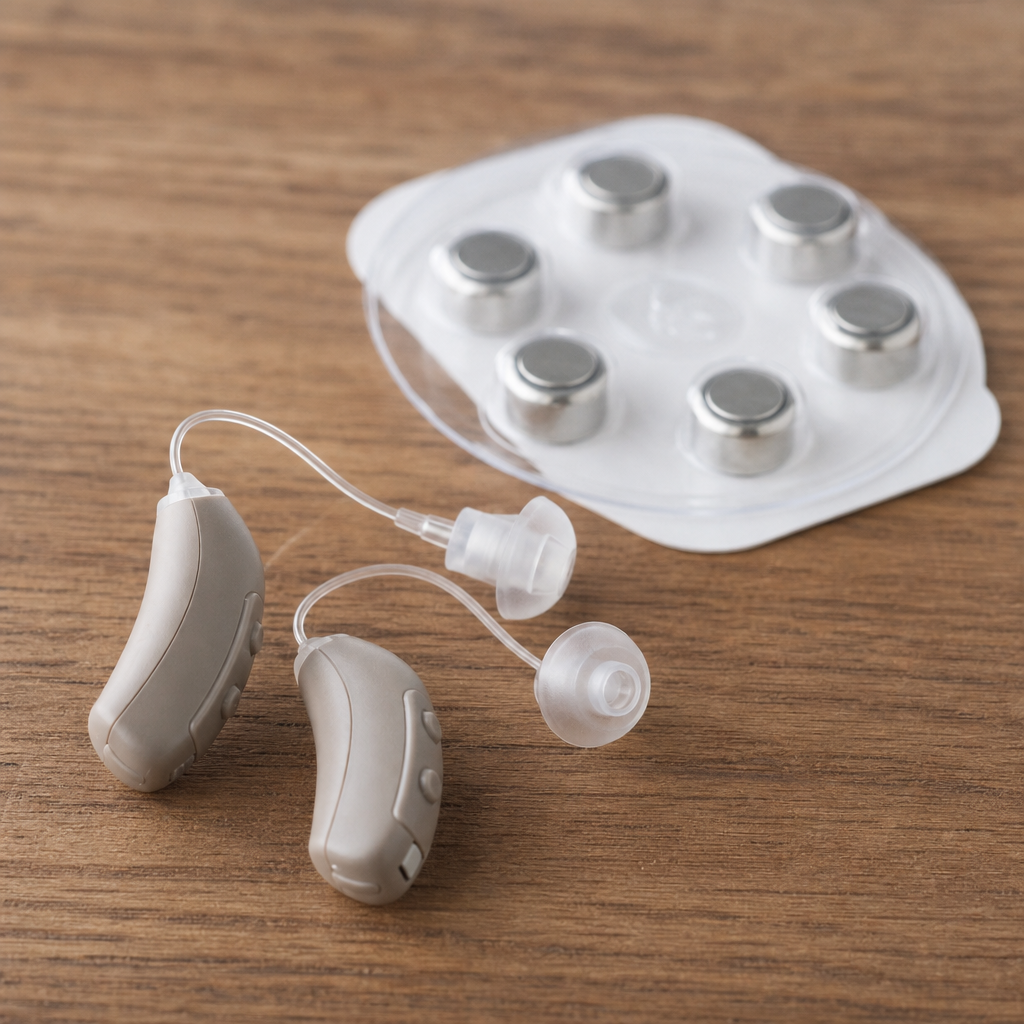
Hearing aid batteries usually last between three days and three weeks, but the real answer depends on battery type, hearing aid style, streaming habits, environmental conditions, and how well the device is maintained. In clinic conversations, this is one of the first practical questions people ask after cost and comfort, because battery life affects daily routine, travel planning, and confidence that the device will work when it matters. For a general hub article on hearing aid batteries, the most useful approach is to explain the main battery categories, the average lifespan by device, the factors that shorten runtime, and the habits that help users get consistent performance without risking device damage.
A hearing aid battery is the power source that runs microphones, amplifiers, digital signal processing chips, wireless radios, and speakers inside the device. Traditional disposable zinc-air batteries activate when a sticker tab is removed and air enters tiny holes in the cell. Rechargeable hearing aids, by contrast, use built-in lithium-ion or silver-zinc systems that are placed in a charging case instead of receiving a fresh cell. Battery life can refer to two different things: how many days a disposable battery lasts before replacement, or how many hours a rechargeable aid runs on one full charge and how many years the rechargeable cell lasts before its capacity degrades. Understanding that distinction prevents confusion when comparing products.
This topic matters because weak or unpredictable battery performance can look like hearing aid failure. I have seen patients schedule service appointments when the real issue was a nearly depleted battery, a blocked battery door contact, or a charger not seated correctly. Battery knowledge also affects safety and cost. Tiny button batteries must be handled carefully around children and pets, while rechargeable systems reduce weekly handling but require disciplined charging. For anyone researching hearing aids generally, battery life sits at the intersection of convenience, usability, maintenance, and long-term ownership cost, so it deserves a clear, practical overview before diving into brand-specific reviews or accessory pages.
Average hearing aid battery life by type and size
Disposable hearing aid batteries are commonly sold in four standardized sizes: 10, 312, 13, and 675. The smallest, size 10, is usually found in very small completely-in-canal or invisible-in-canal devices and often lasts about three to seven days. Size 312 batteries, used in many receiver-in-canal and in-the-ear models, commonly last three to ten days. Size 13 batteries often deliver six to fourteen days. Size 675 batteries, generally used in larger behind-the-ear hearing aids and some power devices, may last nine to twenty days or longer depending on power demands. These ranges are typical, not guaranteed, because two users with the same model can see very different results.
Rechargeable hearing aids are usually described in hours per charge rather than days per battery. Many current models promise a full day of use, often around eighteen to thirty hours, with variation based on amplification level and wireless use. Some also offer a quick-charge feature that provides a few hours of listening after a short charging session. In real use, an older rechargeable device may still make it through a workday but lose reserve capacity for evening events or travel. That is why runtime on paper and runtime in daily life are not always the same thing.
| Battery or power type | Typical use | Common runtime | Main tradeoff |
|---|---|---|---|
| Size 10 zinc-air | Very small custom aids | 3 to 7 days | Smallest size, shortest life |
| Size 312 zinc-air | Many receiver-in-canal models | 3 to 10 days | Compact with moderate longevity |
| Size 13 zinc-air | Larger in-the-ear and BTE aids | 6 to 14 days | Longer life, larger device |
| Size 675 zinc-air | Power BTE devices | 9 to 20 days | Best life, least discreet |
| Lithium-ion rechargeable | Modern rechargeable aids | 18 to 30 hours per charge | No battery swaps, charger required |
What makes hearing aid batteries drain faster
The strongest driver of battery drain is power demand. A hearing aid providing more gain for a severe hearing loss generally uses more energy than one providing mild amplification, especially when feedback suppression, directional microphones, noise reduction, tinnitus masking, and wireless features are active. Bluetooth streaming for phone calls, music, and television is one of the most important real-world battery drains today. Patients who stream several hours a day often report runtimes at the lower end of the manufacturer range, and that is normal rather than a defect.
Device style also matters. Smaller hearing aids fit tiny batteries, so they trade discreet appearance for shorter replacement intervals. Receiver-in-canal designs may be compact while still running advanced features, which can narrow battery margins. By contrast, larger behind-the-ear models can house bigger disposable batteries or larger rechargeable cells. Moisture, earwax, and temperature add another layer. Zinc-air cells need oxygen to work, so humidity and storage conditions affect consistency. Extreme heat or cold can reduce performance, and corrosion on contacts can interrupt power flow.
User habits can either preserve or waste battery capacity. With disposable batteries, removing the tab and inserting the battery immediately leaves performance on the table; letting the battery “breathe” for about one to five minutes after tab removal helps full activation because zinc-air chemistry depends on air exposure. Leaving hearing aids on overnight drains batteries unnecessarily. With rechargeables, failing to dock the aids correctly or using a charger with dirty contacts causes undercharging. I have also seen travel converters and damaged charging cables create false battery complaints. When troubleshooting, always rule out usage pattern and charger setup before assuming the hearing aid itself is faulty.
How to tell when a hearing aid battery is dying
Most modern hearing aids warn the user before shutdown. Common signs include a low-battery beep, spoken alert, companion app notification, weaker amplification, intermittent sound, distorted output, or sudden device restart. Rechargeable aids may show charge percentage in an app, while disposable models usually rely on audible alerts and user observation. If a hearing aid becomes inconsistent late in the day but works after a fresh battery or full recharge, power depletion is the likely cause.
Not every sound problem is battery related, though. Wax-clogged wax guards, blocked microphone ports, moisture in tubing, cracked receivers, and pairing issues can mimic low battery symptoms. A simple test is to replace the disposable battery with a new one from a sealed pack or charge the device fully and compare performance. If problems continue, inspect for wax and moisture, then consult the dispenser or audiologist. Hearing aid battery testers can help, but they are more reliable with disposable cells than with built-in rechargeable systems.
Patterns matter. If a battery that normally lasts a week suddenly lasts two days, something changed. The cause might be increased streaming, a newly activated feature set after a programming adjustment, expired battery stock, or a device fault such as excessive current draw. I advise users to track battery replacement dates for two or three cycles. That short log often reveals whether the issue is random, environmental, or consistent enough to justify service.
Disposable versus rechargeable hearing aid batteries
Disposable and rechargeable hearing aid batteries each solve different problems. Disposable zinc-air batteries are easy to carry, simple to swap, and ideal for people who want immediate power without access to electricity. They are also helpful for travel in places where charging may be unreliable. Many power hearing aids still perform very well with disposables, and some users prefer the predictability of replacing a cell rather than wondering whether they charged overnight. Standard battery sizes are widely available from pharmacies, hearing clinics, big-box retailers, and online medical suppliers.
Rechargeable systems reduce handling, which can be decisive for people with arthritis, neuropathy, low vision, or tremor. They also reduce recurring battery purchases and household waste. Most premium hearing aid manufacturers now offer rechargeable lines with sealed housings that improve moisture resistance. In practice, many users find rechargeables easier because charging becomes part of a bedtime routine, much like charging a phone. The tradeoff is dependence on the charger. If it is forgotten on a trip or fails unexpectedly, the hearing aid may be unavailable until power is restored.
There is no universally better option. A frequent traveler who uses heavy Bluetooth streaming may prefer a rechargeable model with a portable power bank case. A rural user who spends long days away from outlets may do better with disposable batteries and a spare pack in a wallet or glove box. The right decision depends on dexterity, lifestyle, device style, and tolerance for maintenance. On a general hearing aids hub page, that is the key principle: battery choice should support the user’s day, not force the day to revolve around the battery.
How to make hearing aid batteries last longer
The best battery-saving habits are simple and evidence-based. For disposable batteries, store them at room temperature in their original packaging, remove the tab only when ready to use the cell, wait briefly after tab removal for full activation, and open the battery door at night to reduce unnecessary drain and allow moisture to escape. Do not store zinc-air batteries in the refrigerator; that older advice can introduce condensation problems. Clean battery contacts gently and keep the battery compartment free of debris.
For rechargeable hearing aids, charge every night unless the manufacturer states otherwise, seat the devices firmly in the charger, and confirm indicator lights or app status before walking away. Keep charger contacts clean and dry. If the hearing aids are exposed to sweat, rain, or high humidity, use a hearing aid drying kit or dehumidifying cup approved for the device style. Dry electronics operate more reliably and charge more consistently. Firmware updates can also improve power management on some models, so periodic professional checkups still matter even when the devices seem to be working fine.
Streaming management makes a noticeable difference. Long phone calls, constant television audio streaming, and all-day app connectivity can reduce runtime significantly. When users tell me their battery life “suddenly got worse,” the trigger is often a new streaming habit rather than a failing aid. Turning off accessories when not needed, using one ear for selected phone tasks, and charging during a lunch break on heavy-use days can extend practical runtime without changing the hearing aid itself.
When short battery life means it is time for service or replacement
Battery performance naturally changes over time, but sharp declines should be investigated. Disposable batteries from a reputable source should perform within a reasonable range if they are fresh and stored properly. If multiple packs drain unusually fast, check the hearing aid for moisture, corrosion, or a current leak. For rechargeable hearing aids, manufacturers often design the internal battery to last several years, but capacity slowly drops with age and charging cycles. After about three to five years, some users notice that a once reliable full-day charge no longer comfortably lasts into evening.
Professional evaluation can separate battery wear from device malfunction. Clinics can run listening checks, current drain tests, charger checks, contact inspections, and software diagnostics. In some models, the rechargeable cell can be replaced by the manufacturer or service center; in others, replacement may not be economical compared with upgrading to a new aid. This is also the point where broader hearing aid needs should be reviewed. If hearing has changed, if speech understanding remains poor, or if newer features like telecoil, Auracast-ready connectivity, or improved background noise processing would help, battery complaints may be the event that prompts a better overall solution.
For most users, the practical takeaway is straightforward: hearing aid batteries last days to weeks if they are disposable and about a full day per charge if they are rechargeable, but actual life depends on size, power demand, streaming, environment, and maintenance. Knowing the normal range for your device makes it easier to spot real problems early. Good storage, nightly habits, careful cleaning, and realistic expectations prevent many frustrations before they start.
As the central general guide within a hearing aids resource, this topic connects to nearly every ownership question, from choosing between behind-the-ear and custom styles to managing travel, accessories, and long-term costs. If you want the best results, ask your audiologist or hearing care professional for battery estimates based on your exact hearing aid model, hearing loss, and daily streaming habits, then track your own real-world performance for the first month. That small step gives you a dependable baseline and helps you get more reliable hearing every day.
Frequently Asked Questions
How long do hearing aid batteries usually last?
Most hearing aid batteries last anywhere from about three days to three weeks, but that range is broader than many people expect because battery life depends on several day-to-day factors. The biggest influence is the type of hearing aid and battery it uses. Smaller devices, such as completely-in-canal models, often use smaller batteries with shorter runtimes, while larger behind-the-ear styles may use larger batteries that can last longer. Usage habits also matter. If you wear your hearing aids all day, stream phone calls or music, or use features that work harder to process sound in complex environments, you will generally go through batteries faster than someone with lighter daily use.
Environmental conditions also play a role. Moisture, heat, cold, and humidity can affect battery performance, sometimes making batteries seem to drain more quickly than expected. Maintenance matters too. Keeping battery contacts clean, storing batteries properly, and opening the battery door when the hearing aids are not in use can all help support normal battery life. In practical terms, many wearers learn their own pattern after a few battery changes. Once you know whether your batteries typically last five days, seven days, or two weeks, it becomes much easier to plan replacements and avoid being caught off guard.
What affects how quickly hearing aid batteries drain?
Several factors can shorten or extend hearing aid battery life, and understanding them helps set realistic expectations. One of the most important is battery size. Hearing aid batteries come in different standard sizes, and larger batteries generally hold more power. Device style is closely tied to this. Smaller hearing aids are discreet, but they often rely on smaller batteries that need replacing more often. Beyond size, the hearing aid’s programming and power demands can also affect runtime. Devices working harder to amplify more sound, reduce background noise, or support advanced features may use more energy over the course of the day.
Streaming is another major factor. If you regularly connect your hearing aids to a smartphone, television, or other Bluetooth-enabled devices, battery life can drop noticeably compared with non-streaming use. The same is true for frequent remote adjustments, app use, and wireless communication between hearing aids. Daily wearing time matters as well. Someone who wears hearing aids for 16 hours a day will naturally use more battery than someone who wears them only during conversations or outings. Finally, storage and handling make a difference. Batteries exposed to humidity, stored loosely in warm places, or inserted with dirty hands may not perform at their best. In short, battery drain is usually not caused by one single issue but by a combination of device size, feature use, wearing habits, and care.
Do Bluetooth and streaming features make hearing aid batteries die faster?
Yes, in many cases they do. Bluetooth connectivity and audio streaming are convenient and often extremely helpful, but they require extra power. When hearing aids stream phone calls, music, podcasts, or television audio, they are doing more than simply amplifying sound around you. They are also maintaining a wireless connection and processing incoming audio continuously, which increases energy use. For many wearers, this is one of the clearest reasons battery life varies from one person to another, even when they use the same hearing aid model.
That does not mean you should avoid these features. For many people, streaming improves communication, clarity, and overall satisfaction with their hearing aids. It simply means battery expectations should be adjusted accordingly. If you stream often throughout the day, it is wise to carry spare batteries or monitor your typical replacement schedule closely. If battery life suddenly seems shorter than normal, it is worth considering whether your streaming habits have changed. More frequent calls, longer video meetings, or increased TV listening can all explain the difference. A hearing care professional can also help confirm whether the battery drain you are noticing is consistent with your level of wireless use or whether the device itself needs attention.
How can I make hearing aid batteries last as long as possible?
There are several practical steps you can take to get the best possible life from hearing aid batteries. First, store batteries in a cool, dry place at room temperature. Avoid leaving them in hot cars, damp bathrooms, or anywhere with high humidity. Keep the battery packaging closed until you are ready to use a battery, and handle each one carefully. For traditional zinc-air batteries, once the tab is removed, allowing the battery to sit for about a minute before inserting it can help it activate properly. This simple habit can support more consistent performance.
Daily device care is just as important. Open the battery door when your hearing aids are not in use, especially overnight, to reduce moisture buildup and preserve battery power. Clean the battery contacts and battery compartment gently as recommended by your hearing care provider, because dirt and residue can interfere with efficient performance. If your hearing aids are exposed to moisture from sweat, rain, or humidity, consider using a hearing aid dehumidifier or drying kit. It also helps to be mindful of power-heavy features. If you stream extensively, expect batteries to drain faster and plan for that rather than assuming something is wrong. Finally, establish a routine. Many experienced users replace batteries on a predictable schedule before important events, workdays, or travel. That approach can be more reliable than waiting until a battery fails unexpectedly.
How do I know when it is time to replace a hearing aid battery?
In many cases, your hearing aid will give you a warning before the battery is fully depleted. This may be a low-battery beep, spoken alert, or change in indicator light, depending on the device. Once that warning appears, you often have limited time left, not a full extra day of normal use. That is why it helps to replace batteries promptly rather than pushing them until the device stops working completely. Beyond formal alerts, there are also everyday signs to watch for. Sound may become weaker or less consistent, the hearing aid may cut in and out, or wireless features may become less reliable as battery power drops.
It is also helpful to track your usual battery pattern. If your batteries normally last seven days and they are now lasting only three or four, something may have changed. It could be heavier streaming use, more wearing time, moisture exposure, or a maintenance issue that needs attention. Keeping spare batteries with you at home, at work, and while traveling is one of the simplest ways to avoid disruption. If you are replacing batteries much more often than expected or the device seems to lose power unusually fast, it is a good idea to check in with your hearing care professional. They can determine whether the issue is related to normal use, battery handling, or the hearing aid itself.