

The summer is a time for fun under the sun, and everyone deserves to be part of the excitement and joyful gatherings. Unfortunately, for the Deaf and Hard of Hearing (D/HoH) community, some typical summer activities can pose challenges when it comes to communication and inclusiveness. That’s why events like the ASL Picnic Palooza are so essential. These picnics are not just about good food and fun. They are a chance to bring the Deaf community together, offering a space that is both accessible and inviting for everyone, irrespective of their hearing ability.
Whether you’re fluent in American Sign Language (ASL) or just beginning to learn, an ASL Picnic Palooza enables participants to engage in meaningful conversations, share laughs, and build lasting relationships in a relaxed, outdoor setting. As more people make an effort to learn ASL, these kinds of inclusive events highlight the importance of creating spaces where everyone can communicate and feel understood.
In this article, we’ll delve deeper into what makes an ASL Picnic Palooza special, share some creative activity ideas, and explore its broader impact on raising Deaf education and awareness. So, grab your picnic basket, and let’s dive right in!
The Essence of ASL Picnic Palooza
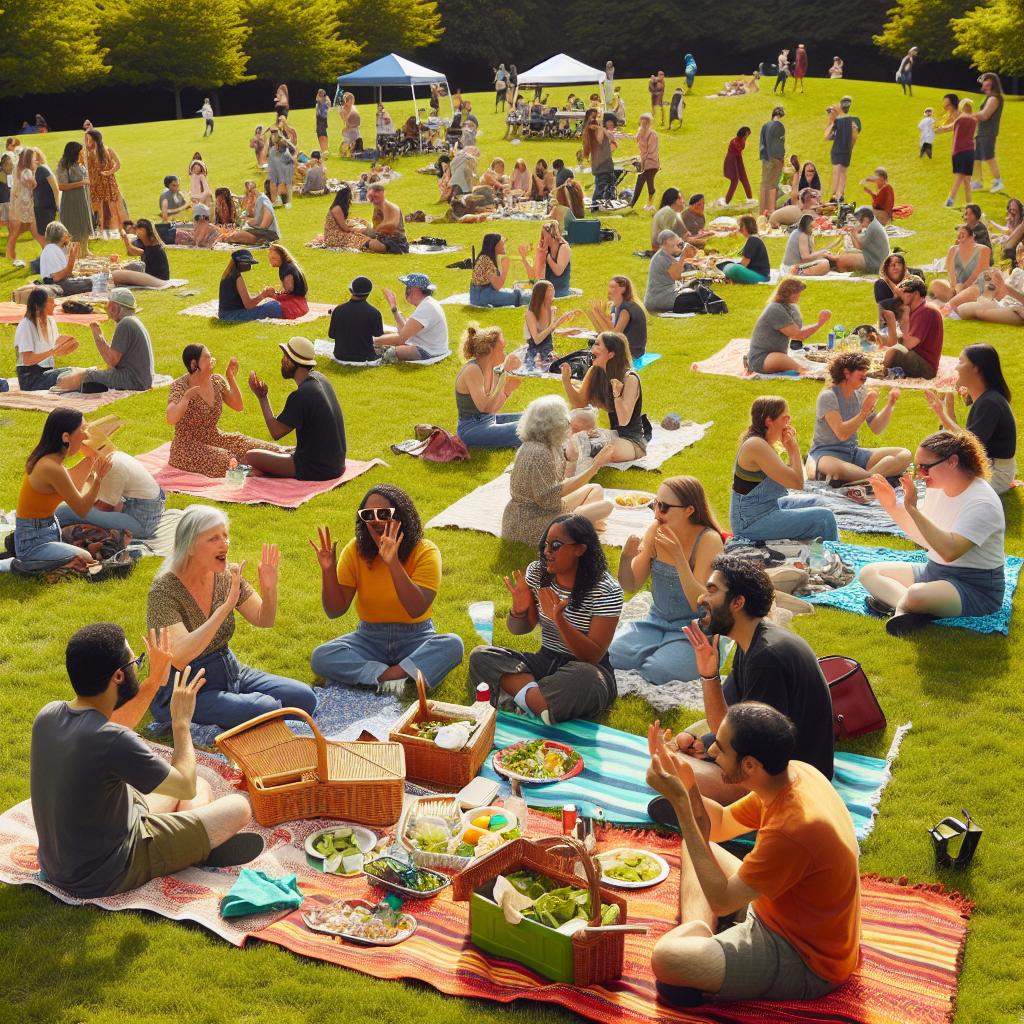
The essence of an ASL Picnic Palooza lies in its commitment to inclusivity and accessible fun. Such events serve as a vital link between Deaf and hearing communities in an informal yet nurturing environment. They promote the use of sign language as a primary mode of communication, making every single participant feel embraced and valued. It’s a fantastic way for people to practice ASL in a real-world setting outside of classrooms or formal gatherings.
Importantly, these gatherings are not just for the Deaf community but also for their families, friends, and allies. These open invitations encourage more people to engage willingly and enthusiastically with ASL, creating a natural bridge to understanding and empathy. Organizers often set up booths with ASL interpreters and educational materials, ensuring that newcomers feel welcomed and supported.
Fun Activities to Include
What’s a picnic without fun and interactive activities? At an ASL Picnic Palooza, the goal is to ensure everyone enjoys their time while practicing and learning ASL. Here are some engaging activities to consider:
- Sign Language Storytime: Gather kids and adults alike for storytelling sessions in ASL. This is a joyful way to immerse everyone in the language.
- Picnic Games: Think of classic games like charades, but with a twist—players use ASL to act out their clues.
- Art and Craft Corners: Let creativity flow with art stations where people can create ASL-themed art together.
- Interactive Workshops: Conduct short, fun workshops where attendees can learn new signs and practice common phrases.
- Community Talent Shows: Offering a stage for Deaf performers to showcase their talents in front of an appreciative audience reinforces cultural unity and pride.
Engaging in these activities not only fosters a sense of community but also makes learning ASL an enjoyable experience for everyone involved.
Role of Technology
In recent years, technology has played an indispensable role in making events like ASL Picnic Palooza more accessible and interactive. Digital platforms can be used for sign language translation, event planning, and promotion.
Apps like “SignUp” and “ProDeaf” offer real-time ASL translation, making it easier to break down language barriers. Social media platforms are instrumental in spreading the word about these events, drawing a diverse crowd keen to learn and participate.
Furthermore, virtual reality (VR) experiences can be tailored to teach ASL in immersive ways, simulating real-life interactions within the Deaf community. Initiatives like these demystify ASL, making it a more approachable form of communication.
Using technology not only amplifies the reach of such events but also ensures everyone has the tools they need to participate fully, making the picnic an enriched and inclusive experience for all.
Impact on Deaf Education
An ASL Picnic Palooza is more than just a fun event; it has a significant impact on Deaf education and awareness. It provides an informal setting for children and adults to practice ASL outside of the academic environment. This real-world practice is invaluable for language retention and practical usage.
Moreover, these events can ignite a passion for learning ASL among hearing individuals, encouraging them to support Deaf education initiatives. By interacting with fluent ASL users, attendees increase their understanding of Deaf culture, breaking down stereotypes and prejudices.
Schools and educational institutions can take inspiration from such events to organize similar inclusive activities, creating a culture of acceptance and mutual respect within the classroom and beyond.
Building Support Networks
Another significant benefit of ASL Picnic Paloozas is the opportunity to build and strengthen support networks within the Deaf community. These gatherings act as a safe space for people to share their experiences, challenges, and triumphs. It opens avenues for mutual support and understanding, fostering a sense of belonging.
Parents of Deaf children particularly find these events beneficial, as they can connect with other families and share resources and advice. Support networks are crucial for emotional and social wellbeing, giving individuals the confidence to navigate their journeys more effectively.
Additionally, interactions within these networks can lead to long-term friendships and even collaborative efforts to advocate for broader societal changes in accessibility and inclusiveness.
Making It Happen: Organizing Your Own ASL Picnic Palooza
Intrigued by the idea of an ASL Picnic Palooza and want to host one in your community? It’s simpler than you might think! Here are some tips to get started:
- Form a Planning Committee: Gather a group of enthusiastic individuals who share the vision of inclusivity and accessibility.
- Select a Venue: Choose a spacious, accessible outdoor location such as a park or community garden.
- Reach Out to the Community: Use social media, local bulletin boards, and community centers to spread the word. Engage local Deaf organizations for support and participation.
- Plan Activities: Refer to the activity ideas mentioned earlier and customize them to fit your event’s theme and goals.
- Accessibility: Ensure there are ASL interpreters available and that all activities are accessible to everyone.
- Gather Supplies: From picnic blankets to art supplies, make a checklist and assign tasks within your committee.
- Have Fun: Encourage everyone to relax, have fun, and make new friends!
With thoughtful planning and a collaborative spirit, you can create a magical and memorable ASL Picnic Palooza that resonates with everyone who attends.
Conclusion
The joy of summer picnics can be shared by all, and ASL Picnic Paloozas are a stellar example of how simple events can foster inclusivity, learning, and community building. By focusing on accessibility and the shared experience of communication through ASL, these picnics provide a vital platform for the Deaf and Hearing communities to connect, understand, and grow together.
Creating spaces where everyone feels welcome and valued not only enriches the lives of those who participate but also strengthens the broader community fabric. The activities and interactions at these picnics extend beyond the event itself, paving the way for greater awareness, empathy, and support for Deaf education and accessibility.
As we look forward to a future where inclusiveness is the norm and not the exception, we can all play our part by supporting and participating in events like ASL Picnic Palooza. So, gather your friends and family, pack your picnic essentials, and let the laughter, learning, and love flow freely. Here’s to many more summers filled with the vibrant spirit of ASL Picnic Paloozas!