
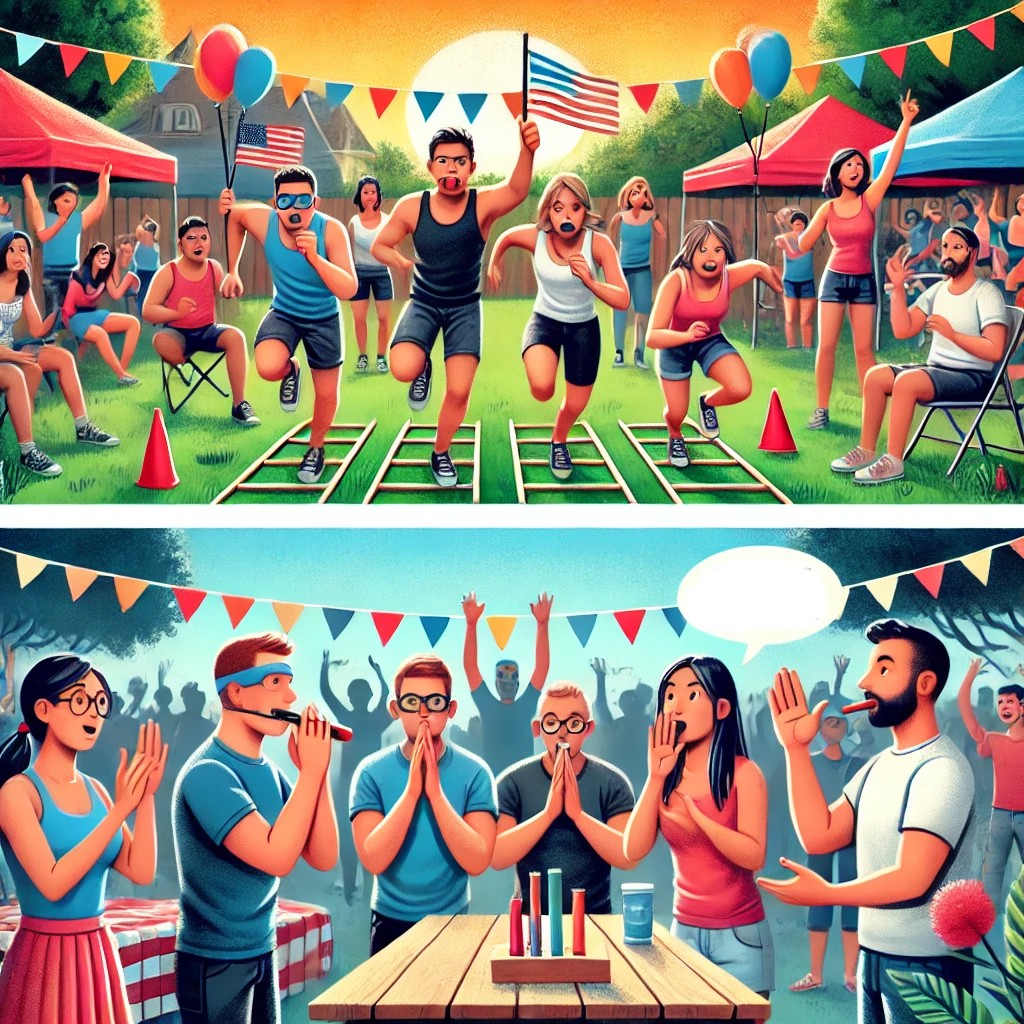
Summer is the perfect time for outdoor activities, and what better way to engage in some fun than by organizing a Backyard Olympics? Whether you have a small or large backyard, there’s always enough space to create a mini-Olympic event that everyone can enjoy. However, making sure that these activities are inclusive for all participants, including those who are Deaf or hard of hearing, is crucial. This article provides a guide to adapting classic games and creating an inclusive competitive atmosphere where everyone can participate equally.
Introduction: Understanding the Importance of Inclusive Activities
Providing accessible summer fun is not just about creating games that everyone can play; it’s about fostering an environment of inclusivity and understanding. For Deaf and hard of hearing participants, traditional summer games can present various challenges. These can range from the inability to hear verbal instructions or cues to difficulties in following activities that rely heavily on auditory components.
Creating inclusive activities means considering the needs of all participants and making necessary adjustments to ensure everyone has a fair chance to enjoy and compete. This approach can enhance social cohesion, improve physical health, and offer a sense of achievement for all involved. More importantly, it sends a powerful message: everyone, regardless of their abilities, is welcome and valued.
In this guide, we will explore how to adapt various classic games for a Backyard Olympics to be inclusive for Deaf and hard of hearing participants, ensuring that everyone can enjoy the spirit of competition and camaraderie.
Adapting Classic Games for Inclusivity
Adapting classic games for Deaf participants involves making simple yet effective changes to ensure that the games are fair and accessible to all. Here are a few popular games and ways to adapt them:
Relay Races
Relay races are a staple of any Backyard Olympics. To adapt relay races for Deaf participants, use visual rather than auditory cues to signal the start and relay points. Instead of a whistle or shout, use a large flag or a hand signal. Ensure that all participants are briefed on these visual cues beforehand.
Sack Races
Sack races are fun and can be made inclusive by using a visually noticeable start signal, such as a waving flag. Make sure everyone understands the starting cue before beginning the race. Also, have a volunteer visually indicate the finish line to assist in guiding participants.
Three-Legged Races
In three-legged races, communication between partners is essential. Encourage Deaf participants to choose a partner who knows some sign language or can communicate effectively using gestures. Practice non-verbal communication techniques before the race to ensure smooth coordination.
Water Balloon Toss
This game is a fun and inclusive activity by nature, but it can be slightly tweaked to ensure it’s suitable for Deaf participants. Make sure the starting cue is visual, and clearly demonstrate the rules using visual aids or sign language. Emphasize that players should rely more on visual cues rather than auditory warnings to avoid getting wet.
Creating Visual-Based Games
In addition to adapting traditional games, consider designing new games that are inherently visual. These activities provide an even playing field and are naturally inclusive.
Scavenger Hunt
Create a scavenger hunt with a visual list of items to find. Use pictures or symbols for each item, and if possible, provide written instructions in sign language. Ensure that the list is accessible and easy to understand for all participants.
Parachute Games
Parachute games are visually engaging and can be played without the need for verbal communication. Use a brightly colored parachute and play games that involve shaking, lifting, and lowering the parachute. This activity encourages teamwork and visual focus.
Obstacle Course
Design an obstacle course with clear visual markers and instructions. Use brightly colored cones, ribbons, or signs to delineate different sections of the course. Have volunteers positioned at various points to guide and assist participants if needed.
Charades
Charades is a naturally visual game and is perfect for Deaf participants. Create a list of words or phrases for players to act out without speaking. Make sure the topics are familiar to all participants to ensure the game is inclusive and enjoyable.
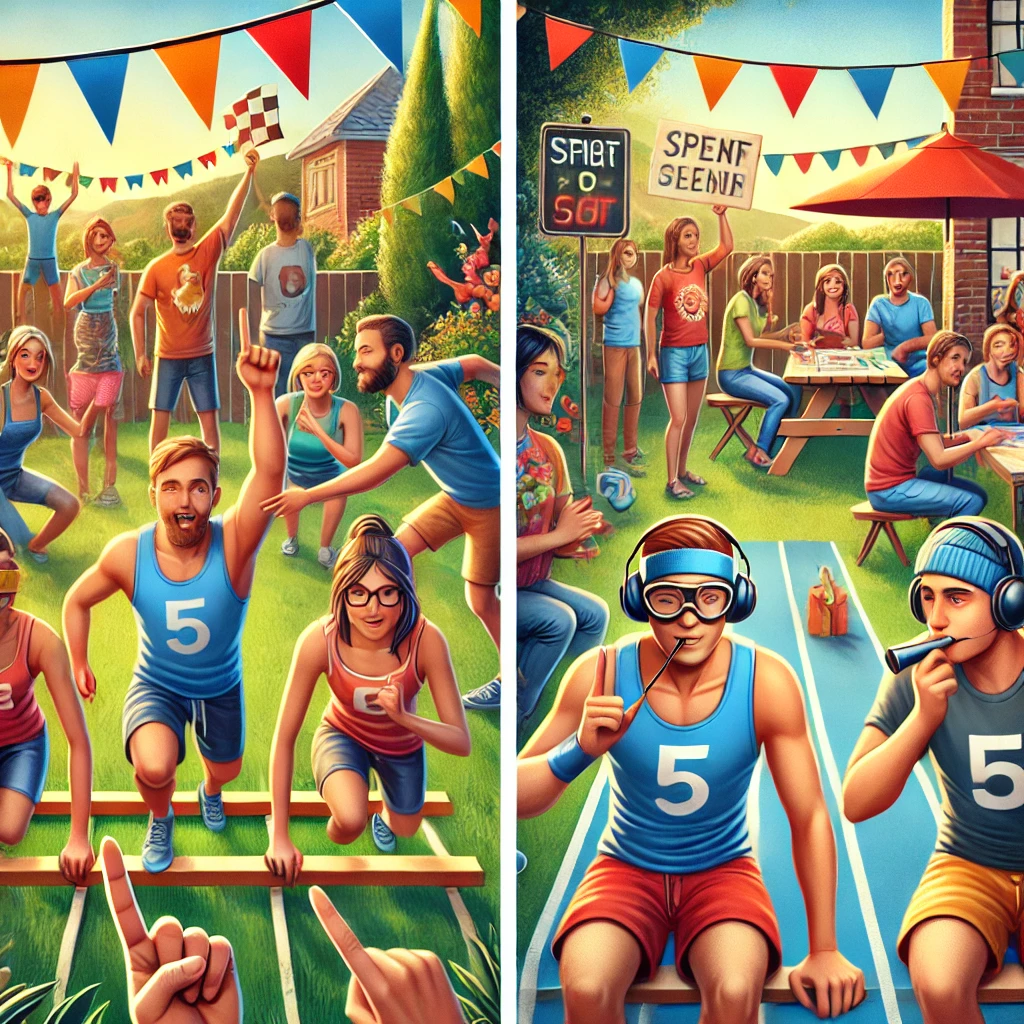
Utilizing Technology and Visual Aids
The use of technology and visual aids can greatly enhance the accessibility of summer activities. Here are a few tools and techniques to consider:
Portable Whiteboards
Use portable whiteboards to display instructions and scores. This is a simple yet effective way to communicate important information visually. Make sure the writing is clear and visible from a distance.
LED Lights and Visual Signals
Incorporate LED lights and other visual signals for activities that usually rely on auditory cues. For example, use flashing lights to signal the start and end of a game. This ensures that everyone is aware of the game’s status, regardless of their hearing ability.
Vibrating Timers and Alarms
Use vibrating timers and alarms for time-based games and activities. These devices can be worn by participants and will vibrate to indicate the end of a time period. This provides a non-invasive way to keep track of time during various games.
Encouraging Social Interaction and Teamwork
Inclusive activities are not just about accessible games; they are also about fostering a sense of community and teamwork. Encourage social interaction and communication among all participants, regardless of their hearing abilities.
Team Pairing
Pair Deaf participants with those who can communicate in sign language or are familiar with visual communication methods. This encourages inclusivity and enhances the experience for everyone involved. It also provides an opportunity for hearing participants to learn basic sign language and improve their communication skills.
Inclusive Icebreakers
Start the event with inclusive icebreaker activities that encourage participants to get to know each other. Simple games like “Find Someone Who…” can be adapted to include visual communication, allowing everyone to participate fully.
Shared Leadership Roles
Assign leadership roles to Deaf participants to ensure they are actively engaged in the event. This can include leading a game, being a team captain, or helping to set up and organize activities. Shared leadership fosters a sense of responsibility and inclusion.
Promoting Deaf Awareness and Education
Hosting inclusive activities also provides an opportunity to promote Deaf awareness and education. Use this event as a platform to educate all participants about Deaf culture and the importance of inclusivity.
Sign Language Workshops
Offer short sign language workshops during the event. Teach basic signs that can be used during the games. This not only facilitates communication but also promotes understanding and appreciation of Deaf culture.
Information Booth
Set up an information booth with resources about Deaf awareness and education. Provide pamphlets, books, and information about local Deaf organizations. This helps to educate participants and raise awareness about the Deaf community.
Guest Speakers
Invite guest speakers from the Deaf community to share their experiences and insights. This can be a powerful way to promote understanding and inclusivity. Guest speakers can also provide tips on how to create more inclusive environments.
Conclusion: Embracing Inclusivity in Every Activity
Organizing a Backyard Olympics that is inclusive for Deaf participants is not just about adapting games; it’s about creating an environment where everyone feels welcome and valued. By making small adjustments and promoting Deaf awareness, you can ensure that all participants have a fun and memorable experience.
Remember, the goal of these activities is to foster a sense of community, promote physical health, and provide a platform for social interaction. When planning your next summer event, take these tips into account and strive to create an inclusive environment that celebrates diversity and promotes unity.
Inclusive activities not only benefit Deaf participants but also enrich the experience for everyone involved. They provide an opportunity to learn, grow, and connect with others in meaningful ways. So, gather your friends, family, and neighbors and get ready to enjoy a Backyard Olympics that truly is for everyone!