
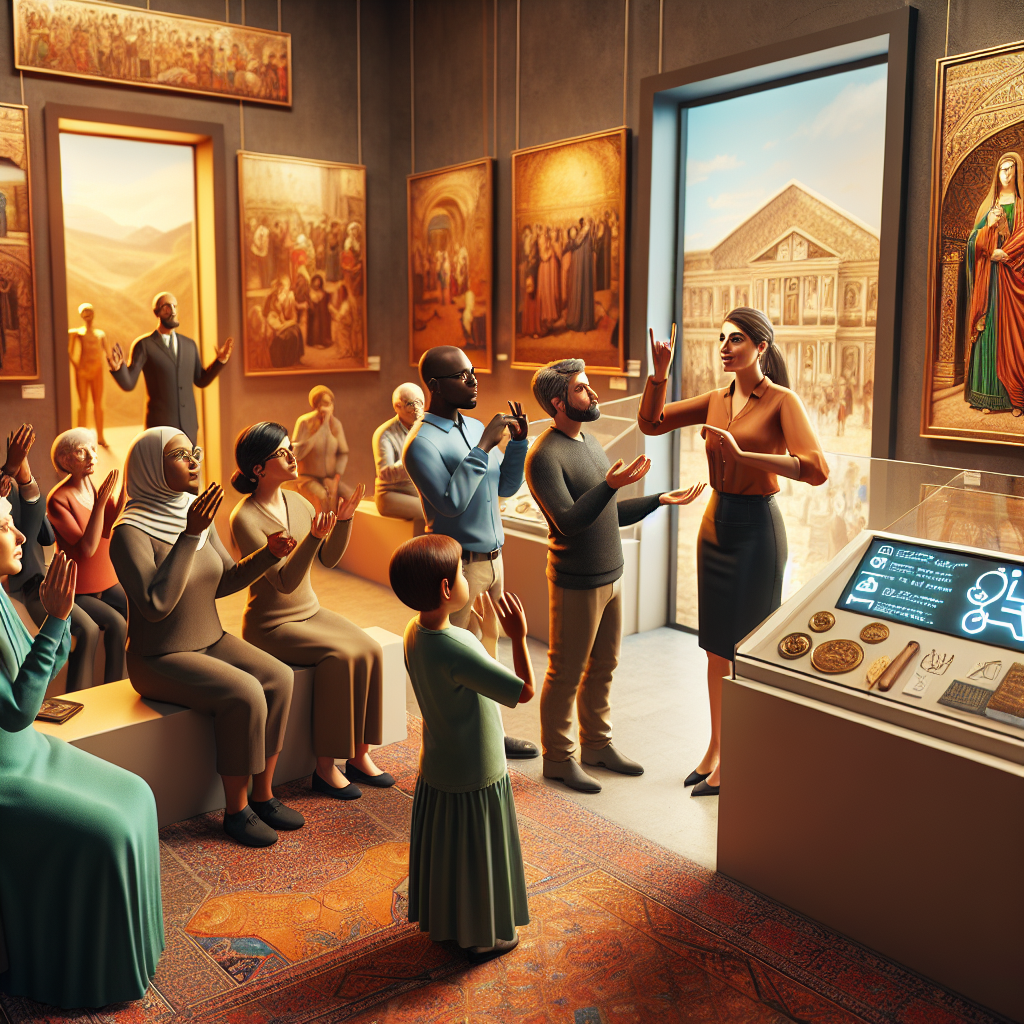
In a world where inclusivity often highlights the broader issues faced by marginalized groups, it becomes imperative to focus on the integration of the Deaf community in public spaces. Museums, as bastions of culture, history, and art, have a unique responsibility and opportunity to ensure they are accessible to everyone. By offering American Sign Language (ASL) tours, museums can extend their reach, foster inclusivity, and enhance cultural appreciation across diverse visitor groups. But why should every museum specifically offer ASL tours? The answer lies in understanding the importance of representation, accessibility, and utilizing technology to bridge gaps.
The Importance of ASL Tours
The use of ASL in museums does more than provide a service to Deaf visitors—it acknowledges them as an integral part of society whose cultural needs deserve recognition. ASL is the primary language for approximately half a million Americans, a statistic that becomes more significant when incorporating global populations using different sign languages. Museums serve not just those who hear but anyone curious about history and culture. Therefore, implementing ASL tours as a standard offering is essential to fulfill their role as educational landmarks for everyone.
Accessibility to education and cultural experiences is a fundamental right for all. For Deaf individuals, traditional audio-guided tours might miss the mark. Instead, ASL tours curated for the Deaf community speak directly to them in their language, providing insights and understanding through a medium that respects their mode of communication. This inclusion goes beyond mere translation; it involves curating a tailored experience that honors both the exhibited art and the audience’s language and culture.
Engagement through ASL tours also promotes a more profound respect and understanding of Deaf culture and language among hearing individuals. These tours can encourage cross-cultural dialogues, allowing hearing visitors to appreciate and learn from the unique perspectives of Deaf tour guides and attendees.
Advantages for Museums
Offering ASL tours can significantly enhance a museum’s public image as an inclusive institution. This advantage extends beyond the Deaf community, as making the space accessible can influence public views about the institution’s commitment to diversity and equality. Inclusivity attracts a broader audience base, potentially increasing attendance figures and museum membership, boosting revenue, and promoting a deeper community connection.
Moreover, museums that curate ASL tours expose themselves to a broader range of interpretative opportunities. Engaging with Deaf community members in planning and executing these tours can result in unique insights and the incorporation of new interpretive angles that might enrich everybody’s experience at museums.
Implementing ASL tours also fosters collaboration with Deaf artists, historians, and performers, adding layers of richness to existing exhibits or even creating new ones. By harnessing talents from within the Deaf community, museums can craft exhibitions or programs that resonate with authenticity, ensuring the art on display is truly reflective of diverse cultural narratives.
Technological Integration
Incorporating technology seamlessly with ASL tours can amplify their impact. Museums worldwide are adopting technologies such as augmented reality (AR), virtual reality (VR), and interactive displays to improve visitor experiences. By integrating such advanced technologies, museums can enhance the delivery of ASL content, ensuring a more enriched and accessible experience.
These technologies can create immersive experiences that engage a visitor’s visual senses more comprehensively. For example, augmented reality kiosks or headsets could offer Deaf visitors layered historical contexts for works of art through immersive video demonstrations in ASL. This engagement transforms a traditional visit into an interactive experience that caters to visual learning styles predominant in the Deaf community.
Furthermore, online platforms and mobile applications could also feature ASL content, allowing for virtual museum tours. This not only provides flexibility but also broadens access to international visitors or those who cannot physically visit the museum.
Barriers to Implementation
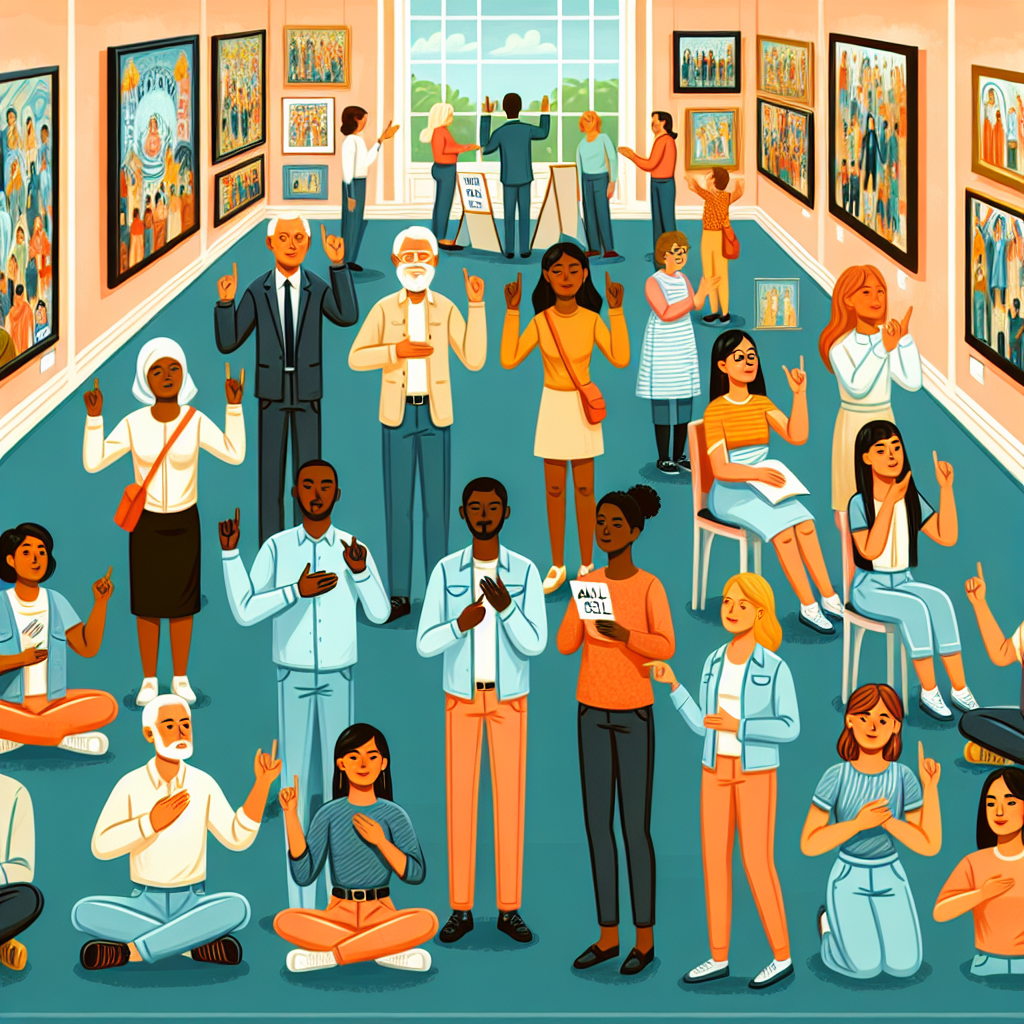
While the benefits are clear, some barriers can hinder the widespread availability of ASL tours, primarily related to cost and resource allocation. Many museums operate on tight budgets and reallocating funding to implement and sustain ASL tours may present a challenge. However, it’s important to view these costs as an investment in accessibility and inclusivity.
Training staff or hiring professional ASL interpreters may require financial resources and a commitment to ongoing education to ensure that tours remain relevant and engaging. Additionally, overcoming logistical challenges such as scheduling, tour capacity, and ensuring that interpreters have the intimate knowledge of the exhibits to translate effectively can be daunting.
Nonetheless, museums must prioritize these efforts, recognizing them as steps toward greater equity in cultural access. Partnerships with local Deaf organizations and advocacy groups can facilitate these implementations, often providing insights and support to overcome these barriers.
Promoting ASL Tours
Promotion of available ASL tours is critical to their success. Effective communication strategies include incorporating information about ASL tours in museum brochures, websites, and social media platforms. This ensures Deaf visitors are aware of these opportunities before and during their visit.
Social media, particularly platforms with strong visual components, can be powerful tools in disseminating information regarding upcoming ASL tours. Collaborations with influencers within the Deaf community can also help in garnering traction and increasing attendance.
Word-of-mouth remains vital in the Deaf community, and the positive experiences from ASL tours can organically increase interest and demand. Encouraging feedback and continuously improving the tours based on community responses also helps maintain and grow a successful program.
Conclusion: The Future of Inclusive Museums
The introduction of ASL tours is not merely a recommendation but should be seen as a standard practice for museums intent on being truly inclusive. As society evolves toward greater inclusivity, museums must lead by example, adopting practices that welcome everyone into the cultural, historical, and artistic conversations they host.
By removing barriers and opening doors, museums can transform from static repositories of the past into dynamic spaces fostering dialogue, appreciation, and understanding across all communities. Whether through enhanced technological interfaces, collaborative partnerships with the Deaf community, or through the innate artistry of ASL itself, museums have the potential to set new standards in accessibility and representation within the arts.
Ultimately, ASL tours are not just about accessibility—they are about acknowledging and celebrating the multiplicity of human expression and experience. As museums consider their role in society, embracing ASL as akin to opening their ears to the voices that have long called for representation, inclusion, and mutual respect is a definitive step toward that future.