
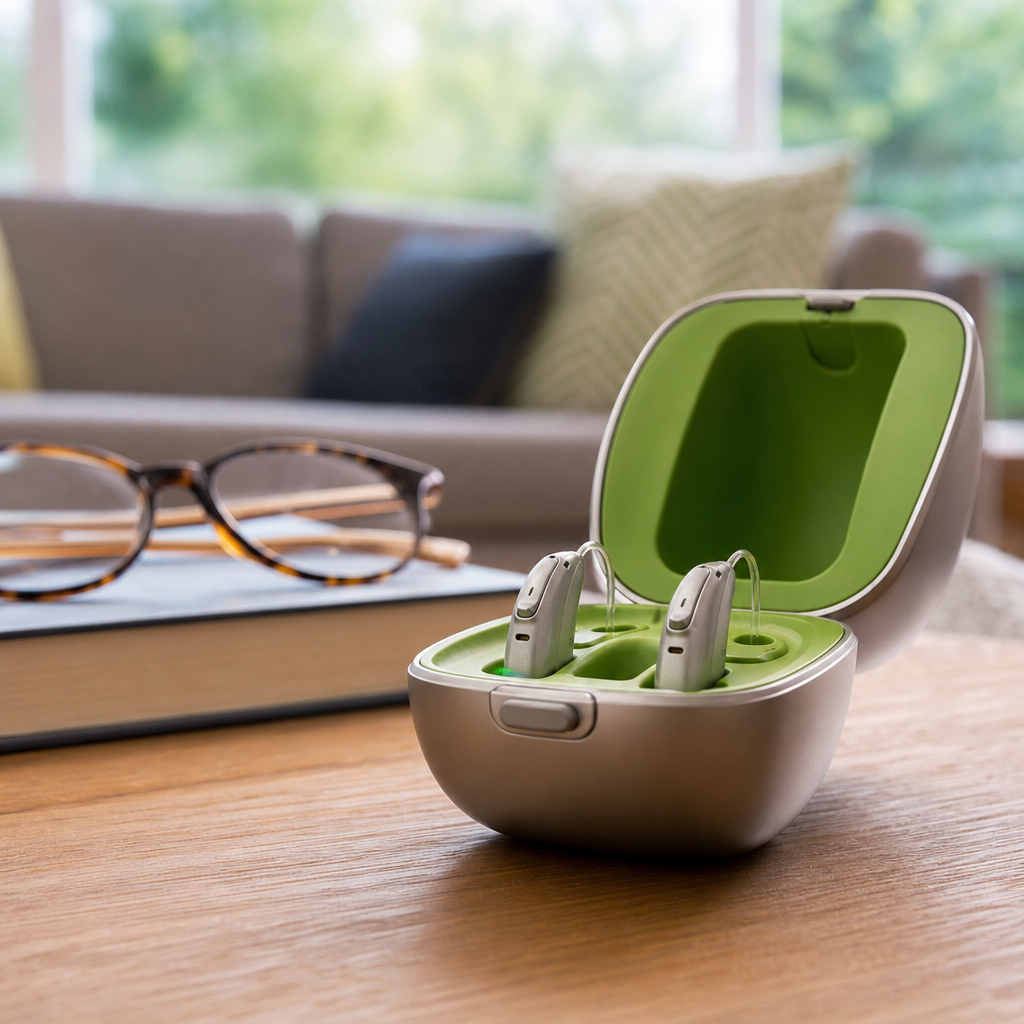
Phonak hearing aid reviews matter because choosing hearing technology is rarely about picking a single device from a shelf. It is about matching hearing loss, lifestyle, dexterity, budget, phone habits, and long-term support to a system you will likely use every day for years. Phonak is one of the most recognized hearing aid brands in the world, and for good reason: the company offers broad product tiers, strong Bluetooth connectivity, pediatric and adult solutions, and features designed for mild through profound hearing loss. For many buyers, it appears on the shortlist alongside Oticon, ReSound, Signia, Starkey, and Widex.
When people search for Phonak hearing aid reviews, they usually want direct answers to a few practical questions. Are Phonak hearing aids reliable? Which models are best? How does the sound compare with competitors? Are rechargeable options worth it? Can they connect to iPhones and Android phones? How expensive are they, and who should avoid them? Those are the right questions. A hearing aid is not just a consumer gadget; it is a medical device programmed to an audiogram, adjusted over multiple visits, and judged not only by features but by speech understanding, comfort, and daily consistency.
In clinic and in follow-up conversations with wearers, I have seen the same pattern repeatedly. People often focus first on tiny differences in technology names, yet their real satisfaction usually depends on simpler factors: whether the hearing aid fits well, whether the receiver strength matches the hearing loss, whether background noise settings are tuned correctly, and whether expectations were realistic from the start. That is why a useful review of Phonak has to cover the entire ownership experience, not just a list of specifications.
Phonak, owned by Sonova, is particularly known for its broad compatibility and for serving complex hearing needs well. The brand has long emphasized speech understanding in noise, universal Bluetooth streaming, rechargeable choices, and solutions for unilateral hearing loss through CROS and BiCROS systems. Its lineup includes receiver-in-canal models, behind-the-ear devices, and custom in-ear options, with premium, midlevel, and essential technology tiers. That range makes Phonak relevant to first-time users, experienced wearers, active retirees, children, and adults with more severe hearing loss.
How Phonak hearing aids are designed and who they suit best
Phonak hearing aids are designed around a few practical strengths. First, the brand tends to support a wide range of hearing losses, including more severe loss levels that some slim, style-first products struggle to address. Second, many Phonak models offer direct Bluetooth connections to more devices than brands that rely mainly on made-for-iPhone protocols. Third, Phonak usually gives clinicians flexible fitting options through its programming software, including adjustments for compression, directional microphones, noise reduction, feedback management, and frequency lowering.
In plain terms, that means Phonak often suits people who need dependable all-day use rather than a narrowly optimized showcase feature. If you take frequent phone calls, stream media from different devices, or need enough power to support moderate-severe to profound hearing loss, the brand deserves serious consideration. It is also a strong choice for people whose hearing changes over time, because the platform generally includes multiple form factors and receiver or earmold options within the same ecosystem.
Phonak is not automatically the best choice for every wearer. Some people prefer the sound profile of Widex for music, the spatial processing style of Oticon, or the app experience of ReSound. Others want the smallest possible custom fit and are willing to trade battery size or connectivity for cosmetics. Reviews are most useful when they compare these tradeoffs honestly instead of assuming one brand wins in all situations.
Popular Phonak models and what reviews consistently say
The best-known current and recent Phonak families include Audéo receiver-in-canal devices, Naída power models, Sky pediatric devices, Virto custom products, and CROS systems for single-sided deafness. Within those families, performance depends heavily on the technology level selected. Premium tiers usually provide more advanced automatic environmental classification, stronger noise management, and more refined directional microphone behavior. Lower tiers still deliver amplification and core speech support, but they are less adaptive in difficult listening situations.
Across user reviews and clinical feedback, Audéo models are often praised for versatility. They are commonly recommended for adults with mild to severe hearing loss who want a discreet size without giving up streaming and rechargeable convenience. Naída models get high marks from users with severe to profound hearing loss because they provide more output headroom and compatibility with custom earmolds. Virto custom options appeal to buyers who prioritize fit and appearance, though battery life, ear anatomy, and feature availability can vary more than with receiver-in-canal products.
Reviews also frequently mention Phonak CROS devices. These are designed for people with unaidable hearing in one ear and usable hearing in the other ear. In the right candidate, a CROS system can significantly improve awareness of speech arriving from the poorer side. It does not restore true binaural hearing, but it solves a daily communication problem that many people underestimate until they experience it at restaurants, in cars, and during group conversations.
| Phonak type | Best for | Typical strengths | Main tradeoff |
|---|---|---|---|
| Audéo RIC | Mild to severe loss | Streaming, rechargeability, flexible fittings | May require domes or molds for best results in noise |
| Naída BTE | Severe to profound loss | High power, durable build, earmold support | Larger size behind the ear |
| Virto custom | Users wanting in-ear cosmetics | Personalized shell, comfort, discretion | Less room for battery and some features |
| CROS/BiCROS | Single-sided deafness or asymmetric loss | Better awareness from poor side, easier conversations | Does not recreate natural two-eared hearing |
| Sky pediatric | Children with hearing loss | Tamper-resistant options, classroom compatibility | Requires pediatric audiology follow-up |
Sound quality, speech in noise, and everyday listening performance
Sound quality is the most important review category, but it is also the hardest one to discuss because it depends on fitting accuracy. A premium Phonak hearing aid programmed poorly can sound worse than a midrange model fitted carefully. With that said, Phonak generally performs strongly in speech clarity, especially in dynamic daily environments. Its automatic programs are built to classify surroundings and shift microphone and noise settings without constant manual input. For many wearers, that means less fiddling and more reliable hearing from morning through evening.
In quiet settings, Phonak devices usually sound natural after an adjustment period. New users often report that their own voice, footsteps, dishes, and paper noise seem sharp at first. That is normal acclimatization, not a brand flaw. In noise, Phonak reviews are often positive but nuanced. The devices can improve speech access substantially, especially when directional microphones and proper real-ear verification are used, but no hearing aid eliminates background noise. Restaurants, open offices, airports, and family gatherings remain challenging because hearing aids amplify useful and competing sounds within the limits of physics and the listener’s auditory system.
One place Phonak often stands out is severe hearing loss management. With appropriate power levels and earmold acoustics, speech can remain clearer and more stable than in some style-limited products. Frequency lowering features can also help certain users access high-frequency speech cues, although these settings should be activated carefully to avoid unnatural sound quality. The best reviews usually come from users whose devices were fine-tuned over several appointments instead of handed over with default settings.
Bluetooth, apps, rechargeability, and convenience features
Phonak has built much of its reputation on connectivity. Many models support direct Bluetooth streaming to both iPhone and Android devices, and they can often pair with multiple electronics more flexibly than some competing systems. For users who switch between a smartphone, tablet, laptop, and television accessories, this is a meaningful advantage. Calls, podcasts, navigation prompts, and video audio can stream directly to the hearing aids, reducing strain and improving clarity.
The myPhonak app allows volume changes, program selection, battery checks, and in many cases remote support. Remote programming has become more important over the past several years because it saves travel time for minor adjustments. It does not replace in-person care when a physical fit issue, earwax blockage, feedback problem, or major prescription change is involved, but it is useful for comfort tuning and follow-up refinement.
Rechargeability is another common reason buyers choose Phonak. Modern lithium-ion models are convenient for people with arthritis, visual limitations, or a simple dislike of handling tiny disposable batteries. Most users can get through a full day on one charge, though heavy streaming reduces runtime. That is not unique to Phonak; it is true across brands. If you stream for hours every day, ask specifically about expected battery life under your usage pattern rather than relying on ideal laboratory figures.
Price, value, warranties, and what ownership really costs
Phonak hearing aid prices vary widely because the final cost usually bundles the device, professional fitting, follow-up care, warranty terms, and office service model. In many markets, a pair of Phonak hearing aids can range from roughly mid-tier pricing to premium pricing depending on technology level and provider package. Buyers comparing online numbers often miss this point. A lower advertised price may exclude real-ear measurements, cleanings, loaner support, or enough adjustment visits to optimize benefit.
Value depends on how you use hearing aids. If you spend most of your time in quiet settings, a midlevel Phonak tier may deliver nearly all the practical benefit you need. If you attend meetings, dine out frequently, travel, and depend on phone streaming, a premium tier may justify its cost through better automatic adaptation and less listening fatigue. Warranty coverage typically includes repair and loss-and-damage periods, but details differ by clinic and region, so read the terms carefully.
Also consider maintenance costs. Receivers, domes, wax guards, earmolds, chargers, and eventual out-of-warranty repairs affect long-term ownership. This is one reason the provider matters as much as the brand. A strong audiology practice will explain replacement schedules, verify performance with speech mapping or real-ear measures, and set realistic expectations about lifespan, usually around five years though actual use varies.
Pros, cons, and how Phonak compares with other leading brands
The clearest strengths in Phonak hearing aid reviews are broad Bluetooth compatibility, strong options for severe hearing loss, a wide style range, reliable rechargeability, and mature solutions for CROS and pediatric needs. The brand also benefits from extensive provider familiarity, which matters because experienced fitters can solve problems faster when they know the software and accessory ecosystem well.
The main drawbacks are equally important to state plainly. Some users find Phonak physically slightly bulkier than ultra-minimal alternatives. Others prefer a different sound signature for music or soft environmental detail. Battery life during heavy streaming can be average rather than exceptional. And as with every major brand, premium pricing can be difficult to justify if the wearer has straightforward listening needs and limited interest in advanced features.
Compared with Oticon, Phonak often appeals more to buyers prioritizing universal device connectivity and power options. Compared with ReSound, it may offer broader Bluetooth flexibility for some users. Compared with Widex, it is often chosen more for practical all-round performance than for a music-first reputation. Compared with Starkey and Signia, the decision often comes down to fit, app preference, and clinician experience. The best brand is the one that fits your hearing loss, ear anatomy, and daily routine with the fewest compromises.
Who should buy Phonak hearing aids and how to choose well
Phonak is a strong fit for adults who want dependable daily hearing support, direct streaming, and access to models that cover mild through profound loss. It is especially compelling for people with asymmetric loss, single-sided deafness, or severe hearing needs that require more power and custom coupling. It is also worth considering for users who split time across Apple and Android devices or who need remote follow-up options.
If you are evaluating Phonak, ask your provider five practical questions: Which model matches my audiogram? Will you verify the fitting with real-ear measurement? How many follow-up visits are included? What battery life should I expect based on my streaming habits? What is the total cost over warranty and likely maintenance? Those questions reveal more than marketing labels ever will.
Phonak hearing aid reviews are most positive when the buyer treats the purchase as a hearing care process rather than a hardware transaction. The brand offers capable technology, but outcomes depend on expert fitting, realistic expectations, and consistent wear. Start with a qualified audiologist or hearing instrument specialist, compare at least two suitable models, and insist on measurable verification. Done properly, Phonak can be an excellent long-term choice that improves speech understanding, reduces listening effort, and makes daily communication noticeably easier.
Frequently Asked Questions
Are Phonak hearing aids considered good, and what do reviews usually say about them?
Yes, Phonak hearing aids are widely considered a strong option, and reviews are often positive because the brand has built a reputation for dependable performance, broad model selection, and user-friendly wireless features. Many people choose Phonak because the company makes devices for a wide range of hearing losses, from mild difficulty in conversation to more significant hearing needs. Reviews frequently highlight clear speech processing, strong Bluetooth connectivity, and the convenience of rechargeable options. People also tend to appreciate that Phonak offers solutions for both adults and children, which adds to the brand’s credibility in the hearing care space.
That said, reviews are not universally identical, and that is important to understand. A person with mild hearing loss who wants discreet hearing aids for office meetings may have a very different experience than someone who needs more power, better speech understanding in noisy restaurants, or easier controls because of dexterity issues. Some reviews praise comfort and sound quality, while others focus on battery life, app performance, fit, or the value offered at a given price tier. In other words, Phonak reviews are useful, but the most helpful ones are the reviews that match your hearing profile, lifestyle, and expectations. The best takeaway is that Phonak is generally well regarded, but whether it is the right brand for you depends on the specific model, your hearing test results, and the quality of the fitting and follow-up care you receive.
What makes Phonak different from other hearing aid brands?
Phonak stands out for a few major reasons. One of the biggest is connectivity. The brand is especially well known for robust Bluetooth compatibility, including direct connections to many smartphones and other everyday devices. For people who talk on the phone often, stream media, or want hearing aids that integrate smoothly with modern technology, this can be a major advantage. Phonak also offers a wide portfolio, which means there are multiple styles, technology levels, and power options available rather than a one-size-fits-all approach.
Another point that often comes up in reviews is flexibility. Phonak has solutions for active adults, people with more severe hearing loss, first-time hearing aid users, and pediatric patients. That breadth matters because hearing care is not just about amplification. It is about matching the device to how someone lives. A person who spends time in meetings, drives often, uses video calls daily, and wants easy charging may value a very different feature set than someone who mainly needs help hearing family conversations at home. Phonak’s product range gives hearing care professionals more room to personalize a recommendation.
Phonak is also known for emphasizing speech understanding in challenging listening environments. While no hearing aid can eliminate all background noise, higher-tier Phonak models often include more advanced automation and sound processing designed to help users focus on speech in busy places. Combined with professional programming and real-world fine-tuning, that can make a meaningful difference in daily satisfaction. In short, what makes Phonak different is not just one feature, but the combination of brand reliability, strong wireless connectivity, diverse fitting options, and technology designed to support real-life communication needs.
Which Phonak hearing aid model is best for different lifestyles and levels of hearing loss?
The best Phonak hearing aid depends less on what is “best” overall and more on what is best for your hearing loss, listening environments, physical comfort, and day-to-day habits. For example, someone with mild to moderate hearing loss who wants a discreet solution may prefer a smaller receiver-in-canal style, especially if appearance and comfort are top priorities. On the other hand, someone with more significant hearing loss may need a more powerful behind-the-ear option that offers stronger amplification and a larger battery or charger-friendly design. If you spend a lot of time in noisy places such as restaurants, group gatherings, houses of worship, classrooms, or busy offices, it may be worth considering a higher technology tier with more advanced speech-in-noise support.
Lifestyle matters just as much as hearing level. If you are highly connected and use your phone throughout the day, a Phonak model with strong direct Bluetooth streaming may be especially appealing. If you struggle with changing tiny batteries, a rechargeable model may make daily use much easier. If you have dexterity challenges, arthritis, or vision limitations, ease of insertion, button size, cleaning requirements, and charger design should all be part of the decision. For parents researching devices for children, Phonak’s experience with pediatric hearing solutions may be particularly relevant, especially when durability, retention, classroom listening, and ongoing support are priorities.
This is why professional guidance matters so much. A hearing care provider can compare your audiogram, ear anatomy, budget, and communication goals to the right Phonak style and technology level. They can also explain whether paying for more advanced features is likely to improve your specific listening situations or whether a more mid-level option would serve you just as well. The best Phonak model is the one that fits your hearing needs and your life realistically, not simply the newest or most expensive one.
Are Phonak hearing aids worth the price?
For many people, yes, Phonak hearing aids can be worth the price, but the value depends on how well the device matches your needs and what services are included with the purchase. Hearing aids are not just electronics. They are part of a larger care process that often includes testing, fitting, programming, adjustments, follow-up visits, maintenance support, and warranty coverage. When people compare hearing aid pricing, they sometimes focus only on the hardware, but the real value often comes from the combination of technology and professional care. A well-fit hearing aid from a reputable provider can be far more satisfying than a technically impressive device that is poorly adjusted or unsupported.
Phonak often appeals to buyers because the brand offers multiple performance tiers, so there may be choices at different price points depending on the provider and region. If you need excellent connectivity, reliable everyday speech support, and options tailored to a specific hearing profile, Phonak can represent strong long-term value. This is especially true if you will wear your hearing aids every day for several years. Features like rechargeability, app control, streaming capability, and better automatic adaptation in noise may improve convenience enough that users consistently wear their devices more often, which increases their practical benefit.
Still, worth is personal. If your listening needs are fairly simple, you may not need the highest-end model. If your daily life includes frequent background noise, work calls, travel, and social settings, investing in more advanced technology may be easier to justify. The smartest approach is to ask for a clear breakdown of costs, what follow-up care is included, what the trial period looks like, and how future adjustments are handled. When you evaluate Phonak on total hearing care value rather than sticker price alone, the brand often compares well.
What should I look for when reading Phonak hearing aid reviews before buying?
When reading Phonak hearing aid reviews, focus on details that reflect your own situation rather than just overall star ratings. Start by looking for reviewers who mention hearing loss severity, the listening environments they struggle with, and the exact model they are using. A review from someone with mild hearing loss using hearing aids mostly for television and family dinners may not tell you much if you need all-day support for work meetings, phone calls, and noisy public spaces. The more context a review provides, the more useful it becomes. Pay attention to comments about comfort, fit, speech clarity, background noise management, streaming quality, charging habits, and how easy the hearing aids are to clean and manage.
It is also wise to separate comments about the product from comments about the provider. Sometimes a negative review is really about poor fitting, limited counseling, or lack of follow-up adjustments rather than a flaw in the Phonak device itself. Hearing aids often require fine-tuning after the first fitting, and satisfaction can improve significantly once settings are adjusted for real-world use. That means reviews mentioning good support, responsive follow-up care, and successful programming can be especially valuable. Look for signs that the reviewer had enough time to adapt to the hearing aids, because first impressions do not always reflect long-term success.
Finally, consider what matters most to you personally. If phone connectivity is essential, search for reviews that discuss Bluetooth reliability across different phones. If you are concerned about dexterity, prioritize comments about battery doors, chargers, controls, and insertion. If budget is a factor, compare whether reviewers felt the performance justified the cost in their daily lives. The most productive way to use reviews is not to let them make the decision for you, but to use them to ask better questions during your hearing consultation. That is where reviews become truly valuable.