
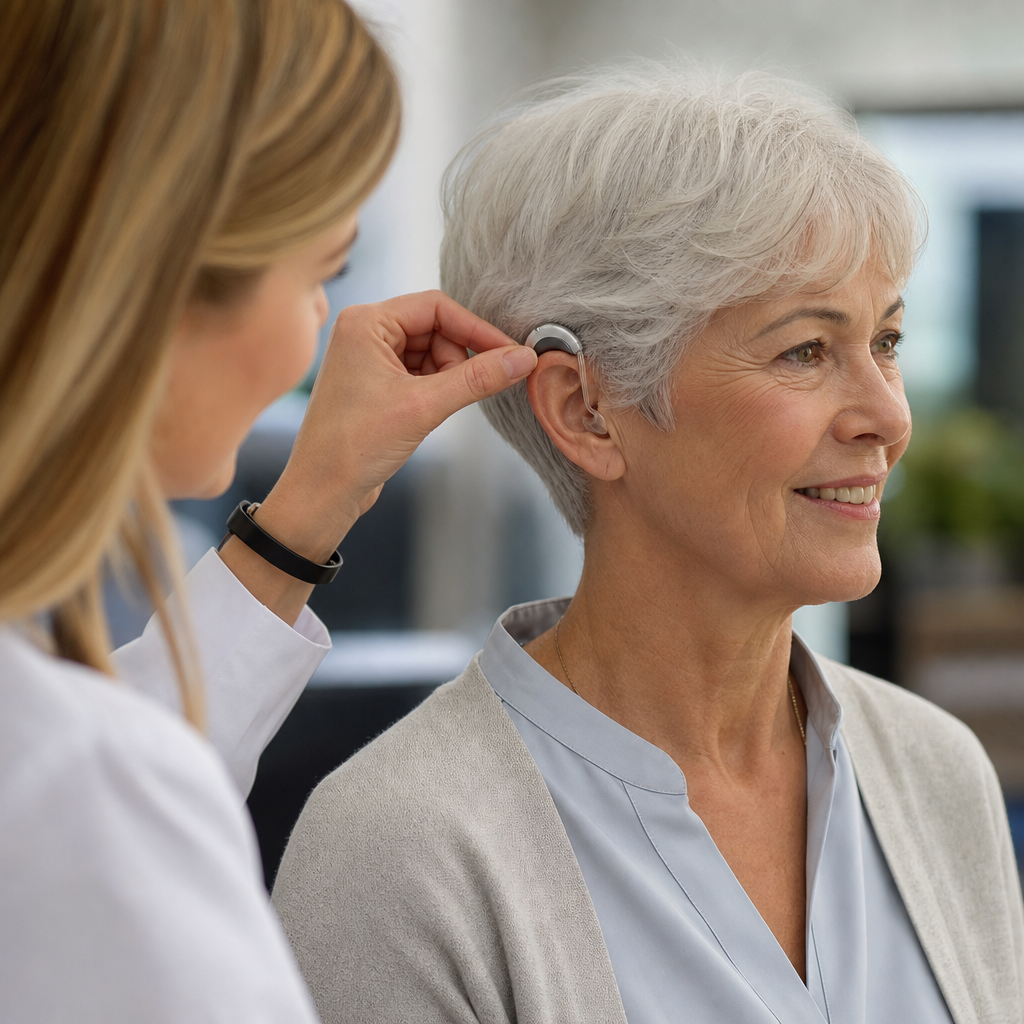
Searching for Signia hearing aids near me usually starts with a practical need: clearer conversations, less strain in noisy places, and confidence that local support is available when adjustments are needed. Signia is a global hearing technology brand known for digital hearing aids that combine speech enhancement, directional microphones, rechargeability, Bluetooth connectivity, and app-based personalization. When people search locally, they are rarely looking only for a device. They are looking for a qualified hearing care provider, a professional hearing test, transparent pricing, fitting services, follow-up care, repair options, and reassurance that the technology will match their lifestyle. That local layer matters because hearing aids are medical devices that perform best when programmed to a person’s specific hearing loss, ear anatomy, listening habits, and dexterity needs.
In practice, I have seen the same pattern repeatedly: people spend weeks comparing brands online, then make their decision based on the quality of the nearby clinic and the thoroughness of the fitting process. A premium device fitted poorly often underperforms, while a well-selected mid-to-premium model fitted carefully can transform daily communication. That is why this hub article covers the full picture. It explains what Signia hearing aids are, who they suit, how local providers differ, what a hearing appointment includes, what common features actually do, how much you can expect to pay, and what questions to ask before you buy. If you want a reliable overview before booking an appointment, this guide gives you the essentials in plain language.
Signia hearing aids are available in several physical styles, including behind-the-ear, receiver-in-canal, and custom in-the-ear designs. They also span multiple technology tiers, from basic solutions focused on speech audibility to advanced models designed for complex environments such as restaurants, meetings, classrooms, worship spaces, and outdoor social events. Key terms matter here. A hearing test measures hearing thresholds across frequencies. A fitting is the programming session where settings are matched to your hearing profile. Real-ear measurement is the gold-standard verification method that checks whether amplified sound in your ear canal matches prescribed targets. Telecare refers to remote fine-tuning through an app or connected platform. Understanding these basics makes it much easier to compare clinics and avoid paying for features or service plans you do not need.
This topic matters because untreated hearing loss is associated with communication breakdown, listening fatigue, social withdrawal, workplace difficulty, and reduced participation in everyday life. The World Health Organization has repeatedly emphasized the scale of hearing loss globally, and local access remains one of the biggest barriers to treatment. Finding Signia hearing aids nearby is therefore not just a convenience search. It is the first step toward diagnosis, treatment, adaptation, and long-term hearing health support. The best local option is the one that combines strong clinical practice with practical aftercare, not simply the lowest advertised price.
What Signia hearing aids are and who they are best for
Signia is part of WS Audiology, one of the largest hearing aid manufacturers in the world. The brand is widely recognized for speech-focused digital processing, rechargeability, tinnitus management options, and mobile app controls. In day-to-day use, Signia hearing aids are designed to do three core jobs well: amplify speech at the frequencies where hearing is reduced, reduce the effort needed to understand conversation, and adapt automatically as sound environments change. Depending on the model, they may also support direct streaming from smartphones, hands-free calling on compatible devices, AI-assisted adjustments, and portable charging cases for people who travel often or struggle with battery handling.
Who are they best for? Signia hearing aids suit adults with mild to severe hearing loss who want a broad range of form factors and feature levels. They are often a strong choice for people who value discreet designs, rechargeable options, and app-based personalization. They can also be appropriate for first-time users because many models offer automatic environmental adaptation rather than requiring constant manual changes. That said, the best brand is never determined by marketing alone. Ear shape, hearing loss pattern, phone compatibility, budget, and the skill of the clinician all influence success. For some people, Signia will be the right fit immediately. For others, another manufacturer may offer a better streaming ecosystem or a more suitable custom product. A good local provider should explain those tradeoffs honestly.
How to find the right local provider
If you are searching for Signia hearing aids near me, start by evaluating providers before you evaluate devices. Look for licensed audiologists or hearing instrument specialists with clear credentials, recent patient reviews, and transparent information about testing, fitting, repairs, trial periods, and follow-up visits. A provider that offers comprehensive audiologic assessment, speech-in-noise testing, otoscopy, cerumen management guidance, and real-ear measurement should rank higher than a clinic that focuses mainly on quick sales. In my experience, the clinics with the best long-term outcomes spend more time on counseling than on brand promotion.
It also helps to distinguish between independent practices, ENT-affiliated clinics, hospital systems, and big-box retailers. Independent clinics may offer more individualized care and a wider service relationship. ENT offices can be especially useful if your hearing loss is sudden, asymmetrical, medically complex, or accompanied by dizziness, pain, drainage, or tinnitus changes. Retail hearing centers can sometimes offer competitive bundled pricing and convenient access, but service depth varies by location. Ask directly whether the provider carries multiple Signia styles, whether same-week adjustments are available, and whether remote support is included after purchase.
| Provider type | Typical strengths | Questions to ask |
|---|---|---|
| Independent audiology clinic | Personalized care, broad counseling, strong follow-up | Do you use real-ear measurement and include cleanings and adjustments? |
| ENT-affiliated practice | Medical oversight for complex hearing issues | Can you evaluate medical causes before fitting hearing aids? |
| Retail hearing center | Convenience, promotions, accessible locations | What services are bundled, and who handles repairs and remakes? |
| Hospital-based audiology | Diagnostic depth, coordination with specialists | What is the wait time for fittings and follow-up appointments? |
Local search results can be misleading if you rely only on map rankings. Verify whether a clinic is actually authorized to fit and service Signia products, whether they stock demo devices, and whether they support warranty claims onsite. The best provider for you is nearby enough for follow-ups, responsive when issues arise, and thorough enough to verify performance objectively.
What happens during a Signia hearing aid appointment
A proper appointment usually begins with case history, ear inspection, and hearing evaluation. The clinician should ask about noise exposure, family history, sudden hearing changes, tinnitus, balance symptoms, medication history, and the specific listening situations that frustrate you most. Pure-tone testing identifies hearing thresholds, while speech testing helps determine clarity, not just volume. If your hearing profile suggests a medical red flag, referral to an ENT should happen before any hearing aid purchase. That screening step is part of good care, not a delay tactic.
If hearing aids are appropriate, the provider should recommend style, power level, receiver strength, dome or earmold type, and technology tier based on your hearing profile and daily needs. A first fitting typically includes physical comfort checks, programming based on validated prescription formulas such as NAL-NL2 or DSL principles, feedback calibration, and counseling on insertion, removal, charging, cleaning, and realistic adjustment expectations. The strongest clinics verify settings with real-ear measurement rather than relying only on manufacturer first-fit software. This matters because software defaults often under-amplify compared with prescribed targets, especially for new users.
Follow-up is where many successful fittings are won or lost. Most users need at least one or two adjustment visits after wearing the aids in real life. Background noise complaints, own-voice discomfort, wind noise, phone streaming preferences, and retention issues are all common and fixable when addressed early. Ask whether your local clinic includes a trial period, what return fees apply, how many follow-ups are bundled, and whether loaner devices are available during repair.
Features that make a practical difference
Not every feature advertised on a product page improves daily life equally. The most important Signia hearing aid features are the ones that solve real listening problems. Directional microphones help focus on speech in front of you and can significantly improve understanding in restaurants or meetings. Noise reduction systems reduce steady background sounds such as fans or road noise, though they cannot erase all competing sound. Feedback management prevents whistling. Rechargeable lithium-ion batteries remove the need to change small disposable cells and are especially helpful for users with arthritis, tremor, or vision limitations.
Bluetooth streaming can be a major benefit if you regularly take phone calls, watch video content, or listen to podcasts. App controls matter too, but mainly when they are simple and stable. The Signia app has typically allowed users to adjust volume, change programs, monitor battery status, and access remote support. Some models also offer tinnitus therapy signals, which may help some patients when paired with proper counseling. Another practical feature is automatic environment classification, where the hearing aid detects whether you are in quiet, speech in noise, music, or outdoor conditions and adjusts processing accordingly. This reduces manual program switching and lowers listening effort through the day.
The key limitation is that advanced features do not replace proper fitting. A top-tier device cannot overcome poorly set gain, uncomfortable domes, clogged wax guards, or unrealistic expectations. Technology helps, but clinical setup and user adaptation determine whether those features deliver measurable benefit.
Cost, insurance, warranties, and value
Signia hearing aid prices vary widely by style, technology level, clinic service model, and local market. In the United States, a pair often ranges from roughly $2,000 to $7,500 when bundled with professional services, though premium products in high-service clinics can exceed that. Lower advertised prices may exclude follow-up visits, charging accessories, custom molds, loss coverage, or repair handling. That is why comparing total package value is more useful than comparing sticker price alone.
Insurance coverage is inconsistent. Some private plans offer a fixed hearing aid allowance, some Medicare Advantage plans include hearing benefits through third-party administrators, and traditional Medicare generally does not cover routine hearing aids. Veterans may qualify for hearing services through the VA if eligible. Flexible spending accounts and health savings accounts can often be used for qualified hearing-related expenses. Ask for a written quote that separates device cost, professional fees, warranty length, trial period, and any future service charges. A standard manufacturer warranty often covers repairs for one to three years, but loss and damage coverage may be separate or limited.
Value comes from a combination of audibility, comfort, reliability, and support. A local clinic that includes verification, multiple adjustments, annual hearing reviews, and clean-and-check visits may save money over time, even if the upfront price is higher. The cheapest option is expensive if it sits in a drawer.
How to choose the best model for your lifestyle
The right Signia hearing aid depends on where you struggle most. If your main issue is one-on-one conversation at home, a simpler technology level may be sufficient. If you attend frequent group dinners, work in meetings, travel, or spend time in reverberant public spaces, higher-level directional processing and noise management are often worth the extra cost. If dexterity is limited, prioritize rechargeable devices and easy-to-handle chargers. If discretion matters, ask about slim receiver-in-canal styles or custom in-ear options, while remembering that smaller devices may have shorter battery life or fewer onboard controls.
Phone compatibility should be checked before purchase, especially for users who depend on streaming. Ask the provider to demonstrate call audio, media streaming, and app pairing in the office using your actual phone if possible. Also think beyond the first week. Will you need telecare because the clinic is thirty minutes away? Do you wear masks, glasses, or helmets that interfere with behind-the-ear styles? Do you need a telecoil for looped venues such as churches, theaters, or public meeting spaces? These details shape satisfaction more than brochure language does.
If you are new to amplification, expect an adaptation period. Environmental sounds may seem sharper at first because your brain is relearning signals it has missed. Consistent wear, realistic counseling, and timely fine-tuning usually improve comfort within weeks. The goal is not simply louder sound. The goal is better speech access with less fatigue.
Finding the best answer to Signia hearing aids near me means choosing local expertise as carefully as the device itself. Signia offers a strong lineup of hearing aids with modern features, multiple styles, rechargeability, Bluetooth options, and programming flexibility for a wide range of hearing losses. Yet the brand is only one part of the outcome. The provider’s diagnostic process, fitting method, use of real-ear measurement, willingness to explain tradeoffs, and commitment to follow-up care have equal weight in real-world success.
As a hub topic, the essentials are clear. Start with a comprehensive hearing evaluation. Prioritize clinics that verify fittings objectively and offer ongoing support. Compare bundled value rather than headline price. Match the hearing aid style and technology tier to your daily listening demands, not to marketing labels. Confirm phone compatibility, warranty terms, trial conditions, and what happens if repairs are needed. Most important, remember that hearing aids work best as part of a care process, not as a one-time purchase.
If you are ready to move forward, shortlist two or three local providers, ask direct questions about testing and follow-up, and book a consultation. The right nearby Signia hearing aid provider can help you hear more clearly, participate more fully, and make every conversation less work.
Frequently Asked Questions
What does “Signia hearing aids near me” usually mean when people search for it?
Most people searching for “Signia hearing aids near me” are looking for much more than the nearest place that sells a hearing aid. In most cases, they want a trusted local hearing care provider who can evaluate their hearing, explain whether Signia is a good fit for their needs, program the devices correctly, and provide reliable follow-up support. Hearing aids are not one-size-fits-all medical devices. Even advanced Signia models with features like speech enhancement, directional microphones, rechargeability, Bluetooth streaming, and app-based controls perform best when they are selected and fine-tuned based on a person’s hearing loss, lifestyle, listening environments, and comfort preferences.
A local search also reflects the practical side of hearing care. People often want help close to home for hearing tests, fittings, cleaning, wax management, repairs, firmware updates, dome or receiver replacements, and adjustments after they begin wearing the devices in real-world situations. For example, someone who struggles in restaurants may need settings adjusted differently than someone whose main concern is hearing family conversations at home or taking phone calls for work. Searching locally is often about finding long-term support, not just making a purchase.
In short, the phrase usually signals a desire for convenience, confidence, and continuity of care. A nearby provider can help ensure that the technology is working as intended, that the hearing aids remain comfortable, and that the user has someone to turn to if listening needs change over time.
How do I choose the right local provider for Signia hearing aids?
Choosing the right local provider is one of the most important parts of getting good results with hearing aids. Start by looking for a clinic or hearing care professional with experience fitting Signia devices and a strong reputation for patient-centered care. A quality provider should offer a comprehensive hearing evaluation, take time to understand your day-to-day listening challenges, and clearly explain different Signia styles and technology levels rather than pushing a single option. They should also discuss realistic expectations, because even the most advanced hearing aids improve hearing—they do not restore natural hearing exactly as it once was.
It is also important to ask about the fitting and follow-up process. Good hearing care includes programming the hearing aids to your hearing profile, verifying that they are performing appropriately, and scheduling follow-up visits to refine settings as you adjust. Many people need a few rounds of changes before the sound feels natural and comfortable in a range of environments. Ask whether the office provides cleanings, maintenance, counseling on app use, and support for Bluetooth pairing with phones and other devices. These details matter, especially if you want a smooth experience after the initial fitting.
You should also review practical issues such as trial periods, warranty coverage, repair policies, loaner availability, and what is included in the total price. Some clinics bundle professional services into the purchase cost, while others itemize them separately. Reading patient reviews can help, but the best sign is often how thoroughly the provider listens to your concerns and answers your questions. A strong local provider should make you feel informed, respected, and supported throughout the process.
What features make Signia hearing aids appealing to people looking for local hearing solutions?
Signia hearing aids are popular because they combine advanced digital processing with features designed to make everyday listening easier and more comfortable. Depending on the model, users may benefit from speech enhancement that helps bring conversations forward, directional microphone systems that focus on sounds in front of the listener, and noise management tools that reduce the strain of listening in challenging places like restaurants, social events, or busy public spaces. These features can be especially appealing to people who feel exhausted from constantly trying to fill in missing words or keep up with group conversations.
Another major advantage is convenience. Many Signia models offer rechargeable batteries, which can simplify daily use and eliminate the routine of changing tiny disposable batteries. Bluetooth connectivity is another key benefit, especially for users who want to stream phone calls, music, TV audio, or other media directly to their hearing aids. Signia also offers app-based personalization, allowing users to adjust volume, change listening programs, and in some cases access remote support features, depending on the model and provider. For many people, this combination of modern technology and day-to-day practicality makes the devices feel more manageable and integrated into normal life.
That said, the “best” features depend on your priorities. Someone who is highly active socially may value speech clarity in noise above all else. Someone who travels often may care most about rechargeability and easy app control. Someone who relies heavily on a smartphone may prioritize Bluetooth and connectivity. A local provider can help match the right Signia technology level and style to your specific hearing profile and routine, which is one of the main reasons local guidance matters so much.
Do I need a hearing test before buying Signia hearing aids locally?
Yes, in most cases a professional hearing test is strongly recommended before buying Signia hearing aids locally, and it is usually a core part of the process at a reputable clinic. A hearing test does more than confirm that you have hearing loss. It helps identify the type, degree, and pattern of that hearing loss so the hearing aids can be programmed appropriately. This matters because two people can have very different needs even if they both say, “I can hear, but I can’t understand.” One person may struggle mostly with high-pitched speech sounds, while another may have more complex hearing challenges that affect speech understanding in noise, balance between ears, or comfort with amplified sound.
A proper evaluation can also help rule out signs that require medical follow-up, such as sudden hearing changes, asymmetrical hearing loss, ear pain, drainage, or persistent tinnitus that should be assessed further. Once testing is complete, the provider can explain which Signia styles may be suitable, whether you would benefit from features like directional microphones or rechargeability, and what kind of listening improvement is realistic in your case. This makes the purchase decision much more informed and personalized.
Just as important, the hearing test establishes a baseline. After you begin wearing the aids, your provider can compare your experience with the original results and make more precise adjustments. This is why local fitting and follow-up support are so valuable. The hearing test is not just a formality—it is the foundation for selecting, programming, and optimizing hearing aids that truly fit your needs.
What should I expect after getting fitted with Signia hearing aids from a local provider?
After getting fitted with Signia hearing aids, you should expect an adjustment period rather than an instant, perfect transformation. Even when the devices are programmed well, your brain often needs time to get used to hearing sounds more fully again. Everyday noises such as footsteps, dishes, paper rustling, fans, or turn signals may seem unusually noticeable at first, especially if you have been missing those sounds for a long time. This is normal, and a good provider will prepare you for that transition and guide you through it.
You should also expect follow-up visits. These appointments are important because real-life listening situations often reveal things that cannot be fully predicted in the office. You may discover that speech is much better in quiet settings but still difficult in noisy restaurants, or that streamed audio sounds great but environmental sounds feel slightly too sharp. A local provider can fine-tune settings, adjust physical fit, and help you use Signia app features or connectivity tools more effectively. Many successful hearing aid users go through several refinements before they feel fully comfortable and confident.
Over time, ongoing local support becomes one of the biggest benefits of buying nearby. You may need cleanings, maintenance, replacement parts, software updates, counseling on communication strategies, or help if your hearing changes. That is why searching for “Signia hearing aids near me” is usually about building a long-term relationship with a provider who can keep your devices performing well and help you get the most value from your investment. The best outcomes usually come from the combination of good technology, proper fitting, and responsive local care.