
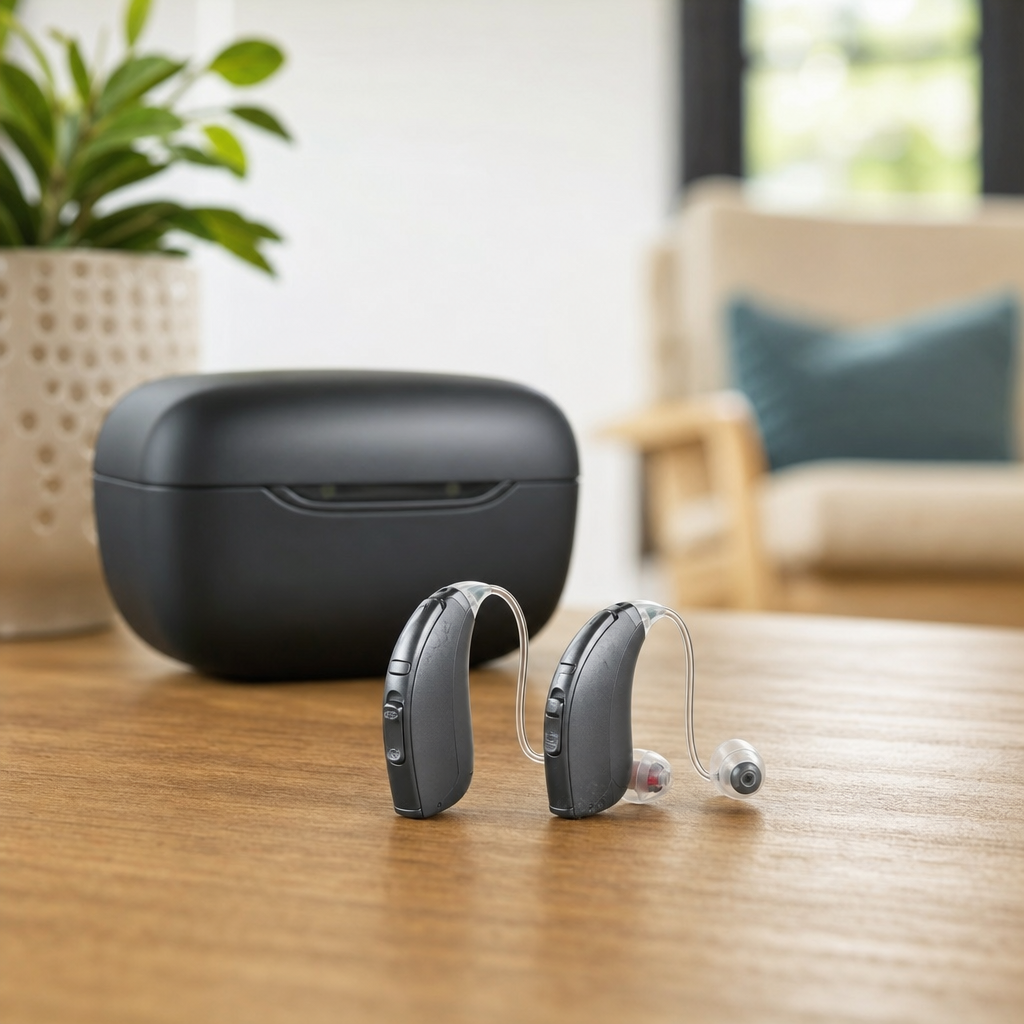
Starkey hearing aids cost depends on the device tier, fitting model, bundled services, and the clinic that sells it, so the right answer is not a single number but a pricing range tied to your hearing needs and long-term support. Starkey is one of the best-known American hearing aid manufacturers, with products that span entry-level prescription devices through premium rechargeable instruments with advanced speech processing, Bluetooth streaming, tinnitus features, and fall detection in selected models. For shoppers trying to compare brands, understand insurance coverage, or decide whether premium technology is worth the extra money, cost is usually the first question and the hardest one to answer clearly. I have worked with patients and clinics through hearing aid evaluations, and the biggest source of confusion is that people think they are buying only a tiny piece of hardware. In practice, they are often paying for a package that may include the hearing test, real-ear verification, fitting appointments, programming, follow-up care, repairs, warranty coverage, and replacement loss protection. That is why two people can buy a Starkey hearing aid and receive very different total quotes.
As a general benchmark, a pair of Starkey hearing aids purchased through a hearing care professional commonly falls somewhere between about $2,000 and $8,000 or more, with premium prescription pairs often landing in the mid to upper part of that range. Prices can vary by region, provider business model, and product family. Custom in-the-ear products, receiver-in-canal styles, and invisible models do not all cost the same, and rechargeable systems may include accessories that affect the final bill. Understanding these differences matters because hearing aids are health technology, not commodity electronics. The lowest price is not automatically the best value if the fitting is poor, while the highest price is not justified if the features do not solve your real listening problems.
This guide explains what drives Starkey hearing aids cost, what you can expect to pay for common categories, which services should be included, how insurance and financing work, and how to judge overall value. If you are researching options for yourself or a family member, this page gives you the foundation needed to compare Starkey with other hearing aid brands and ask better questions before you buy.
What Affects Starkey Hearing Aids Cost
Several factors shape Starkey hearing aids cost, and understanding them makes price quotes far easier to interpret. The first is technology level. Most major hearing aid brands, including Starkey, sell multiple performance tiers. Entry-level products generally offer basic noise reduction and directional microphone processing. Mid-tier models add stronger speech enhancement in noise, more automation, and broader environmental classification. Premium devices typically provide the most sophisticated signal processing, faster adaptation across changing listening environments, and access to top-tier feature sets such as advanced motion-based adjustments or enhanced streaming control. The more complex the processing platform, the higher the price.
The second factor is style. Receiver-in-canal devices are common because they fit a wide range of hearing losses and are easy to adjust. Behind-the-ear products for severe hearing loss may require more power and custom earmolds. In-the-ear and invisible products can carry different manufacturing costs because they are custom built from ear impressions or digital scans. Custom shells, faceplates, and discreet form factors often change pricing.
Third, bundled clinical care has a major effect on cost. In many private practices, the quoted price includes diagnostic evaluation, fitting, programming, verification with real-ear measurements, routine cleanings, follow-up visits, and warranty administration. In a lower-cost or unbundled model, the hardware price may look more attractive at first, but each visit is billed separately. I have seen patients save money upfront and then spend more later because they needed several paid adjustments during the first year.
The fourth factor is warranty and service protection. Starkey products are usually sold with manufacturer warranties, but the exact length can vary by model and clinic package. Some providers include loss and damage replacement coverage, charger replacement policies, or loaner devices during repairs. Those benefits have real value and should be weighed against the sticker price.
Typical Price Ranges by Category
Although published prices are limited because hearing aids are often sold through clinics rather than direct retail channels, shoppers can still use realistic category ranges. For a pair of entry-level Starkey prescription hearing aids, many buyers will see quotes roughly in the $2,000 to $3,500 range. Mid-level pairs often fall between about $3,500 and $5,500. Premium pairs can run from around $5,500 to $8,000 or more, especially when bundled with multiyear follow-up care and premium accessories. Single-device pricing is sometimes available for people with one-sided loss, but many people need two aids for best speech understanding and sound localization.
Style also changes the estimate. A rechargeable receiver-in-canal pair may be priced differently from a custom in-the-ear pair because the production process and components differ. Invisible or nearly invisible products can be attractive for cosmetic reasons, but they may not suit every hearing loss and sometimes involve tradeoffs in battery size, wireless features, or microphone placement. Larger behind-the-ear devices may look less discreet yet provide more power, easier handling, and longer battery life.
Here is a practical comparison framework that reflects what buyers commonly encounter when discussing Starkey hearing aid prices with clinics:
| Category | Typical Pair Price | Who It Often Fits Best | Common Inclusions |
|---|---|---|---|
| Entry level | $2,000 to $3,500 | Quieter lifestyles, budget-focused buyers, mild to moderate hearing loss | Basic noise reduction, standard warranty, limited accessories |
| Mid level | $3,500 to $5,500 | Mixed environments, active social use, stronger speech support needs | Improved directionality, rechargeability on some models, broader app control |
| Premium | $5,500 to $8,000+ | Frequent restaurant use, meetings, travel, demanding sound environments | Top processing features, advanced wireless tools, longer service packages |
These ranges are not official manufacturer list prices, and that distinction matters. A hospital audiology department, independent clinic, ENT practice, or large retail network may each quote Starkey hearing aid cost differently because they package care differently. Always ask whether the number is per device or per pair and whether follow-up visits are included.
What You Are Actually Paying For
When evaluating Starkey hearing aids cost, separate the physical device from the professional service model. The hardware itself includes microphones, amplifiers, receivers, onboard chips, wireless radios, and power systems packed into a very small housing. But hearing aid success depends heavily on personalization. A proper fitting starts with a diagnostic hearing test, a case history, and an assessment of listening goals. The clinician then selects the correct power level, acoustic coupling, venting, and physical style. After that comes programming based on your audiogram and, ideally, real-ear measurement.
Real-ear measurement is one of the most important quality markers in hearing care. It uses a probe microphone in the ear canal to verify that the hearing aid is meeting a validated prescription target such as NAL-NL2. This step reduces guesswork and improves outcomes. Yet not every provider performs it routinely. I strongly recommend asking about it because two identical Starkey devices can perform very differently depending on how accurately they are fitted.
You may also be paying for adjustment visits over several weeks or months. New wearers often need fine-tuning for own-voice comfort, background noise tolerance, television listening, or Bluetooth setup. Seniors with dexterity challenges may need coaching on insertion, charger use, wax guard replacement, and app controls. Family counseling can also matter because hearing rehabilitation works better when communication habits improve at home.
Repairs, cleanings, firmware updates, earmold changes, and retesting may also be bundled. When a quote looks high, review what is included before dismissing it. A transparent provider should be able to itemize the services and explain the aftercare schedule clearly.
Insurance, Medicare, Financing, and HSA Options
Insurance coverage for Starkey hearing aids cost varies widely. Traditional Medicare generally does not cover routine hearing aids, although it may cover diagnostic hearing exams ordered for medical evaluation. Medicare Advantage plans sometimes include hearing benefits through third-party administrators or network arrangements, but the allowance, brand access, and clinic choice can be limited. Some plans provide a fixed dollar benefit, while others offer discounted pricing through contracted providers.
Private insurance is inconsistent. Employer plans may offer no hearing aid benefit, a modest allowance every few years, or partial reimbursement if the provider is in network. Medicaid coverage depends on the state and often differs for children and adults. Veterans may qualify for hearing aids through the Department of Veterans Affairs if eligibility rules are met, and that route can be significant because it often includes devices and follow-up care.
For many buyers, health savings accounts and flexible spending accounts are practical tools. Hearing aids, batteries, chargers, and related audiology services are generally eligible medical expenses. Financing is also common. Clinics may offer monthly payment plans directly or through lenders such as CareCredit. Spreading the cost over 12 to 36 months can make a better technology tier more realistic, but compare the interest rate and total repayment amount carefully.
If your budget is tight, ask whether the clinic has previous-generation Starkey models, demonstration units, unbundled service plans, or lower-tier alternatives that still meet your hearing profile. Good providers will help you balance performance and affordability rather than pushing the most expensive option automatically.
How Starkey Compares on Value
Starkey competes with other major hearing aid manufacturers on innovation, style range, and custom product depth. In practical terms, value comes down to how well a device matches your hearing loss, lifestyle, and dexterity needs. Starkey is often considered strong in custom hearing aids and has invested heavily in app-based controls, health-oriented features, and speech enhancement technologies. For some users, these features justify a premium quote. For others, especially those who spend most of their time in quiet environments, a lower-tier option may perform just as well day to day.
Compared with over-the-counter hearing aids, prescription Starkey devices usually cost more but offer greater fitting precision, more customization, and access to professional verification. OTC products can be helpful for adults with perceived mild to moderate hearing loss, especially if cost is the barrier preventing any action. However, they are not a substitute for a comprehensive evaluation when hearing loss may be asymmetric, rapidly changing, medically related, or more severe than expected.
The main lesson is simple: judge Starkey hearing aids cost by outcome, not price alone. Ask for a written quote, confirm included services, request real-ear verification, compare technology tiers based on your actual listening environments, and use any available insurance or tax-advantaged funds. If you are ready to start, schedule a hearing evaluation and get two detailed estimates so you can compare value with confidence.
Frequently Asked Questions
How much do Starkey hearing aids typically cost?
Starkey hearing aids do not have one universal price because the final cost depends on several factors, including the technology level you choose, whether you need one hearing aid or two, the style of the device, and what services are included by the hearing care provider. In general, Starkey products are often priced in a range that starts in the lower thousands for more basic prescription models and can rise into the premium range for advanced devices with more sophisticated sound processing, rechargeable batteries, Bluetooth streaming, tinnitus support, and safety features such as fall detection on selected models.
It is also important to understand that when people compare hearing aid prices online, they are often comparing very different things. One clinic may quote a lower upfront number for the devices only, while another may provide a bundled price that includes the hearing exam, custom fitting, programming, follow-up visits, cleanings, adjustments, warranty coverage, and loss-and-damage protection. That is why the best way to think about Starkey hearing aids cost is as a pricing range tied to your hearing needs and the level of support you want over time, rather than a single sticker price.
Why can the price of Starkey hearing aids vary so much from one clinic to another?
Pricing can vary because hearing aids are not simply off-the-shelf electronics. They are medical devices that need to be selected, programmed, and fine-tuned to your specific hearing loss, lifestyle, and listening goals. Different clinics structure their pricing differently. Some use a bundled model that includes most services for a set period, while others separate the cost of the device from professional care and charge for appointments, adjustments, and maintenance as needed. As a result, two quotes for the same Starkey model can look very different even if the product itself is similar.
Another reason for price variation is provider expertise and service level. A practice that offers extensive real-ear verification, personalized counseling, multiple follow-up visits, remote support, and long-term maintenance may charge more than a seller offering a more limited fitting experience. Location also matters, since clinic overhead, regional pricing, and local market competition can affect the final quote. The most useful comparison is not just the device cost, but the total value of what you receive before, during, and after the fitting.
What features make premium Starkey hearing aids cost more?
Higher-tier Starkey hearing aids typically cost more because they include more advanced hardware and software designed to improve hearing performance in a wider range of real-world situations. Premium models may offer stronger speech enhancement in background noise, faster and more precise automatic adjustments, better sound quality in complex environments, and more seamless transitions between quiet and noisy spaces. These upgrades can be especially helpful for people who spend a lot of time in restaurants, group conversations, meetings, places of worship, or outdoor settings where listening conditions change constantly.
Premium Starkey devices may also include convenience and lifestyle features that increase overall value. Depending on the model, these can include rechargeable batteries, Bluetooth connectivity for calls and media streaming, smartphone app controls, tinnitus relief features, health and wellness tracking, and fall detection in selected instruments. Not every wearer needs every feature, so paying more only makes sense if those capabilities match your daily listening challenges and priorities. For some users, a mid-level model delivers the best balance of performance and cost.
Are Starkey hearing aids worth the cost?
For many people, Starkey hearing aids are worth the investment when the devices are well matched to their hearing loss and fitted properly by a qualified professional. Starkey is a well-known American hearing aid manufacturer with a broad product lineup, which means there are options for people who want a more budget-conscious prescription device as well as those looking for premium technology. The value comes not only from the hearing aid itself but from how well it helps you understand speech, stay engaged socially, reduce listening fatigue, and improve day-to-day quality of life.
That said, “worth it” depends on your expectations, communication needs, and the care model attached to the purchase. A hearing aid that costs more but includes expert fitting, multiple follow-up visits, and long-term support may provide better results than a cheaper option with minimal service. If you are considering Starkey, the smartest approach is to evaluate the total package: device performance, warranty, trial period, provider expertise, future adjustments, and how the technology fits your lifestyle. A lower price is not always the better value if it leads to less support or a poorer listening experience.
How can I get the best price on Starkey hearing aids without sacrificing quality?
The best way to get a strong value is to start with a professional hearing evaluation and then ask for recommendations based on your actual hearing profile, not just the most advanced product in the catalog. In many cases, a mid-tier Starkey device can meet your needs very well at a lower cost than a flagship model. Be clear about where you struggle most, whether that is conversations at home, phone calls, TV listening, background noise, or all-day wear. That information helps the provider recommend technology that is appropriate instead of overselling features you may rarely use.
It is also wise to compare quotes from reputable clinics and ask exactly what is included. Request details on the fitting model, programming, follow-up care, warranty terms, trial period, loss-and-damage coverage, and whether future cleanings or adjustments are covered. Ask about financing, promotional events, manufacturer rebates, and any insurance or hearing benefits you may have. The goal is not to find the absolute lowest number, but to find the best overall combination of device quality, clinical support, and long-term satisfaction. With hearing aids, the ongoing care you receive is often a major part of what you are paying for, and it can make a meaningful difference in the outcome.