
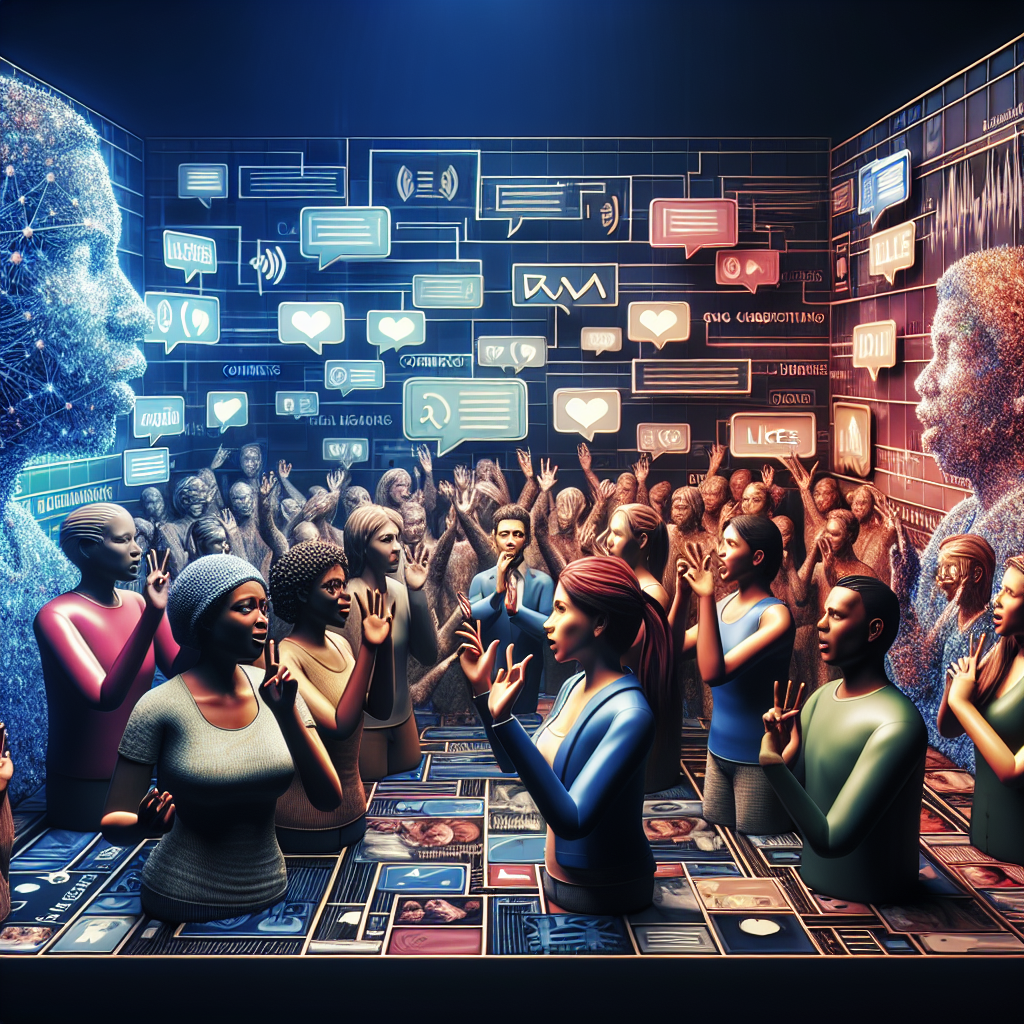
The digital era has ushered in an unprecedented opportunity for diverse voices to be heard, none more powerful for the Deaf community than the role of influencers in promoting deaf awareness online. As influencers harness vast online platforms to amplify messages of inclusivity and representation, they bridge a crucial gap between the deaf and hearing worlds. This movement not only raises awareness about the challenges faced by those who are deaf or hard of hearing but also celebrates their culture, achievements, and contributions to society. In recent years, social media influencers have emerged as pivotal figures in reshaping perceptions and driving societal change through artistic expression, media representation, and personal testimony, making deaf awareness more accessible and engaging for the general public.
Introduction to Deaf Awareness and Online Platforms
Deaf awareness is a necessary component of fostering inclusivity and empathy within society. As mainstream media continues to evolve, digital platforms have become vital in disseminating knowledge and understanding about the Deaf community. Historically, traditional media has often failed to adequately represent or engage with deaf issues, pushing the narrative that resonates more with the majority hearing populace. However, online platforms like YouTube, Instagram, and TikTok have provided an open stage for the Deaf community to present their stories unfiltered and on their terms.
Through these platforms, influencers use creative storytelling, sign language content, and personal experiences to inform and educate their followers. Their reach is vast, speaking directly to not only the Deaf community but also to hearing individuals interested in learning and supporting the cause of deaf awareness. This dual approach helps to foster understanding across different communities, eradicate stereotypes, and challenge ableist attitudes. Moreover, the accessibility of online platforms allows influencers to utilize tools such as subtitles, sign language interpretations, and audio descriptions to broaden their audience’s reach, ensuring inclusivity in their message delivery.
The Influence of Art in Raising Awareness
Art has always been a powerful medium for expression and change, and this is no different when it comes to raising deaf awareness. Influencers in the arts, particularly those who are part of the Deaf community, are breaking barriers by creating art that expresses the unique experiences and culture of being deaf. These artworks may range from visual arts, such as painting and sculpture, to performing arts, like dance and theatre.
Online art platforms and social media have made it easier than ever for Deaf artists to showcase their work, reaching audiences worldwide. These works often challenge misconceptions about the Deaf community, celebrate Deaf culture, and provide insight into the deaf experience. Influencers in this field utilize hashtags and collaborative online projects to engage with a wider audience, encouraging dialogue and interaction. Such engagement helps in normalizing sign language and other aspects of Deaf culture in the mainstream, thereby promoting a more inclusive and aware society.
Media Representation: Strength in Diversity
Media representation plays a critical role in shaping societal attitudes and conversations about different communities. Influencers who focus on media representation within the Deaf community are using their platforms to critique and call for more authentic representations in films, television, and online content. Historically, representation of the Deaf community in media has been limited and often fraught with stereotypes. Deaf characters are frequently portrayed through a narrow lens, with their narrative often reduced to their disability alone.
Today’s influencers are pushing back against such portrayals, offering instead a more nuanced and accurate depiction of deafness as a complex identity that intersects with other facets of an individual’s life, such as ethnicity, gender, and personal interests. They advocate for casting deaf actors in deaf roles and encourage productions to consult with Deaf advisors to ensure accuracy and authenticity. By holding media accountable and providing feedback and alternatives, influencers are gradually shifting the landscape toward one where representation is reflective of real deaf experiences.
The Role of Technology in Amplifying Deaf Voices
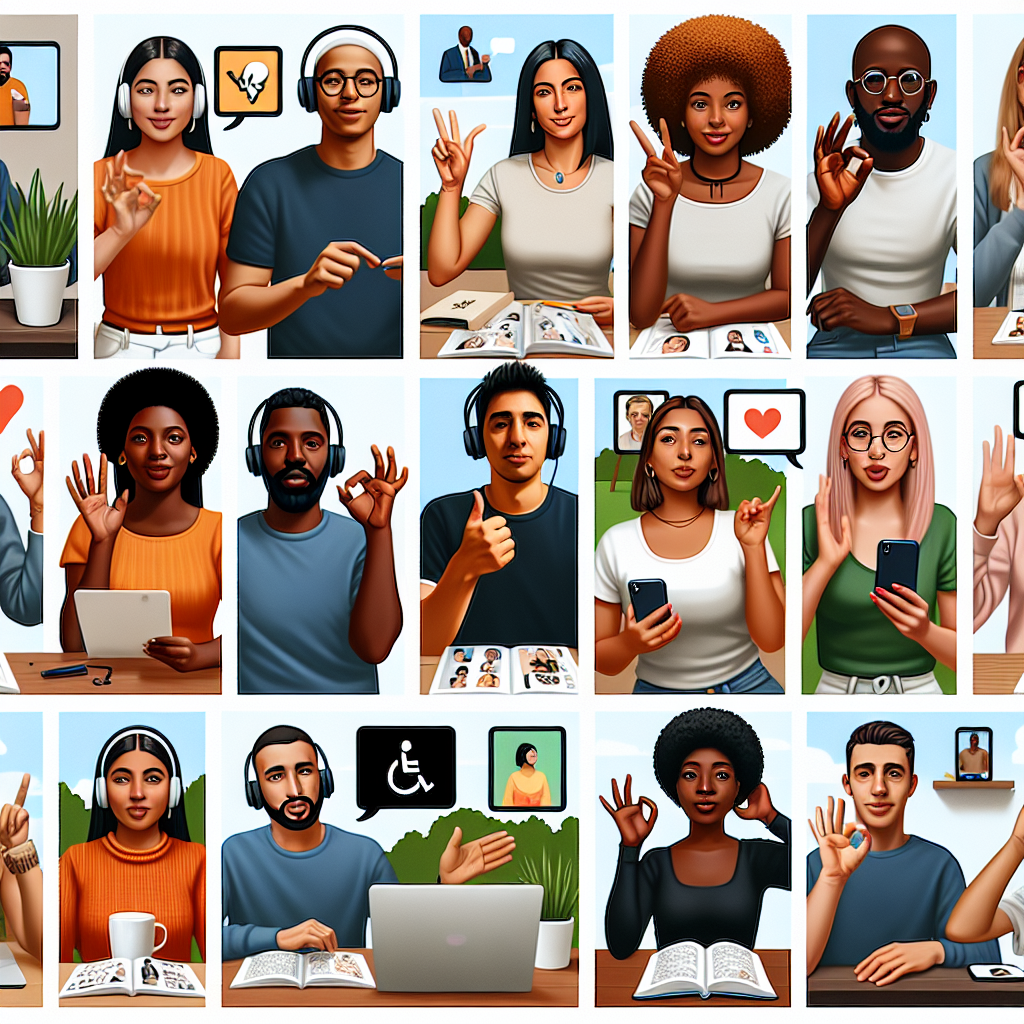
Technology has been an invaluable ally in the promotion of deaf awareness. The advent of assistive technologies, coupled with enhanced mainstream tools, has significantly improved communication for Deaf individuals online. Influencers often showcase how these tools aid in their everyday lives and contribute to their digital content creation. Platforms such as YouTube have built-in captioning services, while other social media sites allow integration of text and video descriptions to make content accessible to all.
In effect, these technologies have democratized the ability to create and disseminate content. Deaf influencers can now engage with a global audience, leading discussions on important issues such as digital accessibility, sign language recognition, and the social model of disability. This empowerment not only benefits the Deaf community but also educates hearing audiences, showing the importance and feasibility of making tech accessible to everyone.
Personal Testimonies: Power of Storytelling
The personal stories shared by influencers can be incredibly impactful in promoting deaf awareness. By sharing their unique journeys and experiences living as Deaf individuals, they are able to humanize the challenges and triumphs of the Deaf community. These stories often touch on topics such as accessibility issues, discrimination, and personal achievements, offering a rich tapestry of experiences that many hearing individuals may never encounter in their day-to-day lives.
This honest and often intimate sharing promotes empathy and understanding, dismantling preconceived notions about the Deaf community. It also encourages fellow Deaf individuals to share their own stories, fostering a supportive and inclusive online environment. Through personal testimonies, influencers not only raise awareness but also build a sense of community that extends beyond digital borders, uniting people from all walks of life in shared advocacy and learning.
Conclusion: The Ongoing Task of Promoting Deaf Awareness
The role of influencers in promoting deaf awareness online is both significant and evolving. As the digital landscape continues to change, so too will the strategies used to foster inclusivity and representation for the Deaf community. Influencers will remain at the forefront of these efforts, using their platforms to challenge, educate, and inspire audiences around the world. Their contributions are crucial in reshaping societal norms and ensuring that the voices of the Deaf community are not only heard but also celebrated.
While great strides have been made, the journey towards widespread deaf awareness and acceptance is ongoing. Continuous engagement with media, technology, and personal storytelling will be necessary to maintain momentum and push for further inclusivity. It is through these continued efforts that society can become more understanding, accepting, and supportive of the rich diversity within the Deaf community.