
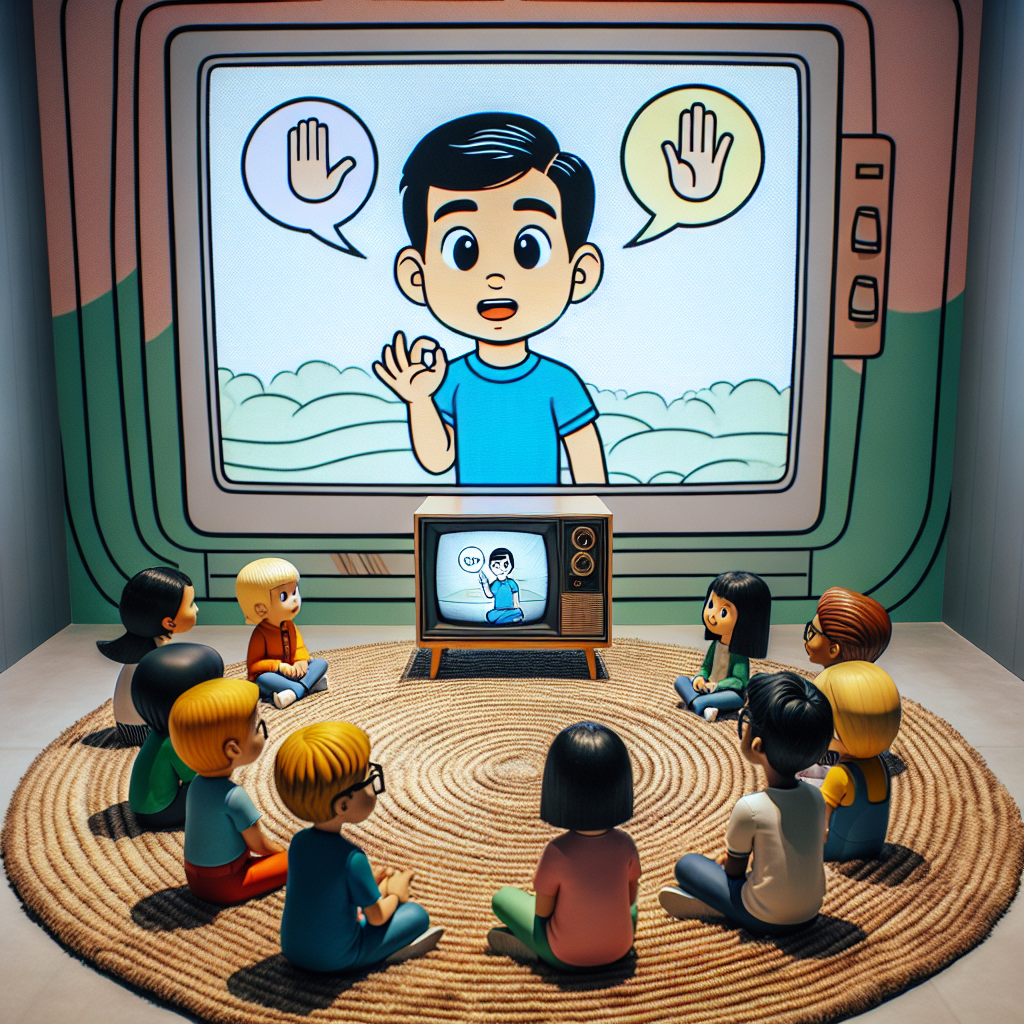
Deaf awareness has increasingly become a pivotal topic in today’s society, aiming to dismantle stereotypes and foster inclusivity. One crucial facet of this movement is the representation of Deaf characters in media, particularly in cartoons. This portrayal influences public perception, builds empathy, and instills a sense of belonging within young Deaf audiences. Unfortunately, representation in media has been scarce and often riddled with inaccuracies. Historically, Deaf characters were portrayed either as victims of their condition or as individuals endowed with extraordinary abilities solely because of their deafness. Such archetypal depictions do not cater to the nuanced reality faced by members of the Deaf community. This article explores the significance of their representation in cartoons, investigates the current landscape, and considers the broader impact of visibility on societal attitudes.
The Impact of Media Representation on Perception
Media, in all its forms, serves as a powerful social tool that molds perceptions and attitudes. Cartoons, with their ability to simultaneously entertain and educate, play a significant role in shaping the viewpoints of young audiences. When Deaf characters are authentically represented, it creates an environment where children learn about diversity, inclusion, and empathy from an early age. Representation can mitigate misconceptions about Deafness, transforming how both young people and adults understand and interact with those who are Deaf or hard of hearing.
Furthermore, cartoons provide a platform where children can see themselves reflected in the characters, affirming their own experiences and identities. For Deaf children, seeing characters who use sign language, face challenges related to hearing impairment, and navigate the world as they do is not just validating—it is essential for their social and emotional development. They learn to take pride in their identity instead of feeling marginalized.
The State of Deaf Representation in Cartoons
Despite the immense impact media representation holds, Deaf characters in cartoons are few and far between. Iconic characters like Beethoven from “Beethoven the Dog” or Phillip from “Thomas the Tank Engine” have had their stories told, albeit rarely. While laudable, these instances often fail to encompass the varying facets of Deafness and the richness of Deaf culture.
A few recent efforts, however, are making strides towards better representation. Shows like “Sesame Street” with the introduction of Julia, a hearing-impaired character, are important steps forward. Initiatives like these serve as commendable examples for future direction, offering multi-dimensional portrayals which honor the real-life experiences of Deaf individuals. They also encourage producers and content creators to include diversity not just as a token gesture, but as a genuine reflection of the world around us.
The Role of Intersectionality in Deaf Representation
Understanding the importance of representation requires a look at intersectionality—how various social identities, such as race, gender, and disability, intersect. For Deaf individuals, this means acknowledging that their experiences are not homogenous. Representation should extend beyond single-issue depictions to encompass a plethora of identities and experiences that members of the Deaf community encounter.
Cartoons like “The Loud House,” which features a character with two Deaf lesbian mothers, exemplify how intersectional stories can be depicted in a way that is both authentic and relatable. By marrying the Deaf identity with other aspects of diversity, media becomes a transformative space where multiple experiences coexist. This approach not only enriches the narrative but also broadens the scope through which audiences engage with diverse life experiences.

Challenges in Accurate Depiction and Steps Towards Improvement
The complexity of accurately portraying Deaf characters presents a range of challenges. Issues arise from a lack of understanding and involvement from the Deaf community in the creation process. To address this, media producers must adopt a more inclusive approach, engaging with Deaf writers, consultants, and actors from the project’s inception. This collaboration ensures accuracy, authenticity, and respect for the culture and language unique to Deaf individuals.
Further steps towards improvement include committing to ongoing education for storytellers and creators, promoting inclusivity in casting decisions, and investing in storylines that feature Deaf characters in diverse roles. Such initiatives not only improve representation but shift the dynamic, fostering a media landscape that celebrates rather than marginalizes Deaf culture.
The Influence of Representation Beyond the Screen
The influence of seeing Deaf characters in cartoons extends beyond entertainment. Positive representation can effectuate change in educational settings, workplaces, and social interactions. Educational forums can use cartoons as a springboard for discussions on inclusion and diversity. Employers can gain insights on how to support Deaf individuals, using examples from media to bolster accessibility and understanding within their workforce.
Representation can also empower Deaf students to pursue careers in media, offering them the mentorship and visibility needed to tell their own stories. By shaping a future that values diverse voices, media can be a catalyst for widespread societal change. It encourages a shift from passive consumption to active engagement and advocacy for the rights and needs of the Deaf community.
Conclusion
The representation of Deaf characters in cartoons holds profound significance, impacting individual self-perception and broader societal attitudes. As we continue to cultivate an understanding of Deaf culture and identity, these portrayals become critical tools for empathy, education, and change. By challenging stereotypes and advocating for diverse stories, cartoons can create a sense of belonging and understanding among all viewers.
The media industry has the responsibility and the opportunity to foster an inclusive, diverse narrative landscape. But this responsibility also demands action—from creating roles that accurately reflect Deaf stories to including Deaf professionals in all aspects of production. By doing so, we can ensure that all children, regardless of their hearing abilities, grow up with narratives that reflect their experiences and aspirations. The future holds promise, and with conscientious efforts, cartoons can be a vibrant reflection of the diverse, multifaceted world that we inhabit.