
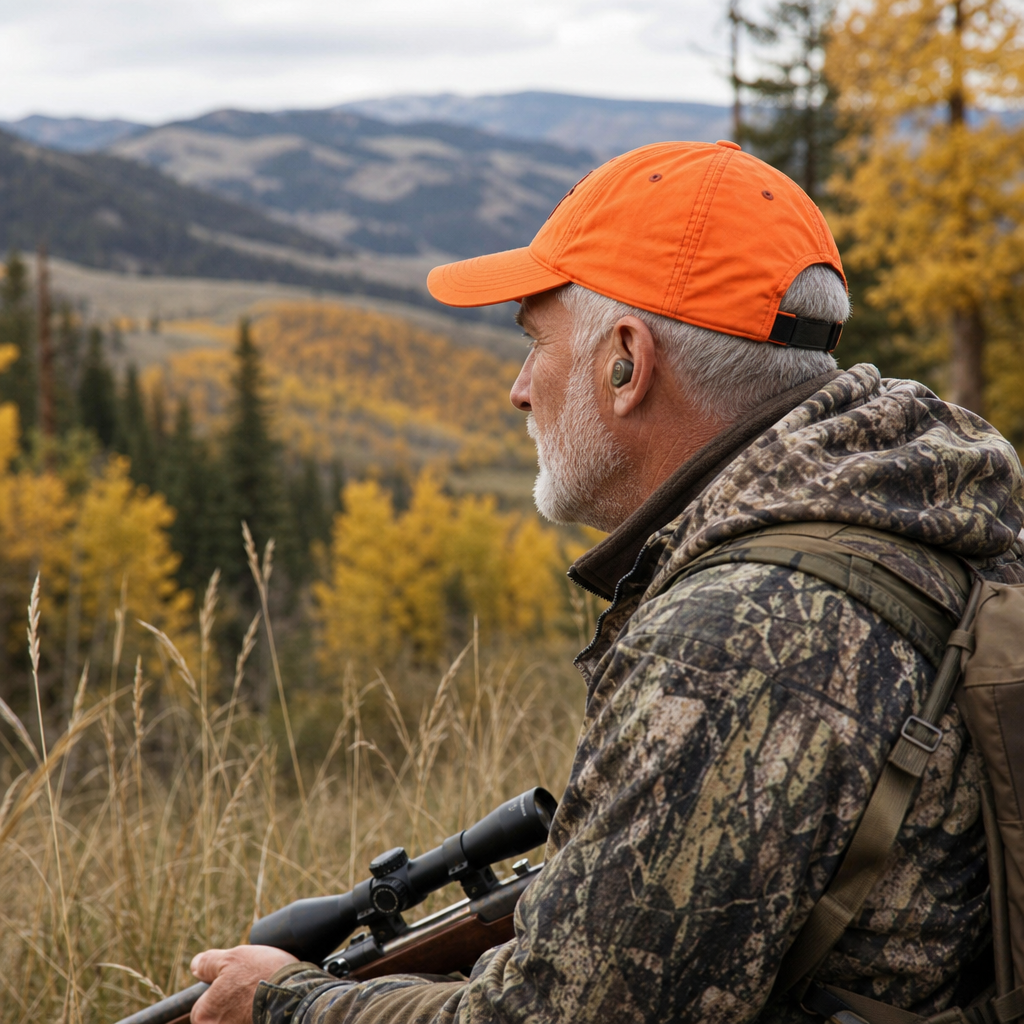
Hunting hearing aids help shooters protect their ears while preserving the ability to hear speech, movement, and environmental cues that matter in the field. In simple terms, they combine selective amplification with rapid sound suppression, reducing dangerous impulse noise from rifles and shotguns without shutting out the world. That distinction matters because traditional foam plugs block too much detail, while untreated exposure to gunfire can cause permanent noise-induced hearing loss and tinnitus. I have fitted and tested hearing devices for people who spend long days at the range, in duck blinds, and in deer stands, and the same pattern appears every season: hunters want protection, but they also want situational awareness. The best hunting hearing aids are designed to deliver both.
Understanding the category starts with a few key terms. Impulse noise is the sudden, high-intensity sound produced by a firearm discharge, often exceeding 140 dB at the ear, which is enough to damage hearing instantly. Compression or sound processing refers to the circuitry that reduces loud sounds while keeping softer sounds audible. Directional microphones help users identify where a sound is coming from, which is critical when tracking game or communicating safely with partners. Some products are medical-grade hearing aids programmed by an audiologist, while others are electronic shooting ear protection sold over the counter. The right choice depends on whether the user has diagnosed hearing loss, what game they hunt, how often they shoot, and whether they need all-day comfort in cold, wet, or windy conditions.
This guide to hunting hearing aids matters because hearing loss is common among hunters, and the buying process is often confusing. Marketing claims blur the line between hearing aids, amplifiers, and hearing protection, yet the practical differences are significant. A hunter with mild high-frequency hearing loss may benefit from custom-programmed devices that improve speech understanding and environmental detail. Another hunter with normal hearing may only need electronic earmuffs or in-ear protection with fast attack time and dependable wind management. Cost also varies widely, from basic range protection to premium rechargeable systems with telecoil, Bluetooth streaming, multiple listening programs, and moisture-resistant housings. A clear hub article should explain the landscape, highlight tradeoffs, and help readers decide what to explore next.
What hunting hearing aids are and who should use them
Hunting hearing aids are hearing devices or hearing-protection systems adapted for firearm use and outdoor listening. The phrase usually covers three product types: medical hearing aids with impulse-noise management, personal sound amplification products with limited protection features, and electronic hearing protection such as active earmuffs or in-ear buds. If you already have hearing loss confirmed by an audiogram, start with a licensed audiologist or hearing instrument specialist who understands shooting sports. A programmed hearing aid can be tuned to your thresholds, your dominant shooting side, and your typical environments, such as timber, open fields, or indoor ranges. If you do not have hearing loss, purpose-built electronic protection is usually the safer and more cost-effective option.
Not every hearing aid is suitable for hunting. Standard open-fit devices can amplify useful sound, but they may not provide adequate impulse protection by themselves. Some manufacturers offer dedicated shooting or impulse programs that reduce gain quickly when they detect a gunshot. Even then, many clinicians recommend combining them with additional protection, especially for repeated fire, magnum calibers, or enclosed shooting positions like blinds. In my experience, users do best when they treat hunting hearing aids as part of a broader hearing conservation plan, not as a magic fix. Fit, programming, seal quality, and the type of firearm all influence real-world performance.
How firearm noise damages hearing
Gunfire is different from steady workplace noise because it is impulsive, extremely fast, and often intense enough to injure the inner ear from a single exposure. A centerfire rifle, shotgun, or pistol can generate peak levels above the threshold commonly associated with immediate risk. The cochlea contains delicate hair cells that do not regenerate in humans, so once they are damaged, the resulting hearing loss is permanent. Hunters often first notice trouble with speech clarity, especially consonants such as s, f, th, and k, or with ringing in quiet rooms after a day afield. By the time those symptoms become obvious, damage has usually accumulated over years.
Several field conditions make firearm noise worse. Short barrels, muzzle brakes, indoor ranges, vehicle cabs, box blinds, and reflective surfaces increase the amount of sound energy that reaches the ear. Left-handed and right-handed shooters can show asymmetrical loss because the ear opposite the stock often receives a different exposure pattern. Waterfowl hunters may underestimate risk because shots are spaced out, yet repeated volleys still add up over a season. Youth shooters are especially important to protect because early damage affects hearing for life. The practical takeaway is straightforward: if you shoot, you need protection every time, including for a single sight-in round.
Features that matter most in hunting hearing aids
When comparing hunting hearing aids, focus on performance characteristics rather than advertising language. Attack time is the speed at which the device reduces loud input; faster is better for impulse noise. Recovery time is how quickly normal amplification returns after the shot; too slow, and environmental awareness feels unnatural. Directionality matters because hunters rely on localization to identify game movement and partner positions. Wind noise management is crucial for stand hunting, upland hunting, and open-country shooting, where microphones can become overloaded by airflow. Feedback control is also important, especially when hats, collars, or gunstocks sit close to the microphones and create squeal.
Fit and sealing deserve equal attention. Behind-the-ear devices can work well, but they may interfere with cheek weld on some stocks. Receiver-in-canal designs are discreet and comfortable, yet open domes usually protect less than custom earmolds. Custom in-the-ear products often give the best combination of retention, seal, and low-profile use under hats or muffs. Battery strategy matters in the field too. Rechargeable systems are convenient, but a long backcountry day requires confidence in runtime and charging access. Disposable zinc-air batteries are easy to swap, though cold weather can reduce performance. Look for an ingress protection rating, hydrophobic coating, and wax-management design if you hunt in rain, marsh, or dusty conditions.
| Option | Best for | Main strengths | Main limits |
|---|---|---|---|
| Medical hearing aids with shooting program | Hunters with diagnosed hearing loss | Custom programming, speech clarity, directional microphones | Higher cost, may still require extra protection for repeated fire |
| Electronic in-ear protection | Hunters with normal hearing wanting awareness | Low profile, good localization, easier under hats | Fit varies, battery life differs widely |
| Electronic earmuffs | Range use and maximum simple protection | Higher attenuation, easy controls, strong value | Bulkier, can interfere with gunstock and field movement |
Medical hearing aids versus electronic hearing protection
This is the comparison that confuses most buyers. Medical hearing aids are prescribed or professionally fitted devices meant to compensate for hearing loss across frequencies. They are built to improve communication and listening comfort, and some include impulse-noise features useful for hunting. Electronic hearing protection, by contrast, is primarily designed to reduce hazardous noise while letting softer sounds pass through microphones and speakers. If your hearing is normal, using a medical hearing aid simply to hunt is usually the wrong path. You would be paying for audiological customization you do not need and may still not receive the level of protection required for sustained shooting.
If you do have hearing loss, the decision becomes more nuanced. A premium hearing aid from brands such as Phonak, Oticon, Starkey, Signia, ReSound, or Widex may deliver excellent speech understanding and environmental detail, especially when programmed with custom compression settings and paired with earmolds. However, no brand should be chosen on name alone. Real success depends on your audiogram, ear canal anatomy, dexterity, firearm setup, and realistic expectations. For some users, the best solution is dual protection: hearing aids for the hunt itself when shots are limited, and electronic muffs or plugs for range sessions and sight-in work. That hybrid approach is common because it balances hearing access with stronger attenuation when exposure is repeated.
How to choose the right setup for your hunting style
Your ideal setup depends on what, where, and how you hunt. Deer hunters sitting quietly in a stand usually prioritize comfort, long battery life, wind control, and the ability to hear faint movement at distance. Waterfowl hunters need moisture resistance, secure retention, and enough suppression to handle multiple shots in close succession. Upland hunters often want light, low-profile devices that do not interfere with hats or shoulder mounts during fast shots. Turkey hunters benefit from precise localization because they must judge direction from subtle calls. Range shooters, instructors, and anyone practicing often should lean toward devices with higher certified attenuation or combine in-ear and over-ear protection.
There is also a fit question tied to the firearm itself. Shotgun stocks and rifle cheek weld can displace bulkier devices, especially large behind-the-ear housings. I have seen hunters solve this by moving to custom in-ear products or by changing stock comb height and using thinner temple eyewear. Left-handed shooters should test devices while mounting the firearm, not just while standing in a clinic or store. If you wear glasses, hats, face coverings, or heavy collars, bring them to the fitting. Small details change acoustic performance and comfort more than buyers expect, and the only meaningful test is the one that reflects your real field conditions.
Fitting, programming, and maintenance in the field
A proper fitting starts with hearing evaluation, discussion of your hunting environments, and realistic programming goals. For medical devices, best practice includes real-ear measurement, which verifies that the output in your ear canal matches the intended prescription. That matters because software defaults are not enough, especially when impulse handling and outdoor speech understanding are priorities. Ask whether your provider can create separate programs for general conversation, wind-heavy outdoor use, and shooting. Some users do well with lower gain in low frequencies to reduce rustle and wind while preserving high-frequency access for speech and game sounds. Program switching should be simple enough to manage with gloves.
Maintenance is not glamorous, but it determines whether hunting hearing aids remain reliable. Moisture, cerumen, dust, and temperature swings are the enemies. Use a drying kit or electronic dehumidifier after wet outings. Replace wax guards and domes on schedule. Inspect microphone ports for debris after dusty hunts or time on an ATV. If your devices use rechargeables, top them off before every trip and carry a power bank if the charger supports it. If they use disposable batteries, carry spares in a waterproof container and warm them in a pocket in freezing conditions. At least annually, have the devices cleaned and checked, because declining performance is often caused by blocked ports or degraded receivers rather than by a failed processor.
Costs, limitations, and smart buying advice
Price ranges are wide because this category includes both consumer protection products and medical hearing technology. Basic electronic earmuffs can cost less than a box of premium ammunition, while custom-programmed hearing aids can run into the thousands per pair. That does not mean expensive is always better. The right benchmark is suitability for your hearing, your shooting volume, and your environment. If you have never had a hearing test, paying for premium devices before getting an audiogram is poor sequencing. Start with diagnosis, then compare options. Ask about trial periods, return policies, repair turnaround, battery costs, firmware updates, and whether the provider has worked with hunters before.
It is also important to understand limitations. No hearing device can restore normal hearing in every condition, and no amplification system makes gunfire safe without regard to fit and exposure. Wind remains challenging for every brand. Localization can improve dramatically, but it may still be imperfect, especially for users with asymmetrical hearing loss or single-sided deafness. Bluetooth is convenient for phone calls and app control, yet many hunters hardly use it in the field and should not pay a premium for features they will ignore. Buy for hearing protection, speech access, and field durability first. Then, if your setup still needs refinement, explore detailed pages on custom molds, shooting programs, rechargeable versus disposable batteries, and care routines within your broader hearing aids research.
The best guide to hunting hearing aids leaves you with a practical framework rather than a brand slogan. First, protect against impulse noise every time you shoot, because permanent damage can happen from a single unprotected exposure. Second, separate medical hearing aids from electronic hearing protection, since they solve different problems and only overlap in certain cases. Third, choose features that matter in the field: fast sound suppression, useful directionality, strong wind management, secure fit, and reliable battery performance. Finally, match the device to your hunting style, firearm setup, and hearing status instead of copying someone else’s purchase. What works in a duck blind may fail in a tree stand, and what works for normal hearing may disappoint someone with high-frequency loss.
If you remember one thing, make it this: the right hunting hearing aids should let you hear more of what matters while exposing you to less of what harms you. That balance is achievable, but it comes from proper evaluation, realistic expectations, and careful fitting. Start with a hearing test if you have not had one recently, review your typical hunting conditions, and compare products based on verified function rather than marketing claims. From there, use this hub as your starting point to dig deeper into the specific topics that fit your needs, whether that means custom in-ear options, range protection, audiologist-programmed devices, or long-term maintenance. Better hearing in the field starts with a deliberate choice today.
Frequently Asked Questions
What are hunting hearing aids, and how are they different from regular hearing protection?
Hunting hearing aids are specialized hearing devices designed to do two jobs at the same time: protect your ears from harmful impulse noise, such as rifle and shotgun blasts, while still allowing you to hear the sounds that matter in the field. Unlike basic foam earplugs or passive earmuffs, which simply reduce all sound across the board, hunting hearing aids use microphones, digital sound processing, and fast-acting compression or suppression technology to manage noise more intelligently.
In practice, that means quiet and moderate sounds like conversation, footsteps in leaves, wingbeats, distant movement, or the rustle of brush can be amplified or kept clear, while dangerously loud sounds are instantly reduced to safer levels. This is especially important for hunters because success and safety often depend on situational awareness. You need to hear your surroundings, your hunting partners, approaching game, and range commands, but you also need reliable protection against repeated exposure to gunfire.
Regular hearing protection is still useful in many situations, but it tends to force a compromise between awareness and protection. Hunting hearing aids are built specifically to reduce that tradeoff. For people who already have some hearing loss, they can also make the hunting experience more accessible by improving speech clarity and environmental perception without leaving the ears unprotected during a shot.
Do hunting hearing aids actually protect against gunfire, or do they just make quiet sounds louder?
Quality hunting hearing aids are designed to do far more than amplify quiet sounds. Their core value is selective sound management. They enhance low-level environmental audio while reacting quickly to sudden high-decibel impulse noise. When a gunshot occurs, the device rapidly compresses, limits, or suppresses the sound before it reaches a damaging level at the ear. This helps reduce the risk of noise-induced hearing damage while preserving useful hearing in normal listening conditions.
That said, protection depends heavily on the product design, fit, and proper use. Not every electronic hearing device offers the same level of impulse protection, and not every model is intended for the same firearm or hunting environment. Some devices are purpose-built for field use and rated to handle sharp, high-intensity noise events, while others are better suited to lower-noise settings. A poor seal in the ear, incorrect insertion, low battery power, or using a device beyond its intended use can all reduce effectiveness.
It is also important to understand that no hearing device makes repeated gunfire harmless. Even advanced hunting hearing aids should be chosen with realistic expectations and used according to manufacturer guidelines. For high-volume shooting, indoor ranges, or magnum calibers, many shooters prefer doubling up with additional protection if the device is designed to allow for it. The best approach is to look for products specifically marketed and tested for impulse noise protection, and to use them consistently every time you shoot.
Who should consider using hunting hearing aids?
Hunting hearing aids can benefit a wide range of people, not just older hunters or those with diagnosed hearing loss. They are a strong option for anyone who wants to protect their hearing without giving up the ability to hear the environment naturally. That includes experienced hunters, occasional shooters, waterfowl hunters, upland bird hunters, big game hunters, guides, range users, and even younger sportsmen who want to prevent long-term damage before it starts.
They are especially valuable for hunters who struggle with the all-or-nothing feel of traditional ear protection. If you have ever removed foam plugs because you could not hear conversation, movement, or approaching game, you are exactly the kind of user these devices are made for. They can also be helpful for people who already notice ringing in the ears, reduced hearing after a day of shooting, or difficulty understanding speech outdoors. Those are signs your ears may already be under strain.
Hunters with existing mild to moderate hearing loss often find these devices particularly useful because they can support better hearing performance during the hunt while still reducing the impact of gunfire. In those cases, professional guidance can be worthwhile. An audiologist or hearing specialist can help determine whether a dedicated hunting model, a custom-molded electronic protector, or a hearing aid with shooting-specific features is the better fit. The right choice depends on your hearing profile, hunting style, and how much protection and amplification you need.
What features should I look for when choosing the best hunting hearing aids?
When comparing hunting hearing aids, the most important feature is reliable impulse noise suppression. The device should be specifically intended for shooting or hunting use, with technology that reacts fast enough to reduce gunfire safely and consistently. Beyond that, sound quality matters a lot. You want clear, natural amplification that helps you identify direction, distance, and subtle environmental detail rather than making everything sound artificial or overwhelming.
Fit and comfort are equally important because a device only works well if you actually wear it for the entire hunt. Look for options that stay secure during movement, shoulder mounting, hiking, and long hours outdoors. In-ear models are popular because they are low-profile and compatible with hats and cheek weld, while behind-the-ear or custom-molded designs may offer different advantages depending on your hearing needs. Battery life, weather resistance, wind noise control, and easy on-device controls also matter in real field conditions.
Other valuable features include directional microphones, multiple listening programs, adjustable volume, speech enhancement, Bluetooth connectivity, and custom fitting. Directional hearing can be especially useful when locating game or identifying where a sound is coming from. Wind management is critical for open-country hunts, where constant noise can become distracting. If you hunt in wet, cold, or dusty conditions, durability should move high on your list. Ultimately, the best hunting hearing aid balances protection, clarity, comfort, and reliability for the way you actually hunt, not just how it looks on a spec sheet.
Can hunting hearing aids help prevent long-term hearing loss and tinnitus?
Yes, using hunting hearing aids consistently can play an important role in reducing the risk of long-term noise-induced hearing loss and tinnitus, especially for hunters and shooters exposed to repeated gunfire over time. A single gunshot can reach levels high enough to damage the delicate structures of the inner ear, and that damage is cumulative. Once hearing is lost from noise exposure, it generally cannot be restored. Tinnitus, often described as ringing, buzzing, or hissing in the ears, is also commonly linked to repeated exposure to loud impulse noise.
That is why prevention matters so much. Hunting hearing aids help by reducing the intensity of dangerous sounds while still letting you stay engaged with the world around you. This makes it more likely that you will actually wear them consistently, which is one of the biggest factors in real-world hearing protection. Traditional plugs may offer excellent attenuation, but if hunters remove them because they feel isolated or cannot hear important sounds, protection breaks down at exactly the wrong time.
Still, hearing protection is just one part of a broader hearing conservation strategy. Consistent use, proper fit, routine hearing checks, and avoiding unnecessary exposure all matter. If you already experience ringing after shooting, muffled hearing, or trouble understanding speech, that is a good reason to take action now rather than later. Hunting hearing aids are not just about comfort or convenience; they are a practical tool for preserving hearing health over the long term while helping you hunt more safely and effectively.