
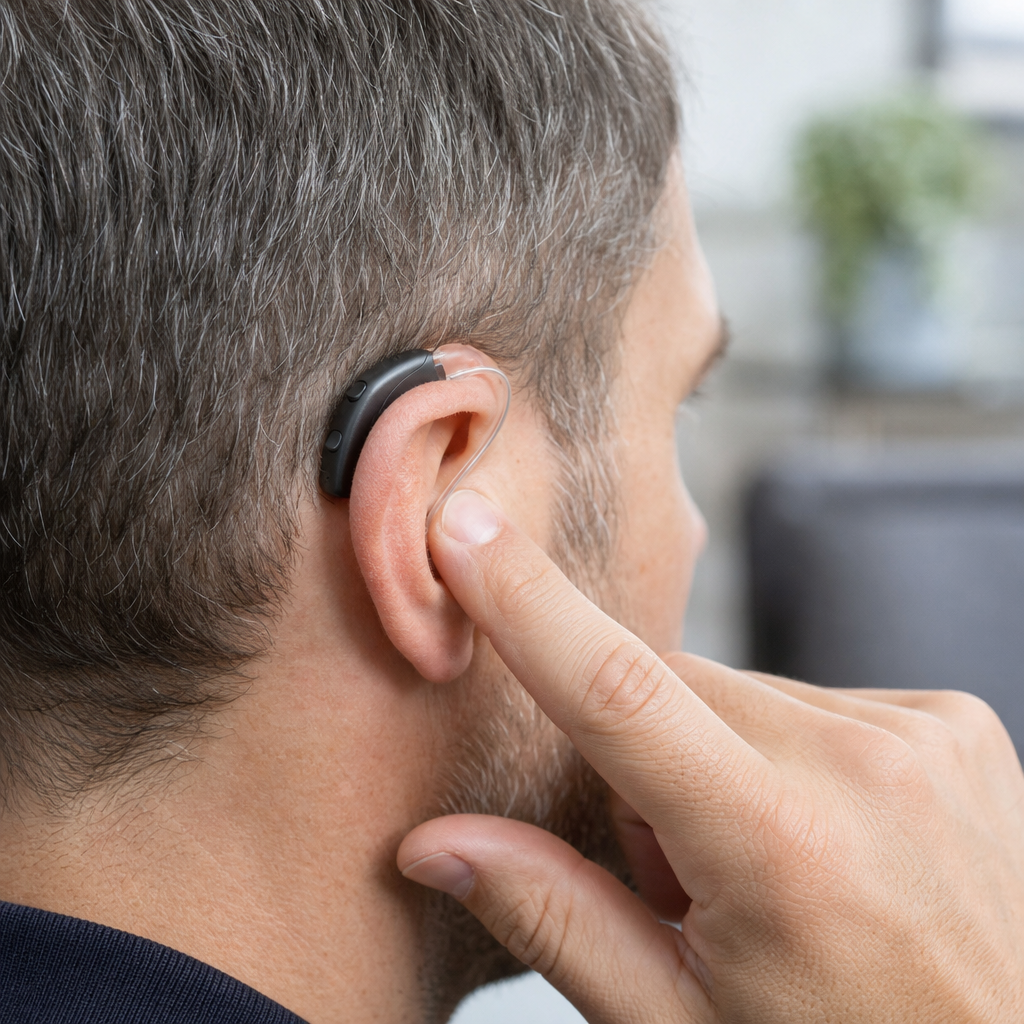
Rexton hearing aid reviews help shoppers cut through a crowded market by showing how this long-established brand performs in daily life, who it suits best, and where its strengths and limits are most noticeable. Rexton is a hearing aid manufacturer with roots in German engineering and a current product lineup built on technology closely related to Signia, with distribution often focused on hearing care clinics and select retail channels such as Costco through specific models. When people search for Rexton hearing aid reviews, they usually want answers to practical questions: Are Rexton hearing aids reliable, how much do they cost, what features do they include, and how do they compare with Phonak, Oticon, Starkey, Jabra Enhance, and prescription devices sold through big-box providers. Those are the right questions, because hearing aids are not simple electronics; they are medical devices that depend on correct fitting, ear anatomy, listening goals, and follow-up care. In clinic work, I have seen excellent hardware disappoint users because programming was rushed, and I have also seen midpriced devices succeed because expectations, earmolds, and real-ear verification were handled well. That is why a balanced Rexton hearing aid review must look beyond marketing claims and examine sound processing, fit styles, app control, battery options, durability, tinnitus tools, speech-in-noise performance, and service network. This guide covers the general picture comprehensively so readers can use it as a hub before diving into model-specific comparisons, pricing pages, fitting guides, and maintenance advice. If you want a plain answer up front, Rexton hearing aids are a credible, often good-value option that can work very well for mild to profound hearing loss, but the right outcome depends heavily on provider quality, model selection, and whether their feature set matches your real listening environments.
What Rexton Is and Where It Fits in the Hearing Aid Market
Rexton occupies the prescription hearing aid category, meaning its devices are typically selected and programmed by a licensed hearing care professional after hearing testing. The brand is part of WS Audiology’s broader ecosystem, which matters because it gives Rexton access to mature chip platforms, wireless connectivity, and fitting software informed by large-scale research and development. In practical terms, Rexton often appeals to buyers who want proven core performance without always paying flagship prices associated with more aggressively advertised premium brands. The lineup generally includes receiver-in-canal, behind-the-ear, custom in-the-ear, and rechargeability-focused options, allowing the brand to cover common hearing loss profiles from first-time users with mild sloping loss to experienced wearers needing power amplification.
One reason Rexton earns steady attention in hearing aid reviews is its reputation for durable construction and straightforward usability. Not every wearer wants the most app-heavy experience. Many older adults prioritize dependable automatic programs, clear speech, and chargers that are simple to handle. Rexton has historically done well with that audience. At the same time, newer models increasingly include Bluetooth streaming, smartphone app adjustments, rechargeable lithium-ion batteries, telecoil support in selected products, and advanced directional microphones. That combination places Rexton in the mainstream premium prescription market rather than the budget over-the-counter segment.
It is also important to separate brand reputation from channel reputation. Some consumers know Rexton from warehouse retail, while others encounter it in private audiology clinics. The device quality may be strong in both cases, but the experience can differ depending on hearing evaluation depth, follow-up appointments, warranty handling, and whether real-ear measurement is used. In my experience, that service layer explains more satisfaction variance than the logo on the case.
Key Features Most Buyers Care About in Rexton Hearing Aid Reviews
The features that matter most in a Rexton hearing aid review are not always the ones highlighted in advertisements. Buyers should focus on speech understanding in noise, comfort over long wear periods, feedback control, connectivity, battery life, water and wax resistance, and ease of maintenance. Speech in noise is the top concern because many people seek help only after restaurants, family gatherings, meetings, and religious services become exhausting. Rexton addresses this through directional microphones, noise reduction, and automatic environment classification that adjusts gain and microphone behavior based on the sound scene.
Rechargeability is another major decision point. Many Rexton models use lithium-ion systems that eliminate frequent battery changes, which is especially helpful for users with arthritis, low vision, or dexterity limitations. Disposable battery options remain useful for travelers or users who prefer easy replacement over overnight charging. Connectivity varies by model, but modern Rexton devices may support hands-free functions, media streaming, or app-based volume and program control. Buyers should verify phone compatibility before purchase, since Android and iPhone support can differ by generation.
Custom fitting options matter more than many first-time users expect. A slim receiver-in-canal aid with an open dome may feel light and natural for mild to moderate high-frequency loss, while a custom earmold or a power behind-the-ear setup may be necessary for severe hearing loss, chronic feedback issues, or difficult ear acoustics. Tinnitus relief tools may also be available, which can be meaningful for users with ringing that worsens in quiet settings.
| Feature area | Why it matters | What to verify before buying |
|---|---|---|
| Speech in noise | Improves clarity in restaurants, groups, and meetings | Directional microphones, noise management, trial in noisy places |
| Battery system | Affects convenience and daily routine | Rechargeable runtime, charger type, backup options |
| Connectivity | Supports calls, streaming, and app control | Exact phone compatibility and streaming limits |
| Physical fit | Determines comfort, retention, and feedback risk | Dome versus mold, receiver strength, ear canal anatomy |
| Service support | Influences long-term satisfaction more than specs alone | Follow-up visits, warranty length, loss coverage, real-ear verification |
These practical checkpoints are what separate a helpful review from a shallow one. A hearing aid can look excellent on paper and still fail if the receiver power is wrong, the venting is too open, or the user cannot manage the controls consistently.
Sound Quality, Daily Performance, and Real-World Use
Sound quality is the heart of any hearing aid review, and with Rexton the general pattern is solid speech clarity, competent automatic adjustments, and a listening experience that tends to favor stability over gimmicks. New users often describe their first week in hearing aids as “sharp,” “bright,” or “too loud,” but that reaction is not automatically a sign of poor programming. It is the brain re-encountering high-frequency sounds such as dishes, turn signals, paper rustling, and consonants like S, F, and T. Well-fit Rexton aids usually settle into a clear and natural presentation after acclimatization and fine-tuning.
In quiet one-on-one conversations, performance is rarely the deciding factor because most modern prescription brands do well there. The harder test is moderate background noise. This is where Rexton’s directional processing and scene analysis can help, especially when the user is facing the talker and the fitting has been verified appropriately. No hearing aid restores normal hearing in a loud restaurant, and any review claiming that is not trustworthy. What good devices do is improve the signal-to-noise ratio enough to reduce effort and increase speech access. Rexton generally competes respectably in this area, though some users with very active social lives may still prefer brands or feature tiers known for the most aggressive noise management.
Feedback suppression is another daily performance issue. I have found Rexton fittings to be reasonably stable when the dome or mold is selected correctly and when the provider avoids underpowering a user who really needs a closed fit. Durability is also a recurring positive theme. Moisture, earwax, and accidental drops are common reasons devices fail across all brands, and Rexton’s physical build has often held up well when paired with basic maintenance like nightly drying, wax guard changes, and regular microphone cleaning.
Rexton Models, Styles, and Who They Usually Suit Best
Because this is a general hub, the goal is not to list every discontinued and current device but to explain the style categories Rexton commonly offers and who tends to benefit from each. Receiver-in-canal models are the most common choice today. They place most electronics behind the ear and route sound through a thin wire to a receiver in the ear canal. This style works for a wide range of losses, supports rechargeability and wireless features, and is easier to modify over time because receivers and domes can be changed without replacing the whole aid.
Behind-the-ear power models suit users with severe to profound hearing loss, pediatric needs, or people who need robust retention and full earmolds. These are not as cosmetically discreet, but they remain the workhorses of amplification because they provide headroom, durability, and compatibility with accessories such as telecoils and remote microphones. Custom in-the-ear and in-the-canal designs may appeal to users who wear glasses, masks, or helmets and want fewer parts behind the ear. However, custom shells can be more vulnerable to wax, offer smaller batteries in some versions, and may provide fewer wireless features depending on size.
Who should consider Rexton first? Adults who want a prescription device with established technology, straightforward controls, and potentially strong value should place it on the shortlist. Who may want to compare carefully? Users who rank direct-to-consumer remote care above all else, people who need the absolute broadest universal Bluetooth support, and musicians or highly demanding sound-quality hobbyists who are exceptionally sensitive to processing character. Those buyers should compare several brands in person, not because Rexton is weak, but because preferences at the premium end are highly individual.
Rexton Hearing Aid Prices, Warranty, and Overall Value
Rexton hearing aid prices vary widely by technology tier, style, provider, bundled service plan, and sales channel. In the United States, prescription hearing aids commonly range from roughly $2,000 to $7,000 per pair across brands, and Rexton generally sits somewhere in that mainstream span rather than at the extreme top. A private clinic may bundle diagnostic testing, fitting, follow-up visits, cleanings, and warranty support into the total price. A warehouse model may come in lower but with a different service structure. That is why price comparisons based on model name alone are unreliable.
Value depends on what is included. Ask whether the quoted price covers the hearing test, earmolds if needed, charger, routine adjustments, trial period, manufacturer warranty, and one-time loss or damage replacement. Many warranties run two to three years, but specifics matter. Some include repairs only, while others include a replacement deductible. Buyers should also ask whether future reprogramming is included if hearing changes or if the user upgrades phones and needs connectivity support.
From a value perspective, Rexton often performs best for shoppers who want strong prescription-level care without chasing the most expensive flagship branding. If a provider fits the aids carefully, uses probe-microphone real-ear measurement, and schedules adaptation follow-ups, the return on investment can be excellent. If the purchase is treated like a retail transaction with minimal verification, even a good Rexton model can feel overpriced.
How Rexton Compares With Other Hearing Aid Brands
Comparisons matter because few shoppers evaluate Rexton in isolation. Against Phonak, Rexton may or may not win on specific connectivity preferences, but it often holds its own on core amplification and ease of use. Against Oticon, some users perceive differences in sound philosophy, with Oticon often marketed around broad environmental access and Rexton sometimes favored for straightforward automatic behavior. Against Starkey, comparisons often center on app ecosystem, health features, and custom options. Against Signia, the comparison can become especially close because of shared corporate technology foundations, though product tuning, channel strategy, and available models may differ.
The practical takeaway is simple: do not buy on brand mythology alone. Ask to compare two programmed devices in the same appointment using your own voice samples, a recorded restaurant noise track, and if possible a real-world trial. In my fittings, users frequently surprise themselves. The brand they expected to like based on online buzz is not always the one that feels easiest after a week of wear. Objective verification plus subjective comfort is the right combination.
Common Complaints, Limitations, and How to Decide
No honest Rexton hearing aid review should ignore limitations. Some users report connectivity confusion, especially when switching phones or pairing accessories. Others find that app controls are adequate rather than exceptional. Like all hearing aids, Rexton devices can struggle in highly complex noise, and users with poor word recognition scores may still need captions, remote microphones, or communication training even after a strong fitting. Ear comfort can also be an issue if the dome size, receiver length, or mold material is wrong, though these are usually fixable with follow-up care.
The best way to decide is to treat hearing aids as a process, not a product. Get a current hearing evaluation. Ask whether your loss pattern, word recognition, tinnitus status, and dexterity needs point toward receiver-in-canal, custom, or power behind-the-ear devices. Confirm phone compatibility. Ask whether the provider performs real-ear verification, because this is the gold standard for matching amplification to prescription targets such as NAL-NL2 or DSL-based fitting approaches where appropriate. Then use the trial period actively: wear the aids at home, in the car, in a restaurant, during television viewing, and in group conversations. Keep notes. Specific feedback like “female voices still sound too sharp” or “I miss my passenger’s voice in the car” leads to better programming than saying “they sound off.”
Rexton hearing aid reviews consistently point to a brand that deserves serious consideration for buyers who want reliable prescription technology, practical features, and potentially strong value when professional care is part of the package. The brand’s strongest results come when model choice matches hearing loss, physical fit is handled carefully, and follow-up adjustments are based on real listening experiences rather than quick office impressions. Buyers should remember three things. First, there is no universal best hearing aid brand; there is only the best match for your ears, your lifestyle, and your provider support. Second, service quality matters as much as hardware quality, especially for speech-in-noise performance, comfort, and long-term satisfaction. Third, Rexton is not a niche gamble. It is an established option with enough technology depth to compete credibly across the mainstream prescription market.
If you are building your shortlist under the broader hearing aids category, use this page as your starting point, then compare specific Rexton models, pricing structures, and fitting options in detail. Schedule a hearing test, ask direct questions about verification and warranty terms, and trial the devices in the places that challenge you most. That is how you turn reviews into a decision you can trust.
Frequently Asked Questions
Are Rexton hearing aids any good compared with other major brands?
Yes, Rexton hearing aids are generally considered a solid choice, especially for buyers who want dependable performance, modern sound processing, and access to technology that is closely related to Signia. In many reviews, Rexton stands out less for flashy marketing and more for practical value, comfort, and everyday usability. That matters because most people do not judge a hearing aid by a spec sheet alone. They judge it by how well they can follow conversations in restaurants, hear family members clearly at home, and wear the devices comfortably for long hours.
One of Rexton’s biggest strengths is its heritage. The brand has long-standing roots in German hearing technology, and its newer products benefit from engineering that overlaps with Signia platforms. That often translates into competitive speech clarity, useful automatic sound adjustments, rechargeable options, and app-based controls, depending on the model. In real-world use, many wearers find that Rexton devices handle common listening environments well, especially when professionally fitted and fine-tuned by a hearing care provider.
That said, “good” always depends on the person. Rexton may be an excellent match for someone who wants strong day-to-day performance without necessarily paying for the most aggressively marketed premium brand. On the other hand, a person looking for the broadest direct-to-consumer visibility, highly specialized tinnitus features, or a very specific style ecosystem may prefer to compare Rexton against Phonak, Oticon, ReSound, Widex, or Signia before deciding. The short version is that Rexton is widely seen as a credible, capable brand, and most negative experiences come down to fit, programming, expectations, or provider support rather than the brand being fundamentally weak.
What are the pros and cons most often mentioned in Rexton hearing aid reviews?
Across reviews, the most common pros include sound quality, durability, rechargeable convenience, and value relative to some better-known premium competitors. Users often appreciate that Rexton devices can deliver clear speech understanding and a natural listening experience when they are properly programmed. Many also like that the product lineup includes modern features such as Bluetooth connectivity, smartphone controls, and automatic adaptation to changing environments, though the exact feature set varies by model.
Another frequently mentioned advantage is access. Rexton products are commonly distributed through hearing care professionals, which means many buyers receive in-person testing, fitting, and follow-up care instead of trying to manage everything alone. For many people, that clinical support is a major reason hearing aids succeed. Reviews also often mention that certain Rexton models available through select channels, including some retail partnerships, can offer appealing price-to-performance value.
On the downside, one of the most common limitations is that Rexton is not always as visible or widely discussed as some larger consumer-facing brands, so shoppers may find fewer online comparisons, fewer influencer-style reviews, or less public pricing information. Another possible drawback is that because fitting and sales often happen through clinics or specific retailers, the buying experience can vary depending on the provider. A great audiologist can make the devices feel excellent; a rushed fitting can produce disappointing results even with good hardware.
Some reviews also note that app experience, Bluetooth compatibility, and accessory availability can differ by model and by smartphone type. In other words, a feature that works smoothly for one user may be more limited for another. Overall, the pattern in reviews is fairly consistent: Rexton tends to earn praise for practical hearing performance and overall value, while the most common complaints center on distribution, fitting quality, or feature expectations rather than outright poor sound technology.
Who is the best candidate for Rexton hearing aids?
Rexton hearing aids are often a strong fit for adults with mild to severe hearing loss who want proven technology, personalized fitting, and a balance between performance and price. They can be especially appealing to shoppers who care more about reliable everyday hearing than about buying the most heavily advertised brand. If your main goals are clearer speech, comfortable all-day wear, and a device that can adapt to common listening situations such as conversations, television, restaurants, and outdoor settings, Rexton is a brand worth serious consideration.
They are also a particularly good match for people who prefer working through a hearing care professional rather than purchasing hearing aids in a fully over-the-counter or self-fit environment. Because hearing outcomes depend so much on testing, fitting, and follow-up adjustments, people who value provider guidance often do well with brands like Rexton that are closely tied to professional channels. This can be important for first-time wearers, people with uneven hearing loss between ears, and anyone who has struggled with past hearing aids sounding too sharp, too weak, or unnatural.
Rexton may also appeal to budget-conscious buyers who still want advanced features. Certain models available through select retail channels have drawn attention from shoppers looking for a better value than they might get from top-tier private clinic pricing. At the same time, people with very specific needs, such as unusually complex listening demands, strong preferences about smartphone streaming ecosystems, or a desire for ultra-niche customization, should compare Rexton carefully against several alternatives. The best candidate is not just someone with hearing loss, but someone whose lifestyle, budget, and service preferences line up with the way Rexton products are sold and supported.
How do Rexton hearing aids compare to Signia, especially since the technology is related?
Rexton and Signia are often compared because their underlying technology can be closely related, and that is one reason Rexton attracts interest from informed shoppers. In practical terms, this means some Rexton models may share important technical foundations with Signia devices, including sound processing approaches, rechargeability, and certain connectivity or automatic listening features. For buyers, that can be a positive sign because it suggests that Rexton is not an isolated, lesser-developed brand but one connected to a larger hearing technology ecosystem.
The real differences often show up in branding, channel strategy, model naming, service structure, and pricing. Signia tends to have broader brand recognition and may be more visible in mainstream hearing aid comparisons, while Rexton is often positioned through clinics and selected retail arrangements in a way that emphasizes value and practical use. As a result, two products from the two brands may feel similar in core performance but differ in how they are marketed, what accessories are bundled, how they are programmed, and what kind of aftercare the buyer receives.
For many consumers, this comparison comes down to a simple question: if the technology is related, why not just buy whichever one offers the better fitting support and overall package? That is often the smartest approach. Hearing aids are medical devices, not commodity electronics. Even if Rexton and Signia share some technical DNA, the better choice may be the one that comes with stronger provider support, a more suitable style, better warranty terms, or a more attractive price in your area. Reviews frequently suggest that shoppers should focus less on brand prestige and more on how well the specific model fits their hearing profile and lifestyle needs.
What should shoppers look for before buying Rexton hearing aids?
Before buying Rexton hearing aids, shoppers should look beyond headline claims and focus on five practical areas: hearing test quality, model fit for lifestyle, included service, connectivity needs, and total cost of ownership. Start with the hearing evaluation. A thorough exam from an audiologist or licensed hearing care professional is essential because no brand performs well if the prescription is inaccurate or incomplete. Ask whether the provider will verify the fitting with real-ear measurements, since that step can make a major difference in how clearly and comfortably the hearing aids perform.
Next, think about where you actually struggle to hear. If your biggest challenges are one-on-one conversations at home, your needs may be different from someone who regularly attends business meetings, social events, or noisy restaurants. Ask the provider which Rexton model is designed for your level of hearing loss and your listening environments. Also ask about rechargeability, battery life, moisture resistance, physical comfort, and whether the style is easy for you to insert, remove, and clean.
Connectivity is another major factor. If you want to stream calls, media, or app controls from your phone, confirm exactly what the model supports and whether it works smoothly with your specific smartphone. Do not assume all Bluetooth features are identical across all devices. It is also smart to ask about the trial period, number of follow-up visits included, loss and damage coverage, repair timelines, and warranty details. Since Rexton is often sold through professional channels, the value of the package can depend heavily on what service is included after the sale.
Finally, look at the total investment, not just the sticker price. A slightly higher upfront cost may be worth it if it includes more adjustments, better support, stronger warranty coverage, or a more advanced model that better fits your daily routine. The best Rexton review for you is not the one with the most enthusiasm online. It is the one that matches your hearing needs, your provider’s expertise, and your real-world expectations.