
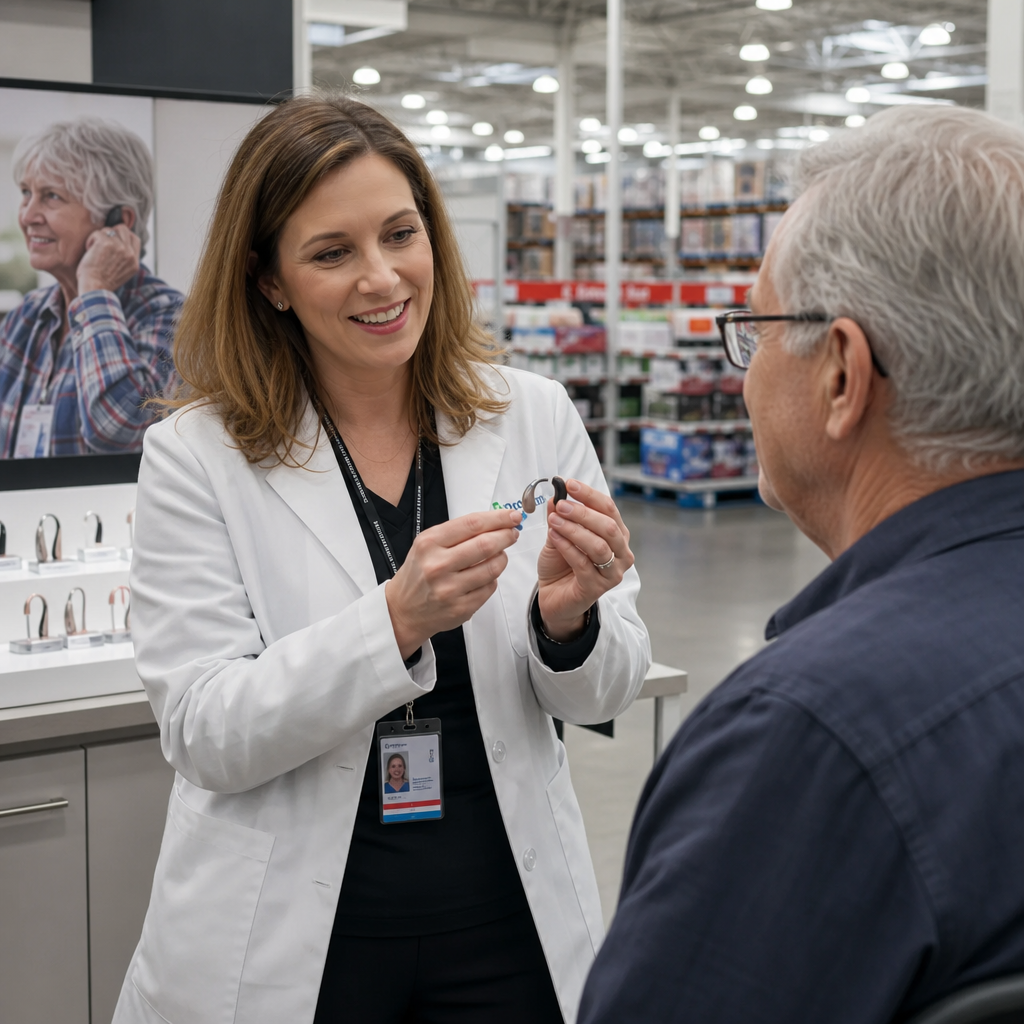
Costco hearing aid prices are usually lower than traditional clinic pricing, which is why so many shoppers ask, “How much are hearing aids at Costco?” In general, Costco sells prescription hearing aids in bundled packages that commonly range from about $1,499.99 to $1,599.99 per pair for many in-club models, though pricing, model availability, and included services can vary by location and over time. Hearing aids are small medical devices that amplify sound, process speech, reduce background noise, and connect with phones or televisions. Costco is a warehouse retailer with hearing centers inside many clubs, and those centers provide hearing tests, fittings, programming, cleanings, and follow-up adjustments. This matters because hearing aid cost is often the biggest barrier to treatment, especially for adults with mild to moderate hearing loss who have delayed care for years. I have worked with people comparing private audiology offices, big-box retailers, and over-the-counter devices, and Costco consistently enters the conversation because the upfront pricing is clear, the bundled services are straightforward, and the brands are recognizable.
Still, the right question is not only how much hearing aids cost at Costco, but what you receive for that price and whether Costco is the best fit for your hearing needs. Hearing aid pricing is complicated because devices are sold with different technology levels, receiver styles, warranty lengths, trial periods, and service models. Some people need simple amplification for conversations in quiet rooms. Others need advanced directional microphones, rechargeability, telecoil support, Bluetooth streaming, tinnitus masking, and stronger performance in restaurants, meetings, or worship spaces. A good hub article has to cover all of those factors, because price alone can mislead. Costco may be an excellent value, but value depends on hearing loss severity, access to a nearby center, comfort with the appointment process, and whether a bundled retail model matches your long-term care expectations.
Typical Costco hearing aid prices and what is included
When people search for Costco hearing aid cost, they usually want a direct answer. Most current Costco hearing aids are priced per pair, not per ear, and many premium or upper-mid technology options have historically landed around $1,499.99 to $1,599.99 a pair. That is materially below the $4,000 to $7,000 per pair often quoted by private practices for prescription devices with bundled service plans. Costco’s lower price does not mean the products are low quality. In many cases, the devices are made by major hearing aid manufacturers and programmed by licensed hearing aid dispensers or audiologists, depending on state law and staffing. The package commonly includes a hearing test, fitting, real-ear measurement in some locations, follow-up tuning, routine maintenance, and a loss-and-damage warranty period. Batteries may or may not be included, depending on the model and package terms.
The key distinction is that Costco usually focuses on a narrower set of devices and a high-volume service model. That lets the company negotiate pricing and keep service workflows standardized. For a shopper, this means fewer pricing surprises. For example, someone who goes into a private clinic might see three technology tiers with separate line items for charger, earmolds, service visits, or extended warranty. At Costco, the quote is often simpler. That simplicity is useful, but shoppers should still ask for an itemized explanation of trial period terms, return policy details, charger replacement cost, and what happens after the included service period ends. If you travel seasonally or split time between states, ask whether another Costco hearing center can handle future adjustments, because continuity of care matters just as much as purchase price.
Which hearing aid brands does Costco sell?
Costco’s hearing aid lineup has changed over time, so the exact brands available when you shop may differ from older articles or forum posts. In recent years, Costco has carried hearing aids from major manufacturers such as Philips, Jabra, Rexton, and historically Kirkland Signature models produced by established hearing aid companies. The important point is that Costco is not stocking random electronics. These are medical-grade hearing aids with modern digital signal processing, app controls, feedback management, rechargeable options, moisture resistance, and wireless features. Brand differences usually show up in app experience, sound processing philosophy, Bluetooth compatibility, accessories, and custom fitting options rather than in basic amplification alone.
For example, Philips HearLink devices at Costco have appealed to shoppers who want a recognized health technology brand and solid speech support in complex environments. Jabra Enhance Pro models have drawn attention for smartphone integration and rechargeable receiver-in-canal options. Rexton devices have been known for durability and performance features that work well for active users. Kirkland Signature products were especially popular because they often offered premium-style features at aggressive pricing, though availability has not been constant. If a shopper has seen online reviews praising one older Costco model, that review may no longer reflect the current lineup. Always compare the current generation, not a discontinued device.
How Costco compares with private clinics, OTC devices, and online sellers
Costco occupies the middle ground between high-touch private audiology care and lower-cost self-directed hearing solutions. That positioning explains its popularity. Private clinics often provide the most individualized care, broadest brand selection, custom earmold options, cochlear implant referrals, vestibular coordination, cerumen management, and more complex diagnostics. They are often the best choice for asymmetrical hearing loss, severe hearing loss, sudden hearing changes, pediatric cases, active ear disease, or patients needing extensive rehabilitation. The tradeoff is price. You are paying not only for the devices but also for clinician time, diagnostics, and ongoing support.
Over-the-counter hearing aids, by contrast, are designed for adults with perceived mild to moderate hearing loss and can cost hundreds rather than thousands of dollars. They can be useful for budget-conscious users who are comfortable self-fitting through an app. However, OTC devices do not replace a full medical hearing evaluation when red flags are present, and they generally offer less personalized verification. Online prescription sellers may advertise low prices too, but service quality varies widely. Remote fitting can work well for some people, yet many first-time users benefit from in-person coaching on insertion, retention, domes, wax guards, and realistic listening expectations. Costco stands out because it offers in-person support at a price that is still closer to consumer retail than boutique clinical care.
| Option | Typical price range | Best for | Main limitation |
|---|---|---|---|
| Costco hearing center | About $1,499.99 to $1,599.99 per pair for many models | Adults wanting strong value with in-person service | Limited brand selection and clinic-style complexity support |
| Private audiology clinic | Often $4,000 to $7,000+ per pair | Complex cases and highly individualized care | Higher bundled cost |
| OTC hearing aids | Roughly $300 to $1,500 per pair | Mild to moderate loss and self-directed users | Less personalized fitting and fewer clinical safeguards |
| Online prescription seller | Often below traditional clinic pricing | Experienced users comfortable with remote support | Variable after-sale service quality |
What affects the final price you pay at Costco?
Even when headline pricing looks fixed, several details can change the total value of a Costco hearing aid purchase. First is technology level. More advanced chips and software generally improve speech understanding in noise, environmental classification, impulse noise control, wind management, and automatic program switching. Second is form factor. Receiver-in-canal rechargeable styles are common and convenient, but some users may need custom molds or a different coupling for retention and acoustic seal. Third is accessories. TV streamers, remote microphones, chargers, and app-compatible controls may be included in promotions or sold separately. A remote microphone can make a meaningful difference in meetings and restaurants, so ask about accessory pricing early.
Fourth is hearing profile. People with straightforward, symmetrical sensorineural hearing loss are usually the easiest fit in a retail hearing center. If your hearing thresholds are uneven between ears, if word recognition is disproportionately poor, or if you have a conductive component, your path may require a medical referral before purchase. Fifth is insurance. Original Medicare does not generally cover hearing aids, but some Medicare Advantage plans, union plans, state vocational programs, FSA or HSA funds, and limited third-party hearing benefits can reduce costs. Costco may or may not be in network for a given hearing benefit administrator, so verification matters. Finally, the return period and warranty influence real cost. A device that is $200 cheaper but harder to service or return may not be the better deal.
The Costco hearing test, fitting, and follow-up process
A typical Costco hearing aid journey starts with scheduling a hearing test at the hearing center. The provider takes a case history, asks about listening difficulties, and performs pure-tone testing and speech measures. Some locations also use real-ear measurement during fitting, which is the gold standard for verifying that amplification at the eardrum matches prescribed targets such as NAL-NL2. In my experience, shoppers rarely ask about verification, but they should. Real-ear measurement often makes the difference between “these sound loud” and “these help me understand speech.” If your center uses it, that is a meaningful quality signal.
After testing, the provider discusses results, lifestyle needs, and suitable models. If you move forward, the fitting appointment includes physical setup, dome or mold selection, feedback calibration, gain adjustments, button configuration, app pairing, charger instruction, and counseling on adaptation. New users need to understand that hearing aids do not restore normal hearing. The brain needs time to re-learn high-frequency cues and tolerate environmental sound that has been missing for years. Follow-up visits are where success is won or lost. Costco generally includes these clean-and-check appointments and programming tweaks, which is one reason the value proposition is strong. The best buyers are the ones who return with specific listening examples like “I still miss women’s voices in the car” rather than saying only that the aids feel weak or sharp.
Pros, drawbacks, and who should buy hearing aids at Costco
Costco’s biggest advantage is value. You get modern prescription hearing aids, in-person testing, fitting, and ongoing support for far less than many private practices charge. For adults with uncomplicated mild to moderate sensorineural hearing loss, that can be the smartest purchase in the market. Costco also tends to offer transparent pair pricing, practical trial periods, and enough national footprint to feel accessible. Rechargeable models, Bluetooth streaming, tinnitus features, and app controls are now standard expectations, not luxuries, and Costco commonly meets that baseline well.
The drawbacks are equally important. Appointment availability can be limited in busy clubs. The brand selection is narrower than what you will find in a full audiology practice. Clinical scope may be insufficient for medically complex hearing cases. If you need extensive diagnostics, custom acoustic solutions, vestibular assessment, pediatric care, or coordination with ENT for asymmetry, ear fullness, drainage, sudden loss, or chronic infections, start with a medical or audiology clinic rather than a retail counter. Costco is best for shoppers who want recognized technology, a bundled service model, and a lower price without stepping down to self-fit consumer devices.
If you are considering buying hearing aids at Costco, start by booking a test and asking five practical questions: Which current models do you carry, what is the pair price, what accessories cost extra, do you use real-ear measurement, and what does the warranty and return window cover? Then compare that answer with one private clinic quote and one OTC option. That side-by-side view usually makes the decision clear. Costco hearing aids are not automatically the best choice for every ear, but they are often the best value for many adults who want dependable hearing help without overpaying. Take the next step by getting your hearing tested and comparing current in-store options before you buy.
Frequently Asked Questions
How much do hearing aids at Costco usually cost?
Costco hearing aids are often priced lower than what many people see at traditional hearing clinics, which is a major reason shoppers frequently ask, “How much are hearing aids at Costco?” In many cases, prescription hearing aids sold through Costco Hearing Centers are offered in bundled packages that commonly range from about $1,499.99 to $1,599.99 per pair for select in-club models. That per-pair pricing is important, because many independent providers quote hearing aids at a per-device rate, which can make side-by-side comparisons confusing. Costco’s model is typically more straightforward for consumers who want to understand the full expected cost up front.
That said, prices can vary based on the specific brand, technology level, hearing aid style, your location, and any updates Costco makes to its product lineup over time. Some premium or specialty options may be priced differently, and certain locations may not carry the exact same inventory. It is also worth remembering that hearing aids are medical devices designed to amplify sound, improve speech understanding, and reduce the impact of background noise, so cost is only one part of the decision. Features, fit, service, programming, and follow-up care all affect overall value. For the most accurate current pricing, contacting your local Costco Hearing Center is usually the best next step.
What is typically included in the price of Costco hearing aids?
One reason Costco hearing aids attract so much attention is that the purchase price is usually bundled, meaning it often includes more than just the devices themselves. In many cases, buyers receive hearing testing or screening, fitting appointments, device programming, follow-up adjustments, and routine support as part of the package. This bundled approach can make Costco especially appealing to shoppers who want predictable pricing without being surprised by separate service fees after the initial purchase.
The exact services included can vary by location and by the hearing aid model selected, but ongoing care is a major part of the value proposition. Hearing aids are not “set it and forget it” devices. They often need adjustment as you adapt to amplified sound, and settings may need refinement to help with speech clarity, comfort, and listening in noisy places. Some packages may also include a trial period, warranty coverage, and access to replacement parts or maintenance support, although details should always be confirmed directly with the hearing center. When comparing Costco with private practices, ask not only about device price but also what support is included over the life of the hearing aids. In many situations, that bundled service is one of Costco’s strongest advantages.
Why are Costco hearing aids often less expensive than hearing aids from a traditional clinic?
Costco hearing aids are commonly less expensive because the company operates on a high-volume retail model and often negotiates favorable pricing with manufacturers. Unlike some traditional hearing clinics that may have higher overhead costs, Costco can use its scale, membership-based business structure, and streamlined sales approach to offer lower package pricing to consumers. This does not automatically mean the hearing aids are low quality. In many cases, they are modern prescription devices with advanced sound processing features intended to help with everyday listening challenges.
Another factor is the way Costco bundles products and services together. At some clinics, hearing aid costs may be broken apart into separate professional fees, fitting charges, follow-up care, and service visits. Costco’s simpler package structure can make the total price look and feel more affordable. However, lower cost does not mean every buyer should choose Costco automatically. A traditional audiology practice may offer a broader range of manufacturers, more complex diagnostic services, or deeper support for people with medically complicated hearing loss. Costco can be an excellent option for many adults with common hearing needs, but shoppers should still compare service quality, device options, provider experience, and convenience in addition to price.
Are Costco hearing aids a good value for the money?
For many people, yes, Costco hearing aids are considered a very strong value. When you look at the combination of lower per-pair pricing, bundled services, and access to prescription hearing aid technology, Costco often stands out as a cost-effective choice. Buyers who want professionally fit hearing aids without paying the higher prices commonly seen at some private clinics may find Costco especially attractive. The value becomes even more apparent when you consider that hearing aids usually require multiple appointments for fitting, adjustment, and ongoing fine-tuning.
Still, “good value” depends on your individual hearing needs and expectations. If you have a straightforward, mild-to-moderate hearing loss and want modern features at a competitive price, Costco may offer exactly what you need. On the other hand, if your hearing loss is severe, medically complex, or tied to broader ear-health concerns, a specialty clinic or audiologist may be a better fit even if the price is higher. Value also depends on practical considerations such as how close you live to a Costco Hearing Center, whether your preferred style or brand is available, and how comfortable you feel receiving care in that setting. The best way to judge value is to compare total cost, included services, warranty terms, trial options, and the expertise available for follow-up care.
Do Costco hearing aid prices and models vary by location or over time?
Yes, Costco hearing aid pricing, model availability, and included services can vary by location and may change over time. While many shoppers report commonly seeing bundled pricing around $1,499.99 to $1,599.99 per pair for certain in-club prescription models, that should be treated as a general range rather than a permanent guarantee. Hearing aid inventory changes, manufacturer partnerships evolve, and specific clubs may offer different selections depending on demand, staffing, and regional availability.
This is why it is smart to verify current details directly with your local Costco Hearing Center before making assumptions based on older online information. Ask which models are currently offered, whether the quoted price is for a pair, what services are included, how long the trial period lasts, and what warranty or maintenance support comes with the purchase. Also confirm whether appointments are required and whether a Costco membership is necessary for access to hearing aid services and purchases. Because hearing aids are personalized medical devices, the best option is not always the cheapest advertised one. A current, location-specific quote combined with a professional evaluation will give you the clearest picture of what Costco hearing aids will actually cost in your situation.