
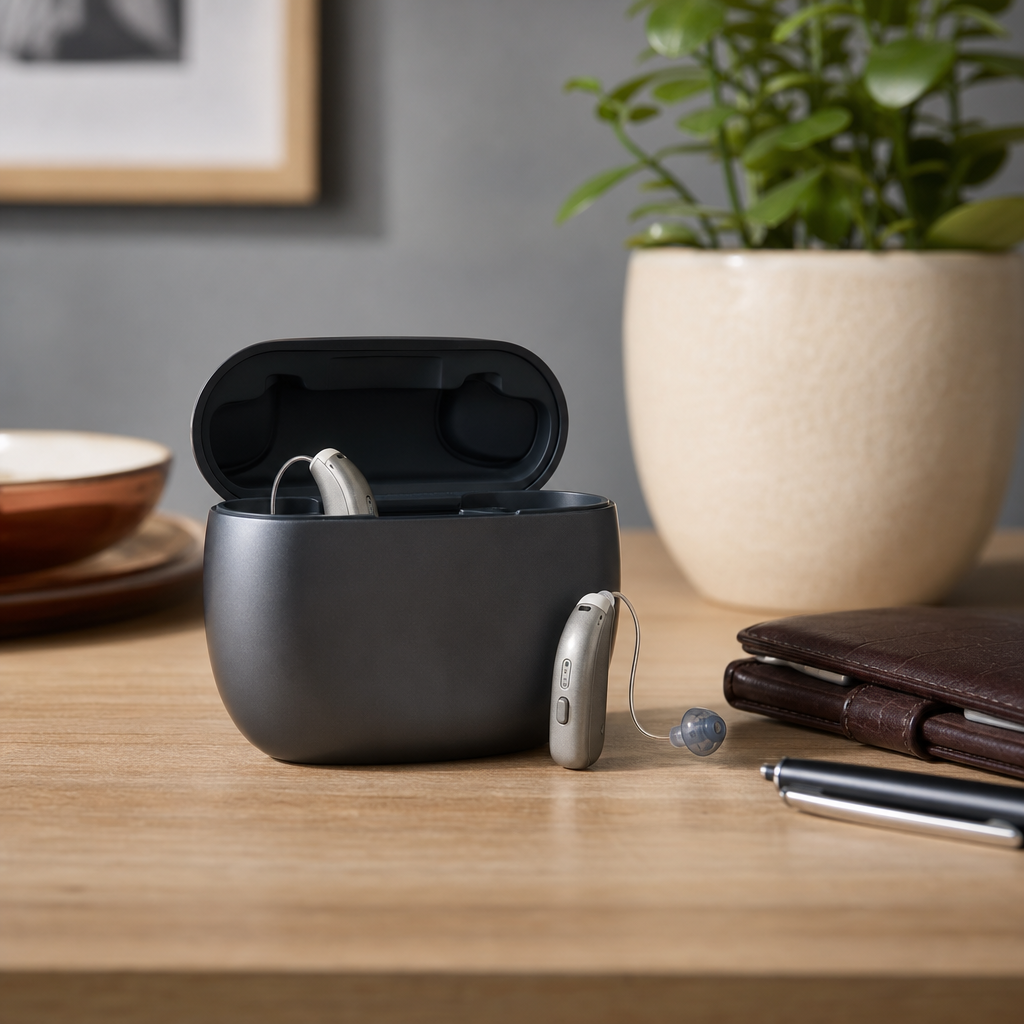
Resound hearing aids cost depends on the model, technology level, clinic services, and follow-up care, so the real answer is broader than a single price tag. When people search for Resound hearing aids cost, they usually want to know three things: how much the devices themselves cost, what is included in that price, and whether the investment is worth it compared with other hearing aids. Resound, part of GN Group, is one of the longest-established hearing technology brands and is known for rechargeable options, strong Bluetooth connectivity, and app-based personalization. In practice, I have found that buyers often focus on the advertised hardware price and overlook the professional hearing test, fitting, earmolds, adjustments, warranty support, and repair coverage that can change the total cost significantly. That is why this topic matters. Hearing aids are medical devices, not simple consumer electronics, and the outcome depends as much on fitting quality as on the brand. A well-fitted mid-tier Resound device can outperform a premium device programmed poorly. This guide explains the typical price ranges, what drives Resound hearing aids cost up or down, which models fit different budgets, how insurance and financing affect out-of-pocket spending, and what questions to ask before buying. If you want one clear takeaway at the start, it is this: expect most new Resound hearing aids to range from about $1,000 to $4,000 per ear in the United States, with bundled clinical care often included, but always verify exactly what services are part of the quote.
Typical Resound hearing aids cost by technology level
Resound hearing aids cost varies most by technology tier. In most clinics, entry-level devices sit at the lower end of the range and are designed for quieter lifestyles, while premium devices cost more because they include more advanced noise management, directionality, wind reduction, environmental classification, and connectivity features. A practical rule is that basic Resound models often start around $1,000 to $1,800 per ear, mid-level models commonly land between $1,800 and $2,800 per ear, and premium options frequently reach $2,800 to $4,000 per ear. Some large metropolitan practices price above that range, especially when long service packages are bundled in. These numbers are not fixed retail prices from the manufacturer; they are typical clinic prices shaped by regional overhead and included care.
For buyers comparing product families, recent Resound lines such as Nexia, OMNIA, and Key illustrate the spread. Premium levels in a flagship family usually target people who spend time in restaurants, meetings, social events, worship spaces, and outdoor environments where speech clarity in noise matters. Mid-tier products still serve many users well, especially people who live in moderately challenging sound environments. More affordable lines are often appropriate for home use, television listening, and one-on-one conversation. In fittings I have reviewed, the most common mistake is paying for premium technology without having a listening profile that truly needs it. If your routine is mostly quiet and predictable, mid-level technology may provide the best value.
What is included in the price quote
The quoted Resound hearing aids cost may include far more than the devices. This is the part buyers must clarify before making comparisons. One clinic may quote $5,000 for a pair and include diagnostic testing, real-ear measurement, follow-up visits for three years, loss-and-damage coverage, charger, domes, wax guards, and cleanings. Another may quote $3,600 for a similar pair but bill separately for visits, accessories, and repairs after the first year. Without knowing the service model, price comparisons are misleading.
At a minimum, ask whether the quote includes a comprehensive hearing evaluation, fitting appointment, verification using real-ear measures, trial period, manufacturer warranty, office visits, and routine maintenance supplies. Real-ear measurement deserves special attention because it is the gold standard for verifying that a hearing aid is delivering the right amplification based on evidence-based prescriptive targets such as NAL-NL2. Clinics that skip verification may still provide acceptable results, but outcomes are less predictable. In other words, a lower upfront price can become more expensive if the fitting process is weak and the devices end up underperforming.
| Cost Factor | Typical Effect on Price | Why It Matters |
|---|---|---|
| Technology tier | Higher tier raises price most | More advanced speech-in-noise and automation features |
| Style and size | Custom and very small models may cost more | Smaller shells and custom manufacturing increase complexity |
| Bundled services | Can add hundreds or thousands | Includes testing, fittings, follow-ups, and maintenance |
| Rechargeable system | Often increases package price slightly | Convenience is high, but batteries eventually age |
| Warranty and loss coverage | Longer protection costs more | Important because repairs outside warranty are expensive |
| Clinic location | Urban markets are often higher | Overhead and local competition shape final pricing |
How style, features, and accessories affect cost
Resound offers several hearing aid styles, and style can influence cost as much as sound processing. Receiver-in-canal, often abbreviated RIC, is among the most common because it balances discreet appearance, comfort, and acoustic flexibility. Behind-the-ear models may be chosen for greater power, durability, or easier handling. Custom in-the-ear products can appeal to users who want an all-in-one shell, but they may carry additional manufacturing cost because the device is built from an ear impression or digital scan. Smaller is not always better. Tiny form factors can be harder to insert, may have shorter battery life, and can limit certain controls or features.
Rechargeability is another pricing variable. Many buyers now prefer rechargeable Resound models because they avoid the recurring chore of changing disposable batteries and support all-day use with streaming. The tradeoff is that rechargeable systems rely on a built-in battery that will eventually degrade over years of use. Accessories also matter. TV streamers, remote microphones, chargers, and partner microphones can improve daily performance but add to the total package. For example, a remote microphone can make a major difference in lectures or noisy restaurants by transmitting a speaker’s voice directly to the hearing aids, yet it is usually an extra purchase rather than a standard inclusion.
Model families, performance differences, and who should buy what
When evaluating Resound hearing aids cost, it helps to match the product family to your listening demands. Flagship families like Resound Nexia are generally positioned for users who want the brand’s newest processing, Auracast-ready Bluetooth LE Audio compatibility where supported, and stronger support for difficult environments. Families such as OMNIA remain highly relevant because they focus heavily on hearing in noise, which is the chief complaint I hear from experienced hearing aid users regardless of brand. Budget-oriented families like Key are often enough for first-time wearers with mild to moderate hearing loss who mainly need better speech access at home and in routine conversation.
Performance differences are real, but they are not magic. Premium technology does not eliminate background noise; it improves the odds of hearing speech more comfortably in complex environments. People who work in offices, attend group meetings, dine out regularly, or spend time in reverberant public spaces tend to benefit most from the higher tiers. Retirees who live quietly and rarely challenge their hearing may not notice enough improvement to justify the top price. The right purchase is the one that matches your audiogram, dexterity, phone habits, and sound environments. The wrong purchase is buying by model name alone.
Insurance, Medicare, veterans benefits, and financing options
Many shoppers ask whether insurance reduces Resound hearing aids cost. The answer is sometimes, but coverage rules are fragmented. Original Medicare generally does not cover hearing aids, although it may cover diagnostic hearing exams when medically necessary. Medicare Advantage plans sometimes offer hearing benefits, either as an allowance, a copay structure, or access through contracted third-party networks. Employer insurance may provide partial coverage, and some state Medicaid programs cover hearing aids for qualifying adults, though benefits vary widely by state. If you are eligible for Veterans Affairs care, hearing aids may be available through the VA based on clinical criteria, and that can be one of the strongest benefit pathways in the United States.
Financing is common because hearing aids are a significant health purchase. Many audiology practices offer monthly payment plans through medical financing companies such as CareCredit, and some dispensers provide in-house installment options. Health savings accounts and flexible spending accounts can often be used for eligible hearing-related expenses, which can reduce the effective cost through tax advantages. I always advise buyers to ask whether the clinic offers unbundled pricing, because a lower-cost device plus pay-as-you-go care can work for some people, while others benefit from the predictability of a bundled package. Neither model is universally better; it depends on how much support you expect to need.
How Resound compares with other hearing aid brands on value
Resound competes with major manufacturers such as Phonak, Oticon, Signia, Starkey, and Widex, and price overlap is common across all of them. In most independent practices, comparable technology levels from these brands are priced in similar bands, so value usually comes down to fit, feature priorities, and clinician expertise more than sticker price alone. Resound often stands out for app control, sound customization, and strong iPhone integration. Phonak is frequently praised for universal Bluetooth compatibility. Oticon is often chosen for its open sound philosophy. Starkey may appeal to users who want health and sensor features. Widex is often favored by music listeners who prioritize natural sound quality.
The practical lesson is that brand comparison should start with your needs, not marketing claims. If direct streaming, rechargeability, and a polished mobile app matter most, Resound can be a compelling choice. If you need exceptional power for severe loss or want a specific accessory ecosystem, another brand may fit better. From a value perspective, Resound hearing aids cost is competitive when the clinic is experienced with the software and verification process. I have seen excellent results with Resound in both first-time and experienced users, especially when expectations were set correctly and follow-up fine-tuning was available.
How to shop intelligently and avoid overpaying
The best way to control Resound hearing aids cost is to shop systematically. Start with a current hearing evaluation from an audiologist or licensed hearing instrument specialist, then request itemized quotes from more than one provider. Ask each office to specify the exact model, technology level, warranty length, trial period, and included visits. Confirm whether the fitting will use real-ear measurement and whether future programming adjustments are included. If one quote is much lower, ask what is missing. Sometimes the answer is fewer services. Sometimes it is an older platform. Sometimes it is simply a competitive clinic strategy.
Do not ignore the return policy. Most states require a trial period, but fees and conditions vary. Also ask about repair turnaround, loaner devices, charger replacement cost, and loss coverage deductibles. If you rely heavily on smartphone connectivity, test the app and pairing process before finalizing the purchase. Comfort and usability matter as much as sound. The smartest buyers treat the appointment like both a medical consultation and a long-term service relationship. Price matters, but support matters more once daily wear begins. Compare carefully, choose the hearing technology that fits your real life, and book a professional hearing evaluation before you buy.
Frequently Asked Questions
How much do ReSound hearing aids typically cost?
ReSound hearing aids do not have one universal price because the total cost depends on several factors, including the specific model, the technology tier, the style of the device, and the level of professional care included by the clinic. In general, people can expect ReSound hearing aids to range from the lower thousands for more basic technology up to several thousand dollars per pair for premium rechargeable devices with advanced sound processing and connectivity features. Entry-level options are usually designed for people with simpler listening needs, while mid-level and premium models are built for users who want stronger performance in background noise, more personalization, and better automatic adjustments throughout the day.
It is also important to understand that pricing often reflects more than just the hardware. Many providers bundle hearing tests, fittings, adjustments, follow-up visits, device programming, cleanings, and warranty support into the total price. That means two quotes for “the same ReSound hearing aid” can look very different depending on what services are included. If you are comparing costs, the most useful approach is to ask for a full breakdown of the device price, professional care, warranty length, loss and damage coverage, and any ongoing service plan.
What is usually included in the price of ReSound hearing aids?
In many cases, the quoted price for ReSound hearing aids includes a package of clinical services along with the devices themselves. A typical bundled price may cover a diagnostic hearing evaluation, consultation, fitting appointment, custom programming based on your hearing loss, verification or fine-tuning visits, and routine follow-up care over a set period. Some clinics also include hearing aid cleaning, maintenance support, basic supplies, and counseling to help you adapt to the new devices.
Warranty coverage is another major part of the value. ReSound hearing aids commonly come with a manufacturer warranty that may cover repairs for a certain number of years, and many clinics also include loss and damage protection, though replacement fees and terms can vary. Rechargeable models may include a charger, and some devices are packaged with app support and Bluetooth setup assistance for phones and streaming accessories. Because bundled care can significantly affect the overall value, it is smart to ask whether future adjustments are included or billed separately. The lowest upfront price is not always the best deal if it excludes the follow-up care that helps hearing aids perform their best.
Why can the cost of ReSound hearing aids vary so much from one provider to another?
The biggest reason ReSound hearing aids vary in price is that hearing care providers do not all sell them the same way. One clinic may offer a bundled model that includes years of follow-up care, while another may advertise a lower starting price but charge separately for fittings, reprogramming, office visits, supplies, and extended warranty protection. This difference in service structure can make the same brand seem more or less expensive depending on where you shop.
Another factor is technology level. ReSound offers different product families and performance tiers, and premium devices usually cost more because they include more sophisticated features for speech understanding, noise reduction, directional microphones, rechargeability, and wireless connectivity. Custom in-ear devices may also be priced differently from receiver-in-canal or behind-the-ear styles. Geographic location, provider experience, local market competition, and whether the clinic is independent or part of a large retail network can all influence pricing as well. That is why it is best to compare not just the number on the quote, but the complete package of technology, service, and long-term support.
Are ReSound hearing aids worth the investment?
For many people, ReSound hearing aids are worth the investment because the real benefit goes beyond amplification alone. ReSound is one of the most established names in hearing technology and is known for rechargeable options, wireless connectivity, and app-based controls that allow users to adjust volume, programs, and streaming settings conveniently. Depending on the model, ReSound devices can also offer more natural sound quality, better speech clarity in challenging environments, and seamless integration with modern smartphones and accessories. Those features can make a meaningful difference in daily life, especially for people who work, socialize frequently, or spend time in noisy environments.
The value also depends on whether the device matches your hearing needs and lifestyle. A person with mild hearing loss who mostly spends time in quiet settings may do very well with a more affordable technology level. Someone who regularly attends meetings, restaurants, family gatherings, or outdoor events may benefit much more from advanced features that justify a higher price. In other words, “worth it” is not just about the brand name or sticker price. It is about improved communication, less listening fatigue, better confidence, and the quality of professional fitting and support you receive along the way.
How can I save money on ReSound hearing aids without sacrificing quality?
The best way to save money on ReSound hearing aids is to focus on value rather than chasing the lowest advertised price. Start by asking your provider which technology level truly fits your hearing profile and listening habits. Many people do not need the top premium tier to get excellent benefit, and a mid-level model can sometimes deliver a strong balance of performance and affordability. You should also ask whether there are previous-generation ReSound models available, since older product lines may still offer very good sound quality and connectivity at a lower cost than the newest release.
It is also worth checking insurance benefits, hearing aid financing options, health savings accounts, flexible spending accounts, and any local hearing care promotions. Some employers, unions, or membership organizations offer hearing aid discounts through third-party programs. If you are comparing providers, ask each one for an itemized quote so you can see exactly what is included. A slightly higher upfront cost may actually save money over time if it includes follow-up visits, repairs, and warranty protection. Finally, if your provider offers a trial period, use it fully. The right hearing aid is not simply the cheapest one—it is the one that gives you reliable hearing improvement, comfort, and long-term support at a price that makes sense for your situation.