
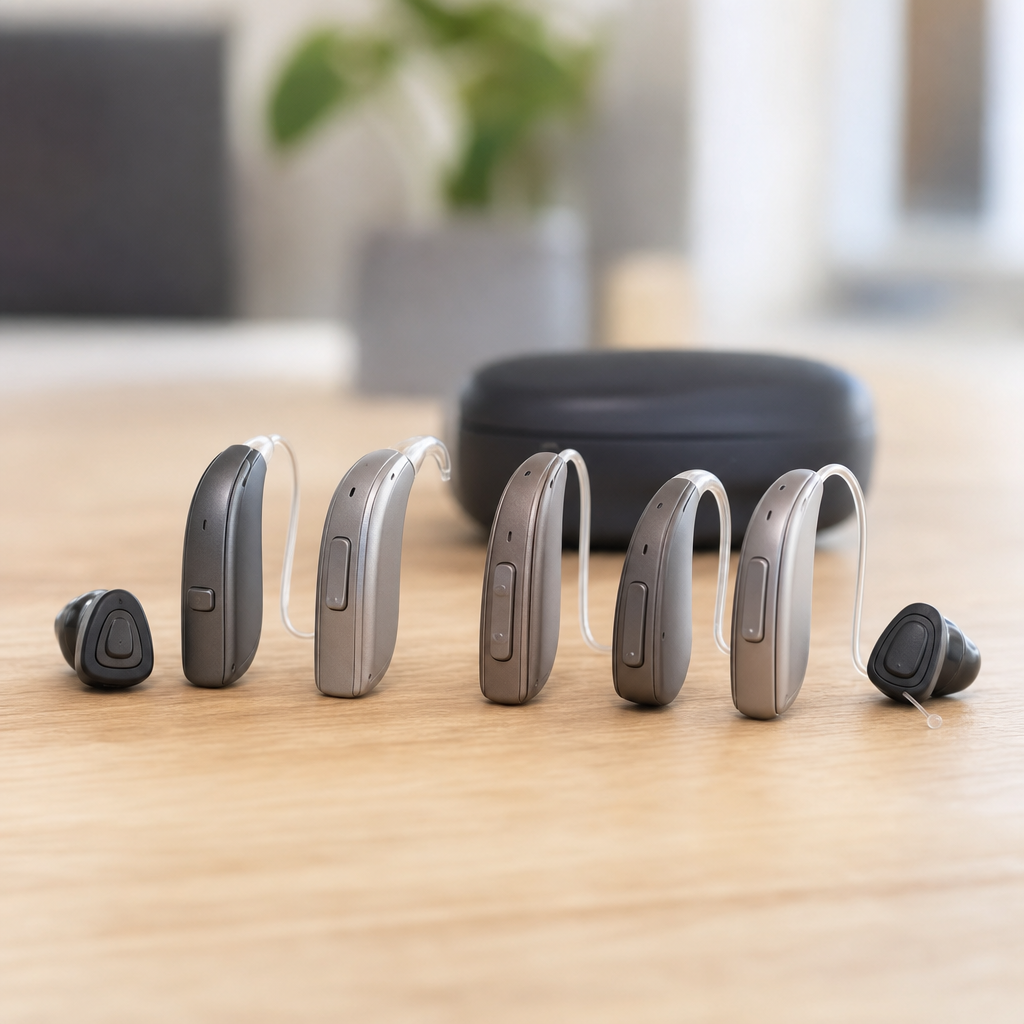
ReSound hearing aid models cover a broad range of receiver-in-canal, behind-the-ear, custom in-ear, and prescription wireless devices designed to match different levels of hearing loss, listening habits, dexterity needs, and budget expectations. For anyone comparing hearing aids, this matters because model names alone rarely explain what daily use feels like: battery life, recharge options, Bluetooth compatibility, microphone directionality, telecoil support, moisture protection, and app controls often matter more than the brand label. I have fit and evaluated many modern hearing aids, and ReSound stands out for combining strong connectivity with a large catalog that serves first-time wearers, experienced users, and people who need powerful amplification. Understanding the ReSound lineup starts with a few key terms. A receiver-in-canal, often shortened to RIC, places the speaker in the ear canal for a smaller, more discreet fit and usually better high-frequency performance. A behind-the-ear, or BTE, keeps more hardware behind the ear and can support greater power and durability. Custom styles are molded to the ear and may be easier to manage for some users, while invisible products prioritize cosmetics over battery size and wireless features. ReSound also organizes devices by technology platform, not only by shell style. That platform determines speech processing speed, noise reduction sophistication, directional microphone behavior, feedback control, environmental classification, and wireless performance. If you are shopping within the Hearing Aids category, this hub is useful because it connects the main questions buyers ask: Which ReSound hearing aid models exist, who are they for, what features actually change outcomes, and how do you choose a device that works in restaurants, meetings, phone calls, and quiet home listening?
How ReSound organizes its hearing aid models
ReSound typically groups products by family name, technology generation, style, and performance tier. Well-known families include ReSound Nexia, OMNIA, ONE, Key, LiNX Quattro, ENZO Q, and custom lines such as Customs by ReSound. In practical terms, the family name usually signals the wireless chipset, sound processing platform, and generation-specific features. For example, newer families emphasize Bluetooth Low Energy improvements, Auracast readiness in selected products, better app integration, and more refined noise handling. Older families may still perform well, especially for straightforward listening needs, but they can have fewer streaming options or less advanced environmental adaptation.
Within each family, ReSound offers style variations. The most common is RIC because it balances cosmetics, comfort, and acoustic flexibility. BTE models remain important for severe to profound hearing loss and for users who want robust controls, larger batteries, or earmold coupling. Custom products include ITC, ITE, CIC, and sometimes invisible configurations, depending on anatomy and degree of loss. Technology levels also matter. A premium tier usually gives more automatic listening programs, finer noise reduction, stronger spatial awareness processing, and better speech access in complex noise. Essential tiers often preserve core audibility and app support but reduce automation and fine-grained adjustments. This structure is common across major hearing aid brands, yet ReSound’s naming can confuse buyers because family names change faster than style labels. The safest way to compare ReSound hearing aid models is to separate four variables: style, power, wireless connectivity, and feature tier.
Current and recent ReSound hearing aid families
ReSound Nexia is the modern flagship family and the clearest starting point for many buyers. It is built around newer wireless architecture and is known for strong connectivity with compatible smartphones and accessories. In fittings, Nexia is often the model family I discuss with users who prioritize direct streaming, hands-free calling on supported devices, and better access to broadcast audio in public spaces as standards evolve. ReSound OMNIA remains highly relevant and is widely recognized for improvements in hearing speech in noise, particularly through directional processing and environmental awareness. For users who spend time in restaurants, family gatherings, and meetings, OMNIA can still be an excellent choice. ReSound ONE introduced an ear-level sound pickup concept in selected models through an additional microphone arrangement, aiming to preserve more natural directional cues. Some wearers notice better spatial perception; others prefer standard microphone placement, so benefit depends on anatomy and lifestyle.
ReSound Key serves buyers who need a simpler, more affordable entry point without moving to a bare-bones product. Key devices generally focus on dependable amplification, app basics, and manageable wireless features. LiNX Quattro, though older, remains common in clinics and can still be suitable when price, availability, or compatibility make it attractive. ENZO Q is ReSound’s important power solution for severe to profound hearing loss, offering the higher output and feedback management that many slim products cannot deliver safely or comfortably. Custom hearing aid lines fill the needs of users who prefer in-ear devices, have glasses or mask-related comfort concerns, or want simpler insertion. The right family is not just the newest. A retired teacher with mild hearing loss and heavy iPhone streaming needs may thrive in Nexia, while someone with profound loss may get better speech access from ENZO Q despite fewer cosmetic advantages. Matching the platform to the hearing profile is the real decision.
Choosing by style, power, and comfort
The best ReSound hearing aid model often depends more on style and power requirements than on marketing language. RIC devices dominate the market because they fit many hearing losses, hide well, and allow dome or custom earmold coupling. They usually provide the broadest selection of rechargeable options and smartphone features. BTE styles are better when hearing loss is steeper, low-frequency retention is poor, moisture exposure is frequent, or the user wants easy-to-handle controls. Power BTE products also allow larger vents and more secure earmolds for stable output. Custom in-ear products can be excellent for users who dislike anything behind the ear, wear helmets, or struggle with eyeglasses interference. However, the smaller the custom device, the more tradeoffs appear in battery size, directional microphones, and wireless capabilities.
Comfort depends on shell design, venting, receiver length, and the physical shape of the ear canal. In clinic work, I have seen buyers focus on discreet appearance only to find that retention, occlusion, or insertion difficulty matters more after two weeks. ReSound’s RIC options usually offer several dome sizes and receiver strengths, making them flexible during the trial period. Power users often need custom earmolds to control feedback and stabilize output, especially with ENZO-class fittings. Rechargeability also affects comfort in a broader sense: it reduces battery handling, which is a major quality-of-life issue for users with arthritis, tremor, or reduced vision. Cosmetics matter, but comfort is functional. A hearing aid that stays seated, avoids soreness, and can be inserted consistently will outperform a prettier model left in a drawer.
Features that actually change daily hearing performance
Many shoppers ask which feature list matters most. The short answer is this: speech-in-noise processing, microphone directionality, feedback suppression, and connectivity drive day-to-day satisfaction far more than a long catalog of specialty labels. ReSound hearing aid models differ meaningfully in how they detect listening environments and shift microphone focus. Premium models typically analyze more acoustic variables and make smoother automatic changes between quiet, speech, noise, and wind-heavy settings. That matters in real life because restaurant noise is dynamic, not constant. The system must identify speech from in front, suppress competing noise from the side or rear, and avoid making the target voice sound thin or artificial.
Feedback management is equally important, especially for users with open fittings, high-frequency loss, or power needs. ReSound has long emphasized DFS Ultra feedback control, and in practice good feedback management allows more usable gain before whistling starts. Noise reduction is often misunderstood. It does not restore normal hearing in loud places, but it reduces listening effort and annoyance, making speech cues easier to follow. Wind noise control can be valuable for golfers, walkers, and outdoor workers. Telecoil support still matters in many churches, theaters, and public buildings with hearing loop systems, though it is not present in every style. Finally, the mobile app matters more than buyers expect. ReSound Smart 3D and related app tools can adjust volume, change programs, geotag favorite settings, and assist with remote support. When the app is stable and the user understands it, the hearing aid becomes easier to personalize and more likely to stay in use.
How major ReSound model types compare
The table below summarizes practical differences among major ReSound hearing aid model categories. Exact availability varies by country, audiology practice, and product generation, but the comparison reflects the way these model types are generally used.
| Model type | Best for | Main advantages | Typical tradeoffs |
|---|---|---|---|
| RIC rechargeable | Mild to severe loss, frequent streaming, all-day wear | Small size, strong Bluetooth support, flexible fittings, no disposable batteries | May require daily charging, receiver wire can need replacement over time |
| RIC disposable battery | Users wanting compact size with easy battery swapping | No charger dependence, often broad feature access, travel convenience | Battery handling can be difficult for some users |
| Standard BTE | Moderate to severe loss, easier handling needs | Durable, larger controls, strong power reserve, often telecoil friendly | More visible behind the ear |
| Power BTE | Severe to profound hearing loss | Higher output, stable earmold fit, better for demanding amplification | Larger shell, less discreet, more dependent on precise programming |
| Custom ITC or ITE | Users wanting in-ear fit with easier insertion | Nothing behind the ear, personalized shell, good comfort for many ears | Can have fewer wireless features than RIC models |
| Custom CIC or invisible style | Cosmetic priority, mild to moderate loss | Most discreet appearance | Small batteries, limited controls, fewer advanced features |
Connectivity, accessories, and smartphone compatibility
Connectivity is one of ReSound’s strongest selling points, but it must be matched carefully to the user’s phone and expectations. Many newer ReSound hearing aid models support Made for iPhone direct audio streaming, and selected products support direct Android streaming through ASHA or newer Bluetooth implementations depending on device compatibility. Some recent models also support hands-free calling on compatible Apple devices, which is a significant quality improvement for people who take frequent calls. In daily use, this means voices can stream directly into both hearing aids, improving clarity compared with holding a phone to one ear. Compatibility lists matter. Two users may buy the same hearing aid and have different results because one owns a supported smartphone and the other does not.
ReSound accessories extend functionality beyond the phone. TV streamers send television audio directly to the hearing aids with low latency, helping couples who need different volume levels. Remote microphones improve speech access in meetings, cars, classrooms, and noisy restaurants by transmitting a talker’s voice directly to the wearer. Remote controls help users who do not want to manage settings through an app. These accessories are not add-ons in the trivial sense; for some users they solve the very situations that make hearing loss most frustrating. Public venue audio is also evolving. As Bluetooth broadcast standards expand, compatible ReSound devices may provide easier access to airport announcements, lecture halls, and theater sound. Buyers should ask not just, “Does it connect?” but “What exactly does it connect to, on my phone, in my home, and in the places I go every week?”
Pricing, fitting process, and how to choose the right ReSound model
ReSound hearing aid prices vary widely by model family, technology tier, practice bundle, warranty length, and service package. In the United States, a pair may range from roughly the low thousands for entry-level professionally fit devices to well above that for premium rechargeable models with extended follow-up care. The hearing aid itself is only part of the value. Professional verification with real-ear measurement, follow-up adjustments, earmold work, counseling, and loss-and-damage coverage often determine success more than the hardware generation. I strongly advise buyers to ask whether the quoted price includes audiologic testing, fitting, verification, trial period terms, clean-and-check visits, and future programming support.
Choosing the right ReSound model starts with an updated hearing evaluation and a realistic lifestyle review. A quiet home listener with occasional television trouble may not need the top platform. A salesperson, physician, pastor, attorney, or grandparent managing noisy family gatherings often benefits from stronger directional and noise management tools. Severe to profound loss should trigger a power-focused discussion early, including ENZO-type options and custom earmolds. Manual dexterity, vision, tinnitus concerns, and phone habits also matter. The best buying process is comparative and evidence-based: identify the hearing loss, select the necessary style and power, confirm phone compatibility, prioritize the listening environments that fail most often, and then choose the lowest tier that reliably meets those demands. That approach prevents overspending without settling for a model that underperforms where it counts.
ReSound hearing aid models are best understood as a toolbox rather than a single flagship product. The lineup includes modern wireless RIC devices for mainstream users, durable BTE options for easier handling and stronger output, custom in-ear products for cosmetic or comfort preferences, and high-power solutions for advanced hearing loss. Across the range, the decision points that matter most are clear: style, amplification needs, speech-in-noise performance, rechargeability, smartphone compatibility, and the quality of the fitting process. Newer families such as Nexia and OMNIA are compelling because they combine strong connectivity with refined sound processing, but older families and simpler tiers still have a place when budget, phone habits, or listening demands are more modest.
The main benefit of understanding the ReSound catalog is confidence. Instead of comparing names alone, you can evaluate what each model will actually do in your everyday life: help on phone calls, reduce strain in restaurants, stream television clearly, fit comfortably under glasses, or provide the power needed for severe hearing loss. That is how good hearing aid decisions are made. If you are building out your research within the Hearing Aids category, use this page as your starting hub, then compare individual ReSound families, style types, and feature tiers against your hearing test and lifestyle needs. The next step is simple: schedule a professional hearing evaluation, bring your smartphone, and ask for a side-by-side demonstration of the ReSound models that match your hearing profile.
Frequently Asked Questions
What types of ReSound hearing aid models are available, and how do they differ?
ReSound offers several major hearing aid styles, and each one is designed to suit different hearing profiles, comfort preferences, and day-to-day routines. The most common category is receiver-in-canal, or RIC, which places the main body of the hearing aid behind the ear and a small receiver in the ear canal. These models are popular because they are discreet, lightweight, and often provide a strong balance of sound quality, wireless features, and fitting flexibility. Many people with mild to severe hearing loss start by comparing ReSound RIC models because they tend to support rechargeable options, Bluetooth streaming, and advanced microphone technology.
Behind-the-ear, or BTE, models are another important part of the lineup. These devices sit behind the ear and connect to the ear through tubing or an earmold. ReSound BTE hearing aids are often a good choice for people who need more power, prefer easier handling, or want a style that is simpler to insert and remove. Depending on the specific model, BTE designs may also include telecoil support, larger batteries, and controls that are easier to manage for users with dexterity or vision concerns.
ReSound also makes custom in-ear devices, sometimes called in-the-ear or in-the-canal models, which are molded to fit the user’s ear anatomy. These are often appealing to people who want a more self-contained device without anything sitting behind the ear. Custom styles can be especially attractive for cosmetic reasons, but the tradeoff may include fewer onboard features in some cases, less room for larger batteries, or different compatibility considerations for wireless streaming and rechargeability.
In practical terms, the best ReSound model is not just about the model family or product name. It comes down to how well the device matches your level of hearing loss, whether you want disposable or rechargeable batteries, how important Bluetooth streaming is, and whether you need features such as moisture resistance, directional microphones, telecoil access, or app-based controls. That is why side-by-side comparisons are so useful: two ReSound models may sound similar in marketing, but feel very different in daily wear, maintenance, and long-term convenience.
How do I choose the best ReSound hearing aid model for my hearing loss and lifestyle?
The best way to choose a ReSound hearing aid model is to think beyond the product name and focus on how you actually live. Start with your hearing loss level. Mild hearing loss may leave you with more flexibility in style, including smaller custom devices or slim RIC models. Moderate to severe hearing loss may push the conversation toward models with more amplification headroom, stronger receivers, or behind-the-ear formats that can support greater power and stability. A hearing care professional will usually use your hearing test results to narrow the field, but your listening habits are just as important as the audiogram.
If you spend a lot of time in restaurants, meetings, group conversations, or outdoor settings, microphone directionality and noise management should be high on your list. ReSound models vary in how effectively they help users focus on speech while reducing background noise. Someone who mainly has one-on-one conversations at home may not need the same level of advanced sound processing as someone who regularly works in busy environments. Likewise, if phone calls, TV audio, and music streaming matter to you, Bluetooth compatibility becomes a major part of the decision.
Dexterity and ease of handling are also critical. Some people do best with rechargeable ReSound hearing aids because they eliminate the need to handle tiny disposable batteries. Others may prefer replaceable batteries for travel convenience or longer use away from a charger. If inserting small custom devices is difficult, a larger BTE or RIC model may be easier to manage. App control can also be a major quality-of-life feature, especially for users who want to adjust volume, switch programs, or check battery status from a smartphone instead of using onboard buttons.
Budget should be considered realistically, but not in isolation. A lower-cost model may meet your needs perfectly if your listening environments are relatively simple. On the other hand, paying more for better directional microphones, stronger wireless support, and easier rechargeability may be worthwhile if those features improve your communication every day. The most successful choice is usually the one that balances hearing performance, physical comfort, technology preferences, and maintenance demands rather than simply choosing the newest or smallest ReSound model available.
Do ReSound hearing aids support Bluetooth, smartphone apps, and wireless streaming?
Many ReSound hearing aid models are designed with wireless connectivity in mind, but support can vary by style and generation. In general, modern ReSound devices often include Bluetooth features that allow users to stream audio from compatible smartphones, tablets, and other devices. This can be a major advantage for phone calls, video chats, music, podcasts, and television listening because the sound is delivered directly to the hearing aids rather than competing with room noise. For many users, this is one of the most meaningful day-to-day upgrades compared with older hearing aid models.
ReSound also offers app-based control for many prescription wireless devices. Through the mobile app, users may be able to adjust volume, change listening programs, fine-tune sound in certain situations, locate misplaced hearing aids, and monitor battery or charging status. Some app features are focused on convenience, while others are more personalized and can help users adapt the hearing aids to restaurants, meetings, quiet home listening, or outdoor activity. This is especially helpful for people who want more control without needing to visit the clinic for every small adjustment.
Compatibility, however, should always be confirmed before purchase. Not every ReSound model offers the same level of direct streaming, and smartphone support may depend on the specific phone, operating system, and hearing aid platform. Custom in-ear models, older devices, or more basic technology levels may not include the same wireless experience as newer premium RIC options. If streaming is a top priority, it is smart to verify exactly what the model can do with both iPhone and Android devices, whether hands-free calling is supported, and whether extra accessories are needed for TV audio or remote microphones.
The key takeaway is that Bluetooth and app functionality can dramatically improve everyday usability, but they should be treated as model-specific features rather than assumptions. If you are comparing ReSound hearing aid models, ask detailed questions about direct audio streaming, app features, pairing reliability, remote support options, and whether connectivity affects battery life. Those details will tell you much more than a model name alone.
Are ReSound hearing aids rechargeable, and how does battery life compare across models?
ReSound offers both rechargeable and disposable-battery hearing aid models, and the right choice depends on your routine, comfort level, and priorities. Rechargeable ReSound hearing aids are especially popular because they simplify daily use. Instead of opening battery doors and handling small cells, you place the devices in a charger at night and start the next day with a full charge. For many users, this is easier, cleaner, and more convenient, especially for those with arthritis, reduced finger strength, or vision challenges.
Battery life is not identical across all ReSound models. It can vary based on the style of the hearing aid, the size of the battery, the power demands of the receiver, and how heavily features such as Bluetooth streaming are used. A user who streams calls, music, or TV audio throughout the day will usually see different battery performance than someone who uses the hearing aids mainly for conversation. Premium features, stronger amplification for greater hearing loss, and more frequent wireless activity can all influence runtime.
Disposable-battery ReSound hearing aids still appeal to many users for practical reasons. Some people prefer the ability to carry spare batteries while traveling, camping, or spending long days away from power sources. Others like the predictability of swapping batteries immediately rather than managing charging habits. BTE models in particular may sometimes offer battery formats that support longer wear or easier handling, depending on the design.
When comparing ReSound models, it is worth looking at more than just the headline battery specification. Ask how long a full charge typically lasts in real-world conditions, how charging cases work, whether quick-charge options are available, and how streaming affects performance. Also consider whether a rechargeable design fits your daily rhythm better than replacing batteries every few days. In many cases, convenience matters just as much as raw battery duration.
Which ReSound features matter most for speech clarity, comfort, and long-term value?
For most buyers, the most important ReSound features are the ones that improve communication in real-world settings rather than the ones that sound impressive on a spec sheet. Speech clarity often begins with microphone directionality. This technology helps the hearing aid focus more on speech in front of you while reducing competing background noise from other directions. If you regularly dine out, attend family gatherings, participate in meetings, or spend time in crowded places, this feature can make a major difference in how much effort listening requires.
Another important feature is app control and personalization. ReSound hearing aids that allow users to adjust settings from a smartphone can feel far more adaptable in everyday life. Instead of relying on one default setting for every situation, users can shift programs or sound preferences based on whether they are in a quiet room, on a walk, in the car, or speaking on the phone. This level of control often improves satisfaction because hearing is rarely a one-environment experience.
Tele