

Deaf education and awareness have reached new heights in recent years, carving out spaces where Deaf culture, American Sign Language (ASL), and Deaf literature can be celebrated. ASL is not merely a means of communication but a unique form of expression that conveys the richness and depth of Deaf culture. Storytelling and literature play a crucial role in preserving and sharing this culture.
This article dives into the heart of Deaf literature, exploring its unique forms of expression and storytelling methods. We will examine the history, significance, and impact of Deaf literature within the Deaf community and beyond. We’ll also look at how these stories are shared through ASL and the profound impact they have on Deaf identity and culture.
The Birth and Evolution of Deaf Literature
Deaf literature has a rich history that parallels the journey of the Deaf community itself. Literature in the context of the Deaf community encompasses a wide range of genres and forms, from traditional storytelling to poetry and modern digital media. Historically, storytelling has served as a cornerstone for transmitting culture, values, and experiences within the Deaf community.
One of the earliest forms of Deaf literature can be traced back to the residential schools for the Deaf. These schools provided a communal environment where Deaf individuals could share stories and experiences through ASL. Over time, Deaf literature evolved to include written narratives, plays, and eventually, digital forms of storytelling. Each of these modes serves to preserve and propagate the lived experiences, struggles, and triumphs of the Deaf community.
The evolution of Deaf literature also mirrors the technological advancements and social changes that have impacted the Deaf community. The advent of video technology, for example, has revolutionized how Deaf literature is created and shared, enabling a broader audience to access and appreciate these unique forms of expression.
ASL as a Medium of Storytelling
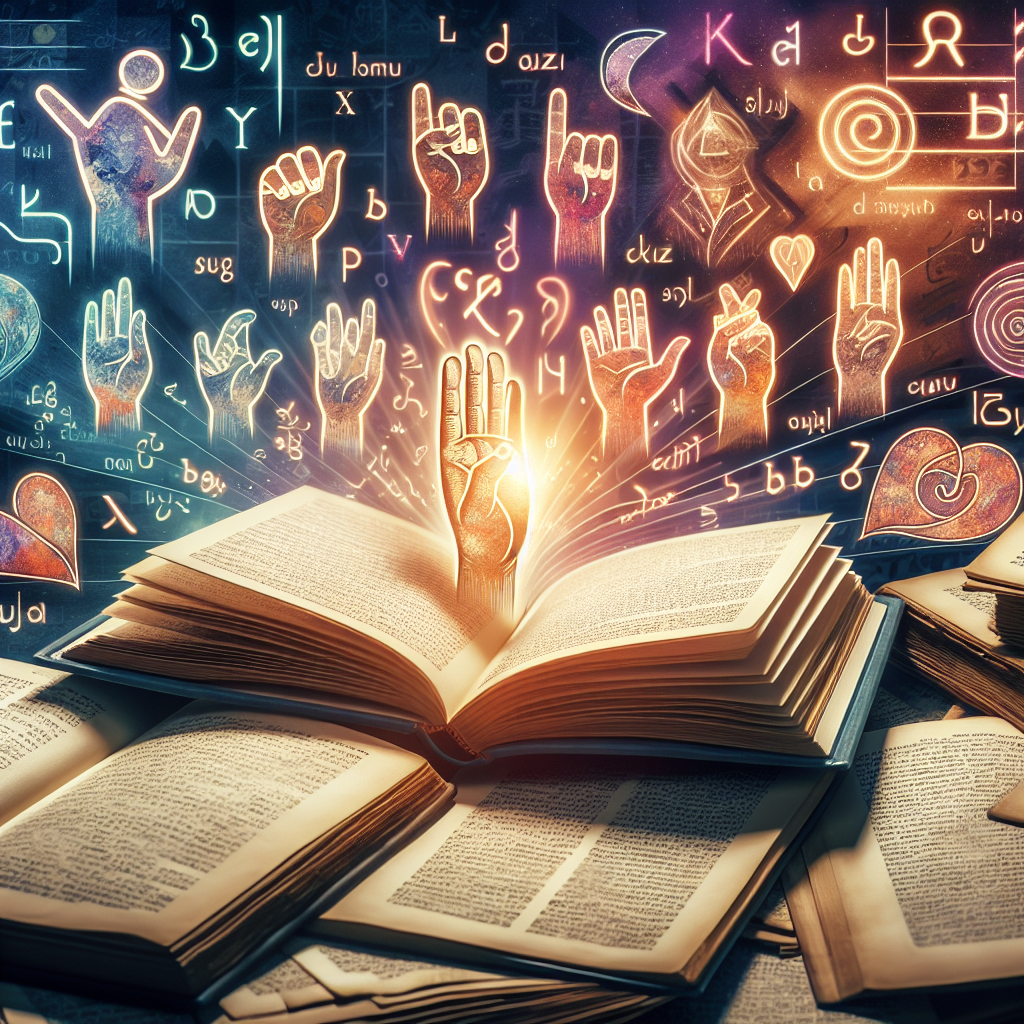
American Sign Language is more than just a language; it is a medium through which the Deaf community expresses its culture and identity. ASL storytelling is characterized by its visual and spatial elements, which make it fundamentally different from written or spoken stories. These stories often involve a combination of hand movements, facial expressions, and body language to convey meaning and emotion in a way that spoken language simply cannot.
One popular form of ASL storytelling is “ABC stories,” where each sign corresponds to a letter of the alphabet in sequential order. These stories showcase the creativity and linguistic dexterity of the storyteller. Another common form is “number stories,” where signs correspond to numbers, adding a mathematical element to the narrative structure.
ASL poetry is another vibrant aspect of Deaf literature. ASL poets use the rhythmic and visual nature of the language to create works that are both evocative and emotive. These poems often explore themes central to the Deaf experience, such as isolation, community, and identity. The visual nature of ASL allows poets to play with space and movement, adding layers of meaning that are unique to the medium.
The Role of Technology in Deaf Literature
Technology has had a profound impact on Deaf literature, enabling new forms of storytelling and making these stories more accessible than ever before. The advent of video platforms like YouTube and social media has provided a stage for Deaf creators to share their stories with the world. These platforms have also facilitated the creation of communities where Deaf individuals can connect and share their experiences.
Captioning and video relay services have made it easier for Deaf individuals to participate in mainstream media and entertainment. This increased visibility has led to a greater appreciation and understanding of Deaf culture and literature among hearing audiences. Additionally, digital publications and e-books have made it possible for Deaf authors to publish and distribute their work independently, bypassing traditional barriers to entry.
Virtual reality (VR) and augmented reality (AR) are also beginning to make inroads into Deaf literature. These technologies offer new ways for Deaf individuals to experience and interact with stories. For example, a VR experience could place users in the middle of an ASL story, allowing them to fully engage with the narrative in a way that a traditional book or video cannot.
Influential Figures in Deaf Literature
Deaf literature has been shaped by numerous influential figures who have used their talents to share the Deaf experience with the world. One such figure is Clayton Valli, an ASL poet and linguist whose work has been instrumental in legitimizing ASL as a mode of literary expression. Valli’s poems often delve into themes of identity, resistance, and community, offering a nuanced portrayal of the Deaf experience.
Phyllis Frelich is another prominent figure in Deaf literature. An accomplished actress and playwright, Frelich won a Tony Award for her performance in the play “Children of a Lesser God.” Her work has been instrumental in bringing Deaf stories to Broadway and mainstream audiences, showcasing the richness and diversity of Deaf culture.
Peter Cook is a renowned ASL storyteller and performer who has captivated audiences worldwide with his dynamic and expressive renditions of Deaf stories. Cook’s work often blends elements of traditional storytelling with modern performance art, creating a unique and engaging experience for his audiences.
Deaf Literature in Education
Deaf literature plays a crucial role in Deaf education, offering students a way to connect with their culture and history. Incorporating Deaf literature into the curriculum helps foster a sense of identity and pride among Deaf students. It also provides a platform for students to develop their ASL and storytelling skills.
Teachers and educators use Deaf literature to teach a variety of subjects, from language arts to social studies. Stories about historical events, cultural practices, and personal experiences offer valuable lessons and insights that resonate deeply with Deaf students. Additionally, the use of ASL literature in the classroom helps break down language barriers and ensures that Deaf students receive a comprehensive and inclusive education.
Deaf literature also encourages Deaf students to become creators themselves. By engaging with these stories, students are inspired to share their own experiences and contribute to the growing body of Deaf literature. This cycle of creation and consumption ensures that Deaf culture and identity continue to thrive.
The Future of Deaf Literature
The future of Deaf literature is bright, with new voices and technologies paving the way for innovative forms of expression. As more Deaf individuals gain access to education and storytelling platforms, the diversity and richness of Deaf literature will continue to grow. Emerging technologies, such as VR and AR, hold exciting possibilities for immersive storytelling experiences that fully capture the visual and spatial nature of ASL.
Furthermore, collaborations between Deaf and hearing artists and creators are likely to produce new and exciting works that bridge cultural and linguistic divides. These collaborations can help foster greater understanding and appreciation of Deaf literature among broader audiences, ensuring that the stories and experiences of the Deaf community are recognized and celebrated.
The increasing visibility and recognition of Deaf literature also underscore the importance of preserving and promoting these stories. Organizations and institutions dedicated to Deaf culture and education, such as Gallaudet University, play a crucial role in supporting and nurturing Deaf creators. As these efforts continue to gain momentum, the impact of Deaf literature on both the Deaf and hearing communities will only grow.
Conclusion
Deaf literature is a powerful and vibrant form of expression that encapsulates the richness of Deaf culture and identity. From its humble beginnings in residential schools to its current manifestations in digital media and performance art, Deaf literature has evolved and thrived, offering valuable insights into the Deaf experience.
American Sign Language, with its visual and spatial characteristics, serves as a unique and compelling medium for storytelling. The advent of new technologies has only expanded the possibilities for Deaf literature, enabling wider access and more innovative forms of expression. Influential figures within the Deaf community have paved the way for future generations, inspiring new storytellers and creators.
Incorporating Deaf literature into education helps foster a sense of identity and pride among Deaf students while promoting a comprehensive and inclusive learning environment. The future of Deaf literature holds exciting possibilities, and continued efforts to support and promote these stories will ensure that the legacy of Deaf culture and identity endures.
As we celebrate and explore the unique forms of expression and storytelling found in Deaf literature, we gain a deeper understanding and appreciation of the Deaf community. By amplifying these voices and stories, we contribute to a more inclusive and diverse literary landscape.