
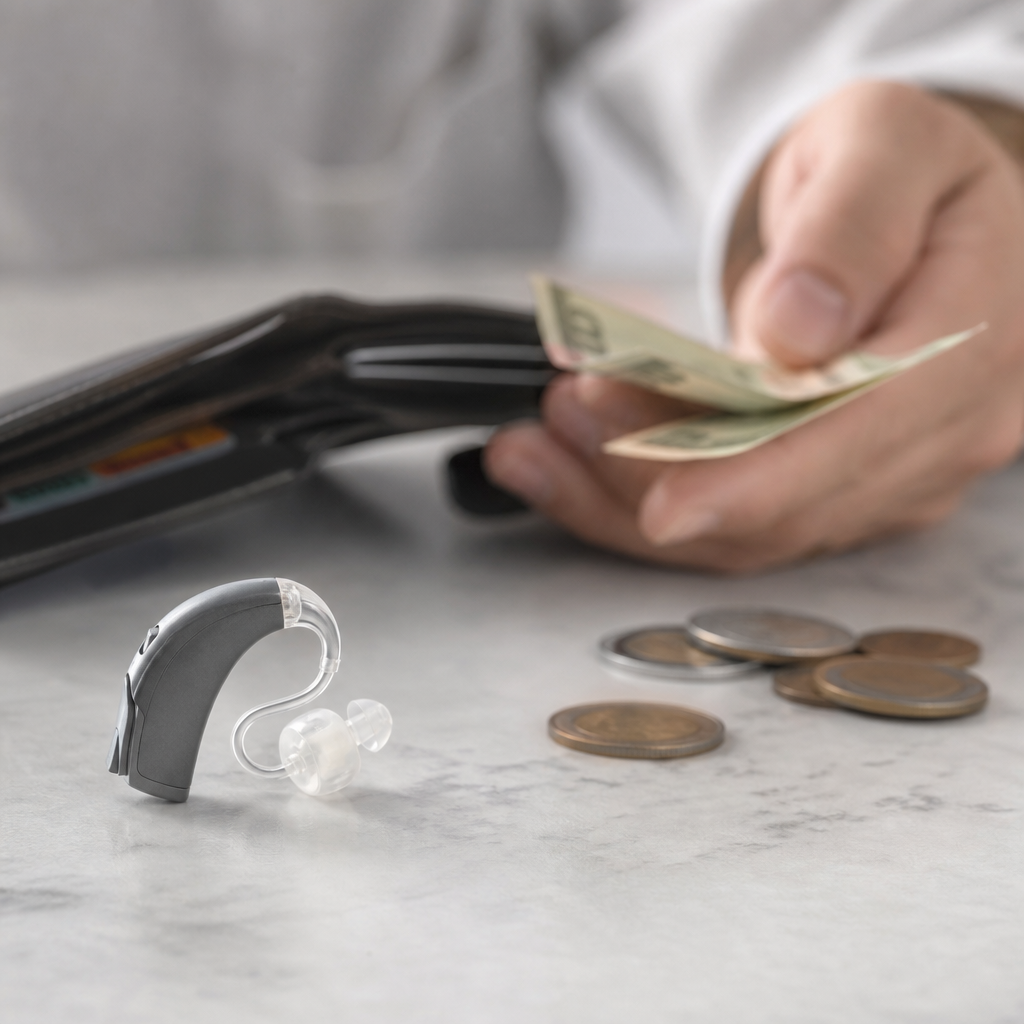
Hearing aid cost ranges widely because the device price reflects not only the hardware in your ear, but also the hearing evaluation, professional fitting, follow-up care, warranty coverage, and the technology needed to match amplification to your specific hearing loss. When people ask, “How much does it cost for a hearing aid?” they usually want a simple number, yet the real answer depends on style, prescription complexity, service model, and whether they are buying through a clinic, a big-box retailer, or a direct-to-consumer provider. In my experience helping people compare hearing aid options, the biggest mistake is focusing only on the sticker price and ignoring the long-term value of support, repairs, and sound quality in daily life. A hearing aid is a medical device for most users, not a casual electronics purchase. That distinction matters because hearing loss affects speech understanding, listening effort, social participation, work performance, and cognitive load. A cheaper device that is poorly fit can leave someone struggling, while a more expensive option with verified fitting and counseling may deliver much better outcomes. Understanding hearing aid costs starts with defining key terms. “Prescription hearing aids” are devices fit to an audiogram and programmed by a hearing professional. “Over-the-counter hearing aids” are intended for adults with perceived mild to moderate hearing loss and do not require a prescription. “Bundled pricing” means the quoted fee includes services over time. “Unbundled pricing” separates the device from appointments and care. Once you understand those categories, hearing aid pricing becomes much easier to compare sensibly and confidently.
Typical hearing aid price ranges and what buyers usually pay
The broad market range for hearing aids in the United States is roughly $200 to more than $7,000 per pair, with the most common prescription purchases often landing between $2,000 and $6,000 per pair depending on technology level and included care. On the low end, some over-the-counter hearing aids cost around $200 to $1,000 per pair. Midrange self-fitting devices often fall between $800 and $2,000 per pair. Professionally fit prescription hearing aids commonly start around $1,500 to $2,500 per pair for basic technology and rise to $5,000 to $7,000 or more for premium devices with advanced noise reduction, directional microphones, rechargeable batteries, Bluetooth streaming, tinnitus features, and stronger support packages. These numbers vary by region, provider, manufacturer, and hearing loss complexity, but they are realistic planning figures for most shoppers.
A single hearing aid may be sold by itself, yet many people do best with two devices because the brain uses input from both ears for localization, speech clarity in noise, and balanced listening. That is one reason hearing aid cost can feel high: people often need a pair, not one. Another reason is that pricing may include a hearing test, real-ear measurements, orientation, follow-up adjustments, cleanings, and a multi-year warranty. I have seen two clinics quote very different prices for the same manufacturer and model because one included three years of visits and loss-and-damage coverage while the other charged separately for each service. Without understanding that difference, price comparisons can be misleading.
| Category | Typical Price Range | What Is Usually Included |
|---|---|---|
| Over-the-counter hearing aids | $200 to $1,000 per pair | Device, app controls, limited support |
| Premium OTC or self-fitting devices | $800 to $2,000 per pair | Device, remote setup tools, rechargeability, app-based tuning |
| Basic prescription hearing aids | $1,500 to $2,500 per pair | Professional fitting, warranty, some follow-up care |
| Mid-level prescription hearing aids | $2,500 to $4,500 per pair | More advanced processing, Bluetooth, bundled visits |
| Premium prescription hearing aids | $4,500 to $7,000+ per pair | Top-tier features, extended care, wider accessory support |
Why hearing aids cost so much: the factors behind the price
Hearing aid pricing is shaped by five major drivers: device technology, hearing loss complexity, form factor, professional services, and aftercare risk. The hardware itself is sophisticated. Modern hearing aids contain multiple microphones, digital signal processors, wireless radios, miniature receivers, feedback management systems, environmental classifiers, and rechargeable power systems, all packed into a device small enough to sit behind or inside the ear. That miniaturization increases manufacturing cost. Software also matters. Premium platforms classify listening environments more accurately, manage sudden loud sounds more smoothly, and improve speech access in restaurants, meetings, cars, and wind. Those improvements are meaningful, but they are not equally important for every user.
Professional care is the other major price component. Best practice fitting is not just plugging numbers into software. A clinician interprets the audiogram, identifies conductive versus sensorineural patterns, checks word recognition, screens for medical red flags, measures ear acoustics, verifies amplification against prescriptive targets such as NAL-NL2 or DSL, and fine-tunes based on user feedback and listening goals. Real-ear measurement, which places a tiny probe microphone in the ear canal to confirm actual output, is widely regarded as the gold standard. It takes time, training, and equipment, and it improves accuracy. When that work is included, the hearing aid price is partly paying for expertise, not just plastic and circuits.
Warranties and support also add cost. Most prescription hearing aids include one to three years of manufacturer warranty, often with at least one loss-and-damage replacement per aid, though deductibles may apply. Follow-up visits for dome changes, wax guard replacement, programming updates, counseling, and cleaning can continue for years. Clinics price those future obligations into the sale. In contrast, some low-cost options look attractive until repairs, returns, or replacement accessories become the buyer’s responsibility. The cheapest hearing aid is not always the lowest-cost hearing solution over three to five years.
Prescription versus over-the-counter hearing aids
For adults with mild to moderate perceived hearing loss, over-the-counter hearing aids can lower the entry price substantially. The FDA created this category to improve access, and it has succeeded in giving consumers more affordable choices. A well-designed OTC hearing aid may be perfectly adequate for someone with straightforward age-related hearing loss, good dexterity, and comfort using a smartphone app. Brands such as Jabra Enhance, Sony, Lexie, and Eargo have helped normalize this path. For the right buyer, the savings can be real.
However, OTC hearing aids are not the best answer for everyone. They are not intended for children, and they are not appropriate when a person has severe hearing loss, asymmetrical hearing loss, sudden hearing changes, persistent ear pain, drainage, significant tinnitus changes, or poor word recognition that requires diagnostic evaluation. In practice, I often recommend a full hearing exam before any purchase, even when someone is leaning toward OTC. A baseline audiogram can reveal whether a self-fit product is reasonable or whether prescription care is the safer choice. Many people who think they need “just a cheap hearing aid” actually need counseling on expectations, communication strategies, earwax management, or medical referral first.
Prescription hearing aids remain the standard for complex hearing profiles and for buyers who want a clinician to guide selection, fitting, verification, and follow-up. They usually cost more, but they also provide the highest level of customization. If your main problem is hearing your spouse in quiet, an OTC product may work. If your problem is understanding speech in meetings, restaurants, places of worship, and family gatherings, professionally fit devices are more likely to justify their cost.
Styles, features, and hidden costs that change the final bill
Hearing aid style affects both cost and performance. Behind-the-ear and receiver-in-canal models are the most common because they fit many hearing losses, support rechargeability, and allow more features in a compact shape. Custom in-the-ear and completely-in-canal models can cost more because they require ear impressions or scans and custom manufacturing. Very small invisible models may appeal cosmetically, but they often have shorter battery life, fewer connectivity options, and less room for power. The best style is usually determined by hearing loss degree, ear anatomy, dexterity, and listening needs rather than vanity alone.
Features can raise the hearing aid cost quickly. Rechargeable systems add convenience and are now standard in many midrange and premium products. Bluetooth streaming for iPhone and Android, remote adjustments, telecoil support, tinnitus masking programs, fall detection in select models, and AI-assisted environmental processing all affect pricing. Some features matter every day, while others sound impressive but offer limited benefit for a particular user. I encourage buyers to ask one practical question for each feature: “When exactly will this help me hear better?” If the answer is vague, it may not be worth paying extra.
Hidden costs deserve attention. Batteries for non-rechargeable models can add hundreds of dollars over several years. Consumables such as domes, wax filters, retention locks, tubing, and drying kits are ongoing expenses. Out-of-warranty repairs commonly range from about $250 to $500 per aid. Replacement chargers and remote microphones cost extra. Some clinics charge for hearing tests, earmolds, telehealth appointments, or annual clean-and-check services if pricing is unbundled. Return policies also vary. A state may require a minimum trial period, but restocking fees can still apply. Before buying, request an itemized written quote and ask what costs could appear after the initial purchase.
Insurance, financing, and smart ways to reduce hearing aid cost
Insurance coverage for hearing aids is inconsistent. Original Medicare generally does not cover hearing aids, though it may cover diagnostic hearing exams when medically necessary. Many Medicare Advantage plans offer some hearing aid benefit through contracted networks, but the allowance and product selection may be limited. Medicaid coverage varies by state and often differs for adults versus children. Private insurance sometimes provides a fixed allowance, discounted pricing, or access to third-party programs such as TruHearing or NationsHearing. Veterans may qualify for hearing aids through the VA if eligibility requirements are met, and this can be one of the strongest coverage pathways available.
There are practical ways to reduce hearing aid cost without making a poor clinical decision. First, compare bundled and unbundled quotes from at least two providers. Second, ask whether an older generation platform is available; last year’s flagship can be an excellent value. Third, consider warehouse or network pricing if your hearing loss is uncomplicated and local follow-up remains accessible. Fourth, use pre-tax funds through an HSA or FSA when eligible. Fifth, ask about payment plans, manufacturer financing, or clinic installment options. Monthly financing can make a higher-quality device manageable without delaying treatment for years.
Shoppers should also think in terms of cost per year of benefit. A $5,000 pair lasting five years costs about $1,000 per year before accessories and maintenance. A $1,000 pair replaced every two years with limited support may not be the bargain it appears, especially if the user stops wearing it because speech understanding remains poor. The best value comes from matching the technology and service level to the person, not from chasing the lowest headline price. If you are evaluating hearing aid cost for yourself or a family member, start with a hearing test, request a detailed quote, and compare total ownership cost before choosing.
The cost of a hearing aid is best understood as a range tied to need, not a single universal number. For some adults with mild hearing loss, effective over-the-counter options begin around a few hundred dollars per pair. For many people seeking professional diagnosis, custom programming, verification, and long-term care, realistic hearing aid cost is often between $2,000 and $6,000 per pair, with premium solutions going higher. What drives the difference is not marketing alone. It is the combination of technology, clinical expertise, warranty protection, and follow-up support that determines whether the device truly helps in daily life.
If you remember only three points, remember these. First, compare total value rather than sticker price. Second, choose the level of care that matches the complexity of your hearing loss and your listening goals. Third, ask for transparency on trials, repairs, accessories, and future service fees before you buy. Those steps prevent many of the disappointing purchases I see, especially when someone buys too little help for a difficult hearing problem or overpays for features they will never use.
A good hearing aid should make conversations easier, reduce listening fatigue, and help you stay engaged at home, at work, and in social settings. That outcome is worth planning for carefully. The smartest next step is simple: schedule a hearing evaluation, review your options side by side, and choose the hearing aid solution that fits both your ears and your budget.
Frequently Asked Questions
How much does a hearing aid usually cost?
The cost of a hearing aid can range from a few hundred dollars to several thousand dollars per ear, depending on what is included in the purchase. In general, basic over-the-counter devices and simpler amplification products may start at a lower price point, while prescription hearing aids fitted by a hearing care professional often cost significantly more. A common reason for the wide range is that many people are not just paying for the device itself. They are also paying for hearing testing, customization, programming, fitting appointments, follow-up adjustments, ongoing care, and warranty support. When someone asks, “How much does it cost for a hearing aid?” the most accurate answer is that the total price depends on both the technology level and the service package that comes with it. In many cases, what looks like a higher upfront cost may reflect more comprehensive care and better long-term support.
Why do hearing aid prices vary so much?
Hearing aid prices vary because hearing loss is not one-size-fits-all, and neither are hearing solutions. Several factors influence cost, including the style of the hearing aid, the sophistication of the sound processing technology, the severity and complexity of the hearing loss being treated, and the place where the device is purchased. For example, a nearly invisible custom-fit model may cost more than a behind-the-ear style, and a hearing aid with advanced speech enhancement, noise reduction, feedback management, rechargeability, Bluetooth connectivity, and app controls may be priced higher than a more basic model. Beyond technology, the service model matters a great deal. A clinic may bundle the hearing evaluation, real-ear verification, fitting, routine follow-up visits, cleanings, repairs, and warranty coverage into the total price. By contrast, a lower advertised price from a different seller may include fewer professional services. This is why two hearing aids that seem similar on the surface can have very different total costs.
Does the price of a hearing aid include professional services and follow-up care?
Often, yes, but not always. In many traditional hearing clinics, the quoted price includes much more than the physical hearing aid. It may cover a diagnostic hearing evaluation, consultation, personalized device selection, earmold impressions if needed, fitting appointments, programming adjustments, real-ear measurements, counseling on how to use and maintain the device, a trial period, manufacturer warranty coverage, and follow-up visits over a set period of time. These services are extremely important because hearing aids work best when they are tuned precisely to the user’s hearing loss and adjusted over time as real-world listening needs become clear. However, some sellers separate the device price from the service fees, and others offer a more limited care model. That is why it is important to ask for a detailed breakdown before buying. A lower sticker price may sound appealing, but if it does not include fitting and support, the overall value may be lower than a more comprehensive package from a qualified provider.
Are cheaper hearing aids worth it?
Cheaper hearing aids can be worth it for some people, but it depends on the type of hearing loss, the user’s listening demands, and how much support they need. For someone with mild hearing difficulty who mainly wants help in simple environments, a lower-cost option may provide meaningful benefit. That can be especially true if the device is easy to use and offers enough basic amplification for everyday conversations. However, people with more significant or complex hearing loss often need prescription devices that can be professionally programmed with much greater precision. They may also need multiple fine-tuning visits, verification testing, and counseling to get the best results. In those cases, the least expensive option may not deliver the clarity, comfort, or speech understanding required. It is also important to consider long-term reliability, return policies, battery or charging systems, app usability, repair support, and warranty terms. A hearing aid that costs less upfront but performs poorly or lacks support may end up being more frustrating and less cost-effective over time.
Will insurance, Medicare, or other benefits help pay for hearing aids?
Coverage for hearing aids depends on the insurance plan, where you live, and the type of benefit you have. Traditional Medicare generally does not cover most hearing aids, although some Medicare Advantage plans may offer hearing-related benefits such as allowances, network discounts, or coverage for exams and fittings. Private insurance varies widely. Some plans provide partial coverage or negotiated pricing, while others exclude hearing aids altogether. In some cases, flexible spending accounts and health savings accounts can be used to help pay for eligible hearing-related expenses. Veterans may qualify for hearing aid benefits through the VA if they meet the requirements, and some state programs, employers, unions, or nonprofit organizations may also offer assistance. Because benefits can be complicated, it is smart to verify exactly what is covered before making a purchase. Ask whether the plan covers the hearing test, the devices, fitting services, replacement, repairs, batteries, and follow-up care. Knowing those details can make a major difference in understanding the true out-of-pocket cost.