
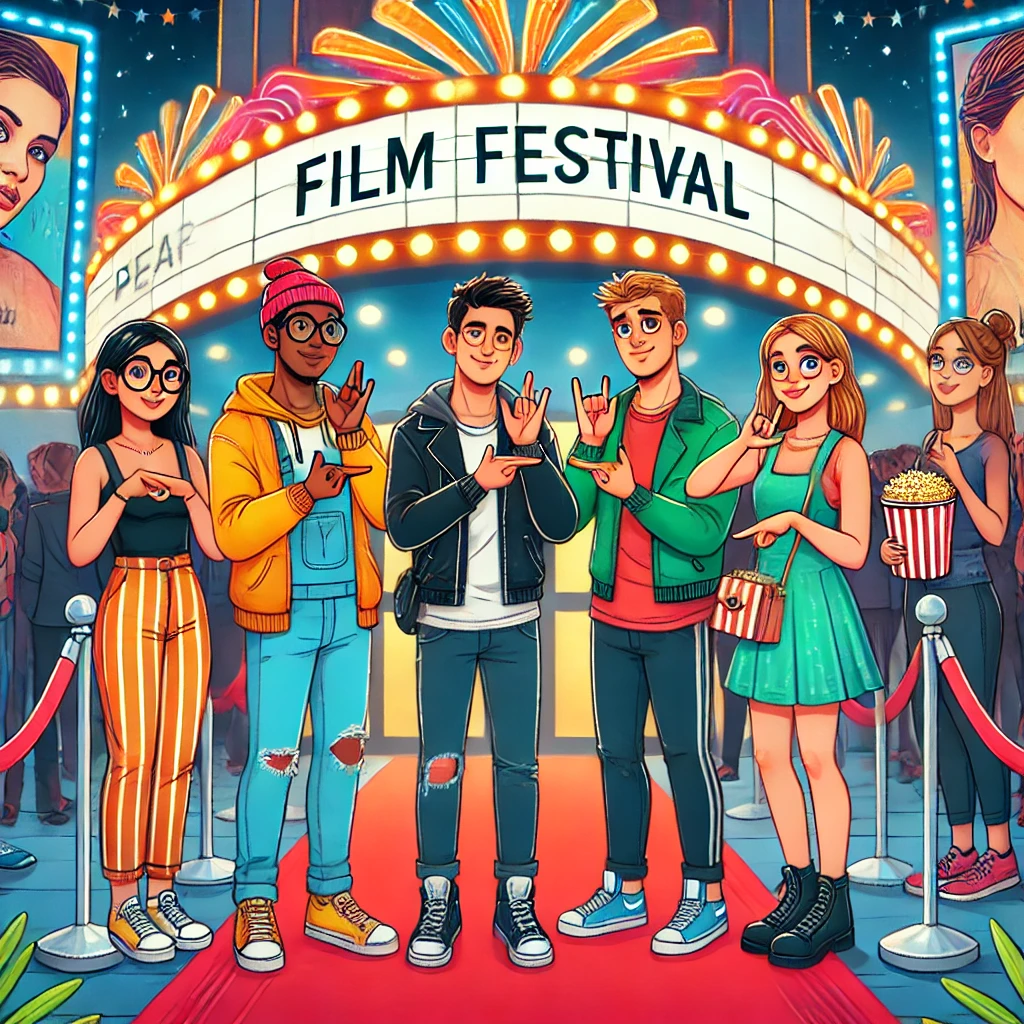
American Sign Language (ASL) is more than just a mode of communication. It’s an integral part of Deaf culture, a rich and vibrant community that has its own history, art, and tradition. One of the many ways this culture finds expression is through film. ASL film festivals have been gaining traction in recent years, showcasing the works of Deaf filmmakers and providing a unique lens through which Deaf culture and identity can be explored. The importance of these festivals cannot be overstated. They not only offer a platform for Deaf artists to share their stories but also serve as an educational tool for the broader public to understand and appreciate the diverse representations of Deafness in cinema.
The very essence of cinema lies in its ability to tell stories that resonate, challenge, and inspire. For the Deaf community, having their stories told through their native language, ASL, is crucial for authentic representation. Deaf filmmakers bring to the screen the intricate layers of the Deaf experience, from the challenges of navigating a predominantly hearing world to the joys and intricacies of Deaf identity and culture. This representation goes beyond mere visibility; it stems from a place of understanding and shared experience.
ASL film festivals provide a sense of belonging and validation to the Deaf community. They celebrate the creativity and resilience of Deaf artists, often in the face of significant obstacles. These festivals also foster a sense of community, bringing together Deaf and hearing audiences to engage with the films, interact with the filmmakers, and participate in discussions and workshops. The result is a deeper, more nuanced understanding of Deaf culture and the ways in which it intersects with broader cultural narratives.
Given the increasing importance of diversity and representation in media, ASL film festivals stand out as pivotal events that bridge gaps and build connections. They showcase the power of visual storytelling and highlight the importance of accessible and inclusive cinema. This article will delve into the significance of ASL film festivals, the impact they have on both Deaf and hearing audiences, and the unique ways in which they capture and convey the diverse representations of Deafness in cinema.
The Significance of ASL Film Festivals
ASL film festivals are not just cultural events; they are powerful platforms for advocacy and education. These festivals play an essential role in bringing the Deaf community’s stories to the forefront, stories that are often overlooked or misrepresented in mainstream media. By showcasing films created by Deaf filmmakers, these festivals ensure that the narratives are authentic and rooted in the lived experiences of Deaf individuals.
One of the key aspects of ASL film festivals is their role in promoting Deaf talent. Deaf filmmakers, actors, and crew members often face numerous barriers in the largely hearing-dominated film industry. ASL film festivals provide a much-needed space where their work can be celebrated and appreciated on its own merits. This visibility can lead to more opportunities and collaborations, ultimately fostering a more inclusive film industry.
Furthermore, these festivals serve as educational tools for hearing audiences. They offer a window into Deaf culture, allowing viewers to gain insights into the community’s unique experiences and perspectives. This can challenge stereotypes and misconceptions about Deafness, promoting greater understanding and empathy. The films often tackle a range of themes, from personal and familial relationships to broader social issues, all through the lens of the Deaf experience. By engaging with these narratives, hearing audiences can develop a deeper appreciation for the richness and diversity of Deaf culture.
Another significant aspect of ASL film festivals is their role in preserving and promoting ASL as a language. The films often feature ASL prominently, showcasing its beauty and expressive potential. This not only reinforces the importance of ASL within the Deaf community but also educates hearing audiences about the language. For many Deaf individuals, seeing their language and culture represented on screen is a powerful affirmation of their identity and a reminder of the importance of cultural preservation.
Impact on Deaf and Hearing Audiences
The impact of ASL film festivals on both Deaf and hearing audiences is profound. For Deaf audiences, these festivals offer a rare opportunity to see their experiences and stories on screen, often created by filmmakers who share their background and perspective. This sense of representation can be incredibly empowering, reinforcing their identity and providing a sense of validation and pride in their culture.
For hearing audiences, ASL film festivals offer a chance to engage with Deaf culture in a meaningful way. The films provide a unique lens through which to understand the Deaf experience, often challenging preconceived notions and fostering greater empathy and understanding. By showcasing the diversity of experiences within the Deaf community, these festivals highlight the fact that Deafness is not a monolithic experience but a complex and multifaceted one.
Moreover, the festivals often feature panel discussions, Q&A sessions with filmmakers, and workshops, providing further opportunities for engagement and learning. These interactive elements allow audiences to delve deeper into the themes and issues presented in the films, ask questions, and engage in dialogue with the filmmakers and other attendees. This can lead to a more enriched and informed viewing experience, fostering a greater sense of connection and understanding between Deaf and hearing communities.
The impact of these festivals extends beyond the immediate experience of the films. For many hearing individuals, attending an ASL film festival can be a transformative experience, one that reshapes their understanding of Deafness and inspires them to become advocates for greater accessibility and inclusion. This ripple effect can lead to more significant societal changes, promoting a more inclusive and accepting world for all individuals, regardless of their hearing status.
Diverse Representations of Deafness in Cinema
One of the remarkable aspects of ASL film festivals is the diversity of representations of Deafness they showcase. Deafness is not a single, uniform experience, and the films presented at these festivals reflect this diversity. From narratives that explore the challenges of communication barriers and accessibility to stories that celebrate the beauty and intricacies of ASL, the films offer a wide range of perspectives on Deafness.
Some films focus on the personal and familial aspects of Deafness, exploring the dynamics within Deaf families or the experiences of Deaf individuals growing up in hearing households. These narratives often highlight the resilience and adaptability of Deaf individuals, as well as the importance of community and support networks. By sharing these intimate and personal stories, the films provide a deeper understanding of the lived experiences of Deaf individuals and the unique challenges they face.
Other films delve into broader social and cultural issues, addressing topics such as accessibility, discrimination, and the fight for Deaf rights. These narratives often serve as powerful calls to action, raising awareness about the systemic barriers that Deaf individuals face and advocating for greater inclusion and accessibility. By presenting these issues through the lens of personal stories, the films make these abstract concepts more relatable and compelling, inspiring viewers to become allies and advocates for change.
Additionally, many films celebrate the beauty and expressiveness of ASL, showcasing it as a vibrant and dynamic language with its own unique grammar and syntax. These films often feature stunning visual storytelling, using ASL to convey emotions and ideas in ways that spoken languages cannot. This not only highlights the richness of ASL as a language but also reinforces its importance within the Deaf community and beyond.
Challenges and Triumphs of Deaf Filmmakers
The journey of Deaf filmmakers is often fraught with challenges, but it is also marked by remarkable triumphs. One of the significant barriers that Deaf filmmakers face is accessibility within the film industry. From securing funding to finding accessible production environments, Deaf filmmakers often have to navigate a landscape that is not designed with their needs in mind. Despite these challenges, many Deaf filmmakers have risen to prominence, creating critically acclaimed works that have garnered recognition and accolades.
The presence of ASL film festivals has been instrumental in providing a platform for Deaf filmmakers to showcase their work. These festivals not only offer a space for their films to be seen and appreciated but also provide networking opportunities, resources, and support. This can be invaluable for emerging filmmakers who are just starting out, offering them the encouragement and validation they need to continue pursuing their craft.
The triumphs of Deaf filmmakers are a testament to their creativity, resilience, and determination. Many have developed innovative storytelling techniques that leverage the visual nature of ASL, creating films that are not only compelling narratives but also visually stunning works of art. These filmmakers are challenging the status quo, pushing the boundaries of what cinema can be, and redefining the ways in which stories can be told.
The success of Deaf filmmakers also has a ripple effect within the broader film industry. By proving that Deaf individuals can create powerful and engaging films, they pave the way for greater inclusion and representation within mainstream cinema. Their work inspires other Deaf individuals to pursue careers in film and media, fostering a more diverse and inclusive industry for future generations.
The Future of ASL Film Festivals
The future of ASL film festivals looks promising, with a growing recognition of the importance of diverse voices and inclusive storytelling. As awareness of Deaf culture and the contributions of Deaf filmmakers continues to spread, it is likely that ASL film festivals will continue to gain prominence and reach broader audiences.
One significant development in recent years has been the increasing use of technology to make ASL film festivals more accessible. Virtual film festivals and online platforms have allowed these events to reach audiences worldwide, breaking down geographical barriers and making it easier for people to engage with Deaf cinema. This has been particularly important during the COVID-19 pandemic, when many traditional in-person events were not possible.
Looking ahead, there is a growing emphasis on fostering collaboration between Deaf and hearing filmmakers. By working together, these creators can bring unique perspectives to their projects, creating films that are enriched by their diverse experiences and backgrounds. This collaboration can also help bridge the gap between Deaf and hearing communities, fostering mutual understanding and respect.
Another exciting development is the increasing recognition of ASL film festivals by mainstream film institutions. As these festivals gain more visibility and recognition, it is likely that more resources and support will become available to Deaf filmmakers. This can help ensure that their stories continue to be told and that their contributions to the world of cinema are celebrated and appreciated.
Conclusion
ASL film festivals are more than just events; they are celebrations of Deaf culture, identity, and creativity. They provide a vital platform for Deaf filmmakers to share their stories, promote their language, and challenge societal norms. Through their films, these artists offer a unique and authentic representation of Deaf experiences, enriching the world of cinema and promoting greater understanding and inclusion.
These festivals have a profound impact on both Deaf and hearing audiences. For Deaf individuals, they offer a sense of validation and pride in their culture, showcasing the beauty and richness of their language and experiences. For hearing audiences, they offer an opportunity to engage with Deaf culture, challenge their preconceptions, and develop greater empathy and understanding.
The diverse representations of Deafness showcased at these festivals highlight the fact that Deafness is not a monolithic experience. The films offer a range of perspectives, from personal and familial stories to broader social and cultural issues. This diversity of representation is crucial for fostering a more inclusive and nuanced understanding of Deaf culture.
Despite the challenges that Deaf filmmakers face, their triumphs are a testament to their resilience and creativity. ASL film festivals have played a crucial role in providing a platform for their work, offering support and resources that have helped them succeed. The future of these festivals looks promising, with growing recognition and support for Deaf filmmakers and their contributions to cinema.