
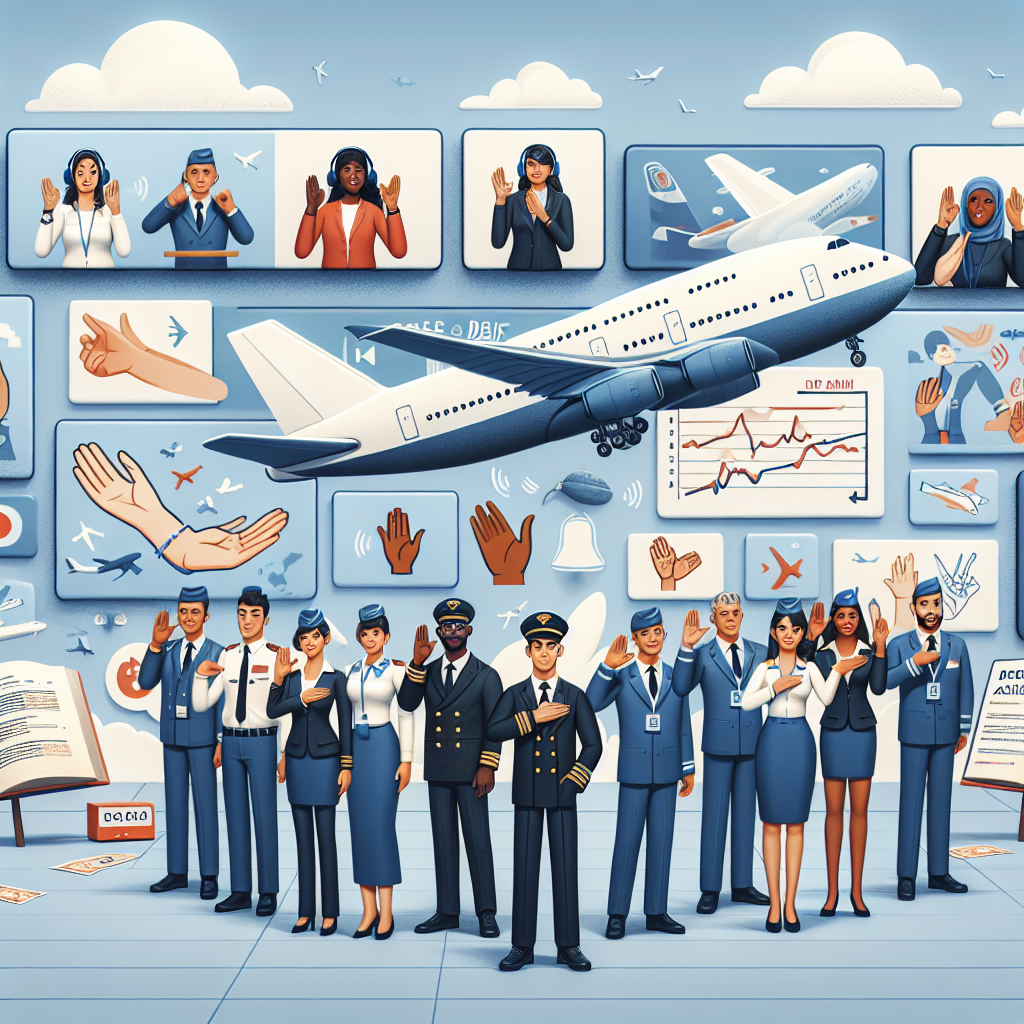
Traveling is an integral part of modern life, offering opportunities for cultural exchange, business, and leisure. However, for individuals who are deaf or hard of hearing, traveling can pose unique challenges, particularly when flying. Airlines, as key facilitators of transportation, play a crucial role in enhancing travel experiences for all passengers, including those who are deaf. There’s a growing need for airlines to champion accessibility and promote deaf awareness throughout their services. By doing so, they ensure increased inclusivity and improved customer service that benefits not just deaf passengers but the traveling public as a whole.
Deaf awareness encompasses understanding the culture, language, and experiences of people who are deaf or hard of hearing. It also involves recognizing and addressing the barriers they face. Considering the rapid advancements in technology and the call for sustainable, inclusive travel, airlines must adapt by implementing policies and tools that support and respect the needs of deaf travelers. This approach is vital not just ethically, but economically, as it opens up a significant customer base often neglected in travel discourse. This article explores how airlines can promote deaf awareness through a blend of training, technology, and thoughtful customer service.
Training and Educating Airline Staff
The foundation of promoting deaf awareness lies in comprehensive training for all airline personnel, from check-in agents to flight attendants. Training programs should aim at equipping staff with an understanding of deaf culture and basic sign language skills, such as American Sign Language (ASL) or other relevant sign languages, depending on the geographic focus of the airline. Such training empowers employees to communicate more effectively with deaf passengers, thereby enhancing their travel experience.
Airlines can partner with deaf awareness organizations and experts to craft engaging workshops and seminars that offer insight into the challenges faced by deaf travelers. Moreover, simulation exercises can facilitate empathy and better prepare staff to handle real-life scenarios. Incorporating these lessons into regular training cycles ensures that all employees remain informed about best practices in accommodating deaf passengers. Airlines that demonstrate commitment to training see benefits not only in customer satisfaction but also employee confidence and morale, as they are better equipped to serve all passengers equitably.
Technological Innovations
Technology is a powerful enabler for accessibility, and airlines are uniquely poised to leverage innovations to aid deaf travelers. One promising trend is the use of mobile apps that serve as a communication bridge. These apps can offer features like text-based communication with airline representatives or real-time flight updates delivered through visual rather than auditory means.
Additionally, in-flight entertainment systems can be made more inclusive by providing closed captions and sign language options for videos. Airlines should also ensure that emergency briefings and safety instructions are made accessible through visual aids or trained interpreters, both on the ground and in the air. Implementing such technologies shows an airline’s dedication to inclusivity, helping to remove communication barriers and ensure deaf travelers feel informed and valued on their journey.
Inclusive Communication Practices
Clear, inclusive communication is key to serving deaf passengers effectively. Airlines must prioritize the development of clear signage and visual communication aids throughout the travel experience—from booking to baggage claim. This also includes making customer service readily accessible via text chat or email for booking inquiries and support.
Onboard announcements, which are traditionally verbal, can be supplemented with visual displays available throughout the cabin and personal screens. Employing interpreters at key touchpoints in the airport, such as during check-in and boarding, further enables seamless communication. Proactively adjusting these communication practices ensures that all passengers receive the same level of service and attention, fostering a more inclusive travel environment that benefits everyone.
Collaborations and Partnerships
Collaboration with associations that advocate for the deaf community can provide airlines with invaluable insights into the practical needs and preferences of deaf travelers. These partnerships can guide the development of policies and practices tailor-made to support deaf individuals.
By seeking the expertise of organizations such as the National Association of the Deaf or local equivalents, airlines can ensure their services meet high standards of accessibility. Joint initiatives may include awareness campaigns, feedback sessions with deaf passengers, and pilot programs designed to test new accessibility strategies. Such collaborative efforts not only advance airline services but also position the company as an ally to the deaf community, enhancing brand loyalty and public perception.
Policy Implementation and Monitoring
For airlines to be serious contenders in promoting deaf awareness, they must implement robust policies that advocate for accessibility and inclusivity. It begins with establishing clear guidelines that prioritize accessibility in all aspects of airline service, from ticket sales to in-flight experiences.
Regular monitoring and evaluation of these policies are necessary to ensure their effectiveness and identify areas needing improvement. Airlines should solicit feedback from deaf passengers consistently, using their insights to guide continuous improvement. Regular assessments and the willingness to adapt based on gathered insights demonstrate an airline’s commitment to maintaining high standards of accessibility, ensuring that deaf passengers feel as welcome and respected as their hearing counterparts.
Conclusion
Air travel, being a gateway to the world, ought to be an inclusive experience for all. The responsibility lies with airlines to actively promote deaf awareness through comprehensive staff training, adoption of inclusive communication practices, embracing technological innovations, engaging with the deaf community, and implementing effective policies. In doing so, airlines can create an accessible travel environment that not only respects but also celebrates diversity.
The path to accessibility is an ongoing process that requires dedication, empathy, and innovation. By prioritizing these strategies, airlines can not only improve the travel experience for deaf passengers but also set industry standards that promote global inclusivity. Such efforts have the power to transform the way we travel, ensuring that everyone, regardless of their hearing capacity, can enjoy the wonders of flight without barriers.