
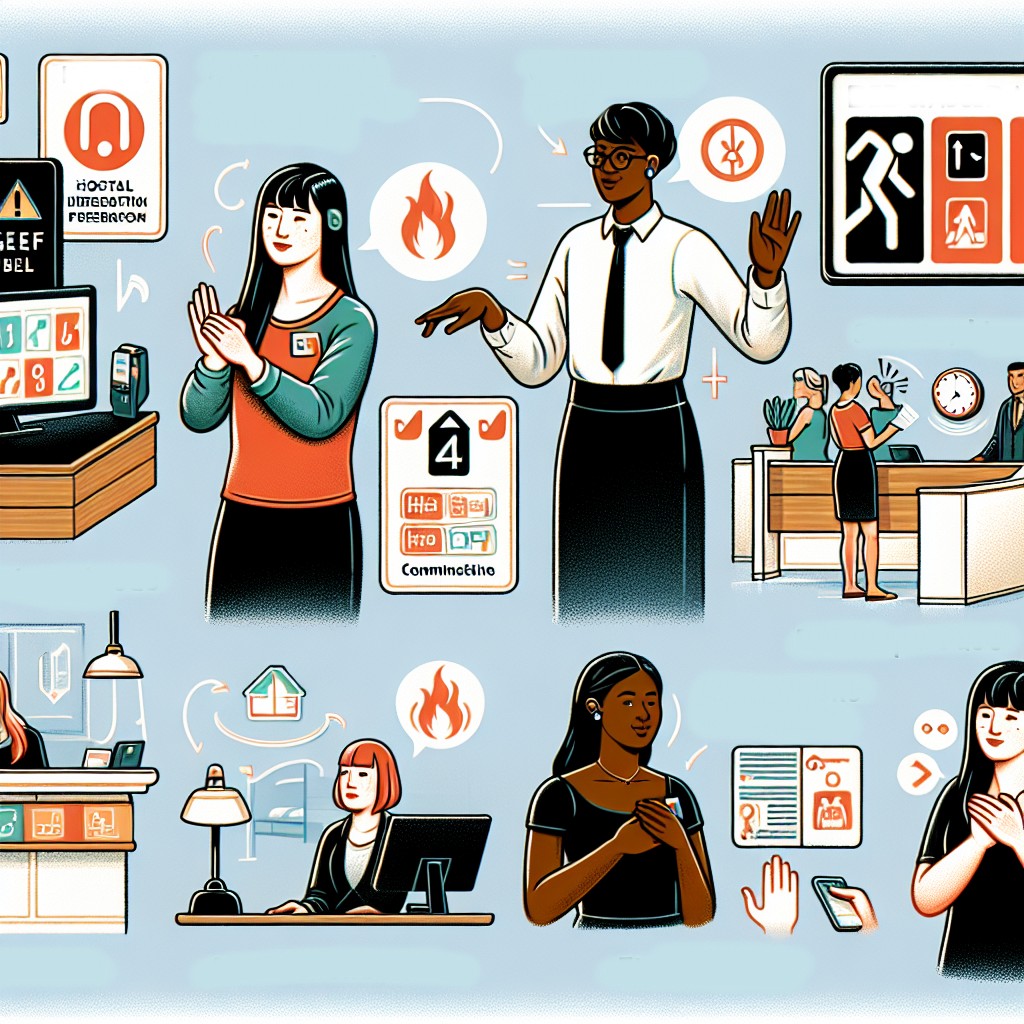
Travel is an experience that offers individuals the opportunity to explore new places, meet diverse people, and immerse themselves in different cultures. For many, it’s a time of relaxation and adventure. However, for deaf travelers, the journey can often present unique challenges, primarily due to the gap in accessibility that exists within the hospitality sector. For hotels, hostels, and bed & breakfasts, creating an accessible and inclusive environment is not just a matter of compliance, but also an opportunity to broaden their appeal to a significant segment of travelers.
With more than 5% of the world’s population being deaf or hard of hearing, there’s a tremendous need and business rationality for accommodations to cater to these individuals. Deaf travelers, much like hearing travelers, seek experiences that are accessible, comfortable, and accommodating to their needs. By making necessary adjustments and improvements, hostels and B&Bs can ensure they are inclusive, thereby improving guest satisfaction, expanding their market reach, and aligning with ethical standards of providing equal opportunity for all guests.
Understanding the Needs of Deaf Travelers
Deaf travelers, like all travelers, have a basic need: they require accommodation that is safe, comfortable, and caters to their specific requirements. For the deaf or hard of hearing, the typical hustle and bustle of a hostel or B&B can pose communication challenges. Rooms may lack visual alerts for emergency signals, or staff members might not be trained in basic sign language.
Understanding the needs of these travelers starts with recognizing the barriers they face. The absence of clear visual communication aids, inadequately trained staff, and a general lack of awareness can make travel experiences cumbersome for deaf guests. It is critical that hostels and B&Bs adopt comprehensive measures to address these issues. For instance, visual alerts such as vibrating alarm clocks, flashing doorbells, and closed-captioned TVs can significantly improve the experience of a deaf guest. Furthermore, educational initiatives for staff on basic sign language and deaf culture can foster more effective communication and create a welcoming environment.
Implementing Visual and Technological Solutions
Technology and thoughtful design can play pivotal roles in bridging the gap in accessibility for deaf travelers. Simple but effective changes can make a host of difference in how welcoming and accessible a hostel or B&B is perceived. Visual alarm systems should be installed in rooms, ensuring that deaf guests can be alerted in case of emergencies. This technology, such as strobe lights or vibrating alerts integrated with fire alarms, is essential in meeting safety requirements.
Additionally, providing visual aids like closed-captioning on televisions and information screens that display important messages or updates in common areas is vital. The digital evolution also offers mobile apps and services that can translate spoken words to text in real time, providing another layer of accessibility. Ensuring that Wi-Fi is strong and reliable also empowers guests to use personal assistive technologies, such as video relay services for communication. Embracing these technological advancements can create a more inclusive hospitality environment and significantly enhance the travel experiences of deaf guests.
Creating Deaf-Friendly Physical Spaces
Physical space considerations are another crucial aspect of enhancing accessibility for deaf travelers. Accessibility encompasses how easily someone can navigate through a facility and how conducive the environment is to effective communication. In communal spaces such as lounges and dining areas, acoustic treatments that minimize background noise can benefit all guests but are particularly advantageous for those who rely on visual cues and sign language.
Ensuring adequate lighting in these areas is also important—many deaf individuals use lip reading to complement their understanding, making well-lit environments conducive to clearer communication. Arranging seating to maximize face-to-face interaction and offering private or quiet spaces for guests who may prefer them can foster inclusivity. Clear signage using universal symbols and multiple languages ensures everyone can navigate the space effectively, enhancing the overall guest experience.
Training and Empowering Staff
Staff training is a key element in creating an accessible environment for deaf travelers. Employees who are educated about the needs of deaf guests, familiar with basic sign language, and empathetic towards communication challenges can profoundly impact a guest’s experience. Investing in training programs that cover the basics of deaf culture, communication strategies, and the use of assistive technologies will set a precedent for exceptional service.
Hostels and B&Bs should provide resources such as printed guides or digital manuals for guests and staff, outlining the features available for deaf travelers and how to use them. Engaging with local deaf communities can also provide insight and training opportunities for staff, fostering a connected atmosphere that extends beyond simply providing a service. When staff members are empowered with the right tools and knowledge, they become advocates for inclusivity and positively influence the travel experience of deaf guests.
Building Relationships With the Deaf Community
Accommodation providers looking to improve their services for deaf travelers can benefit enormously from establishing relationships with the local deaf community. These connections not only provide business opportunities but also offer vital insights into the needs and expectations of deaf travelers. Gathering feedback from deaf guests can lead to tailored solutions that better accommodate their specific needs.
Partnerships with deaf organizations can provide ongoing consultancy and support, ensuring that accessibility measures remain up-to-date and effective. These collaborations can extend to promotional strategies and campaigns, highlighting the inclusive measures taken by hostels and B&Bs to attract more deaf travelers. By involving the deaf community in the conversation, hostels and B&Bs can ensure their approaches are comprehensive and aligned with the true needs of deaf guests.
Conclusion
Increased awareness about the needs of deaf travelers and the implementation of accessibility solutions presents a tremendous opportunity for the hospitality industry, especially hostels and B&Bs eager to expand their market and enhance guest satisfaction. By adopting visual and technological solutions, creating suitable physical spaces, training staff, and forming partnerships with local deaf communities, hospitality providers can set themselves apart as leaders in inclusivity.
Ultimately, this commitment to accessibility not only reflects the dedication to providing exceptional service to all guests but also demonstrates a conscious effort to promote equality and embrace diversity. The changes necessary to accommodate deaf travelers are not only achievable but also beneficial to the overall guest experience. With the right measures in place, hostels and B&Bs can become harbingers of accessibility, ensuring that travel is made easier and more enjoyable for everyone, including the vibrant community of deaf travelers eager to explore the world.