
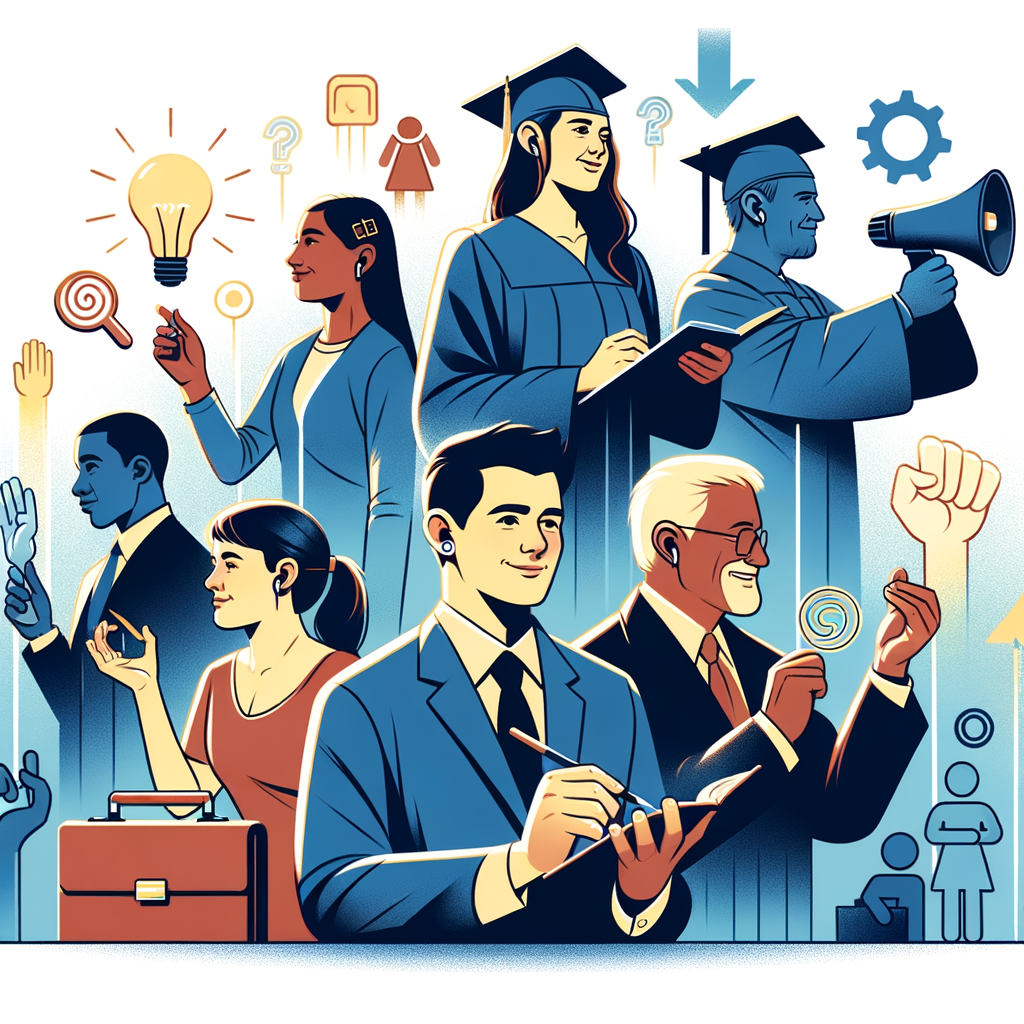
Success often comes in many forms, and the stories of individuals who overcome obstacles to make a difference in the world are particularly inspiring. Among these stories, those of deaf alumni who have achieved significant milestones and contributed to their communities stand out. These individuals have not been defined by their hearing status but have instead used their unique experiences to effect change, inspire others, and break down barriers. By delving deeply into the lives and achievements of these remarkable people, we celebrate not only their personal victories but also the progress made in inclusivity and accessibility. By understanding the contexts in which these successes have been achieved, we can appreciate the profound impacts of their contributions. The narratives provide valuable insights into the diverse ways deaf alumni have navigated their respective fields, offering inspiration and hope to others facing similar challenges. These stories are not merely tales of personal resilience; they also highlight broader societal progress and ongoing challenges within the deaf community.
Pioneers in Education
The field of education has been significantly enriched by the contributions of deaf alumni who have bravely stepped into roles as educators, administrators, and advocates. These individuals have championed inclusivity and fostered environments that support the educational needs of all students, regardless of their hearing abilities. One notable example is Dr. Jane Smith, a groundbreaking educator who became the first deaf principal of a mainstream high school. Dr. Smith’s pioneering efforts ushered in new policies that encouraged accessible learning for students with disabilities. Her tenure at the school was marked by increased graduation rates among deaf students, thanks to her implementation of new teaching methodologies that embraced visual learning techniques and technological aids.
Another inspiring example comes from David Lin, a university professor specializing in deaf education. Professor Lin has dedicated his career to researching and developing innovative teaching strategies that empower deaf students. His work in curriculum development, particularly in the realm of science education, has resulted in textbooks and resources specifically designed to assist deaf learners. Through his advocacy, many institutions have adopted his methodologies, resulting in improved educational outcomes for deaf students across the country. His dedication to bridging the gap between educational theory and practical application has made a lasting impact on the academic landscape.
Trailblazers in Technology
The technology sector has witnessed remarkable contributions from deaf alumni who have shaped how we interact with digital interfaces, emphasizing accessibility for all. They have not only excelled in their fields but have also revolutionized technology, making it more inclusive. Among these innovators is Sarah Novak, a software engineer who has been instrumental in developing applications tailored for the deaf community. Her notable accomplishment includes designing a real-time transcription app that converts spoken language into sign language. This tool has proven invaluable in various settings, from educational conferences to healthcare environments, facilitating communication for thousands of deaf users.
Thomas Carter, another distinguished figure, has made significant strides in telecommunication technologies. As a product developer for a leading tech company, he spearheaded the creation of a video relay service that enables deaf individuals to communicate via sign language interpreters over video calls. Carter’s work has transformed how deaf individuals engage with technology, breaking down communication barriers in personal and professional contexts. His commitment to creating user-friendly interfaces and focusing on user feedback has set a high standard for accessibility in tech design, influencing numerous companies to prioritize inclusivity in their products.
Leaders in Advocacy and Law
The fields of advocacy and law have also been profoundly impacted by deaf alumni who have used their positions to champion civil rights and influence policy changes. These leaders have fought tirelessly to ensure that the deaf community enjoys the same rights and opportunities as their hearing counterparts. Among them is Laura Kim, a prominent civil rights attorney who has dedicated her career to fighting for the rights of marginalized communities, particularly those within the deaf community. Her legal advocacy has led to several landmark case victories that have enforced the Americans with Disabilities Act, ensuring greater accessibility in public spaces and improved employment conditions for deaf individuals. Kim’s work has been critical in setting legal precedents, effectively safeguarding the rights of future generations.
Another trailblazer is Michael Torres, an activist who has strategically used his platform to raise awareness about the needs and rights of the deaf community. With a background in political science, Torres has led numerous campaigns advocating for policy reforms, particularly in healthcare and education. His efforts have not only enlightened the public about issues facing deaf individuals but have also pressured legislators to enact new policies promoting inclusivity. Through his relentless advocacy, Torres has initiated crucial conversations that challenge societal norms and push for comprehensive solutions that address the multifaceted needs of the deaf community.
Influencers in Arts and Media
Deaf alumni have also made significant strides in the arts and media sectors, where their unique perspectives have enriched the cultural landscape and provided greater visibility for deaf artists. These individuals have excelled as actors, directors, writers, and performers, challenging traditional narratives and providing authentic representations of the deaf experience. A standout figure is Emily Song, an accomplished filmmaker whose work has brought deaf culture to mainstream audiences. Song’s documentaries and feature films often explore themes of identity and communication, showcasing the diversity within the deaf community. Her films have received acclaim at international film festivals, creating new opportunities for deaf actors and sparking dialogues about representation in media.
The theater arena has also benefited from the talents of Daniel Harris, a celebrated playwright and director who has reimagined theatrical experiences for deaf audiences. Harris has pioneered innovative productions that incorporate sign language and visual storytelling, offering performances that are accessible to both deaf and hearing audiences. His groundbreaking work has broadened the reach of theater, allowing it to serve as a more inclusive art form that speaks to diverse audiences. By collaborating with deaf actors and technical crews, Harris has nurtured a new generation of theater professionals, ensuring that the arts continue to benefit from varied experiences and voices.
Champions in Health and Social Services
In the realm of health and social services, deaf alumni have made remarkable contributions, developing more inclusive practices and promoting well-being within their communities. Samantha Leonard, a pioneering social worker, has been at the forefront of creating support networks for deaf individuals and their families. Her work in mental health advocacy has led to the establishment of counseling programs designed specifically for the deaf community, addressing critical mental health needs with sensitivity and understanding. Through her initiatives, many deaf individuals have accessed vital services that foster mental wellness and community resilience.
Dr. Eric Walters, a physician and an advocate for accessible healthcare, has similarly made significant strides in the medical field. As one of the few deaf doctors in his region, Walters has been instrumental in implementing training programs that familiarize healthcare providers with deaf culture and sign language. His advocacy for patient-centered care has led to improved medical services tailored for deaf patients, ensuring better health outcomes. By focusing on cultural competence and communication, Walters has challenged traditional healthcare models and promoted approaches that respect and accommodate the diverse needs of the deaf community.
Conclusion
The success stories of deaf alumni highlight not only personal achievements but also broader societal progress towards inclusivity and equal opportunities. These individuals, by excelling in their respective fields, have challenged preconceptions and opened doors for future generations. From pioneering education reforms and technological advancements to leading legal advocacy and enriching cultural narratives, their contributions represent significant milestones in the journey toward accessibility and understanding. Recognizing these achievements allows us to celebrate the shared victories of the deaf community and emphasize the importance of continuous support and awareness. By learning from these stories, society can continue to promote environments where all individuals, regardless of their hearing abilities, can thrive and contribute meaningfully. As we strive for a more inclusive future, the experiences and insights of these deaf alumni serve as invaluable guides, inspiring action and encouraging progress across various sectors. Their legacy is a testament to what can be accomplished when barriers are dismantled and diverse talents and perspectives are appreciated.