
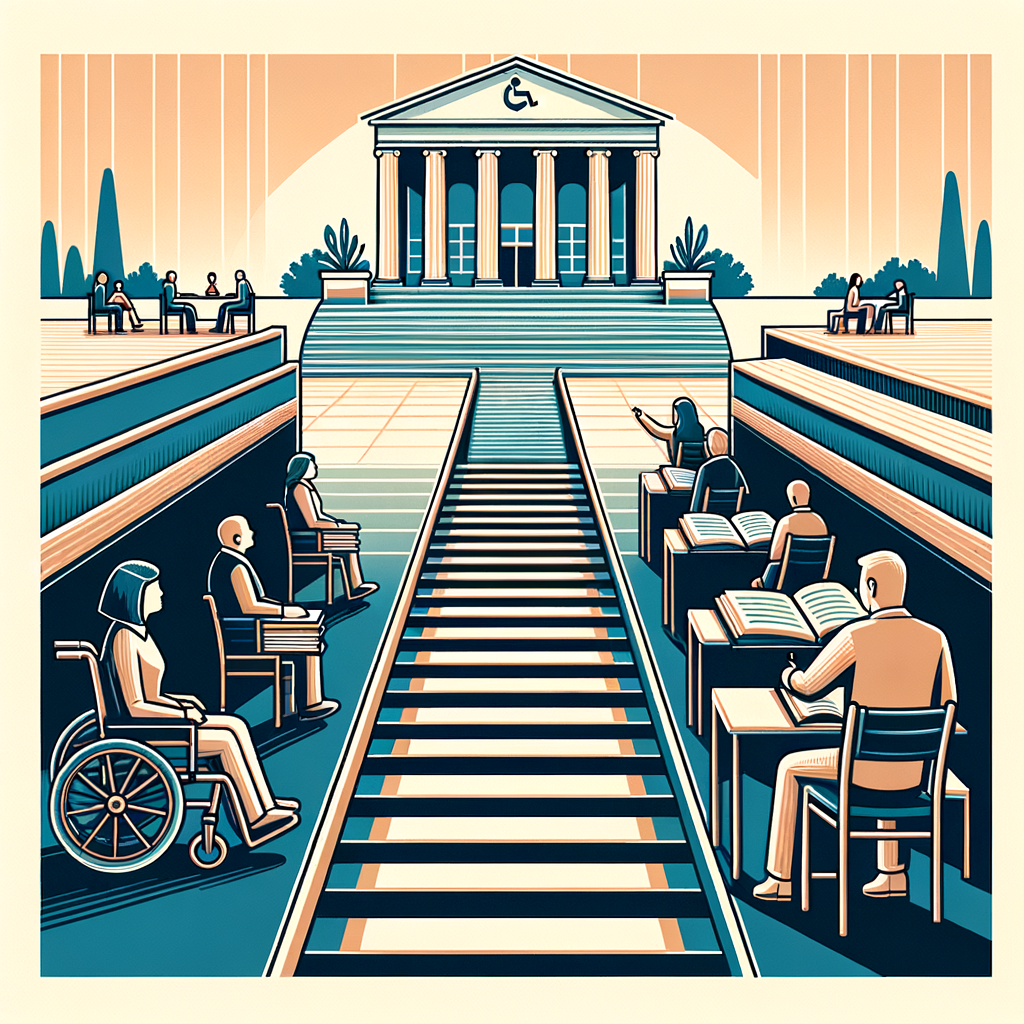
Accessibility in higher education is crucial, ensuring that everyone, regardless of physical, sensory, or cognitive disabilities, has equal access to academic facilities, resources, and opportunities. Advocating for accessibility in higher education institutions involves championing policies, resources, and practices that reduce barriers for students and staff with disabilities. Often, institutions may overlook accessibility due to a lack of awareness or resources, making advocacy essential in driving meaningful change. Understanding how to effectively advocate for accessibility requires an in-depth look into the practical steps that one can take to push for improvements and adjustments within these institutions. Accessible education empowers individuals, fostering an inclusive environment that benefits everyone. An advocate’s role spans various strategies, from engaging in policy discussions to working closely with administrators, faculty, and students to implement changes. This article navigates through practical ways to champion accessibility within higher education, guiding advocates in voicing their concerns, leveraging available resources, and achieving tangible results. No matter where you begin, these advocacy strategies will empower you to elevate accessibility issues to the forefront of institutional agendas, thus paving the way for more inclusive campuses.
Understand the Current Landscape
Before effectively advocating for accessibility improvements in higher education, it’s crucial to understand the current landscape of accessibility within your institution. Most colleges and universities have Disability Resource Centers (DRCs) or similar units that focus on supporting students with disabilities. Familiarize yourself with the existing services these centers provide, looking into aspects such as assistive technologies, accommodations in classrooms and examinations, and support services for orientation and mobility. Conducting an audit on the accessibility of online platforms used by the institution also plays a vital role. Furthermore, assess whether the buildings and facilities adhere to universal design principles or if they need renovations to become accessible to individuals with various disabilities. Understanding institutional policies regarding disability and any barriers they might create is essential. This groundwork lays the foundation for an enlightened perspective on where improvements can be made, and how best to approach institutional dialogue on accessibility.
Educate and Engage the Community
Raising awareness is one of the first steps in advocacy. Many people, including those in higher education, might not fully understand what accessibility entails or why it’s vital. Hosting workshops, lectures, and seminars that educate students, faculty, and staff about disability issues and the importance of accessibility can be transformative. Engaging disability rights experts for these events can provide insights into the latest best practices and innovations. Additionally, creating educational materials such as pamphlets, articles, or videos that explain the benefits of accessibility can help build an informed and empathetic community. Engaging students with disabilities themselves in these dialogues enhances authenticity and provides firsthand perspectives. Another impactful method is forming an accessibility network or advocacy group dedicated to advancing these causes. Such groups ensure continued dialogue and action, creating a rallying point for enthusiasts to contribute ideas and efforts towards bolstering accessibility across campus.
Advocate for Policy Development and Review
Effective institutional change often occurs through policy development and implementation. Thus, working with policymakers to establish comprehensive accessibility policies is pivotal. First, review your institution’s current policies related to disability and accessibility. Identify gaps or areas in need of improvement. Collaborate with administrative bodies, policymakers, and legal advisors to draft or revise policies that align with legal requirements such as the Americans with Disabilities Act (ADA) or other local regulations. Ensure these policies address key aspects like accommodation processes, grievance procedures, and accessibility standards for physical and digital spaces. Advocate for these policies to be visibly integrated into the institution’s strategic planning, ensuring long-term commitments to accessibility. Incorporating policy changes not only formalizes the institution’s dedication but also paves the way for enforceable action and accountability, critically safeguarding the rights and needs of individuals with disabilities.
Leverage Technology for Accessibility
In a digitally-driven academic landscape, leveraging technology is crucial for enhancing accessibility. Advocate for the adoption of inclusive technologies that facilitate learning for students with disabilities. Start by ensuring that all digital content complies with the Web Content Accessibility Guidelines (WCAG), ensuring materials are perceivable, operable, understandable, and robust for everyone. Promote the integration of assistive technologies such as screen readers, Braille displays, and speech recognition software. Collaborate with IT departments to provide training for faculty and staff on creating accessible digital content and utilizing the relevant technologies. Moreover, focus on the use of learning management systems (LMS) that cater to diverse needs, ensuring routine audits and updates for continuous accessibility enhancements. Highlight the benefits of these technologies not just for students and staff with disabilities, but also for the wider campus community to garner broader support for technological accessibility initiatives.
Secure Funding and Resources
Securing adequate funding and resources is a common challenge in advocating for enhanced accessibility. Explore available grants and funding sources dedicated to disability services and accessibility projects. Federal, state, and private grants often offer financial support for institutions seeking to improve their inclusivity. Work with the institution’s grant writing team or financial officers to develop competitive proposals, highlighting the necessity and impact of improved accessibility. Lobby the administration to allocate budgetary resources to accessibility improvements, emphasizing the long-term benefits such as increased student satisfaction and retention rates. Additionally, foster partnerships with external organizations and businesses that specialize in accessibility to gather resources or expertise. Creating a strong case for investment in accessibility showcases its role in enhancing institutional reputation and compliance with legal and ethical standards, motivating decision-makers to prioritize funding allocations.
Implement Training and Professional Development
Empowering faculty and staff through targeted training is fundamental in effective accessibility advocacy. Advocate for regular professional development sessions that focus on disabilities, accessibility best practices, and legal obligations. Training programs should aim to improve understanding and practical application of accommodations, inclusive teaching methods, and open communication with individuals needing support. Encourage staff to adopt a proactive approach to accessibility, integrating these principles into their daily interactions and instructional designs. Another effective strategy includes developing mentorship and peer-support networks among staff, fostering an environment for sharing insights and experiences regarding accessibility techniques. Seeing peers actively engage in these practices encourages others to follow suit, amplifying awareness and application of accessibility standards. By ensuring that faculty and staff are well-equipped to support students’ varying needs, higher education institutions can significantly enhance the academic experience for all learners.
Engage in Ongoing Evaluation and Feedback
Continuous evaluation and feedback are integral to any advocacy effort, including accessibility initiatives. Establish routine evaluations of accessibility practices and policies, ensuring that they remain relevant, applicable, and effective. Conduct surveys and gather feedback from students and staff, particularly those with disabilities, to identify areas requiring more attention or enhancements. Using structured evaluation frameworks and external audits can provide objective assessments of an institution’s accessibility status. Regular feedback loops and transparent updates on improvements help build trust and commitment from the university community. It also allows institutions to pivot and refine their strategies based on real-world outcomes and experiences, ensuring sustained advocacy efforts. Publicizing successes and identifying areas for improvement transparently reflects the institution’s commitment to ongoing progress and inclusivity.
Conclusion
Advocating for accessibility in higher education institutions is a multifaceted endeavor that requires patience, persistence, and a collective effort. By understanding the current environment, educating and engaging the community, influencing policy development, leveraging technology, securing resources, and implementing continued training, advocates can drive significant positive change. Furthermore, ongoing evaluation and feedback loops ensure that improvements are not stagnant but evolve with the changing needs of the campus community. Through these comprehensive strategies, you stand a better chance of mobilizing institutional commitment and fostering a truly inclusive academic environment. The journey towards complete accessibility within higher education not only democratizes learning but also reflects a broader cultural commitment to diversity and equal opportunity. To become an effective advocate within this realm, you must remain informed, adaptable, and dedicated—qualities that will certainly advance both personal and collective goals in realizing full inclusivity on campus. Here lies an opportunity not just to change policies but to transform lives, ultimately enriching the entire academic community and society as a whole.