
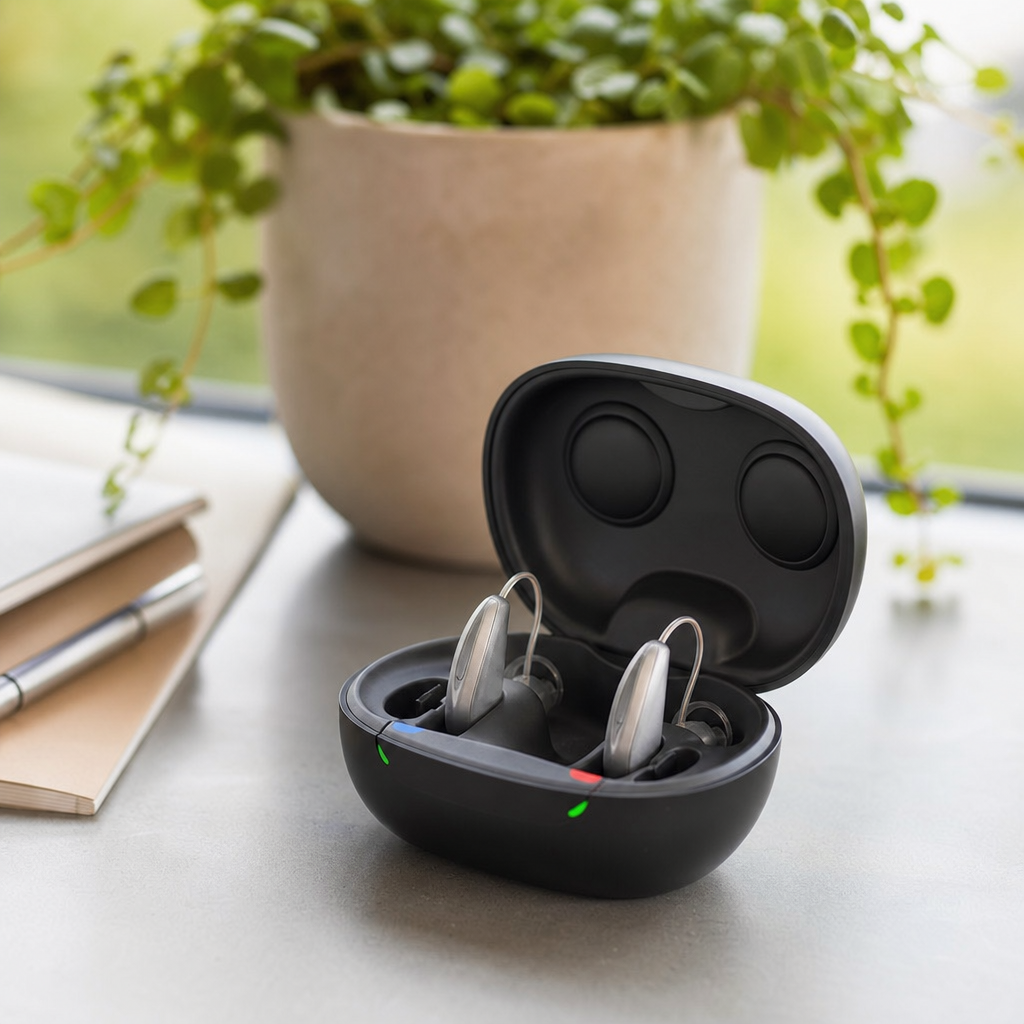
Starkey hearing aid reviews matter because choosing hearing technology is rarely about one feature or one price point; it is about daily speech clarity, comfort, app reliability, battery routines, and how well a device fits a person’s hearing loss, dexterity, and lifestyle. Starkey is a long-established American hearing aid manufacturer known for custom in-the-ear devices, receiver-in-canal models, health and wellness sensors, and a broad fitting range from mild to profound hearing loss. When people search for Starkey hearing aid reviews, they usually want direct answers to practical questions: Are Starkey hearing aids good, how much do they cost, which models stand out, and who should buy them? After working through many hearing aid comparisons and fitting discussions, I have found that Starkey performs best when buyers understand the product families, the feature tradeoffs, and the importance of professional programming. A review of Starkey is not complete without that context, because even excellent hardware can disappoint if the fit is poor, the earmold is wrong, or the expectations are unrealistic. This guide gives a broad, grounded overview of Starkey hearing aids as a hub page for the wider Hearing Aids topic, so readers can compare models, understand strengths and limitations, and make smarter next-step decisions.
What Starkey hearing aids are known for
Starkey’s reputation rests on three areas: strong custom hearing aid options, modern connectivity, and health-focused features that go beyond amplification. The company, based in Minnesota, has been a major player in audiology for decades and is widely dispensed through independent hearing clinics. That matters because access to local follow-up care often shapes user satisfaction as much as the device itself. In my experience reviewing hearing aid ecosystems, Starkey is one of the brands that clinicians frequently recommend when a patient wants discreet custom shells, rechargeability in premium lines, and app-based control without sacrificing mainstream sound processing.
Its current and recent platforms typically emphasize speech enhancement in noise, feedback management, tinnitus features, directional microphones, Bluetooth streaming, and remote fine-tuning. Higher-end Starkey devices also add fall detection, activity tracking, and voice-assistant integration. These features are not gimmicks for every user, but they can be valuable for older adults who want one wearable device to support hearing and basic wellness monitoring. Starkey has also invested heavily in artificial-intelligence branding and on-device environmental classification, though the real-world benefit depends on how aggressively the fitter sets noise reduction, microphone modes, and adaptation levels.
In plain terms, Starkey hearing aids are generally good, especially for people who prioritize customization and professional support. They are not always the cheapest option, and they are not automatically the best choice for every ear canal or every smartphone setup. But they are competitive with other major manufacturers such as Phonak, Oticon, ReSound, Signia, and Widex across the categories that most buyers care about.
Starkey product families and style options
A useful Starkey hearing aid review must separate platform from style. The platform refers to the technology generation and processing level. The style refers to how the hearing aid sits on or in the ear. Starkey usually offers receiver-in-canal, behind-the-ear, and custom in-the-ear formats, including invisible and rechargeable options in many lineups. Receiver-in-canal models are often the most versatile because they fit many common hearing losses, allow dome or custom earmold coupling, and can be easier to adjust over time. Custom in-the-ear devices are popular with users who want minimal handling of small external parts and a more discreet cosmetic profile.
Recent Starkey families have included premium flagship lines with health tracking and deep connectivity, plus older value-oriented lines still available through some clinics. The names change over time, but the pattern stays familiar: entry, mid, advanced, and premium tiers. Entry-level products usually provide basic noise management and everyday amplification. Mid-tier devices add stronger speech-in-noise tools and better automation. Premium tiers tend to include the brand’s full sensor package, more adaptive directional processing, and broader personalization. Buyers should focus less on the marketing label and more on the fitting level, battery type, telecoil availability, Bluetooth compatibility, and whether the shell style matches their manual dexterity and ear anatomy.
| Category | Best For | Main Strength | Common Limitation |
|---|---|---|---|
| Receiver-in-canal | Most adults with mild to severe loss | Versatile fit, strong connectivity, easy servicing | External parts may bother glasses wearers |
| Custom in-the-ear | Users wanting discretion or one-piece handling | Tailored shell and secure fit | Less room for large batteries and some features |
| Behind-the-ear | Severe to profound loss or pediatric use | Power, durability, earmold flexibility | More visible than smaller styles |
| Rechargeable models | Users avoiding disposable batteries | Simple daily charging routine | Battery aging over years can reduce runtime |
Sound quality, speech clarity, and everyday performance
The core question in most Starkey hearing aid reviews is simple: how do they sound? In well-fit devices, Starkey hearing aids sound clean, detailed, and slightly assertive in speech presentation. Many users report good initial speech audibility, particularly in quiet and in moderate background noise. The brand’s premium directional systems can improve listening in restaurants, meetings, cars, and family gatherings, but no hearing aid eliminates noise. That point is essential. Any review promising perfect speech understanding in loud spaces is not credible.
For first-time wearers, Starkey’s processing can feel crisp because high-frequency consonants are often restored more aggressively than what the brain has heard for years. I have seen users interpret that as “tinny” during the first week, then describe the same fitting as clear and natural after acclimatization and a follow-up gain adjustment. This is why trial period support matters. Audiologists typically fine-tune high-frequency gain, compression ratios, occlusion management, and impulse sound comfort after real-world feedback. Starkey’s software allows substantial customization, and outcomes improve when clinicians use probe-microphone verification instead of relying only on first impressions.
Speech-in-noise performance is where technology tiers separate most clearly. Premium Starkey models generally do better in dynamic spaces because they adapt microphone focus and noise reduction more intelligently. Mid-level products can still perform very well for people who spend most time in smaller groups or quieter rooms. Music quality is more variable. Some wearers love Starkey’s fuller sound after adjustments, while musicians or highly critical listeners may require dedicated music programs and reduced noise management to avoid over-processing.
Features, app experience, and connectivity
Modern hearing aids are miniature computers, and Starkey has leaned into that reality. Its companion app typically offers volume control, program changes, geotagged memories, remote support, device status, and in some models wellness metrics such as steps or fall alerts. For many users, the app is genuinely useful rather than optional. It can reduce clinic visits, help with minor listening adjustments, and give caregivers added confidence. Still, app quality should be judged by stability and ease of use, not by the number of icons on the screen.
Connectivity varies by generation and smartphone ecosystem. Some Starkey models support direct streaming from compatible iPhones and certain Android devices, while others rely on accessories for broader compatibility. Buyers should verify exact phone support before purchase because Bluetooth behavior differs across models, operating systems, and firmware versions. This is especially important for people who take frequent calls, stream television audio, or use hearing aids for video meetings. In daily use, a stable connection matters more than theoretical feature lists.
Starkey’s health-oriented features are a standout differentiator. Select models include fall detection and alerts that can notify designated contacts. Activity tracking is less medically critical, but some users appreciate seeing steps and engagement data in one place. These tools do not replace medical devices or emergency systems, yet they can add practical value for older adults living independently. The tradeoff is complexity: more sensors and settings can mean a steeper learning curve for users who only want simple hearing support.
Pricing, value, and who should consider Starkey
Starkey hearing aid prices vary widely by technology level, provider bundle, warranty, and region. In the United States, a pair often falls somewhere between roughly $2,500 and $7,000 through traditional clinics, with premium custom or flagship rechargeable devices at the high end. Those figures usually include professional fitting, follow-up visits, warranty coverage, and sometimes loss-and-damage protection. When comparing reviews, it is important to separate device cost from total care cost. A lower advertised number may exclude the fitting time that makes the hearing aids work well.
Value depends on the user. Starkey is often a strong fit for adults who want custom styles, appreciate in-person audiology care, or see benefit in wellness features. It is also worth considering for users with dexterity issues who prefer rechargeable options or one-piece custom devices. People with significant single-sided listening challenges, very specific music demands, or strong preferences for another brand’s sound signature may want side-by-side demos before deciding. If budget is the top priority, older Starkey platforms or mid-tier technology can offer better value than flagship models with features the wearer may never use.
Before buying, ask practical questions: What is the trial period? Are real-ear measurements included? What service is covered after the sale? Can the provider adjust domes, receivers, and custom molds without extra fees? A strong Starkey hearing aid review always ends at the same place: the best model on paper is not the best purchase unless it is expertly fit, supported, and matched to your real listening environments.
Final review takeaways
Starkey hearing aids are a credible, high-quality choice in today’s hearing market, particularly for buyers who want customization, modern smartphone features, and access to advanced health tools in select models. Their strongest advantages are the breadth of style options, competitive speech support, excellent custom-device heritage, and robust professional distribution network. Their limitations are equally clear: pricing can be premium, sound preference is subjective, and feature complexity may exceed what some users need.
The most useful way to read Starkey hearing aid reviews is to treat them as a starting point, not a verdict. Focus on your hearing loss pattern, your daily environments, your comfort with apps and charging, and the skill of the provider fitting the devices. If you are building out your understanding of the wider Hearing Aids category, this hub page should help you compare brands, styles, and care models with sharper expectations. The next step is simple: shortlist the Starkey styles that fit your needs, confirm smartphone compatibility, and schedule a professional hearing evaluation with a trial period that gives you enough real-world listening time.
Frequently Asked Questions
1. Are Starkey hearing aids generally considered good, and what do reviews usually say about them?
Yes, Starkey hearing aids are generally well regarded, especially by people who want a wide selection of styles, modern features, and strong customization options. In many reviews, users highlight clear sound quality, comfortable all-day wear, and useful technology such as Bluetooth streaming, rechargeable batteries, app-based adjustments, and wellness tracking features on certain models. Starkey also stands out for offering both discreet custom in-the-ear devices and more traditional receiver-in-canal options, which gives wearers more flexibility depending on their cosmetic preferences, hearing needs, and dexterity.
That said, reviews are often mixed for the same reason they are valuable: hearing aids are highly personal devices. One person may praise speech understanding in restaurants, while another may feel the same model needs more fine-tuning in background noise. App experience, charging convenience, feedback control, and fit can also affect overall satisfaction. In practice, positive Starkey reviews tend to come from users who were professionally fit, had realistic expectations, and received follow-up adjustments after the initial fitting. Less favorable reviews often reflect poor fit, insufficient programming, or a mismatch between the selected technology level and the user’s daily listening environments rather than a universal problem with the brand itself.
The most useful takeaway from Starkey hearing aid reviews is not whether every comment is glowing, but whether recurring themes match your own priorities. If you care about speech clarity, comfort, custom options, and access to advanced features, Starkey is often a serious brand to consider. Reviews are most helpful when they are read alongside a professional hearing evaluation and a discussion of which specific Starkey platform and style best suits your hearing loss and lifestyle.
2. What types of hearing aids does Starkey make, and who are they best for?
Starkey offers a broad range of hearing aid styles, which is one reason the brand appears so often in review roundups. Their lineup typically includes receiver-in-canal, behind-the-ear, and custom in-the-ear designs. Receiver-in-canal models are among the most common because they balance sound quality, comfort, and feature access. They are often a strong choice for people with mild to severe hearing loss who want rechargeable options, wireless connectivity, and easier handling than very small custom devices. Behind-the-ear options can also work well for those who need more power or prefer something sturdy and easier to manipulate.
Starkey is especially known for custom hearing aids, including smaller in-the-ear styles that sit partly or fully in the ear canal. These can appeal to people who prioritize a discreet appearance or want a personalized fit based on ear impressions. Custom styles may be excellent for users who want a low-profile device, but they can be less ideal for people with significant dexterity or vision challenges because batteries, insertion, and cleaning may require more precise handling. Reviews often mention this tradeoff: small custom hearing aids can look great and feel tailored, but ease of use matters just as much as appearance over the long term.
Another reason Starkey’s range is important is that different devices support different hearing loss profiles. Some are designed for mild to moderate loss, while others can address severe to profound loss with more output and specialized fittings. The best match depends on more than an audiogram. Ear shape, phone use, streaming habits, comfort preferences, and even whether you wear glasses or masks regularly can affect which style feels practical every day. That is why many detailed Starkey reviews emphasize the fitting process itself. The brand offers enough variety that the real question is rarely “Is Starkey good?” but rather “Which Starkey model is best for me?”
3. How do Starkey hearing aids perform for speech clarity, background noise, and everyday listening?
For many users, this is the most important question, and it is where Starkey reviews can be especially helpful. In general, Starkey hearing aids are designed to improve speech understanding while reducing the strain of listening in challenging environments. Users often report good results in one-on-one conversations, family gatherings, television listening, and phone streaming. Higher technology levels typically include more advanced sound processing, directional microphones, and noise management tools that help speech stand out more clearly in busy places such as restaurants, meetings, or worship services.
However, no hearing aid eliminates background noise completely, and reviews are often most realistic when they acknowledge that limitation. Hearing aids do not restore natural hearing in a perfect way; they amplify and process sound to improve access to speech and environmental awareness. People with mild hearing loss may notice immediate improvement in clarity, while those with more complex hearing loss may still need time, training, and fine-tuning to perform well in difficult listening situations. This is especially true if someone has been struggling to hear for years and is adjusting to amplified sound again.
Starkey’s stronger performance usually shows up when the device is properly programmed to the user’s hearing profile and daily routines. For example, someone who spends a lot of time in restaurants may benefit from more aggressive speech-in-noise settings, while someone who works from home may care more about natural sound quality for calls and video meetings. Reviews that praise speech clarity often come from users who took advantage of follow-up visits and app controls to personalize their listening experience. In other words, Starkey can perform very well in daily life, but the best results depend on choosing the right technology tier and working with a provider who fine-tunes the settings to your real-world needs.
4. What features do Starkey hearing aids offer, and are they worth paying more for?
Starkey hearing aids often include a mix of premium and practical features, and whether they are worth the price depends on how you live day to day. Depending on the model, features may include rechargeable batteries, Bluetooth connectivity, smartphone app controls, custom listening programs, telecoil support, feedback management, tinnitus relief options, and advanced speech enhancement systems. Some Starkey devices have also been known for health and wellness features such as activity tracking, fall-related tools, and sensor-based functions that go beyond basic amplification. For users who want hearing aids to fit into a connected, tech-enabled lifestyle, these extras can be meaningful rather than gimmicky.
Still, not everyone needs the most advanced feature package. A person who mainly wants better hearing in quiet conversations and at home may be perfectly satisfied with a mid-level option, especially if the fitting is excellent. On the other hand, someone who frequently dines out, travels, streams media, and switches between many listening environments may benefit significantly from higher-end processing and convenience features. Reviews often reflect this divide. Users who bought more technology than they needed sometimes feel they overpaid, while users who selected too basic a model for a noisy, active lifestyle may feel disappointed by performance in demanding situations.
The smartest way to judge value is to focus on outcomes, not just feature lists. Ask whether a given feature will make daily hearing easier, more comfortable, or more consistent for you. Rechargeability can matter a lot if changing tiny batteries is frustrating. App controls may be useful if you want quick volume changes or program switching. Better noise handling may be worth the extra cost if social settings are where you struggle most. In many cases, the features are worth paying for when they solve a real problem in your routine rather than simply sounding impressive on paper.
5. What should you look for when reading Starkey hearing aid reviews before buying?
When reading Starkey hearing aid reviews, start by separating brand reputation from individual fit experience. A review can tell you a lot about build quality, comfort, charging reliability, connectivity, and general satisfaction, but it cannot tell you whether that exact device will be right for your hearing loss or ear anatomy. The most trustworthy reviews usually include context such as the user’s degree of hearing loss, the style they chose, where they wear the hearing aids most often, and whether they had professional follow-up care. Without that context, even a detailed opinion can be hard to apply to your own situation.
It also helps to look for patterns instead of reacting to one very positive or very negative comment. If many reviewers mention strong sound quality, good app functionality, or comfortable custom fit options, those trends are more meaningful than a single complaint. The same is true for potential drawbacks. If multiple users mention a learning curve with controls, occasional Bluetooth frustrations, or the need for several adjustment visits, those are useful signals to discuss with a hearing professional before buying. Balanced reviews tend to be the most reliable because they describe both strengths and tradeoffs.
Finally, remember that the provider matters almost as much as the product. Hearing aids are not plug-and-play electronics; they are medical devices that need proper evaluation, programming, verification, and support. Even an excellent Starkey model can underperform if it is poorly fit, while a well-matched device with careful follow-up can exceed expectations. As you compare reviews, pay attention to issues related to trial periods, warranty coverage, cleanings, repairs, remote support, and adjustment visits. Those service details often determine whether someone ends up loving their hearing aids or feeling frustrated by them. Reviews are a valuable starting point, but the best buying decision comes from combining user feedback with personalized professional guidance.