
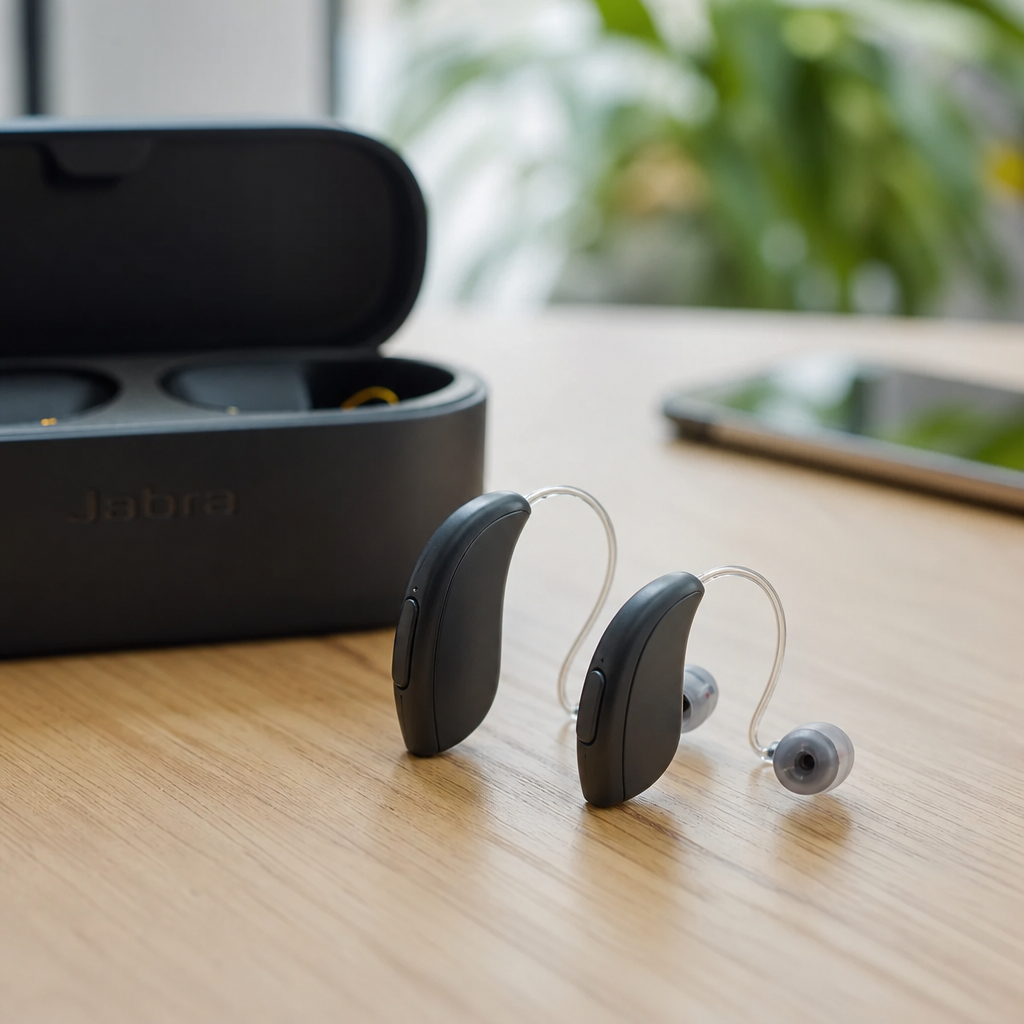
Jabra hearing aids have become a serious option for people who want medical-grade hearing support paired with the convenience, app control, and connectivity expectations shaped by modern consumer technology. In practical terms, Jabra hearing aids are prescription devices designed to improve speech understanding, listening comfort, and awareness of environmental sounds for people with hearing loss, while also offering features such as Bluetooth streaming, rechargeable batteries, remote adjustments, and smartphone-based personalization. That combination matters because hearing loss is rarely just about volume. In my experience working with hearing technology buyers and comparing major brands, the real challenge is helping users hear conversations clearly in restaurants, meetings, cars, worship spaces, and family gatherings without making everything harsh or fatiguing. A good guide must therefore explain not only what Jabra hearing aids are, but how the brand fits into the broader hearing aids market, who they suit best, what features matter most, and what tradeoffs buyers should understand before choosing a device.
The name Jabra is familiar because of headphones and business audio products, but the hearing aid line is tied to GN, the long-established Danish audio company behind ReSound. That relationship is important. It means Jabra hearing aids are not an untested consumer gadget entering healthcare from scratch; they are built on established hearing aid engineering, fitting software, and audiology expertise. Depending on the market and sales channel, you may see Jabra devices sold through hearing care professionals or directly through a teleaudiology-supported model. For readers exploring hearing aids generally, this hub article covers the essentials: brand background, common models and features, fitting and support, pricing logic, maintenance, and how Jabra compares with alternatives. If you are researching your first pair, upgrading older aids, or trying to decide whether remote care is enough for your needs, understanding these basics will save time and reduce the risk of buying a device that looks impressive on paper but disappoints in daily life.
What Jabra hearing aids are and who they are for
Jabra hearing aids are prescription hearing devices intended for adults with mild to profound hearing loss, although the exact fitting range depends on the model, receiver strength, earmold configuration, and programming strategy. Most buyers will encounter receiver-in-canal designs first. In this format, the main housing sits behind the ear, and a thin wire connects to a receiver placed in the ear canal. This design is popular because it is discreet, comfortable, and effective across a wide range of hearing losses. Jabra has also emphasized rechargeable options, smartphone control, and direct streaming, which makes the brand especially appealing to people who want a medical device that behaves more like mainstream personal technology.
Who is the ideal candidate? In plain terms, Jabra hearing aids often fit adults who value connectivity, prefer remote support, and want recognizable hearing aid features without navigating an overwhelming catalog. They can work well for first-time wearers because the app interface is generally straightforward and the underlying fitting approach benefits from GN’s long experience in open-fit amplification. They also appeal to experienced users switching from older ReSound-based products who want newer processing, better battery convenience, or simpler purchasing. However, the best candidates still need an appropriate hearing evaluation. No brand, including Jabra, should be chosen purely by online reviews. Hearing thresholds, word recognition, tinnitus, dexterity, ear anatomy, wax production, and listening goals all affect success.
Key features that shape daily performance
When people ask what makes one hearing aid better than another, the answer is rarely a single specification. Daily performance comes from how multiple systems work together: microphones, directional processing, noise reduction, feedback management, receiver power, venting, physical fit, and software tuning. Jabra hearing aids typically focus on a package of practical features. Rechargeable lithium-ion batteries are a major selling point because they remove the weekly hassle of changing disposable cells and are easier for users with arthritis or reduced vision. Bluetooth streaming lets wearers take phone calls, hear navigation prompts, and listen to media directly through the aids, improving convenience and often speech clarity.
Apps matter more than many first-time buyers expect. A strong hearing aid app allows volume and program changes, geotagged location settings, streaming balance adjustments, and in some cases remote fine-tuning from a hearing care professional. Jabra models connected to the Jabra Enhance ecosystem commonly offer these functions. Directional microphones help emphasize speech from in front of the wearer while reducing competing noise, which is essential in restaurants or group settings. Feedback suppression reduces whistling, especially when hugging someone, wearing hats, or using a phone near the ear. Some models also include tinnitus sound support, useful for users who need a neutral masking or relief signal built into the hearing aid platform.
Another important feature category is environmental adaptation. Better hearing aids do not simply make everything louder; they analyze sound scenes and apply different settings for quiet conversations, wind, traffic, music, and noisy social spaces. In real use, this means less manual adjustment and less listening fatigue. Still, no hearing aid restores natural hearing completely. If a buyer expects perfect understanding in every noisy room, disappointment is likely. Jabra’s strength is usually balanced, everyday usability rather than marketing extreme claims.
How Jabra compares on fit, technology, and support
The most useful way to compare Jabra hearing aids is by three factors: fitting pathway, technology level, and aftercare. Many hearing aid problems are not hardware failures but fitting failures. A device with excellent components can perform poorly if the gain is too low, the domes leak sound, the receivers are underpowered, or speech-in-noise settings are not optimized. Because Jabra’s hearing aid offerings often include remote care, buyers should understand the upside and the limitation. Remote programming is convenient and can solve many fine-tuning issues, but some users still need in-person ear inspection, real-ear measurements, cerumen management, or custom earmold work.
Technology level affects price and performance, particularly in complex listening environments. Premium tiers generally offer more advanced directionality, better automatic scene analysis, and more channels for precise fitting. Basic tiers may still serve quiet-home users very well. I have seen buyers overspend on premium devices when their lifestyle did not justify it, and I have seen active professionals regret choosing entry-level technology because meetings and restaurants remained too difficult. The right choice depends on your sound environments, not the appeal of the highest spec sheet.
| Consideration | What to look for in Jabra hearing aids | Why it matters |
|---|---|---|
| Hearing loss level | Receiver power, dome or mold style, fitting range | Ensures the device can provide enough amplification without distortion |
| Lifestyle | Speech-in-noise features, directional microphones, program flexibility | Determines how well the aids perform in restaurants, work, and travel |
| Phone use | Bluetooth compatibility with iPhone or Android | Improves calls, streaming, and app control |
| Support model | Remote care availability and local service options | Shapes how quickly issues can be solved after purchase |
| Handling needs | Rechargeability, onboard buttons, charger design | Important for users with vision or dexterity challenges |
Support quality is where buyers often separate good experiences from bad ones. Before purchasing, ask how follow-up care works, how many adjustments are included, whether loss and damage coverage is offered, and what happens if the aids need repair. Also ask whether verification methods such as real-ear measurement are available. This probe-microphone process is widely recognized as best practice because it confirms the hearing aids are meeting prescribed targets in your actual ear canal acoustics. Brands matter, but fitting verification matters more.
Buying channels, pricing, and value
Jabra hearing aids can be sold through different channels, and that affects both price and service. Traditional clinic-based hearing aid purchases often include hearing testing, fitting, follow-up visits, cleanings, counseling, and warranty support bundled into the price. Direct-to-consumer or remote-care models may lower upfront cost and increase convenience, but the service structure is different. That does not automatically make one path better. A tech-comfortable buyer with straightforward mild-to-moderate hearing loss may do very well with remote support. Someone with asymmetrical loss, chronic earwax buildup, poor speech scores, or a history of unsuccessful fittings may benefit more from in-person care.
Pricing varies by technology tier, service package, and market, but most prescription hearing aids in this category sit in the midrange to premium segment. Buyers should compare total value, not sticker price alone. Included charger, trial period, warranty length, remote support, accessory discounts, and future programming flexibility all matter. A lower price can become expensive if the return process is difficult or local service is unavailable. A higher price can be justified if it includes comprehensive care over several years.
It is also worth checking insurance, health savings accounts, flexible spending accounts, veterans benefits where applicable, and third-party hearing care programs. Coverage for hearing aids remains inconsistent, but partial benefits are more common than many consumers realize. If budget is tight, ask whether an older generation of Jabra or ReSound-based technology is available at a reduced cost. Previous-generation devices can still provide excellent outcomes for many users.
Setup, adaptation, and maintenance
The first weeks with Jabra hearing aids are an adaptation period, not a final verdict. New wearers often notice sounds they have missed for years: footsteps, refrigerator hum, paper rustling, turn signals, birds, and room reverberation. That is normal. The brain needs time to relearn how to prioritize sound. A realistic acclimatization plan is to wear the aids daily, starting in quieter environments and gradually adding more challenging situations such as cafés or family gatherings. Consistent use matters more than occasional wear because auditory adaptation depends on repeated exposure.
Setup should include pairing with a phone, learning charger habits, practicing insertion and removal, and understanding basic app controls. If speech still sounds unclear after the first adjustment window, describe specific situations rather than saying the aids are “bad” or “too loud.” For example: “I hear my spouse well in the living room, but at lunch I cannot separate one voice from background dishes.” Specific reports help the provider modify directionality, noise reduction, gain, compression, or physical coupling.
Maintenance is straightforward but essential. Wipe the aids daily with a dry cloth, keep microphone ports clear, replace wax guards as instructed, and store the devices away from heat and moisture. Rechargeable hearing aids should be charged according to manufacturer guidance, usually overnight. If sound becomes weak, check wax buildup before assuming failure. If connectivity drops, confirm operating system compatibility and app permissions. Small care habits prevent many service visits.
Limitations, alternatives, and when to seek more help
Jabra hearing aids are strong products, but they are not the best answer for every person. If you need deep custom-shell devices, highly specialized pediatric care, cochlear implant evaluation, or management of medical ear conditions, a more clinic-centered pathway may be appropriate. Users with severe manual dexterity issues may need hands-on training and accessories chosen carefully. People with significant single-sided deafness or very poor word recognition should discuss realistic outcomes with an audiologist before purchase. Hearing aids amplify and process sound; they do not cure the underlying loss.
Alternatives in the prescription market include ReSound, Oticon, Phonak, Signia, Starkey, Widex, and Unitron, each with strengths in sound processing, accessories, fitting philosophy, or connectivity. Over-the-counter hearing aids may suit some adults with perceived mild-to-moderate loss, but they are not direct substitutes for professionally fitted devices when the hearing loss is more complex. Red flags that call for medical evaluation include sudden hearing loss, one-sided symptoms, pain, drainage, persistent dizziness, or rapid changes in hearing. Those issues should be assessed promptly by a physician or audiologist.
The main benefit of Jabra hearing aids is that they blend established hearing aid science with user-friendly technology, making better hearing more approachable for many adults. As a hub within the broader Hearing Aids topic, the key takeaway is simple: evaluate the brand through your hearing profile, listening environments, and support needs, not branding alone. Look for a current hearing test, confirm the fitting range, compare service models, ask about verification and follow-up, and choose the technology level that matches your real life. If you are considering Jabra hearing aids, the next step is practical: schedule a hearing evaluation or consultation, list the situations where hearing is hardest, and use that information to compare the right models with confidence.
Frequently Asked Questions
What are Jabra hearing aids, and how are they different from standard wireless earbuds or amplifiers?
Jabra hearing aids are prescription medical devices designed to help people with hearing loss hear speech more clearly, stay aware of environmental sounds, and listen more comfortably in everyday situations. Unlike standard wireless earbuds, which are built primarily for music, calls, and casual audio, hearing aids are programmed to match an individual’s hearing profile. That means they are tuned to amplify the specific frequencies a person struggles to hear rather than simply making everything louder.
This distinction matters. Personal sound amplifiers and consumer earbuds may increase volume, but they do not provide the same level of precision, clinical fitting, or hearing-loss-specific processing that prescription hearing aids offer. Jabra hearing aids are intended to improve communication in real-world environments such as restaurants, meetings, family gatherings, and outdoor settings, where understanding speech often depends on much more than simple loudness.
Another key difference is the technology working behind the scenes. Jabra hearing aids typically include advanced sound processing designed to reduce listening strain, manage background noise, and support speech understanding. Many models also offer app-based controls, Bluetooth connectivity, rechargeable batteries, and remote adjustment options, giving users a blend of medical-grade hearing care and modern convenience. In short, Jabra hearing aids are built not just to play sound, but to support better hearing in a clinically meaningful way.
Who should consider Jabra hearing aids?
Jabra hearing aids may be a strong option for adults with mild to severe hearing loss who want professional hearing support along with the connected features they have come to expect from modern devices. They are especially appealing to people who value smartphone integration, streaming capabilities, and the ability to make adjustments through an app without constantly visiting a clinic for minor changes.
These devices can be particularly helpful for people who notice common signs of hearing loss, such as asking others to repeat themselves, struggling to follow conversations in noisy places, turning up the television volume, missing parts of phone calls, or feeling tired after social interactions because listening requires so much effort. For many users, the goal is not simply hearing more sound, but hearing speech with greater clarity and less strain.
Jabra hearing aids may also appeal to people who want rechargeable technology and streamlined daily use. Instead of dealing with small disposable batteries, many users prefer charging systems that fit more naturally into their routine. At the same time, individuals who are comfortable using apps and wireless accessories may appreciate the extra control and personalization available through connected features.
That said, the right hearing aid always depends on the person’s hearing test results, ear anatomy, listening needs, dexterity, budget, and lifestyle. Someone who spends a lot of time in group conversations, works in dynamic sound environments, or wants discreet but capable hearing technology may find Jabra a good fit. The best way to know is to start with a hearing evaluation and a professional recommendation based on actual hearing needs rather than brand name alone.
What features do Jabra hearing aids usually offer?
Jabra hearing aids are known for combining core hearing-assistance performance with user-friendly connected features. While specific capabilities vary by model, many devices include Bluetooth streaming, rechargeable batteries, smartphone app control, and remote fine-tuning. These features can make the overall hearing-aid experience more convenient and more personalized, especially for users who want flexibility in how they manage their devices day to day.
Bluetooth streaming is one of the most talked-about benefits. Depending on the model and the user’s phone or compatible accessories, Jabra hearing aids may allow audio to be streamed directly from a smartphone, tablet, or other device. This can include phone calls, music, podcasts, video audio, or navigation prompts. For many wearers, this creates a smoother connection between hearing support and everyday digital life.
Rechargeability is another major advantage. Instead of replacing tiny batteries, users can place the hearing aids in a charging case or dock. This often simplifies maintenance and can be especially useful for people who have trouble handling small battery doors and cells. App control adds another layer of convenience by allowing users to adjust volume, change listening programs, check battery status, and sometimes locate misplaced devices.
Remote adjustment is also valuable. In many cases, hearing care professionals can fine-tune settings without requiring the user to come into the office for every small change. This can save time and help users get more comfortable with their devices more quickly. Beyond convenience features, Jabra hearing aids may include directional microphones, noise management, feedback control, tinnitus support options, and sound processing designed to improve listening comfort in complex environments. Together, these features aim to make hearing aids more effective, more adaptable, and easier to live with every day.
How do Jabra hearing aids help with speech understanding in noisy places?
One of the biggest challenges for people with hearing loss is not hearing in quiet, but understanding speech when background noise is present. Restaurants, family gatherings, meetings, stores, and outdoor social settings can all create a mix of competing sounds that make conversation difficult. Jabra hearing aids are designed to address this challenge by using signal processing strategies that help emphasize speech while managing surrounding noise more intelligently than simple amplification would.
In practical terms, this often involves a combination of directional microphones, noise reduction systems, and automatic environmental adjustments. Directional microphones can prioritize sounds coming from in front of the wearer, which is often where the person speaking is located. Noise management features may soften steady background sounds, such as fans or road noise, so speech stands out more clearly. Automatic programs can also shift settings depending on whether the user is in a quiet room, a busy restaurant, or a windy outdoor environment.
It is important to set realistic expectations, though. No hearing aid can completely erase background noise or restore hearing to its original state. Even advanced devices work within the limits of the listening environment and the nature of the person’s hearing loss. What Jabra hearing aids can often do is improve the signal the brain receives, reduce listening effort, and make conversations more manageable and less exhausting.
Proper fitting is essential here. The technology works best when the hearing aids are programmed accurately to the user’s hearing test and adjusted based on real-world feedback. If speech still sounds unclear in noisy settings, follow-up fine-tuning can often make a meaningful difference. In many cases, the best results come from a combination of good technology, professional fitting, consistent wear, and practical communication strategies such as facing the speaker and reducing distance when possible.
Are Jabra hearing aids easy to use and maintain every day?
For many users, Jabra hearing aids are designed to be relatively straightforward to use once they are properly fitted and set up. Daily operation often becomes routine quickly: put them on in the morning, confirm they are charged, and let automatic settings handle much of the listening experience throughout the day. The app can provide added control for users who want to make adjustments, but many people can also rely heavily on the hearing aids’ default programming in everyday situations.
Rechargeable models tend to simplify maintenance because there is no need to replace disposable batteries regularly. Users typically place the devices in a charger overnight and start the next day with a full charge. Cleaning is still important, however. Like all hearing aids, Jabra devices need regular care to remove earwax, moisture, and debris that can affect sound quality and performance. This may include wiping the devices, cleaning microphone openings carefully, and replacing wax guards or domes as recommended.
Ease of use also depends on fit, controls, and support. People with dexterity or vision challenges may want to ask about style options, charger design, and how easy it is to insert and remove the devices. Many users appreciate that app controls can reduce the need to manipulate tiny onboard buttons. Remote support options can also make the adjustment process less stressful, especially for first-time hearing aid wearers who need small changes after trying the devices in daily life.
As with any prescription hearing aid, the user experience is best when there is a good match between the technology and the person’s needs. If the devices are comfortable, properly programmed, and supported by clear follow-up care, Jabra hearing aids can be very manageable for everyday use. Consistent maintenance, regular check-ins, and realistic expectations go a long way toward making them successful long-term hearing solutions.