
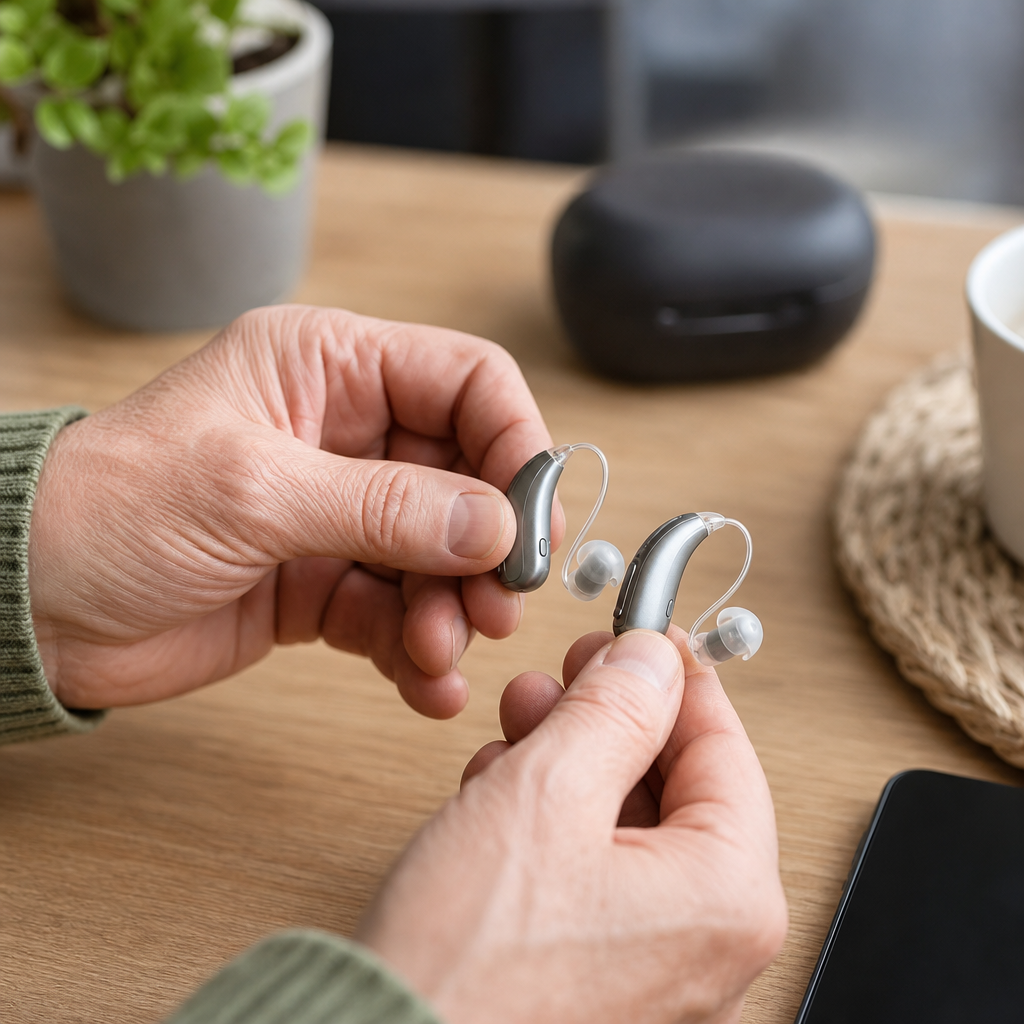
The best hearing aids improve communication, reduce listening fatigue, and help people stay engaged at work, at home, and in public spaces. A hearing aid is a small medical device that amplifies and processes sound for a person with hearing loss, while modern models also reduce background noise, stream calls, and adjust automatically to changing environments. Choosing well matters because untreated hearing loss is linked to social withdrawal, lower job performance, and faster cognitive decline, and because the wrong device can be uncomfortable, ineffective, or expensive to replace.
In practice, there is no single best hearing aid for everyone. The best hearing aid for one person depends on hearing loss type, ear anatomy, dexterity, lifestyle, budget, and whether support is available after purchase. I have seen people thrive with discreet receiver-in-canal devices that connect seamlessly to smartphones, while others do better with custom in-the-ear models that are easier to insert and less prone to wind noise. The right decision usually comes from matching the device style and features to daily listening demands rather than chasing the newest brand or the smallest shell.
This guide explains the main hearing aid styles, the features that matter most, how professional fitting works, and what buyers should compare before spending money. It also covers over-the-counter options, prescription devices, batteries versus rechargeable systems, and common mistakes that lead to disappointing results. If you are building a short list for yourself or helping a family member, this hub gives you the framework to compare hearing aids clearly and make a decision grounded in performance, comfort, and long-term value.
How to define the best hearing aid for your needs
The best hearing aid is the one that consistently improves speech understanding in your real environments. That sounds obvious, but many shoppers focus first on size or price and only later realize they need stronger directional microphones, easier controls, or more secure retention. Start with the basics: degree of hearing loss, whether loss is sensorineural or conductive, one ear or both ears, and whether you struggle most in quiet conversations, restaurants, meetings, cars, or while watching television.
Audiologists usually classify hearing loss from mild to profound based on pure-tone thresholds measured in decibels hearing level on an audiogram. Mild loss may cause trouble with soft speech and distant voices. Moderate loss often affects everyday conversation, especially in noise. Severe or profound loss typically requires more amplification power, stronger feedback management, and sometimes a behind-the-ear design with a custom earmold. If speech clarity is poor even when sounds are loud enough, speech discrimination scores become especially important when setting expectations.
Daily habits matter just as much as the test results. A retiree who mostly talks at home may need something very different from a teacher, salesperson, nurse, or commuter spending hours in unpredictable sound environments. Hand strength and vision also affect success. Tiny batteries and miniature controls frustrate many people with arthritis or limited eyesight. For them, rechargeable hearing aids with app-based adjustments or larger housings are often the smarter choice, even if the device is a little more visible.
Main hearing aid styles and who they suit best
Hearing aids come in several proven form factors, each with tradeoffs. Behind-the-ear models place the electronics in a case behind the ear and route sound through tubing or a receiver into the ear canal. Receiver-in-canal models, often called RIC or RITE, are the most common modern style because they are discreet, versatile, and comfortable for many mild to severe losses. In-the-ear, in-the-canal, completely-in-canal, and invisible-in-canal devices fit partly or fully inside the ear and appeal to people who want fewer external parts.
RIC devices are popular for good reason. They usually offer strong sound quality, flexible fitting ranges, and easier maintenance because wax is less likely to block the microphones. They also support advanced features such as Bluetooth streaming, telecoils in some models, directional microphone arrays, and rechargeable batteries. BTE devices are often best for severe loss, pediatric fittings, or anyone needing robust durability. Custom in-the-ear designs can be easier to handle and may reduce the occluded feeling for some ears, but they are more exposed to earwax and moisture.
| Style | Best for | Main advantages | Tradeoffs |
|---|---|---|---|
| RIC/RITE | Mild to severe hearing loss | Natural sound, discreet fit, strong feature set | Receiver can need periodic replacement |
| BTE | Moderate to profound loss, durability needs | Power, easier handling, reliable earmold options | More visible, can catch wind noise |
| ITE | Users wanting easier insertion and larger controls | Custom fit, simple handling, all-in-one shell | More wax exposure, may be less discreet |
| ITC/CIC/IIC | Mild to moderate loss, cosmetic priority | Very small, less visible, natural phone placement | Smaller batteries, fewer features, harder to handle |
No style is automatically superior. For example, many first-time users assume invisible models are best because they are hardest to see. In reality, the smallest devices often sacrifice battery life, directional microphone performance, and ease of adjustment. Conversely, some people avoid BTE models for cosmetic reasons and later discover that the extra power and comfort make all-day wear much easier. The best hearing aid style is the one you will actually wear from morning to night.
Features that make the biggest difference in real life
The most important hearing aid features are not always the ones emphasized in advertisements. In my experience, directional microphones, noise reduction, feedback suppression, and high-quality fitting software affect everyday satisfaction more than flashy labels. Directional microphones help prioritize speech coming from in front of you. Noise reduction reduces steady-state background sounds such as fans or road noise. Feedback suppression limits whistling caused by amplified sound leaking back to the microphone. Automatic scene analysis shifts settings as environments change, which reduces the need for manual adjustments.
Wireless connectivity matters when it solves a real problem. Bluetooth streaming can route phone calls, music, podcasts, and navigation directly to the hearing aids, improving clarity and convenience. Compatibility varies, though. Some brands stream directly with recent iPhone and Android devices, while others require an intermediary accessory for certain functions. If you rely on calls for work, test call quality before buying. Hands-free calling, microphone pickup quality, and app stability differ more than many buyers expect.
Telecoil support remains valuable, particularly for public venues with induction loop systems such as theaters, worship spaces, ticket counters, and some meeting rooms. Rechargeable batteries are now excellent for most users and remove the hassle of changing disposable cells, but heavy streamers or travelers may still prefer replaceable batteries for longer uninterrupted runtime. Water and dust resistance, often rated under the IP system, also matters. A higher resistance rating is not permission to shower or swim in hearing aids, but it does improve durability in sweat, humidity, and light rain.
Prescription hearing aids versus over-the-counter options
Many shoppers ask whether prescription hearing aids are better than over-the-counter hearing aids. The direct answer is this: prescription devices are generally the safer choice for moderate to severe hearing loss, complex hearing needs, asymmetrical loss, tinnitus concerns, or poor word recognition, while OTC hearing aids can be a practical option for adults with perceived mild to moderate hearing loss who want a lower-cost starting point. The difference is not just hardware. It is evaluation, programming precision, counseling, and follow-up support.
Prescription hearing aids are fitted after a diagnostic hearing exam that can identify red flags such as sudden hearing loss, conductive components, asymmetry, active ear disease, or medical issues requiring physician referral. They are programmed to an audiogram using validated prescriptive targets such as NAL-NL2 or DSL, then fine-tuned using patient feedback and ideally real-ear measurement. OTC models, by contrast, are self-fitted or app-fitted and are intended only for adults. They can work well when the hearing loss profile is straightforward and the user is comfortable with self-management.
There are real benefits to OTC devices: lower upfront cost, easier access, and less friction for first-time users who are unsure they need hearing aids. However, returns are more common when buyers expect them to fix severe hearing problems, noisy restaurant difficulties, or distorted speech that needs professional adjustment. If one ear is clearly worse than the other, if you have ear pain, drainage, dizziness, unilateral tinnitus, or sudden changes in hearing, skip OTC and get a full hearing evaluation first.
Why professional fitting and real-ear measurement matter
A well-programmed hearing aid almost always outperforms a poorly programmed premium model. That is why fitting quality matters as much as brand selection. After the audiogram, the clinician enters hearing thresholds, uncomfortable loudness levels when needed, and acoustic characteristics such as dome type or earmold venting. The software generates target amplification across frequencies, but this is only the starting point. Ears differ in shape and acoustics, so the sound delivered at the eardrum can vary significantly from the prediction on screen.
Real-ear measurement solves that problem. Using a thin probe microphone placed in the ear canal, the clinician measures the amplified sound near the eardrum while the hearing aid plays calibrated speech-like signals. This verifies whether the device is meeting target levels for soft, average, and loud speech. In clinics that use real-ear measurement routinely, patients typically receive more accurate fittings and need fewer guess-based adjustments. It is one of the clearest markers of a high-quality hearing aid practice.
Counseling is equally important. New users need to understand adaptation, maintenance, insertion technique, wax protection, and realistic expectations in noise. Hearing aids do not restore normal hearing. They improve access to sound and speech, especially when fitted well and worn consistently, but crowded restaurants and reverberant rooms remain difficult. People do best when they combine good technology with communication strategies such as facing the speaker, reducing background noise, and using remote microphones where appropriate.
How to compare brands, service plans, and total cost
The best hearing aid brand is usually the one that combines reliable hardware with the support model you can actually use. Major global manufacturers include Phonak, Oticon, ReSound, Signia, Widex, and Starkey, and all produce strong devices across different price tiers. Brand differences are real, especially in sound processing philosophy, app design, Bluetooth implementation, tinnitus tools, and accessory ecosystems, but they are often smaller than the difference between a careful fitting and a rushed one.
Compare total cost, not sticker price alone. Hearing aid pricing may include the device, hearing tests, fitting, follow-up visits, cleanings, loaner support, loss-and-damage coverage, and warranty service. One clinic may charge more initially but include three years of care, while another advertises a lower price and bills separately for adjustments and repairs. Ask specific questions: How long is the trial period? What are the return fees? Is routine follow-up included? What is the warranty length? Is there a charger included? What happens if a receiver, earmold, or custom shell needs replacement?
Buyers should also think ahead. If hearing tends to worsen over time, choose a fitting range with enough headroom. If you switch phones often, prioritize broad wireless compatibility. If you travel, ask about charger voltage, battery life, and support outside your local area. If tinnitus is a major complaint, test the sound therapy options before purchase. The best hearing aid value comes from a device that fits your hearing today, adapts to your routines, and remains serviceable for years.
Common mistakes and the smartest next step
The biggest mistake is treating hearing aids like generic audio gadgets instead of medical devices that require matching, fitting, and follow-through. Other common mistakes include buying based only on appearance, underestimating the value of bilateral fitting when both ears have loss, skipping follow-up visits, and giving up during the first two weeks before the brain has time to adapt. Another frequent problem is using old hearing test results. Hearing can change, and programming based on outdated thresholds leads to poor outcomes.
The smartest next step is straightforward. Get a current hearing evaluation from a licensed audiologist or hearing instrument specialist working within a medical referral framework, review the audiogram in plain language, and match your daily listening challenges to the device options. If mild to moderate hearing loss seems likely and budget is the main barrier, compare reputable OTC models, but use the return window aggressively and seek professional help if speech still sounds unclear. If your loss is moderate or worse, if one ear differs from the other, or if you have tinnitus, dizziness, pain, or sudden changes, start with prescription care.
The best hearing aids are the ones you wear confidently, hear clearly through, and receive support for over time. Focus on fit, verified programming, comfort, and service rather than marketing claims or cosmetic appeal alone. When you compare hearing aids through that lens, the choice becomes much simpler and much more likely to succeed. Book a hearing test, ask about real-ear measurement, and build your shortlist from evidence instead of guesswork.
Frequently Asked Questions
What makes the best hearing aids different from basic models?
The best hearing aids do much more than simply make sounds louder. They are designed to help you hear speech more clearly, especially in the real-world situations where hearing tends to be hardest, such as restaurants, meetings, family gatherings, stores, and public spaces. High-quality devices use advanced sound processing to separate speech from background noise, reduce sudden loud sounds, and automatically adjust as your environment changes. That means less strain trying to follow conversations and a more natural listening experience throughout the day.
Modern premium and mid-range hearing aids may also include directional microphones, feedback suppression, wind-noise reduction, rechargeable batteries, Bluetooth streaming for phone calls and media, app-based controls, and telecoil or hands-free features. Some can even learn your preferences over time. For many people, the difference is not just convenience but everyday function: better hearing at work, less listening fatigue at home, and more confidence in social settings. The best choice is not necessarily the most expensive model, but the one that matches your hearing loss, lifestyle, dexterity, budget, and communication needs.
How do I choose the best hearing aid for my specific hearing loss and lifestyle?
Choosing the best hearing aid starts with understanding your hearing profile. Hearing loss is not one-size-fits-all, and different devices are built to help with different levels and patterns of hearing loss. A complete hearing evaluation from an audiologist or licensed hearing care professional is the most reliable way to find out what type of amplification you need. They can determine whether you have mild, moderate, severe, or profound hearing loss, whether one or both ears are affected, and whether speech understanding is also an issue in noisy settings.
Once your hearing needs are clear, your lifestyle becomes just as important. If you spend a lot of time in meetings, restaurants, religious services, classrooms, or busy family environments, you may benefit from stronger noise management and directional speech features. If phone calls, streaming, and connectivity matter, Bluetooth compatibility may be a priority. If you have arthritis or vision challenges, larger controls or rechargeable models may be easier to manage than tiny disposable batteries. People with active outdoor routines may want durable, moisture-resistant designs, while others may prioritize a nearly invisible fit. The best hearing aid is the one that supports your daily routine, not just your audiogram on paper.
Are hearing aids really worth it if my hearing loss is only mild?
Yes, in many cases they are. Mild hearing loss can be easy to dismiss because you may still hear some sounds well enough in quiet environments. The problem is that mild hearing loss often shows up first in the moments that matter most: soft voices, children’s speech, group conversations, people speaking from another room, and settings with background noise. You may find yourself asking others to repeat themselves, mishearing important details, or feeling mentally drained after social interactions or work meetings. That extra effort is called listening fatigue, and it can have a real impact on energy, mood, and concentration.
Using hearing aids earlier rather than later can help preserve communication habits and reduce the tendency to withdraw from conversations. It may also improve performance at work and make everyday interactions feel more relaxed and enjoyable. Just as importantly, untreated hearing loss has been associated with social isolation and faster cognitive decline. Hearing aids are not a cure, but they are a proven tool that can help keep you engaged and connected. If hearing problems are affecting your quality of life even a little, it is worth taking seriously.
What features should I look for in the best hearing aids?
The most useful hearing aid features are the ones that solve the problems you face most often. For many people, speech clarity in noise is the top concern, so look for strong background-noise reduction and directional microphones that focus on voices in front of you. Automatic environmental adjustment is also valuable because it lets the hearing aid adapt as you move from a quiet home to a noisy street or restaurant without constant manual changes. Feedback management helps prevent annoying whistling, and a good fitting process ensures these features work as intended.
Convenience features can also make a big difference in long-term satisfaction. Rechargeable batteries are popular because they eliminate the need to handle small battery doors and replacements. Bluetooth streaming allows direct connection to smartphones, televisions, and other devices, which can make calls and media much easier to hear. Smartphone apps let users adjust volume, switch programs, and sometimes locate misplaced devices. Some hearing aids also offer tinnitus masking, telecoil support for public venues, fall alerts, or remote programming through a hearing care provider. Instead of focusing on a long feature list, think about which capabilities will genuinely improve your daily communication and make your hearing aids easier to use consistently.
How important is professional fitting and follow-up care when buying hearing aids?
Professional fitting and follow-up care are extremely important and often make the difference between hearing aids that sit in a drawer and hearing aids that truly improve your life. Even excellent devices can perform poorly if they are not programmed correctly for your hearing loss, fit comfortably in your ears, and adjusted over time based on your experience. A hearing care professional can fine-tune amplification for different pitches, verify that speech sounds are audible but comfortable, and address issues such as echoing, sharp sounds, poor fit, or trouble hearing in noise.
Follow-up care matters because hearing aids are not usually perfect on day one. Your brain needs time to adapt to hearing sounds you may have been missing, and small adjustments are often needed as you begin using the devices in real environments. Ongoing support can include cleaning, maintenance, counseling, software updates, ear-tip changes, and setting adjustments for work, social situations, or phone use. This process helps you get the full benefit of your investment and supports long-term success. If you are comparing options, look beyond the device itself and consider the quality of the professional care, trial period, warranty, and service plan that come with it.