
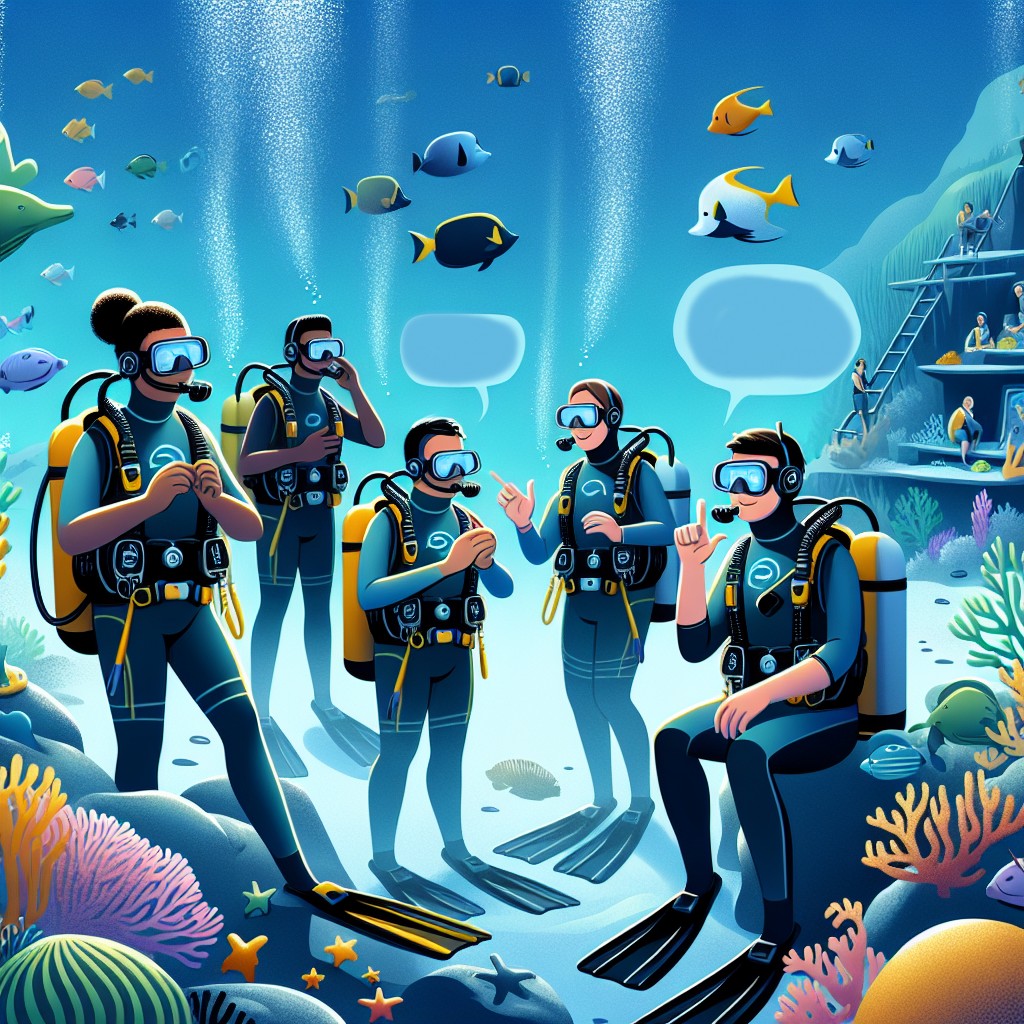
World Ocean Day, celebrated annually on June 8th, presents a remarkable opportunity to delve into the wonders of the ocean, raise awareness about marine conservation, and inspire action to protect our blue planet. This day is especially critical for the Deaf and hard-of-hearing communities, who often face unique challenges when it comes to accessing underwater adventures and exploring marine environments. By promoting Deaf education and awareness, we can ensure ocean accessibility for everyone, fostering a more inclusive experience.
With advances in technology, improved communication methods, and a greater understanding of the needs of Deaf individuals, the possibilities for underwater exploration have expanded significantly. Equipped with the right resources, Deaf and hard-of-hearing individuals can fully immerse themselves in the mesmerizing underwater world. This article will explore various aspects of creating Deaf-friendly underwater adventures, the importance of ocean accessibility, and the role of education in bridging the gap.
Understanding Deaf Awareness
Deaf awareness is a critical component of fostering inclusivity and ensuring that all individuals have the opportunity to engage in various activities, including underwater adventures. It involves recognizing and addressing the unique communication needs and preferences of Deaf and hard-of-hearing individuals, and providing appropriate accommodations to enhance their experiences.
Education plays a vital role in promoting Deaf awareness. By educating the general public, businesses, and service providers about the specific challenges faced by Deaf individuals, we can create environments that are welcoming and accessible. This includes offering sign language interpreters, captioning services, and visual aids, as well as ensuring that staff are trained in effective communication strategies.
In the context of underwater adventures, Deaf awareness initiatives can greatly enhance the safety and enjoyment of activities such as scuba diving, snorkeling, and marine wildlife tours. By fostering a culture of inclusivity and awareness, we can empower Deaf individuals to participate fully in these experiences.
Technological Innovations in Underwater Exploration
Technological advancements have revolutionized the possibilities for underwater exploration, making it more accessible for everyone, including Deaf and hard-of-hearing individuals. Innovations in communication devices, diving equipment, and educational resources have played a pivotal role in this transformation.
One of the most significant developments is the introduction of underwater communication systems designed specifically for Deaf divers. These systems use visual signals, such as flashing lights or hand signals, to convey essential information. Additionally, underwater tablets and slates with waterproof writing surfaces enable divers to communicate more effectively with each other and their instructors.
Beyond diving, technology has also improved the accessibility of educational programs related to marine conservation and oceanography. Online resources, virtual tours, and interactive apps now offer engaging and informative content that can be easily accessed by Deaf individuals. This ensures that they have the opportunity to learn about the ocean and its ecosystems, preparing them for hands-on experiences.
Developing Inclusive Policies and Practices
To achieve true ocean accessibility, it is essential to develop inclusive policies and practices that address the needs of Deaf and hard-of-hearing individuals. This involves collaboration between various stakeholders, including government agencies, educational institutions, and organizations dedicated to promoting Deaf awareness.
One key aspect of creating inclusive policies is ensuring that all public and private marine-related facilities are equipped with appropriate accommodations. This includes providing accessible changing rooms, visual emergency alarms, and clear signage. Additionally, businesses offering underwater tours and activities should prioritize hiring staff who are trained in Deaf awareness and communication strategies.
Another important consideration is the inclusion of Deaf perspectives in the development of educational curricula related to marine sciences. By incorporating the experiences and insights of Deaf individuals, educators can create more relevant and engaging content that resonates with this audience. This inclusivity extends to research as well, encouraging Deaf scientists to contribute to the field of marine biology and conservation.
Engaging the Deaf Community in Ocean Conservation
Engaging the Deaf community in ocean conservation efforts is crucial for fostering a sense of ownership and responsibility towards the marine environment. By involving Deaf individuals in advocacy, education, and hands-on conservation activities, we can harness their unique perspectives and skills to drive meaningful change.
Community engagement begins with creating opportunities for Deaf individuals to connect with marine conservation organizations and initiatives. This can be achieved through outreach programs, workshops, and events that are specifically designed to be accessible and inclusive. By removing barriers to participation, we can encourage more Deaf individuals to become involved in ocean protection efforts.
Volunteer programs and citizen science projects are excellent avenues for Deaf individuals to contribute to marine conservation. These initiatives often involve activities such as beach cleanups, coral reef monitoring, and data collection, allowing participants to directly impact the health of marine ecosystems. Additionally, by sharing their experiences and knowledge, Deaf volunteers can inspire others to join the cause.
Collaborating with Diving Organizations and Training Centers
Collaboration with diving organizations and training centers is essential for promoting underwater adventures that are accessible to Deaf and hard-of-hearing individuals. These partnerships can help ensure that diving courses, certifications, and recreational activities are designed with inclusivity in mind.
One successful approach is the development of specialized training programs for Deaf divers. These programs can be tailored to address the unique challenges faced by Deaf individuals, such as understanding underwater signals and communication methods. By offering courses taught by instructors who are proficient in sign language and familiar with Deaf culture, diving centers can create a supportive and empowering learning environment.
Furthermore, diving organizations can contribute to Deaf-friendly underwater adventures by providing accessible equipment and resources. This includes ensuring that dive shops stock visual communication devices, providing detailed briefings using visual aids, and offering written materials in clear and simple language. By prioritizing accessibility, these organizations can attract a more diverse clientele and promote a culture of inclusivity within the diving community.
Looking Ahead: Future Initiatives for Ocean Accessibility
As we look to the future, it is important to continue advancing initiatives that enhance ocean accessibility for Deaf and hard-of-hearing individuals. This requires ongoing collaboration, innovation, and a commitment to inclusivity across all sectors involved in marine exploration and conservation.
One promising area of development is the integration of augmented reality (AR) and virtual reality (VR) technologies in underwater experiences. These immersive technologies can provide Deaf individuals with detailed visual information, enhancing their understanding and enjoyment of underwater environments. For instance, AR-equipped diving masks could display real-time data and instructions, while VR simulations can offer virtual dive experiences for those unable to participate directly.
Additionally, there is a growing need for more research focused on the specific needs and preferences of Deaf individuals in marine settings. By involving Deaf researchers and collaborating with Deaf communities, we can gain valuable insights that inform the design of more effective and accessible programs and resources.
Conclusion
World Ocean Day serves as a powerful reminder of the importance of protecting our oceans while also highlighting the need for inclusivity in underwater adventures and ocean accessibility. By promoting Deaf education and awareness, we can create a more inclusive world where everyone can enjoy the wonders of the sea and contribute to marine conservation efforts.
Through technological advancements, inclusive policies, community engagement, and collaboration with diving organizations, we have the potential to make significant strides in enhancing ocean accessibility for Deaf and hard-of-hearing individuals. The journey towards a more inclusive and accessible world requires the collective efforts of all stakeholders, including educators, policymakers, businesses, and communities.
As we move forward, let us continue to champion the cause of Deaf-friendly underwater adventures and work towards ensuring that the beauty and mysteries of the ocean are within reach for everyone. Together, we can create a more inclusive and sustainable future for our blue planet.