
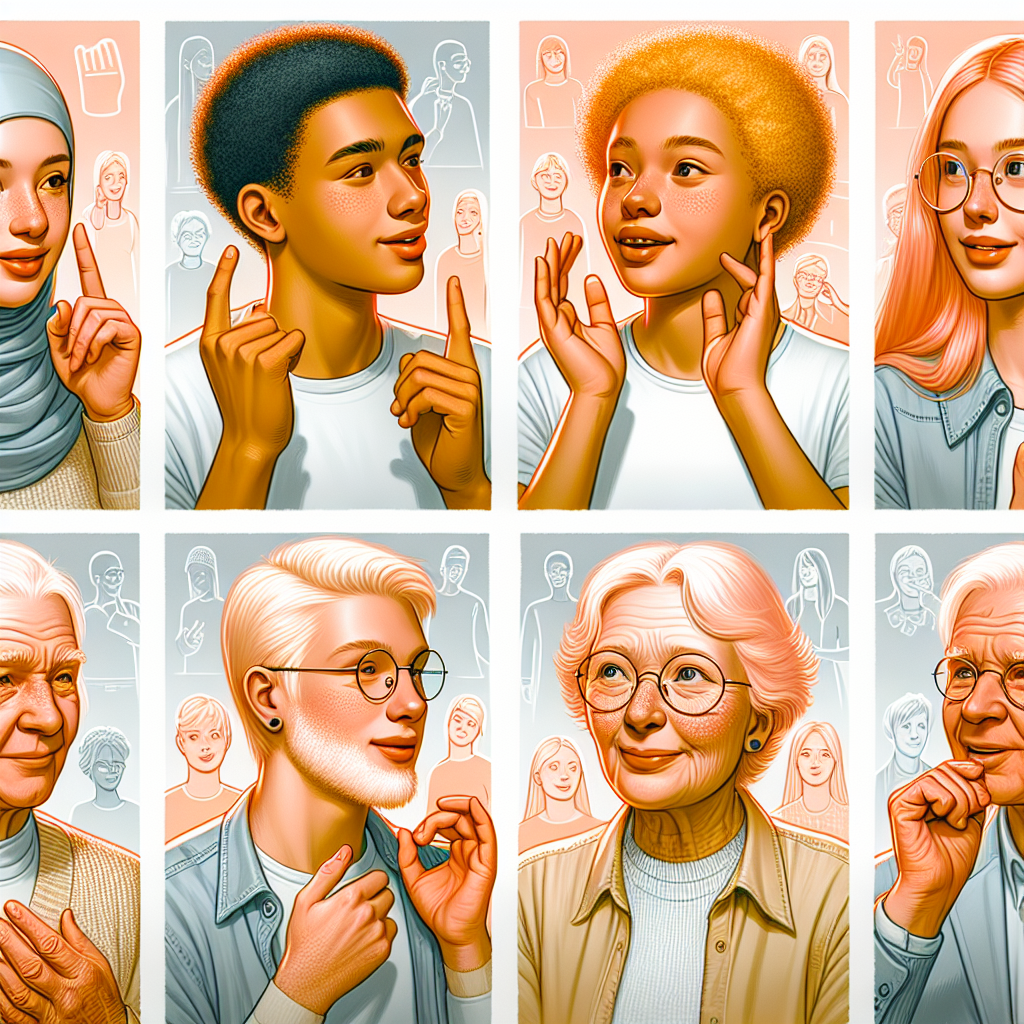
The International Day of Awareness of Albinism is an essential occasion dedicated to educating the public about albinism, advocating for the rights of individuals with albinism, and addressing the unique challenges they face. Among these individuals are those who also experience deafness, presenting a dual set of challenges that require specialized attention and support.
Introduction
Albinism is a genetic condition characterized by a deficiency in melanin production, affecting the skin, hair, and eyes. The condition also increases the risk of skin cancer and can lead to vision problems. For individuals with albinism who are also deaf, the challenges are multifaceted. The International Day of Awareness of Albinism provides an opportune moment to shed light on their unique experiences and promote a more inclusive society.
Deaf individuals with albinism face a double layer of societal marginalization. On one hand, they deal with the stigmatization and misconceptions associated with albinism. On the other hand, they navigate the communication barriers and accessibility issues linked to deafness. These compounded challenges require targeted advocacy and intervention to ensure that their rights and opportunities are protected and that they have access to the resources needed for a fulfilling life.
In recognition of the International Day of Awareness of Albinism, this article delves into the experiences of deaf individuals with albinism, exploring the social, educational, and medical challenges they face, as well as the steps being taken to address these issues. By increasing awareness and understanding, we can contribute to an environment that is supportive, inclusive, and equitable for everyone.
Understanding Albinism and Deafness
To fully appreciate the experiences of individuals who are both deaf and have albinism, it is crucial to understand the basics of these conditions. Albinism results from a mutation in one of several genes responsible for the production and distribution of melanin. This lack of pigment leads to the characteristic light skin, hair, and eyes. Additionally, albinism can cause vision problems such as photophobia (sensitivity to light), astigmatism, and nystagmus (involuntary eye movement).
Deafness, on the other hand, can be caused by a range of factors, including genetic mutations, prenatal factors, infections, or exposure to loud noise. Communication barriers faced by deaf individuals often extend beyond the inability to hear; they include social isolation, difficulties in accessing information, and challenges in education and employment. When someone has both albinism and deafness, these obstacles can become interwoven, creating a complex web of challenges that affect various aspects of life.
One of the primary issues for people with both albinism and deafness is visibility and representation. The intersection of these conditions is relatively rare, leading to a lack of awareness and understanding within the general population, as well as among healthcare professionals, educators, and policymakers. This often means that the specific needs of this group are overlooked or inadequately addressed, necessitating targeted advocacy and support efforts.
Organizations and advocates highlight the importance of raising awareness about the unique challenges faced by deaf individuals with albinism. By sharing their stories and educating the public, it is possible to foster a society that is more empathetic and better equipped to provide the necessary support and accommodations.
Social Challenges Faced by Deaf Individuals with Albinism
Social challenges for deaf individuals with albinism begin with societal misconceptions. Despite progress in awareness and understanding, people with albinism continue to face myths and stigmas. These can range from beliefs that albinism is a curse or superstition to assumptions that those with albinism have supernatural powers. Adding deafness to the mix only amplifies the social isolation and misunderstanding these individuals often experience.
This isolation can result from multiple sources. Family members may be unaware of how best to support a relative with both albinism and deafness. Community members might not understand how to communicate effectively with someone who has both conditions. Consequently, individuals may struggle to form connections and build relationships within their communities, leading to emotional and psychological impacts such as anxiety, depression, and low self-esteem.
Furthermore, social interactions are complicated by the physical characteristics of albinism, which frequently draw attention and sometimes unwarranted curiosity or negative reactions. For someone who also experiences deafness, these interactions can be even more challenging. The need to manage communication barriers while also addressing unwelcome attention can be a significant source of stress.
Advocacy groups emphasize the importance of social inclusion and support networks. By fostering awareness and understanding, communities can become more inclusive, ensuring that individuals with both albinism and deafness feel valued and supported. Campaigns to educate the public about the realities of living with these conditions can help to break down misconceptions and reduce social isolation.
Educational Challenges and Support
Educational opportunities for deaf individuals with albinism are often limited by multiple barriers. These can stem from a lack of resources, insufficient training for educators, and inaccessible learning environments. Traditional educational settings may not accommodate the dual needs of students with both albinism and deafness, leading to gaps in their academic achievement and personal development.
For instance, visual impairment associated with albinism can complicate the learning process. Standard classroom materials and teaching methods might not account for their unique needs, requiring adaptations such as enlarged print, high-contrast materials, and proper lighting. When combined with deafness, these students may also need sign language interpreters, captioning, or other communication aids to access information and participate fully in their education.
The lack of trained educators who are equipped to handle these dual challenges is a significant hurdle. Teachers need to be knowledgeable about both conditions and capable of creating an inclusive and supportive learning environment. Unfortunately, many educational institutions lack the resources or training programs necessary to prepare educators for these specialized roles.
To address these issues, advocacy groups and organizations focusing on albinism and deafness work to promote inclusive education policies. They advocate for the integration of support services, such as vision specialists and sign language interpreters, into mainstream educational settings. Additionally, they recommend professional development programs to enhance educators’ skills and understanding of these conditions.
Parents and caregivers also play a crucial role in advocating for their children’s educational needs. By working closely with schools and educators, they can help to ensure that appropriate accommodations and supports are in place. This collaborative approach is essential for creating an educational environment where deaf students with albinism can thrive.
Medical and Healthcare Considerations
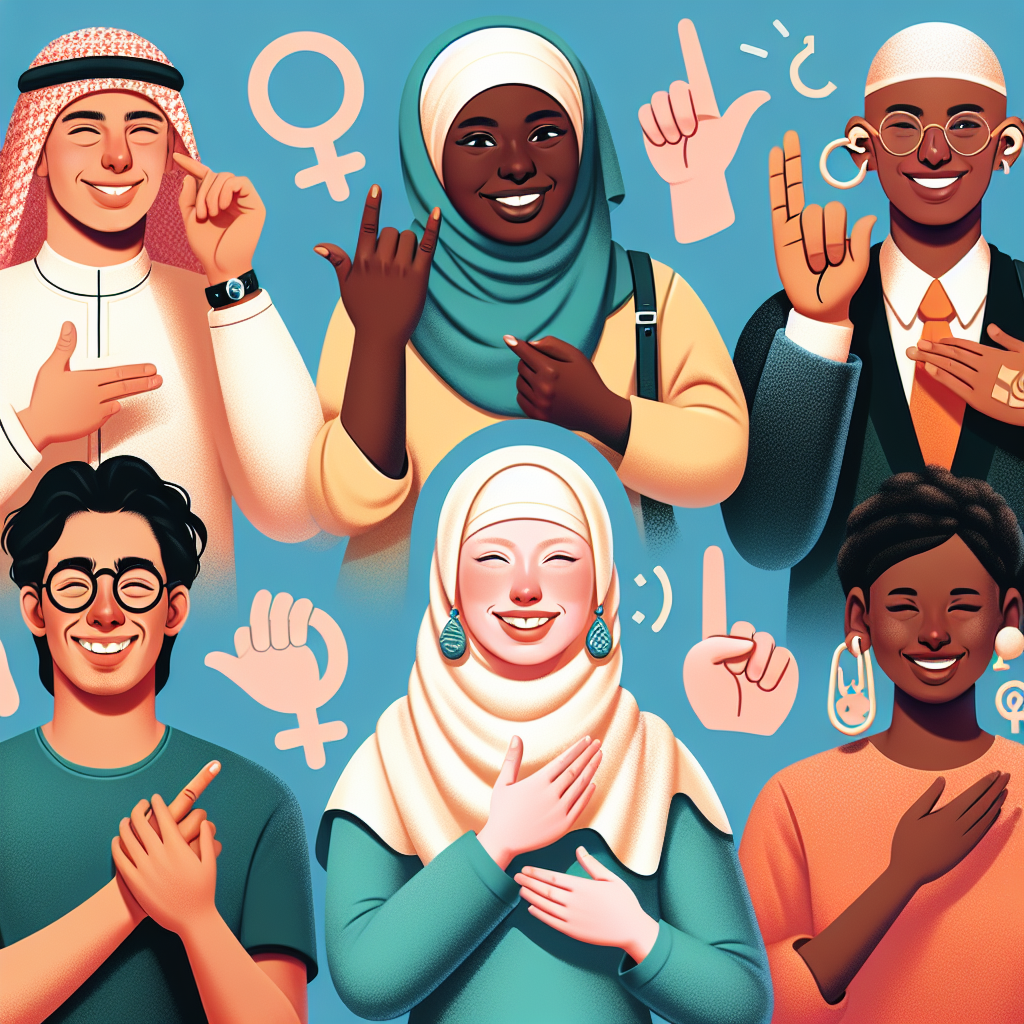
Medical care for individuals with both albinism and deafness requires a multidisciplinary approach that addresses the complex interplay of their conditions. Regular health check-ups are vital to monitor and manage issues related to both albinism, such as skin and eye care, and deafness, which might include audiology evaluations and hearing aid maintenance.
Eye care is particularly important for those with albinism, as they are at higher risk for vision problems. Routine visits to an ophthalmologist can help manage conditions like photophobia, nystagmus, and refractive errors. In some cases, specialized eyewear or surgical interventions may be necessary to improve visual function.
Skin care is another critical area of concern. Due to their lack of melanin, individuals with albinism are at a higher risk of skin damage and skin cancer from ultraviolet (UV) exposure. Regular skin checks and the consistent use of sun protection, such as sunscreen and protective clothing, are essential preventive measures.
For deaf individuals, access to audiological services and devices like hearing aids or cochlear implants can be crucial for their communication and overall well-being. However, navigating the healthcare system to obtain these services can be challenging, especially when combined with the needs related to albinism.
Healthcare providers must be aware of the dual needs of this population and work collaboratively to formulate comprehensive care plans. This involves understanding the intricacies of both conditions and tailoring medical care to address the unique challenges faced by individuals with albinism and deafness.
To improve healthcare outcomes, it is essential to advocate for better training of healthcare professionals. By raising awareness and providing education about the specific needs of deaf individuals with albinism, healthcare providers can offer more informed and compassionate care. Moreover, systemic changes, such as incorporating sign language interpreters within medical facilities and ensuring that health information is accessible to those with visual impairments, can greatly enhance the healthcare experience for this population.
Conclusion
The International Day of Awareness of Albinism serves as a vital reminder of the importance of recognizing and supporting the unique experiences of deaf individuals with albinism. By understanding the complex challenges they face in social, educational, and medical contexts, we can take meaningful steps to improve their quality of life.
It is crucial to continue raising awareness and advocating for the rights of this often-overlooked group. Through targeted efforts in education, healthcare, and social inclusion, we can work towards a society that is inclusive and supportive of all its members, regardless of their physical differences and disabilities.
As we strive to create a more empathetic and understanding world, it is important to listen to the voices of those with lived experiences. Their stories and perspectives can guide us in making informed decisions and implementing policies that truly address their needs. By doing so, we honor the spirit of the International Day of Awareness of Albinism and contribute to a more equitable and compassionate society.
In conclusion, recognizing and addressing the challenges faced by deaf individuals with albinism is not only a matter of advocacy and support but also a step towards creating a world where everyone has the opportunity to thrive. Together, we can make a difference and ensure that no one is left behind.