
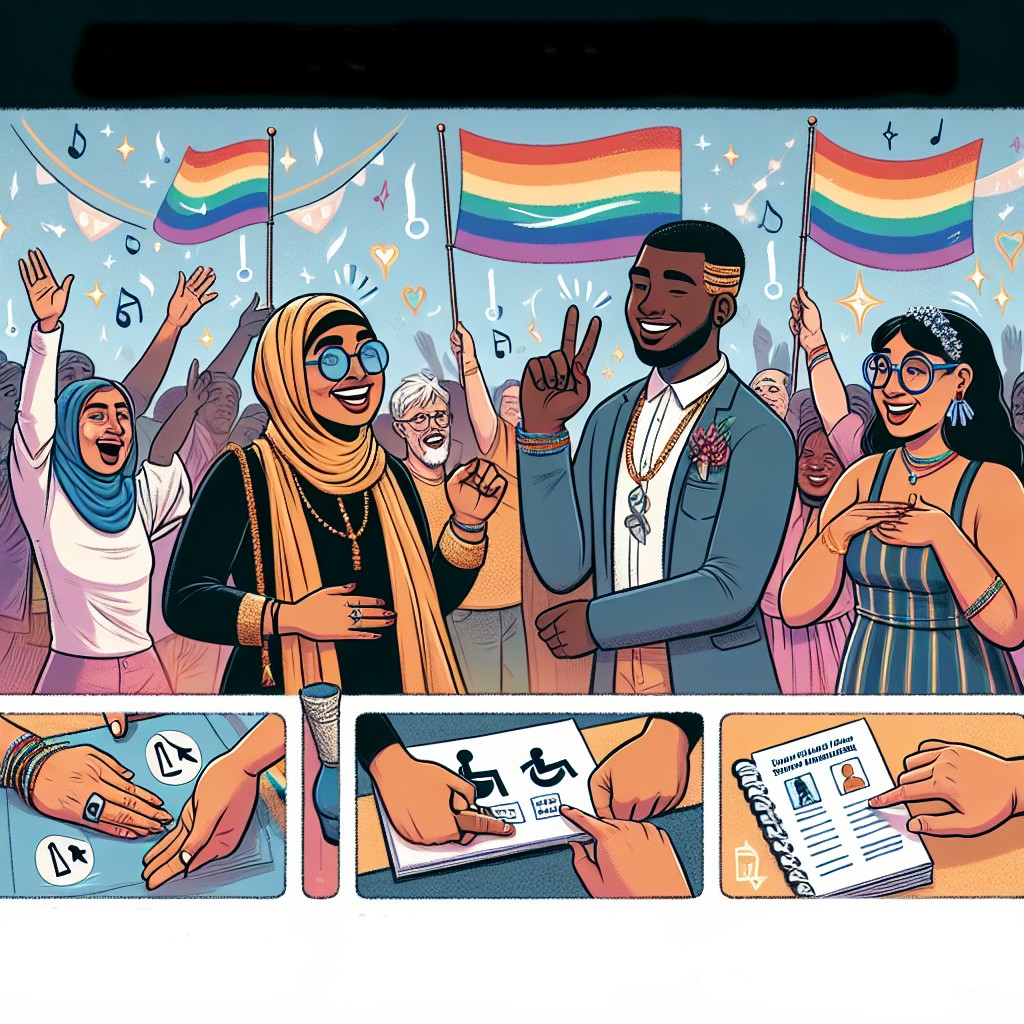
In an era where diversity and inclusivity are celebrated more than ever, integrating accessibility into our events is paramount. One particular aspect that often needs substantial attention is ensuring that events are inclusive for Deaf and Hard of Hearing (D/HoH) guests. With the advent of Deaf Pride and the constant push for greater accessibility within the LGBTQ+ community, planning events that cater to everyone’s needs isn’t just about checking boxes – it’s about truly understanding and embracing the diverse ways in which we all experience the world.
Understanding the Needs of Deaf and Hard of Hearing Individuals
The first crucial step towards creating inclusive events is understanding the needs of D/HoH individuals. Not all Deaf and Hard of Hearing people experience the world in the same way. Some may rely solely on sign language, while others might use hearing aids or cochlear implants to assist with communication. Understanding these differences is the bedrock of creating inclusive environments.
Engage with the community directly. Ask what accommodations would be most beneficial. Often, the needs might include American Sign Language (ASL) interpreters, captioning services, or visual aids like projectors and screens. By directly communicating and involving D/HoH individuals in the planning stages, you ensure that the provided solutions are grounded in actual needs rather than assumptions.
Providing Effective Communication Access
Effective communication is vital in any event, and for D/HoH guests, this often means integrating technology and human resources to ensure information is accessible. Here are some key components to consider:
1. Sign Language Interpreters
Ensure the presence of qualified ASL interpreters. They translate spoken language into sign language, facilitating communication for those who rely on it. Places to locate reputable interpreters include agencies, educational institutions, or local Deaf communities.
2. Captioning Services
Real-time captioning, also known as CART (Communication Access Realtime Translation), provides written text of spoken content displayed on a screen. This service benefits both D/HoH individuals and those with auditory processing difficulties.
3. Assistive Listening Devices (ALDs)
Equip venues with ALDs to enhance sound clarity for those using hearing aids or cochlear implants. These devices amplify sounds, making it easier for users to enjoy speeches or music without background noise interference.
4. Visual Alerts
Utilize visual aids like flashing lights or banners for announcements and changes in schedules, ensuring that D/HoH guests remain informed throughout the event.
Beyond the Venue: Pre-event Planning
Inclusivity starts long before the event date. In the planning phase, consider incorporating these elements to ensure a seamless experience for D/HoH participants:
1. Accessible Event Information
All event-related information – from invitations to itineraries – should be available in accessible formats. Provide written text, captions in promotional videos, and information about available accommodations on the event’s website.
2. Registration and Preparations
During the registration process, give attendees the option to specify any accommodations they require. By understanding these needs in advance, you can make necessary arrangements.
Creating Inclusive Social Spaces
Events are often more than just formal presentations; they include social spaces where guests mingle, network, and relax. These areas should also be accessible and inclusive for D/HoH guests:
1. Quiet Areas
Set aside quiet areas where individuals can converse without the background noise of the event. This helps those who read lips or use ALDs communicate more effectively.
2. Visual Cues
Use visual cues such as clear signage, written instructions, and visual schedules to guide guests through the event and inform them of ongoing activities.
3. Inclusive Announcements
Ensure all event announcements are both spoken and displayed visually. This can be achieved through screens, scrolling text banners, or digital sign boards.
Accessibility in Entertainment
Many events include entertainment, such as performances, speeches, or group activities. Making these accessible involves several components:
1. Pre-recorded Content
For any pre-recorded material, ensure it’s captioned and, if possible, includes a sign language interpreter. This guarantees that the content is accessible to all attendees.
2. Live Performances
For live performances, provide ASL interpretation and real-time captioning where possible. Additionally, if there are multimedia presentations, ensure they’re accessible by providing descriptions of the visual elements.
3. Interactive Sessions
During interactive sessions like Q&A panels or workshops, make sure that microphones are used and that questions or contributions from the audience are repeated by the facilitator to aid those relying on lip-reading or ALDs.
Training Staff and Volunteers
An often-overlooked aspect of accessibility is the preparation of staff and volunteers. Everyone involved in the event should be aware of the accessibility measures in place and how to assist D/HoH guests effectively:
1. Awareness Training
Conduct training sessions on Deaf culture and the specific needs of D/HoH individuals. This will prepare staff to communicate respectfully and effectively.
2. Emergency Protocols
Ensure all staff are familiar with procedures to assist D/HoH guests in case of an emergency, such as using visual alarms and guiding them to safety.
3. Communication Techniques
Teach staff basic communication strategies, such as maintaining eye contact, speaking slowly and clearly, and using gestures or written notes when needed.
Post-event Follow-up
Inclusivity doesn’t end when the event does. Gathering feedback and reflecting on the experience is crucial for continuous improvement:
1. Feedback Collection
Encourage attendees to provide feedback on the accessibility measures. Use surveys that allow for detailed responses on what worked well and what could be improved.
2. Post-event Analysis
Analyze the feedback to identify areas where the event excelled in accommodating D/HoH guests and where it fell short. This helps in fine-tuning future events.
3. Thank You Notes
Send personalized thank-you notes to all attendees, acknowledging their participation and feedback. Mention the measures taken to enhance accessibility, showing your commitment to continuous improvement.
Conclusion
Creating an inclusive event for Deaf and Hard of Hearing guests is more than a logistical challenge – it’s a commitment to equity and accessibility. By understanding the diverse needs of D/HoH individuals and integrating comprehensive accommodation strategies, we can host celebrations that truly welcome all members of our community.
These efforts not only enrich the event experience for D/HoH guests but also enhance the cultural competence of everyone involved. As we celebrate Pride and other significant milestones, let’s strive to make every gathering a model of accessibility and inclusivity. By doing so, we honor the spirit of Pride itself – a celebration of diversity, acceptance, and the unique contributions of every individual.