
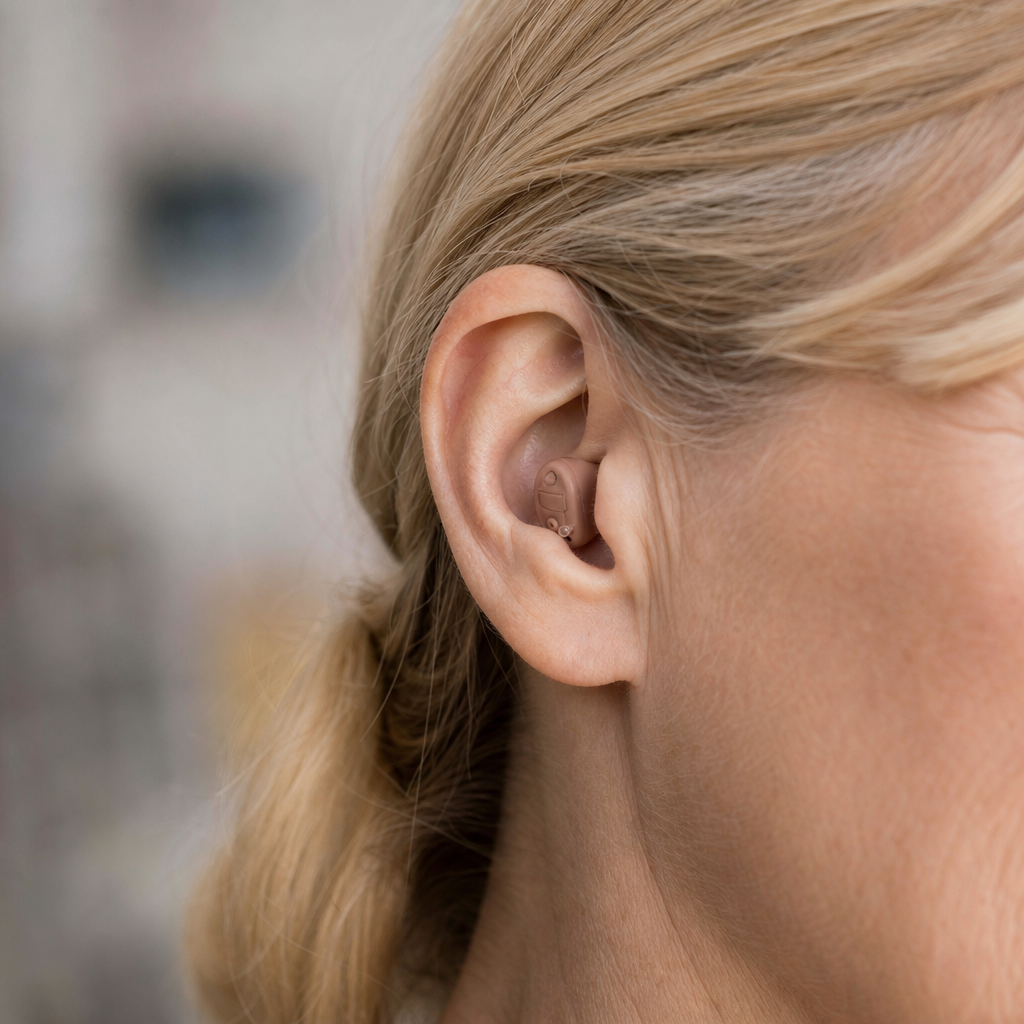
Inside the ear hearing aids sit within the outer ear rather than behind it, offering a discreet hearing solution that balances comfort, amplification, and daily practicality for many adults with mild to severe hearing loss. The term covers several custom and semi-custom styles, including in-the-ear, in-the-canal, completely-in-canal, and invisible-in-canal models, each designed to fit the ear anatomy more closely than traditional behind-the-ear devices. In clinical fittings, I have seen this category appeal most strongly to people who want less visible technology, wear glasses regularly, or dislike the feeling of a receiver wire resting over the ear. Yet appearance is only part of the story. Inside the ear hearing aids matter because fit, microphone placement, battery size, moisture resistance, dexterity demands, and acoustic performance all change when electronics move from behind the ear into the ear bowl or canal. Understanding those tradeoffs helps buyers choose the right device, avoid expensive mistakes, and set realistic expectations about sound quality, maintenance, and long-term value.
For a general guide, start with three key ideas. First, hearing aids are medical devices programmed to a hearing test, not simple sound amplifiers. Second, ear-level placement affects both benefit and limitations, especially for wind noise, earwax, occlusion, and recharge options. Third, success depends as much on fitting and follow-up care as on brand or style. People often ask whether inside the ear hearing aids are better than behind-the-ear models. The honest answer is that they are better for some ears, lifestyles, and cosmetic priorities, but not universally better. A person with narrow canals, chronic drainage, or profound high-frequency loss may do better in another style. This hub explains how the main inside-the-ear types work, who they suit, what features to expect, how prices and fittings usually work, and what to consider before buying. If you are comparing hearing aids broadly, this page gives the foundation you need before diving into more specific style, brand, and maintenance topics.
What Inside the Ear Hearing Aids Include
Inside the ear hearing aids are defined by placement. Instead of a case behind the pinna, the shell sits partly or fully in the concha or canal. The broad family includes ITE, which fills part of the outer ear; ITC, which sits lower in the canal; CIC, which fits deeper and is less visible; and IIC, which is placed deepest and is often marketed as nearly invisible. Some over-the-counter devices also mimic these shapes, but prescription custom products remain the standard when precise amplification and physical fit matter. The shell is typically made from acrylic or medical-grade resin based on a digital ear impression or scan, and the electronics are arranged to match the user’s anatomy. Because the faceplate is small, every millimeter matters for microphones, venting, battery door or charging contacts, telecoil space, and push-button controls.
Each style changes what features are feasible. A larger ITE may support directional microphones, wireless streaming, telecoil, and either disposable or rechargeable power. A tiny IIC may sacrifice streaming and battery life for invisibility. In my experience, patients often focus on size first, then later realize that the smaller option can mean fewer controls, shorter wear time, and harder handling. That is why style selection should start with listening needs, manual dexterity, canal shape, wax production, and vision. Someone who attends meetings, streams calls, and changes settings frequently may prefer a fuller-shell ITE. Someone prioritizing concealment for occasional social use may accept the constraints of a CIC or IIC. The category is broad enough to be useful, but narrow enough that details determine satisfaction.
Who Benefits Most and When Another Style Is Better
Inside the ear hearing aids are often a strong match for adults with mild to moderate hearing loss, normal outer ear anatomy, and a clear preference for devices that do not rest behind the ear. They can also work well for experienced users who know their priorities and can manage routine cleaning. Glasses wearers frequently appreciate the lack of crowding behind the ear. People with masks or headgear once found canal styles particularly convenient, and many still do in workplaces that use helmets or protective eyewear. Because microphones sit closer to the natural entrance of the canal, some users report a more natural sense of sound direction than they had with older behind-the-ear devices, although modern signal processing has narrowed that gap.
These aids are not ideal for everyone. Very small or sharply bending ear canals can limit physical fit. Heavy cerumen production increases maintenance demands and can block the receiver or microphone openings. Significant moisture exposure from perspiration, humid climates, or recurrent ear infections can shorten device life. People with reduced finger strength, tremor, low vision, or arthritis often struggle with tiny batteries and insertion. For children, changing ears and durability needs usually favor behind-the-ear designs. For severe to profound hearing loss, power and feedback control may be better in a larger form factor. The best general rule is simple: if hearing loss, anatomy, or dexterity creates constraints, cosmetic preference should be weighed against reliability and usable features rather than treated as the only deciding factor.
Core Features, Performance, and Everyday Tradeoffs
Modern inside the ear hearing aids can include advanced digital processing once limited to larger devices. Common features include multichannel gain, noise reduction, feedback suppression, directional microphones, Bluetooth connectivity in selected styles, tinnitus masking programs, environmental classification, and app-based remote adjustments. Prescription models are programmed using verification software and should ideally be fine-tuned with real-ear measurement, the gold standard for matching amplification to a target such as NAL-NL2 or DSL. When that verification step is skipped, even premium devices can underperform. I have corrected many disappointing fittings simply by measuring output in the ear canal and adjusting gain to speech targets instead of relying on first-fit defaults.
The tradeoffs are predictable. Smaller shell volume means smaller batteries or lower-capacity recharge systems, so runtime can be shorter. Deep insertion can reduce wind noise and improve cosmetics, but it also makes vents smaller, increasing the risk of occlusion, the plugged-up sensation many new users notice with their own voice. More enclosed designs can trap moisture and wax near sound outlets, so filters need regular replacement. Directional microphone performance depends on mic spacing, which is easier in larger ITE models than very small CIC units. Wireless streaming usually requires more space and power. In plain terms, the tiniest inside-the-ear hearing aid is rarely the most versatile; the larger custom option is often the better everyday tool if the wearer values convenience and feature completeness.
Comparing Main Inside-the-Ear Styles
Style names can confuse first-time buyers, so a side-by-side comparison helps. The exact feature set varies by manufacturer, but the pattern is consistent across major brands such as Phonak, Starkey, Signia, Widex, ReSound, and Oticon.
| Style | Placement | Typical Benefits | Typical Limitations | Best For |
|---|---|---|---|---|
| ITE | Fills part of outer ear | Easier handling, more features, stronger battery options | Most visible of the group | Users wanting controls, streaming, and simpler insertion |
| ITC | Mostly in canal | Balanced visibility and usability | Less room for controls and power | Adults wanting discretion without extreme miniaturization |
| CIC | Deeper in canal | Low visibility, reduced wind exposure | Shorter battery life, fewer features, more wax risk | Image-conscious users with good dexterity |
| IIC | Deepest placement | Maximum concealment | Limited candidacy, minimal controls, highest handling demands | Suitable ears with strong cosmetic priority |
This comparison highlights a pattern I stress in consultations: the smallest style is not automatically the smartest purchase. If you need all-day streaming, tactile buttons, or easier cleaning, moving one size up often improves satisfaction dramatically. Conversely, if appearance is the main barrier to starting treatment, a deep-fit model may finally make consistent use realistic. Matching style to behavior is more important than chasing the smallest shell advertised online.
Fitting Process, Costs, and What to Ask Before Buying
A proper purchase process starts with a hearing evaluation, ear inspection, and discussion of communication goals. The clinician should determine type and degree of hearing loss, review medical red flags such as sudden change, asymmetry, pain, drainage, or unilateral tinnitus, and assess whether custom in-ear devices are physically appropriate. If the ear is suitable, impressions or 3D scans are taken for custom manufacturing. At the fitting appointment, the devices are programmed, insertion and removal are practiced, and cleaning tools are reviewed. The best clinics also schedule adaptation follow-up because brain adjustment to amplified sound takes time. New wearers often need gain changes, vent modifications, or counseling on realistic listening expectations in restaurants, cars, and group settings.
Cost varies widely by technology tier, service bundle, and market. In the United States, prescription custom hearing aids commonly range from about $2,000 to $7,000 per pair, sometimes more at premium clinic rates. That price may include testing, fitting, follow-up care, warranty, loss coverage, and professional cleanings, or it may not. Lower up-front pricing can mean fewer included visits. Ask direct questions: Is real-ear measurement included? What is the trial period and return fee? How long is the repair warranty? Is there a loss and damage policy? Are future programming visits bundled? Can the shell be remade if fit is poor? Those details matter more than list price alone, because the value of inside the ear hearing aids depends heavily on service quality and ongoing support.
Cleaning, Lifespan, and Common Problems
Maintenance is where many in-ear devices succeed or fail. Because the aids sit close to wax and skin oils, daily wiping and routine filter changes are essential. I advise users to inspect microphone ports and wax guards every night, open the battery door if using disposables, and store the devices in a drying container or dehumidifier, especially in humid climates. Rechargeable models should still be cleaned before charging because debris can affect contacts. Most manufacturers provide small brushes, loops, and replacement guards, and clinics often include periodic vacuum cleaning. Ignoring these basics leads to weak output, intermittent sound, feedback, and avoidable repairs.
Typical lifespan is around three to seven years, depending on build quality, moisture exposure, and wear patterns. Smaller custom devices can be more repair-prone simply because components are densely packed and vents are narrow. Common issues include blocked receivers, cracked shells, reduced battery performance, soreness from poor fit, and feedback caused by wax, jaw movement, or hearing changes. Comfort problems should not be tolerated for long; minor shell grinding or vent changes can make a major difference. If speech still sounds unclear after cleaning and programming, the limitation may be the hearing loss configuration rather than the hardware alone. In that case, a different style, stronger receiver, or assistive listening accessory may provide better results than repeatedly raising volume.
Conclusion
Inside the ear hearing aids offer a valuable middle ground between discretion and function, but they are not one-size-fits-all solutions. The main styles range from larger ITE shells with easier handling and richer features to deep-fit IIC models built around maximum concealment. The right choice depends on hearing loss, ear anatomy, dexterity, wax and moisture levels, feature priorities, and willingness to maintain the devices carefully. In practice, the people happiest with custom in-ear aids are those who choose them for the right reasons, understand their limits, and receive a thorough fitting with verification and follow-up care.
If you remember one principle, make it this: fit and support matter more than marketing claims. A well-programmed, well-maintained device in the right style will outperform a premium model chosen only for appearance. Use this guide as your starting point within the broader Hearing Aids topic, then compare specific styles, brands, batteries, and care articles to narrow your options. If you are ready to take the next step, book a hearing test with a qualified audiologist or hearing instrument specialist and ask whether inside the ear hearing aids truly match your hearing goals, anatomy, and daily routine.
Frequently Asked Questions
What are inside the ear hearing aids, and how are they different from behind-the-ear models?
Inside the ear hearing aids are devices designed to sit in or fill part of the outer ear rather than resting behind the ear with tubing leading inward. This category includes several styles, such as in-the-ear (ITE), in-the-canal (ITC), completely-in-canal (CIC), and invisible-in-canal (IIC) hearing aids. Some are custom-molded to the wearer’s ear shape, while others use more standardized shells or sleeves for a close fit. Their main appeal is that they are discreet, self-contained, and often easier for adults to wear without the visible profile of a behind-the-ear device.
The biggest difference from behind-the-ear models is placement. Behind-the-ear hearing aids keep most of the electronics in a case above and behind the ear, while inside the ear hearing aids place the working components much closer to the ear canal. That can make them cosmetically appealing and convenient for people who wear glasses, masks, or headgear regularly. However, because they are smaller and sit in a warm, moist, wax-prone environment, they can require more consistent cleaning and may have fewer space-saving options for larger batteries or certain advanced features depending on the style.
In practical terms, inside the ear models often strike a balance between discretion, comfort, and amplification. Larger custom styles such as ITE devices may accommodate more features and stronger output, while smaller styles like CIC and IIC prioritize visibility and natural placement. The best option depends on hearing loss severity, ear anatomy, dexterity, lifestyle, and whether the wearer values easy handling over maximum invisibility. A hearing professional typically helps match the style to both hearing needs and day-to-day use.
Who is a good candidate for inside the ear hearing aids?
Inside the ear hearing aids can be a strong option for many adults with mild to severe hearing loss, but suitability depends on more than the hearing test alone. People who want a less visible hearing aid often prefer these models, especially if they are looking for something that feels integrated into the ear rather than attached behind it. They can also work well for adults who find behind-the-ear tubing inconvenient or who want a device that does not compete with eyeglass arms, helmets, or face coverings.
That said, ear shape and canal size matter a great deal. Some ears comfortably accommodate in-the-ear or in-the-canal designs, while very small or sharply curved ear canals may limit the use of smaller custom devices. Manual dexterity is another major consideration. Tiny hearing aids can be more difficult to insert, remove, clean, and battery-change, so people with arthritis, tremor, reduced fingertip sensitivity, or vision challenges sometimes do better with a larger style. In these cases, an ITE device may still be appropriate, while the smallest CIC or IIC styles may be less practical.
They are often best suited to adults rather than children, since children’s ears continue to grow and change. They may also be less ideal for people with chronic ear drainage, heavy earwax buildup, frequent ear infections, or medical conditions affecting the ear canal. A hearing care provider looks at hearing thresholds, speech understanding, ear health, anatomy, and lifestyle to determine candidacy. When chosen carefully, inside the ear hearing aids can offer an excellent combination of comfort, discretion, and dependable everyday hearing support.
What are the main types of inside the ear hearing aids, and how do I choose between them?
The main types are in-the-ear (ITE), in-the-canal (ITC), completely-in-canal (CIC), and invisible-in-canal (IIC). ITE hearing aids are the largest of the group and sit in the bowl of the outer ear. Because they have more physical space, they can often include larger batteries, more controls, stronger amplification, and in some cases features that smaller custom devices cannot support as easily. ITC devices are somewhat smaller and sit partly in the ear canal, offering a compromise between visibility and handling. CIC devices sit deeper in the canal, and IIC devices are placed even farther inward for maximum discretion.
Choosing between them usually comes down to balancing four things: hearing needs, visibility preferences, handling ease, and available features. If someone has more significant hearing loss, wants easier insertion and removal, or benefits from more room for controls and battery capacity, an ITE or larger ITC style may make the most sense. If discretion is the highest priority and the hearing loss is suitable for a smaller shell, CIC or IIC may be attractive options. However, the smallest devices may offer fewer onboard controls and can be more challenging for people who need easy daily handling.
It is also important to think about real-world listening goals. Someone who frequently takes phone calls, spends time in restaurants, or wants wireless convenience may need a style that supports those features reliably. Others may care most about a natural feel and minimal appearance. A professional fitting helps clarify what matters most and whether the ear canal can physically accommodate the chosen style. The best choice is rarely just the smallest device available; it is the one that fits the ear well, meets amplification needs, and remains comfortable and practical to use every day.
What are the advantages and disadvantages of inside the ear hearing aids in everyday life?
One of the biggest advantages is discretion. Many wearers like that these devices sit within the ear rather than being visible behind it. They can feel more natural to wear, especially for adults who are self-conscious about hearing aids or who simply want a lower-profile solution. They can also be comfortable with glasses and other items worn around the head, and because the microphone position is closer to the natural ear location, some users appreciate the overall listening experience. For many people, they provide a practical blend of cosmetic appeal and effective hearing support.
Another benefit is customization. Many inside the ear models are built to match the wearer’s ear anatomy, which can improve comfort and stability. Depending on the style, they may be easy to place and remove without the separate tubing or domes commonly associated with some behind-the-ear designs. Larger custom options can also provide substantial amplification and useful controls. For adults with the right ear anatomy and hearing profile, these devices can fit seamlessly into daily routines at home, at work, and in social settings.
The disadvantages usually relate to size and placement. Because the device sits in the ear canal environment, it is exposed to moisture, sweat, skin oils, and earwax, all of which can increase maintenance needs and the risk of blocked sound outlets or microphone ports. Smaller models may have shorter battery life, fewer features, and less flexibility for those with severe hearing needs. They may also be harder to handle for people with reduced dexterity. Wind noise, occlusion sensation, and comfort can vary by style and fit. None of these drawbacks automatically rule them out, but they do highlight why fitting quality, cleaning habits, and realistic expectations are so important.
How should inside the ear hearing aids be cleaned, maintained, and cared for to keep them working well?
Good maintenance is essential because inside the ear hearing aids sit where earwax and moisture naturally collect. The most important habit is daily visual inspection. At the end of each day, wipe the hearing aid gently with a soft, dry cloth or a cleaning tissue recommended by your hearing professional. Check the microphone openings, sound outlet, and any wax guards for buildup. If wax is present, use the small cleaning tools provided by the manufacturer or clinic, and avoid sharp objects that could damage delicate parts.
Moisture control matters just as much as wax control. Hearing aids should be removed before showering, swimming, or using hair products, and they should be stored in a safe, dry place overnight. Many wearers benefit from a hearing aid dehumidifier or drying cup, particularly if they perspire heavily or live in a humid climate. Batteries should be handled carefully, and if the device uses disposable batteries, the battery door is often left open at night to help reduce moisture accumulation. Rechargeable custom devices should be placed correctly in their charger according to manufacturer instructions.
Routine professional care is also part of long-term performance. Even if the hearing aids seem to be working, periodic appointments allow the provider to deep-clean the devices, replace wax filters, check microphone and receiver function, verify the fit, and fine-tune the programming as hearing needs change. If a hearing aid sounds weak, distorted, intermittent, or uncomfortable, it is better to schedule service early rather than wait for a complete failure. With consistent home care and regular clinical follow-up, inside the ear hearing aids can remain reliable, comfortable, and effective for everyday listening.