
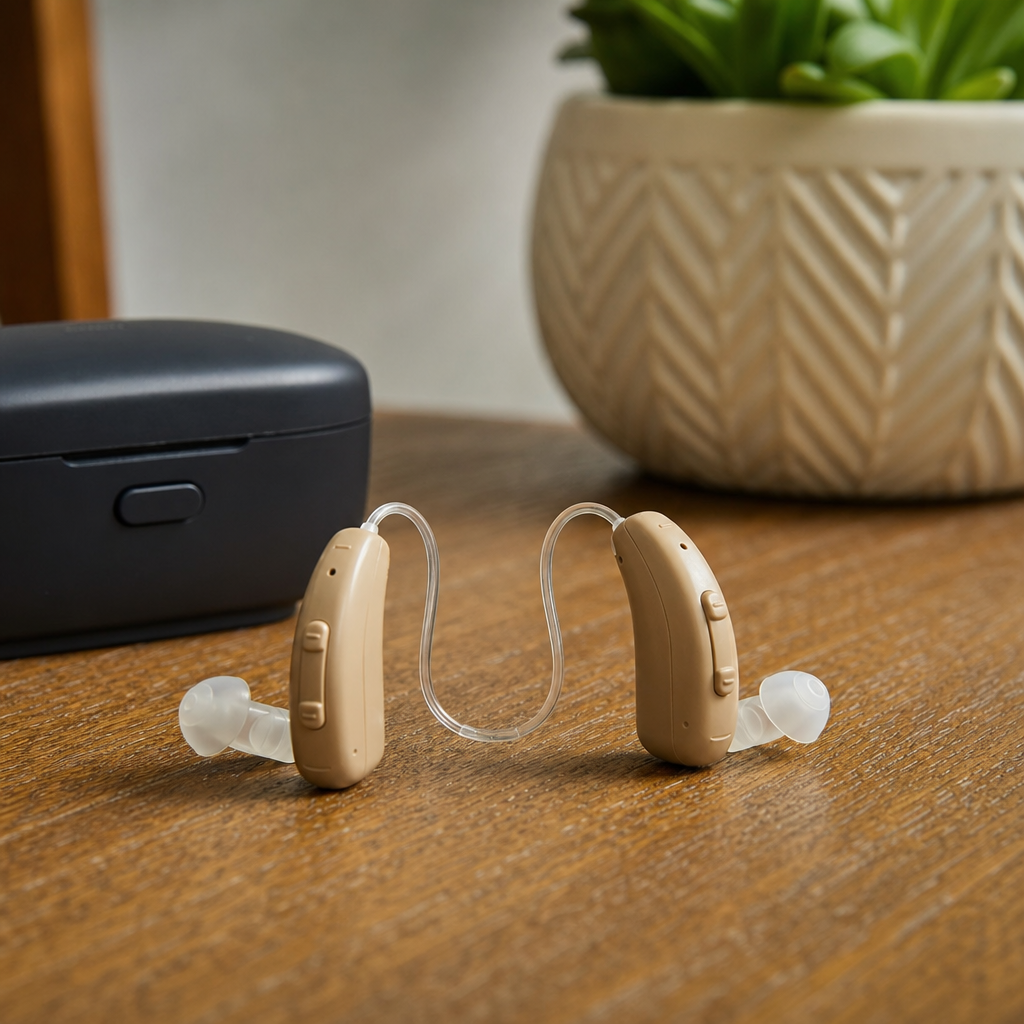
Lexie B2 hearing aids are self-fitting, Bluetooth-enabled devices designed for adults with perceived mild to moderate hearing loss, and they sit at an important intersection of affordability, convenience, and clinically grounded hearing support. In the last few years, I have watched the hearing aid market shift from a clinic-only model to a broader consumer model, and the Lexie B2 is one of the clearest examples of that change. For many buyers, the appeal is straightforward: lower upfront cost than many traditional prescription devices, remote support, app-based personalization, and direct streaming for phone calls on compatible smartphones. Yet a practical guide matters because hearing aids are not simple electronics. They are medical devices shaped by hearing profile, ear anatomy, listening environments, maintenance habits, and expectations. Understanding what the Lexie B2 does well, where it has limits, and who it fits best helps shoppers avoid expensive trial-and-error. This hub article covers the essentials: features, setup, daily use, care, support, costs, and buying considerations, so readers can confidently explore related hearing aid topics from a strong foundation.
What the Lexie B2 hearing aid is and who it is for
The Lexie B2 is an over-the-counter hearing aid sold for adults aged eighteen and older who believe they have mild to moderate hearing loss. That positioning matters. Over-the-counter hearing aids in the United States are intended for perceived hearing difficulty without requiring an in-person exam, fitting, or prescription. They are not meant for severe hearing loss, sudden hearing changes, one-sided hearing loss of unknown cause, active ear drainage, ear pain, or significant dizziness. When I help people compare hearing devices, this eligibility question comes first because the best technology cannot compensate for the wrong clinical starting point.
Physically, the Lexie B2 uses a receiver-in-canal style. The main housing sits behind the ear, while a thin wire connects to a receiver and dome placed in the ear canal. This design is common because it balances comfort, acoustic performance, and discreetness. It also gives users some flexibility with dome size, which affects both retention and sound quality. A poor dome fit often causes whistling, weak bass response, or physical irritation, so proper selection is not a minor detail. For many first-time users, the most successful setup comes from slowing down and testing multiple dome options rather than accepting the first one that seems to fit.
A key selling point is self-fitting through the mobile app. Instead of visiting a clinic for a real-ear measurement and programmed fitting, users complete an in-app hearing check and then adjust settings over time. That approach lowers barriers, but it also changes the user’s responsibility. With a self-fitting product, the buyer must be willing to learn the controls, follow the onboarding process carefully, and give the brain time to adapt to amplified sound. Hearing aid adaptation usually takes days to weeks, not hours, especially for people who have been missing soft consonants and high-frequency detail for a long time.
Core features, app controls, and everyday usability
The Lexie B2 is commonly recognized for combining hearing support with smartphone connectivity. Bluetooth capability is central to the experience because it enables settings changes through the app and, on supported devices, direct streaming of calls. For many users, call clarity is one of the most tangible quality-of-life improvements, especially if they struggle to follow speech on speakerphone or in noisy rooms. The app typically provides control over volume, environmental settings, and personalized tuning, which allows users to refine performance after the initial setup. That flexibility is valuable because hearing is situational. A setting that feels balanced in a quiet living room may feel sharp in a restaurant or too soft outdoors.
Rechargeability is another practical advantage. Users place the hearing aids in a charging case rather than handling disposable batteries, and that reduces maintenance friction for people with dexterity or vision challenges. In real life, convenience often determines adherence. Devices that are cumbersome to power, clean, or pair are less likely to be worn consistently. Consistent wear matters because the brain learns to interpret amplified signals more effectively with repeated exposure. Many frustrated new users are not dealing with a bad device; they are dealing with inconsistent use that resets adaptation every day.
Lexie also emphasizes customer support, including remote assistance. That support layer is more important than many buyers realize. Traditional hearing aid success often depends on follow-up adjustments, counseling, and troubleshooting. Self-directed devices still need those functions, just delivered differently. A good support team can help identify whether a problem is caused by poor insertion, weak charging contact, excessive gain, smartphone pairing conflict, or unrealistic expectations about what hearing aids can do in heavy background noise. Hearing aids improve audibility; they do not restore natural hearing or eliminate every communication challenge.
Another useful point for shoppers is that usability depends on the phone ecosystem. Before buying, users should verify compatibility with their smartphone model and operating system version. Hearing aid pairing issues often come from outdated software, unsupported Bluetooth profiles, or skipped permissions in accessibility settings. Checking compatibility before purchase is one of the simplest ways to avoid unnecessary returns.
How the Lexie B2 compares with traditional prescription hearing aids
The biggest difference between the Lexie B2 and prescription hearing aids is the care pathway. Prescription devices are usually fit by an audiologist or hearing instrument specialist after a hearing evaluation. The professional can identify medical red flags, measure thresholds across frequencies, assess speech understanding, and perform real-ear verification to confirm that amplified sound reaching the eardrum matches a validated target such as NAL-NL2. That process is the gold standard because it combines diagnosis, fitting precision, and counseling. The Lexie B2 replaces much of that structure with self-assessment, app guidance, and remote support.
Price is the second major difference. Traditional prescription hearing aids commonly cost several thousand dollars per pair when bundled with appointments, fitting, and follow-up care. Over-the-counter options like the Lexie B2 generally enter the market at a materially lower price point. For budget-sensitive shoppers, that can make treatment realistic rather than aspirational. Lower cost, however, does not automatically mean better value. If a user has more than mild to moderate loss, complex listening demands, or unresolved ear symptoms, an OTC device may save money upfront but delay effective treatment.
Feature sets also differ. Many premium prescription devices include advanced directionality, stronger noise management, broader fitting ranges, tinnitus programs, telecoil support in some models, and tighter integration with clinical software. The Lexie B2 focuses on a narrower but practical set of functions targeted to mainstream users. For someone who mainly wants help hearing conversations, television, and phone calls, that may be enough. For a musician, frequent meeting attendee, or person with asymmetrical hearing, the limitations may become more apparent.
| Factor | Lexie B2 | Traditional Prescription Hearing Aids |
|---|---|---|
| Access | Direct-to-consumer, self-fitting | Clinic-based evaluation and fitting |
| Best for | Perceived mild to moderate hearing loss | Broader range including complex cases |
| Customization | App-based personalization | Professional programming with verification |
| Support | Remote customer care | In-person follow-up and adjustments |
| Cost | Lower upfront pricing | Higher bundled pricing |
For many adults, the most accurate comparison is not “good versus bad” but “guided convenience versus maximum clinical precision.” That distinction helps buyers choose based on needs rather than marketing language.
Setup, fit, and the learning curve new users should expect
Successful use starts with setup discipline. First, charge the devices fully and update the app if needed. Next, insert the hearing aids correctly. In receiver-in-canal designs, users often under-insert the dome, which reduces acoustic seal and causes feedback. The wire should sit naturally without pulling, and the housing should rest securely behind the ear. If the aid feels loose during jaw movement or glasses use, trying another dome size is usually the first fix. Good physical fit supports good sound.
Then comes the hearing check and personalization process. It is worth doing this in a quiet room and taking the instructions literally. Any background sound, rushed button press, or misunderstood prompt can affect the baseline result. After setup, start wearing the aids in lower-stress environments before tackling restaurants or group conversations. I usually recommend a progression: home conversations, television, walks outdoors, small gatherings, then noisier venues. This staged approach reduces fatigue and helps users separate normal adaptation from true device problems.
One common surprise is that everyday sounds may seem unusually sharp at first. Footsteps, dishes, refrigerator hum, paper rustling, and car turn signals can feel exaggerated because the brain has been missing them. That does not always mean the settings are wrong. Often it means the user is re-encountering high-frequency information after a long period of deprivation. If discomfort persists beyond an adaptation period, then volume, dome fit, or program settings should be reviewed.
Communication strategies still matter. Even with well-fit hearing aids, users hear best when facing the speaker, reducing distance, lowering competing noise, and using visual cues. People expecting hearing aids to solve communication passively in every environment are often disappointed. People who combine hearing aids with smart listening habits usually report better outcomes.
Maintenance, troubleshooting, and long-term ownership costs
Daily care is simple but nonnegotiable. Wipe the devices with a dry, soft cloth, inspect the domes and wax guards, and store them properly in the charger. Earwax is one of the most common causes of weak or distorted sound in receiver-in-canal devices. If one side suddenly sounds softer, the first suspects are a clogged wax guard, a blocked dome opening, or incomplete charging. Moisture is another frequent issue. Sweat, humidity, and bathroom storage can shorten component life, so keeping hearing aids dry and away from steam matters.
Users should also understand recurring costs. Rechargeable aids reduce disposable battery expense, but accessories, replacement domes, wax guards, out-of-warranty service, and possible charger replacement still affect long-term ownership. Trial periods and warranty terms deserve close reading before purchase. A generous return window lowers risk because comfort, streaming reliability, and sound preference are highly individual. Support responsiveness matters too. Fast troubleshooting can rescue a good product from becoming a frustrating one.
Finally, know when troubleshooting should stop and clinical care should start. If hearing worsens quickly, one ear performs much worse than the other, speech remains unclear despite reasonable volume, or there is pain, drainage, or persistent tinnitus change, a medical or audiologic evaluation is the right next step. The strongest hearing aid decision is the one matched to the right hearing problem.
The Lexie B2 hearing aid is best understood as a practical entry point into modern hearing care for adults with perceived mild to moderate hearing loss who want lower cost, app-based control, and remote support. Its strengths are clear: accessible purchasing, self-fitting convenience, rechargeable design, Bluetooth functionality, and a user experience built around everyday independence. For the right person, those strengths can make the difference between delaying help and actually wearing hearing aids consistently. That is a meaningful benefit because untreated hearing difficulty affects conversations, work performance, listening effort, and social participation.
At the same time, the Lexie B2 is not a universal solution. It works best when buyers respect the basics: confirm they fit the intended hearing-loss category, check smartphone compatibility, take setup seriously, experiment with dome fit, and allow time for adaptation. It is also important to recognize where professional care remains essential. Sudden hearing changes, severe loss, asymmetrical symptoms, persistent discomfort, or poor clarity despite adjustment should not be managed as routine device issues. Those situations require a hearing test and, in some cases, medical evaluation.
As a hub within the broader hearing aids topic, this guide should help you frame the right next question: Are you comparing OTC and prescription devices, researching Bluetooth hearing aids, evaluating rechargeable models, or learning how self-fitting works in daily life? Use that question to guide your next step, and if the Lexie B2 seems like a fit, review support terms, trial options, and compatibility details before buying.
Frequently Asked Questions
What are Lexie B2 hearing aids, and who are they designed for?
Lexie B2 hearing aids are self-fitting, Bluetooth-enabled hearing devices created for adults with perceived mild to moderate hearing loss. They are designed for people who want a more accessible path to better hearing without necessarily starting with a traditional in-clinic hearing aid appointment. That makes them especially appealing to first-time users, budget-conscious shoppers, and adults who are comfortable using a smartphone app to personalize their listening experience.
What makes the Lexie B2 notable is that it reflects a larger shift in hearing care: the movement from a clinic-only model toward more consumer-directed solutions. Instead of requiring custom programming at a hearing office from the very beginning, the Lexie B2 allows users to set up and adjust their devices through guided tools and app-based controls. For many people, that means a lower barrier to entry, both financially and practically.
That said, they are not the right fit for everyone. These devices are generally intended for adults who suspect they have mild to moderate hearing difficulty, such as trouble following conversations in restaurants, needing the TV volume higher than others prefer, or asking people to repeat themselves. People with severe or profound hearing loss, sudden hearing changes, ear pain, drainage, one-sided hearing issues, or significant tinnitus should speak with a hearing care professional or physician before relying on an over-the-counter style option. In short, Lexie B2 hearing aids are best viewed as a convenient, modern option for the right candidate—not a one-size-fits-all substitute for professional medical evaluation in every situation.
How does the self-fitting process work with Lexie B2 hearing aids?
The self-fitting process is one of the core features of the Lexie B2. Rather than visiting a clinic for initial adjustments, users typically set up the hearing aids through a smartphone-based process that helps tailor sound to their needs. This usually involves pairing the devices, following setup prompts, and using hearing-related tests or guided listening adjustments within the companion app. The goal is to create a hearing profile that makes speech clearer and everyday listening more comfortable.
For many users, this approach is a major advantage because it puts more control in their hands. They can often make changes to volume, environmental settings, and listening preferences in real time, which can be especially helpful when moving between different situations like quiet rooms, outdoor walks, or busy family gatherings. Bluetooth functionality also adds convenience, since users can connect to compatible devices and manage settings digitally rather than relying only on onboard controls.
Still, “self-fitting” does not mean “instant perfection.” Hearing aids almost always involve an adjustment period, both physically and mentally. New users may need time to get used to amplified environmental sounds, their own voice, and the sensation of wearing devices for several hours a day. In many cases, the best results come when users are patient, wear the devices consistently, and fine-tune settings gradually over days or weeks. If a person expects plug-and-play perfection on day one, they may be disappointed. But if they understand that self-fitting is a guided process rather than a one-time switch, the Lexie B2 can be a very workable and empowering option.
Do Lexie B2 hearing aids offer good value compared with traditional hearing aids?
For many buyers, yes—value is one of the strongest reasons to consider the Lexie B2. Traditional hearing aids purchased through clinics often include professional testing, fitting, programming, follow-up care, and bundled service costs, all of which can raise the total price significantly. By contrast, Lexie B2 hearing aids are typically positioned as a more affordable alternative, giving consumers access to amplification, app-based personalization, and Bluetooth features at a lower upfront cost.
This lower cost can be especially meaningful for people who have delayed treatment because of price. Untreated hearing loss can affect conversations, work performance, social confidence, and overall quality of life. For someone who has been hesitant to spend thousands of dollars on hearing technology, a device like the Lexie B2 can feel far more attainable. It offers a practical middle ground between doing nothing and committing immediately to a premium clinic-based solution.
However, value should not be judged by sticker price alone. Traditional hearing aids may still offer advantages for people with more complex hearing needs, including highly customized programming, in-person diagnostic support, earmold options, and direct oversight from an audiologist or hearing instrument specialist. So the real question is not simply whether Lexie B2 costs less, but whether it provides enough performance, support, and flexibility for your specific situation. For adults with perceived mild to moderate hearing loss who want convenience and reasonable features without a large upfront investment, the Lexie B2 often represents strong value. For people with medically complicated or more advanced hearing loss, a traditional pathway may still be worth the extra cost.
What are the main benefits of Bluetooth in Lexie B2 hearing aids?
Bluetooth adds a layer of convenience that many modern hearing aid users now expect, and it is one of the standout features of the Lexie B2. In practical terms, Bluetooth can allow users to connect their hearing aids to compatible smartphones and, depending on device compatibility and feature support, interact more easily with calls, audio, and hearing aid controls. Even when users are not streaming audio constantly, Bluetooth-enabled app control alone can make the overall experience far simpler and more customizable.
One major benefit is easier day-to-day adjustment. Instead of fiddling with tiny controls on the hearing aids themselves, users can often modify settings through an app, making it easier to increase volume, change modes, or refine sound preferences. That can be particularly helpful for adults who want hearing aids that feel more intuitive and less intimidating. It also supports a more personalized experience because users can respond to real-world listening challenges as they happen.
Bluetooth can also make the hearing aids feel more integrated into a person’s broader digital life. For users who regularly rely on smartphones for communication, entertainment, and accessibility, that integration matters. It helps reposition hearing aids from being purely medical devices to being everyday wearable technology. Of course, Bluetooth does not guarantee perfect performance in every scenario, and compatibility, battery use, and user comfort with apps should all be considered. But for many shoppers, the Bluetooth capability of the Lexie B2 is a meaningful benefit because it improves control, convenience, and overall ease of use.
Are Lexie B2 hearing aids a good choice for first-time hearing aid users?
In many cases, yes. Lexie B2 hearing aids can be a very good choice for first-time users because they are built around accessibility, guided setup, and a relatively approachable buying process. Many adults are curious about hearing help but feel overwhelmed by the idea of scheduling appointments, undergoing testing right away, and committing to expensive devices. The Lexie B2 lowers that barrier by offering a more consumer-friendly path into hearing support.
For a first-time user with perceived mild to moderate hearing loss, that can be extremely valuable. The ability to self-fit, make gradual adjustments, and learn how amplification feels in everyday life can help ease the transition. The app-based setup and Bluetooth features may also make the devices feel more familiar to people who are already comfortable with smartphones and connected technology. Instead of seeing hearing aids as highly specialized equipment that must be managed only in a clinic, users may feel more confident engaging with the process on their own terms.
At the same time, first-time buyers should set realistic expectations. Even user-friendly hearing aids still require patience, daily wear, experimentation, and a willingness to adapt. Hearing aids do not restore hearing to “normal,” and they do not eliminate all listening challenges, especially in noisy environments. What they can do is improve access to speech and environmental sounds in a way that supports communication and participation. For many first-time users, the Lexie B2 strikes a compelling balance of affordability, convenience, and clinically informed design. The key is being an appropriate candidate and understanding that successful hearing aid use is a process, not a one-time purchase.