
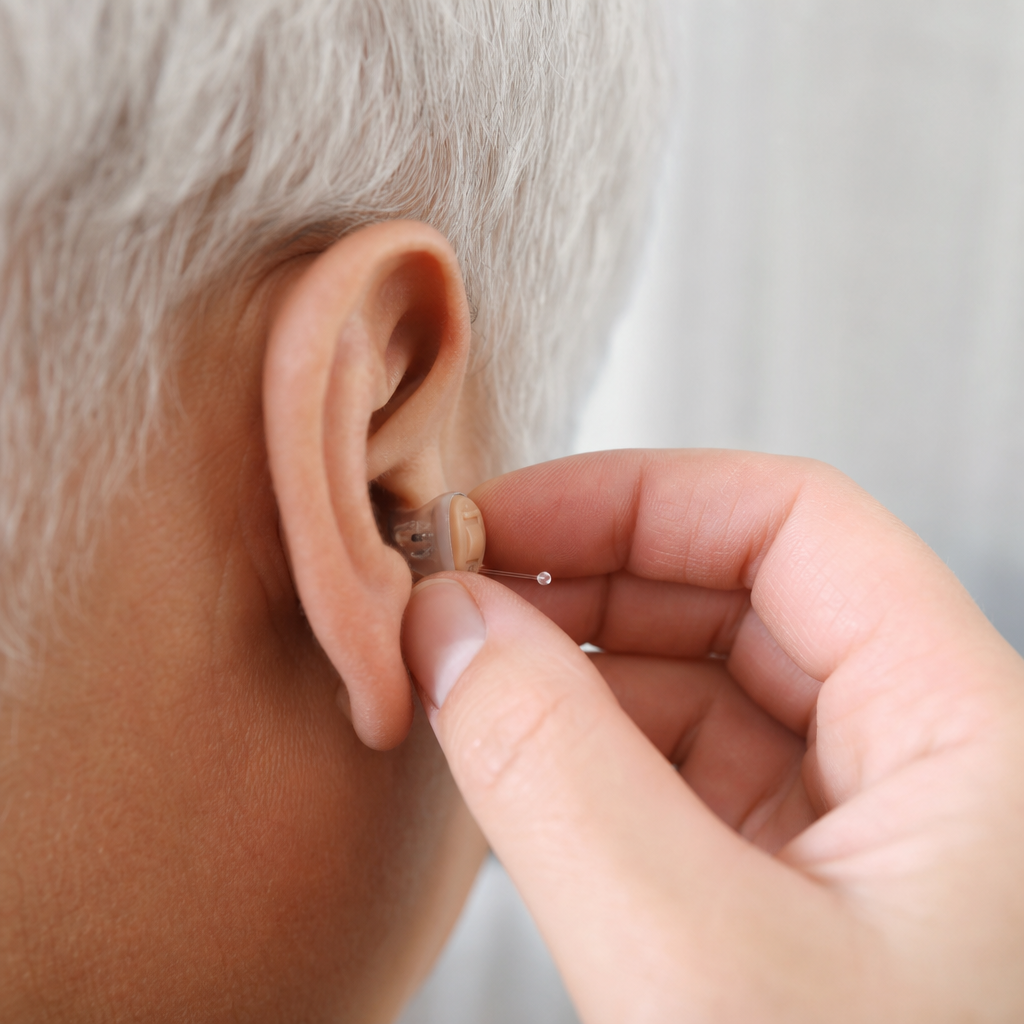
Inner ear hearing aids are devices designed to improve how sound is amplified, processed, and delivered for people with hearing loss, but the phrase is often used loosely and can confuse buyers who are trying to understand whether they need a hearing aid, an implant, or a specialist assessment. In practice, most “inner ear hearing aids” discussed by consumers are hearing solutions intended to help when the inner ear, especially the cochlea, is not converting sound efficiently. That includes conventional hearing aids for sensorineural loss, bone conduction systems in selected cases, and implantable options when ordinary amplification is no longer enough. Understanding the category matters because treatment success depends less on marketing labels and more on matching the technology to the type, degree, and pattern of hearing loss.
I have worked with hearing aid fittings and patient education long enough to see the same problem repeatedly: people shop by style name before confirming diagnosis. A person with mild high-frequency loss caused by age-related cochlear damage needs a very different solution from someone with conductive loss from chronic middle ear disease or from a person with severe-to-profound loss who may be a cochlear implant candidate. The best guide, therefore, starts with terminology. Sensorineural hearing loss refers to damage in the inner ear or auditory nerve pathways, though everyday care usually focuses on cochlear function. Conductive hearing loss means sound is blocked in the outer or middle ear. Mixed loss includes both components. Hearing aids amplify sound; implants bypass or supplement parts of the hearing mechanism. The right path depends on thresholds, speech understanding, ear anatomy, lifestyle, dexterity, and medical history.
This hub article explains the general landscape of inner ear hearing aids, how they work, who they help, how they are fitted, what they cost, and how to evaluate options without wasting money. If you are building out a broader knowledge base on hearing aids, this page serves as the central overview: it connects hearing tests, device types, real-world performance, maintenance, and long-term care decisions. By the end, you should know the key questions to ask an audiologist, the common mistakes to avoid, and the signs that suggest you need more than a standard hearing aid evaluation.
What Inner Ear Hearing Aids Usually Mean
When people search for inner ear hearing aids, they are usually referring to devices used for inner ear hearing loss, not devices literally placed in the inner ear. That distinction is important. Standard hearing aids sit behind the ear, in the ear, or in the ear canal. They pick up sound through microphones, process it digitally, and deliver amplified sound acoustically through a receiver. They do not sit inside the cochlea. They are most commonly prescribed for sensorineural hearing loss, the type linked to damaged hair cells in the cochlea from aging, noise exposure, genetics, infection, or ototoxic medications.
There are exceptions. Cochlear implants involve an internal electrode array placed in the cochlea during surgery and an external speech processor worn outside the head. Bone anchored hearing systems transmit vibration through bone to stimulate the inner ear and may be used when a traditional air-conduction hearing aid is unsuitable. Middle ear implants exist as well, though they are less common. Because shoppers often merge all these solutions into one phrase, a useful rule is simple: if the problem is in the inner ear, the treatment category may include hearing aids, implantable devices, or bone conduction systems depending on what hearing tests show and whether speech remains understandable with amplification.
The practical takeaway is that no reputable clinician chooses a device style first. They begin with diagnostic audiology: pure-tone thresholds, speech reception threshold, word recognition scores, tympanometry, otoscopy, and often real-ear verification during fitting. Those data reveal whether amplified sound is likely to be helpful and how much benefit is realistic.
How These Devices Work for Sensorineural Hearing Loss
Conventional hearing aids help inner ear hearing loss by making speech and environmental sounds more audible while shaping amplification by frequency. Modern devices use digital signal processing, wide dynamic range compression, directional microphones, feedback cancellation, impulse noise management, wind noise reduction, and adaptive programs. In plain terms, they do not simply make everything louder. They boost soft sounds, limit excessively loud sounds, and prioritize speech when possible. This matters because many people with cochlear damage have reduced dynamic range: soft sounds are too quiet, but loud sounds become uncomfortable quickly.
During a proper fitting, an audiologist programs targets based on validated prescriptive formulas such as NAL-NL2 or DSL. Then they verify output in the ear canal using probe microphone measures, often called real-ear measurement. I consider this step non-negotiable for adults who want predictable performance, because manufacturer first-fit settings routinely miss target. Research and everyday practice both show that verified fittings improve speech audibility and user outcomes. Without verification, a device may be technically advanced yet underperform.
Performance also depends on speech discrimination. If cochlear damage is advanced, simply amplifying speech may not restore clarity because the ear is no longer resolving fine detail well. This is why two people with similar audiograms can report very different results. One may say hearing aids changed daily life, while another still struggles in restaurants. In those cases, accessories such as remote microphones, TV streamers, telecoil systems, and Bluetooth streaming can make a larger difference than moving to a more expensive hearing aid tier alone.
Main Device Categories and When They Fit Best
The broad hearing solution landscape can be organized by mechanism, candidacy, and medical complexity. The comparison below captures the major categories most often discussed when someone asks about inner ear hearing aids.
| Option | Best for | Main advantages | Key limitations |
|---|---|---|---|
| Air-conduction hearing aids | Mild to severe sensorineural hearing loss with usable speech understanding | Non-surgical, widely available, strong feature set, adjustable over time | Benefit drops when speech clarity is very poor; occlusion and feedback can occur |
| Bone conduction systems | Conductive or mixed loss, single-sided deafness, ear canal problems | Bypasses outer or middle ear issues, helpful when earmolds are not tolerated | Requires careful candidacy review; some systems are surgical |
| Cochlear implants | Severe to profound sensorineural loss with limited benefit from hearing aids | Can restore speech access when hearing aids no longer provide enough clarity | Surgery, rehabilitation, and candidacy testing are required |
| Middle ear implants | Selected patients who cannot use conventional hearing aids effectively | Alternative sound delivery mechanism | Less common, specialist centers only, higher complexity |
For most adults with age-related inner ear hearing loss, standard air-conduction hearing aids remain the first-line option. Receiver-in-canal models dominate current fittings because they are flexible, comfortable, and can cover a wide range of losses by changing receiver strength and domes or custom molds. Behind-the-ear models are often best for severe loss, dexterity issues, pediatrics, or chronic moisture exposure. Custom in-the-ear devices can work well for cosmetic preference or easy insertion, but they offer less room for larger batteries and may be harder to clean for some users.
Cochlear implants should enter the conversation earlier than many people realize. A common mistake is staying with increasingly powerful hearing aids for years despite poor speech understanding. If aided sentence recognition remains limited, especially in noise, implant evaluation is appropriate. Today’s criteria vary by region and insurer, but candidacy is broader than many consumers assume.
Evaluation, Fitting, and Everyday Performance
A complete evaluation does more than confirm hearing loss. It separates medical issues from hearing aid management issues. Sudden hearing loss, asymmetrical loss, unilateral tinnitus, ear drainage, vertigo, and unexplained conductive components need medical review, often by an otolaryngologist. Once red flags are ruled out, the hearing aid process should include case history, communication needs assessment, hearing test interpretation, discussion of realistic goals, device selection, fitting, verification, counseling, and follow-up.
In my experience, success is strongly tied to expectation setting. Hearing aids improve access to sound; they do not recreate natural hearing. Background noise remains difficult because even advanced directionality cannot fully separate every voice from competing sound in a reverberant room. Good counseling explains this upfront and then offers solutions. For example, a teacher may need a remote microphone. A frequent video caller may prioritize direct streaming and strong app controls. A musician may need wider input dynamic range and custom programming to preserve sound quality.
Comfort and retention matter as much as sound quality. If domes cause soreness, if custom molds whistle, or if the device slips during chewing, people stop wearing it. Follow-up visits are where outcomes are won. Fine-tuning based on daily listening notes, datalogging review, cerumen management, and coaching on insertion and cleaning often determine whether a hearing aid becomes part of life or ends up in a drawer. Best practice also includes validation questionnaires such as COSI, APHAB, or IOI-HA to measure benefit in the situations the user actually cares about.
Features, Costs, and Smart Buying Decisions
Hearing aid marketing often pushes feature tiers, but buyers should evaluate function before brand prestige. Important features for inner ear hearing loss include multichannel compression, directional microphones, feedback management, telecoil where public loop systems are available, Bluetooth connectivity, rechargeable lithium-ion batteries, tinnitus sound options for selected users, and a strong mobile app for volume, programs, and remote support. More expensive models generally improve automation and performance in complex noise, but the difference is not infinite. A well-fitted mid-tier device with real-ear verification usually outperforms a premium device fitted poorly.
Costs vary widely by country, clinic model, and service bundle. In many private markets, a pair of prescription hearing aids can range from roughly $2,000 to more than $7,000, often including professional services, warranty, and follow-up care. Over-the-counter hearing aids have expanded access for adults with perceived mild to moderate loss, but they are not the right answer for everyone. If the loss is asymmetrical, medically unexplained, or more severe than expected, self-fitting can delay proper treatment. OTC devices can be valuable entry points, yet they work best when the user understands their audiogram and has straightforward hearing needs.
Before buying, ask direct questions: Was my hearing loss confirmed as sensorineural? Will you perform real-ear measurements? What is my word recognition score? What happens if I struggle in noise? What is included in the price? Is there a trial period and return policy? Can this device connect to my phone and television? Those questions quickly separate a clinical fitting process from a retail transaction.
Maintenance, Longevity, and When to Reassess
Inner ear hearing loss often changes gradually, so hearing care is ongoing, not one purchase. Hearing aids typically last around three to seven years depending on build quality, moisture exposure, battery health, and changes in hearing. Daily maintenance is simple but essential: wipe the devices, clear wax from domes or wax guards, dry them overnight if you perspire heavily, and keep microphones unobstructed. Moisture and cerumen are the two most common causes of avoidable malfunction I see in routine follow-up.
Reassessment is needed when speech seems muffled despite increased volume, when one ear changes noticeably, when tinnitus shifts abruptly, or when family members report declining communication despite regular device use. Sometimes the answer is reprogramming. Sometimes it is a new earmold, receiver replacement, cerumen removal, or updated counseling. And sometimes it is a sign that the person has outgrown hearing aids and should be screened for implant candidacy. Delaying that step can prolong social withdrawal and listening fatigue unnecessarily.
The broader benefit of understanding inner ear hearing aids is confidence. Instead of guessing from advertisements, you can evaluate solutions based on diagnosis, measurable performance, and fit with real life. Start with a comprehensive hearing test, insist on verified fitting, and choose a provider who explains both benefits and limits clearly. That approach leads to better hearing, smarter spending, and better long-term outcomes. If this hub matches your needs, use it as your starting point for deeper articles on hearing tests, device styles, cochlear implants, accessories, and hearing aid care.
Frequently Asked Questions
What does the term “inner ear hearing aid” actually mean?
The phrase “inner ear hearing aid” is not a strict medical product category, which is why it often causes confusion. Most people use it to describe a hearing solution for hearing loss linked to the inner ear, especially the cochlea, the part responsible for converting sound vibrations into signals the brain can understand. In everyday use, the term may refer to conventional hearing aids, bone conduction devices, middle ear implants, or even cochlear implants, depending on the person’s diagnosis and what they have heard from others.
In many cases, people searching for an inner ear hearing aid are really looking for help with sensorineural hearing loss, which is the most common type of permanent hearing loss and usually involves damage to the hair cells in the inner ear. Conventional hearing aids are often the first treatment option because they amplify and process sound so the remaining hearing ability can be used more effectively. However, if the inner ear damage is more severe and amplified sound no longer provides enough clarity, a specialist may recommend an implantable solution instead.
The most important point is that “inner ear hearing aid” should be treated as a starting term, not a final diagnosis or device choice. The right solution depends on where the hearing problem is occurring, how severe it is, how well speech is understood, and whether one or both ears are affected. A hearing test and specialist assessment are the best way to turn a vague term into a clear treatment plan.
How do hearing aids help when the problem is in the inner ear?
When hearing loss comes from the inner ear, the issue is usually not that sound is absent, but that it is not being converted or transmitted efficiently. With sensorineural hearing loss, damaged hair cells in the cochlea reduce a person’s ability to hear soft sounds and, just as importantly, to distinguish speech clearly. Modern hearing aids are designed to compensate for this by making sounds more audible, balancing amplification across different frequencies, and improving access to speech in a range of listening environments.
Today’s hearing aids do much more than simply make everything louder. They use digital processing to analyze incoming sound and apply tailored amplification based on the wearer’s hearing profile. For example, a person may need more support in high frequencies where consonants such as “s,” “f,” and “th” are easily missed. Advanced features can also reduce background noise, limit sudden loud sounds, improve speech understanding in conversations, and connect wirelessly to phones, televisions, and other devices.
That said, hearing aids do not repair inner ear damage or restore natural hearing in the way glasses correct vision. Their job is to maximize the hearing ability that remains. For many people with mild to severe hearing loss, this can lead to major improvements in communication, listening comfort, and quality of life. But if speech remains unclear even with well-fitted hearing aids, further testing may be needed to determine whether another type of hearing solution would be more effective.
How do I know whether I need a standard hearing aid, a cochlear implant, or another hearing device?
The decision depends on the type and severity of hearing loss, how well you understand speech, and whether amplification alone is enough to meet your day-to-day communication needs. Standard hearing aids are usually recommended first for mild to severe sensorineural hearing loss because they can provide meaningful benefit for many people. They are non-surgical, widely available, and can be adjusted in detail to match your hearing test results and listening goals.
Cochlear implants are considered when hearing aids no longer provide sufficient benefit, particularly when speech understanding is poor even with properly fitted devices. Unlike hearing aids, which amplify sound, cochlear implants bypass damaged parts of the inner ear and directly stimulate the hearing nerve. They are typically assessed through a specialist pathway that includes hearing tests, aided speech testing, medical imaging in some cases, and consultation with an implant team. They are not the right option for everyone, but for people with severe to profound hearing loss and limited hearing-aid benefit, they can be life-changing.
Other devices may also be considered in specific situations. Bone conduction systems can help when there are outer or middle ear problems, single-sided deafness, or mixed hearing loss. Middle ear implants may be appropriate in selected cases where conventional hearing aids are not suitable or not tolerated. The key takeaway is that no online description can replace a full clinical assessment. If you are unsure which category you fall into, the safest next step is a hearing evaluation with an audiologist or ENT specialist who can explain the best options based on evidence rather than guesswork.
Can inner ear hearing loss be treated without a specialist assessment?
It is possible to buy hearing devices without going through a full specialist route in some regions, but that does not mean it is the best approach for suspected inner ear hearing loss. Because the phrase “inner ear hearing aid” can refer to very different conditions and devices, self-diagnosing can lead to delays, overspending, or the use of a device that is simply not appropriate. A specialist assessment helps identify whether the hearing loss is sensorineural, conductive, mixed, sudden, progressive, one-sided, or associated with another medical issue that needs attention.
This matters because not all hearing loss should be managed in the same way. For example, sudden hearing loss, dizziness, ear pain, one-sided symptoms, tinnitus in one ear, or rapidly worsening hearing can require urgent medical evaluation. Even in less urgent cases, hearing tests reveal patterns that guide treatment, such as whether the loss mainly affects high frequencies, whether both ears are involved, and how much difficulty you have with speech recognition. These details are essential for choosing and fitting the right device properly.
A specialist assessment also improves long-term outcomes. Professional fitting, verification, counselling, and follow-up adjustments can make the difference between a hearing aid that sits unused in a drawer and one that genuinely improves daily life. If cost or access is a concern, it is still worth starting with a basic hearing evaluation so you understand exactly what you are dealing with before making a purchase decision.
What should I look for when choosing a hearing solution for inner ear hearing loss?
Start with hearing performance, not marketing language. The best hearing solution is one that matches your specific hearing profile, supports speech understanding, and suits your everyday environments. Important factors include the degree of hearing loss, whether one or both ears are affected, how often you struggle in noise, the shape and fit of the device, battery preferences, connectivity features, and your willingness to attend follow-up appointments for adjustments. A device that looks appealing but does not address your real listening needs is unlikely to deliver satisfying results.
You should also ask whether the provider offers a proper hearing assessment, device programming based on your audiogram, real-ear measurement or other fitting verification, aftercare, and a trial or return period where available. These services matter because hearing aids for inner ear hearing loss usually need fine-tuning over time. Sound quality, comfort, speech clarity, and background noise handling can all be adjusted, and those changes often improve satisfaction significantly. Good support is as important as good hardware.
Finally, be realistic and informed about outcomes. The right hearing solution can improve communication, reduce listening fatigue, and help you stay engaged socially and professionally, but it may still take time for your brain to adapt to amplified sound. If your hearing loss is advanced, ask directly whether hearing aids are likely to provide enough benefit or whether you should also explore implant assessment. An honest conversation with a qualified professional will help you choose a solution based on clinical need, lifestyle, and long-term hearing goals rather than vague terminology or sales pressure.