
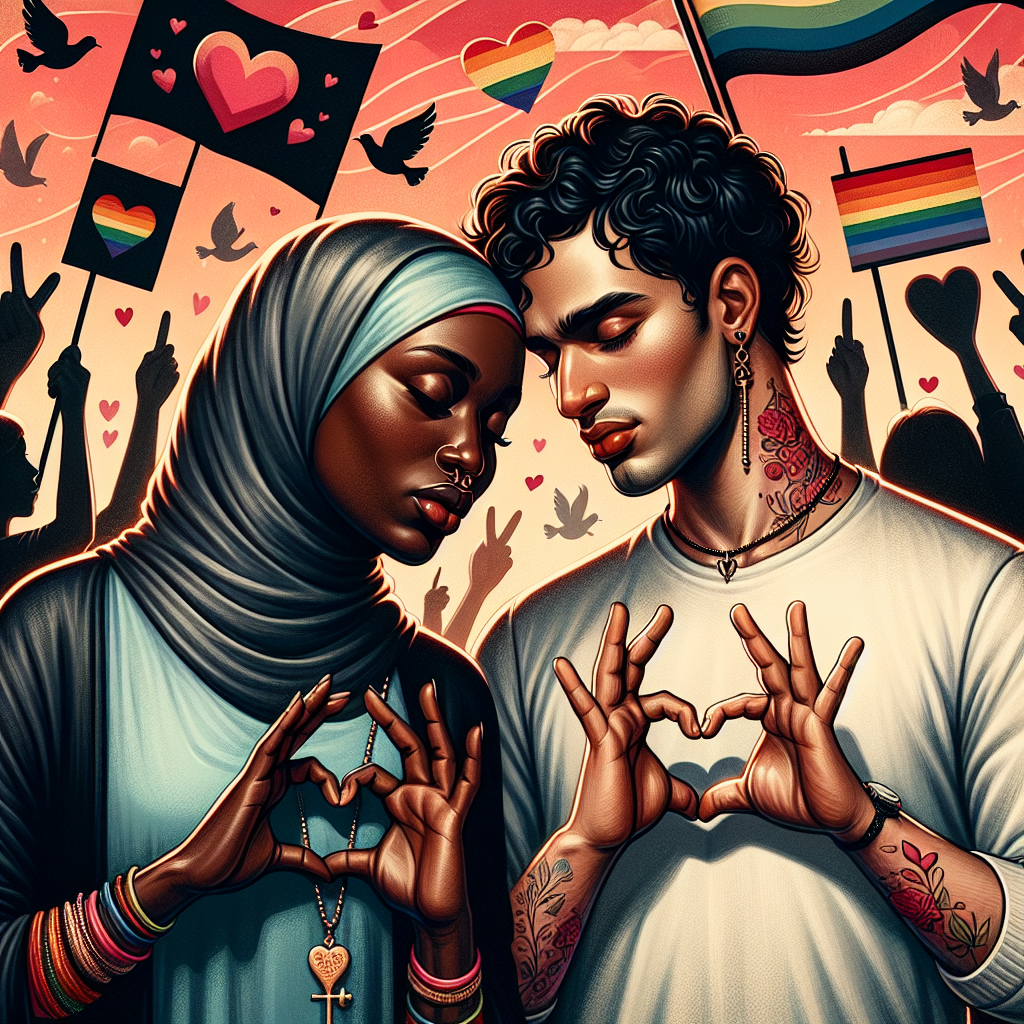
Deaf education and awareness have come a long way, paving the path for inclusivity in various spheres of life. Yet, for many, being part of the Deaf community also means grappling with additional layers of uniqueness. When this intersects with LGBTQ+ identities, the journey towards acceptance is often marked by both triumphant highs and inevitable challenges. Love Beyond Ears: Stories of Deaf LGBTQ+ Relationships and Acceptance aims to shed light on these multidimensional identities, celebrating resilience, love, and the unyielding quest for acceptance and inclusivity. This article delves into the stories of Deaf LGBTQ+ individuals, explores the importance of inclusive Deaf education, and highlights the role of awareness in creating a more accepting world.
Deaf culture is rich with its own language, customs, and social norms, which makes it unique and deeply woven into the lives of those who are part of it. For Deaf LGBTQ+ individuals, their identities are intersectional, influencing their experiences in ways that those who are hearing might fail to grasp fully. With Pride month as a backdrop, we celebrate these intersectional stories, emphasizing the need for an inclusive environment where everyone, regardless of their hearing ability or sexual orientation, can thrive.
From love stories that defy conventional expectations to the tireless advocates who push for more inclusive education, there are myriad narratives that showcase love’s transformative power. This article brings these voices to the forefront, recognizing that fostering greater awareness and inclusivity often begins with understanding and acknowledging the lives and experiences of those at the heart of these intersections.
Understanding Intersectionality: Deaf and LGBTQ+ Identities
To truly comprehend the lived experiences of Deaf LGBTQ+ individuals, it is essential to understand the concept of intersectionality. Coined by Kimberlé Crenshaw, intersectionality is a framework for understanding how various forms of social stratification, such as race, gender, sexual orientation, disability, and more, intersect and create overlapping and interdependent systems of discrimination or disadvantage.
In the context of Deaf LGBTQ+ individuals, these intersecting identities mean navigating both the world of Deaf culture and the challenges of being part of the LGBTQ+ community. Often, Deaf LGBTQ+ people must contend with double marginalization – exclusion both from the hearing world and parts of the Deaf community that may not fully accept LGBTQ+ identities.
The stories of Deaf LGBTQ+ individuals reveal a robust spirit of resilience and innovation. For example, some individuals recount creating their own systems of sign language to express their unique experiences of gender identity and sexual orientation. This adaptability not only enriches Deaf culture but also underscores the need for inclusive education and support systems that recognize these unique challenges and strengths.
Recognizing and addressing the needs of Deaf LGBTQ+ individuals in both deaf-centric and LGBTQ+ spaces is crucial for fostering an inclusive community. Awareness and education play a pivotal role in breaking down barriers and creating environments where every individual’s diversity is celebrated and respected.
Inclusive Deaf Education: A Cornerstone for Acceptance
Education is a vital tool for fostering inclusivity and acceptance. When it comes to Deaf LGBTQ+ individuals, inclusive education must go beyond basic accessibility. It should encompass a curriculum and environment that respects and acknowledges sexual orientation and gender identity diversity.
Several educational institutions have stepped up to this challenge, developing programs that integrate LGBTQ+ issues into their Deaf education curricula. These programs provide safe spaces where Deaf LGBTQ+ students can learn, engage, and express themselves without fear of discrimination or marginalization.
One significant stride in inclusive Deaf education is the training of educators to recognize and address the unique challenges faced by Deaf LGBTQ+ students. This training includes understanding the socio-emotional aspects of their experiences and developing communication strategies that support their needs. For instance, using inclusive and gender-neutral sign language variations can make a significant difference in how students perceive their acceptance within the educational environment.
Moreover, student organizations and peer support groups within these educational institutions offer invaluable networks for Deaf LGBTQ+ students. These groups provide a sense of community and belonging that is crucial for their personal and academic growth. Through these initiatives, education transcends its traditional role, becoming a powerful medium for social change and acceptance.
Stories of Love and Resilience
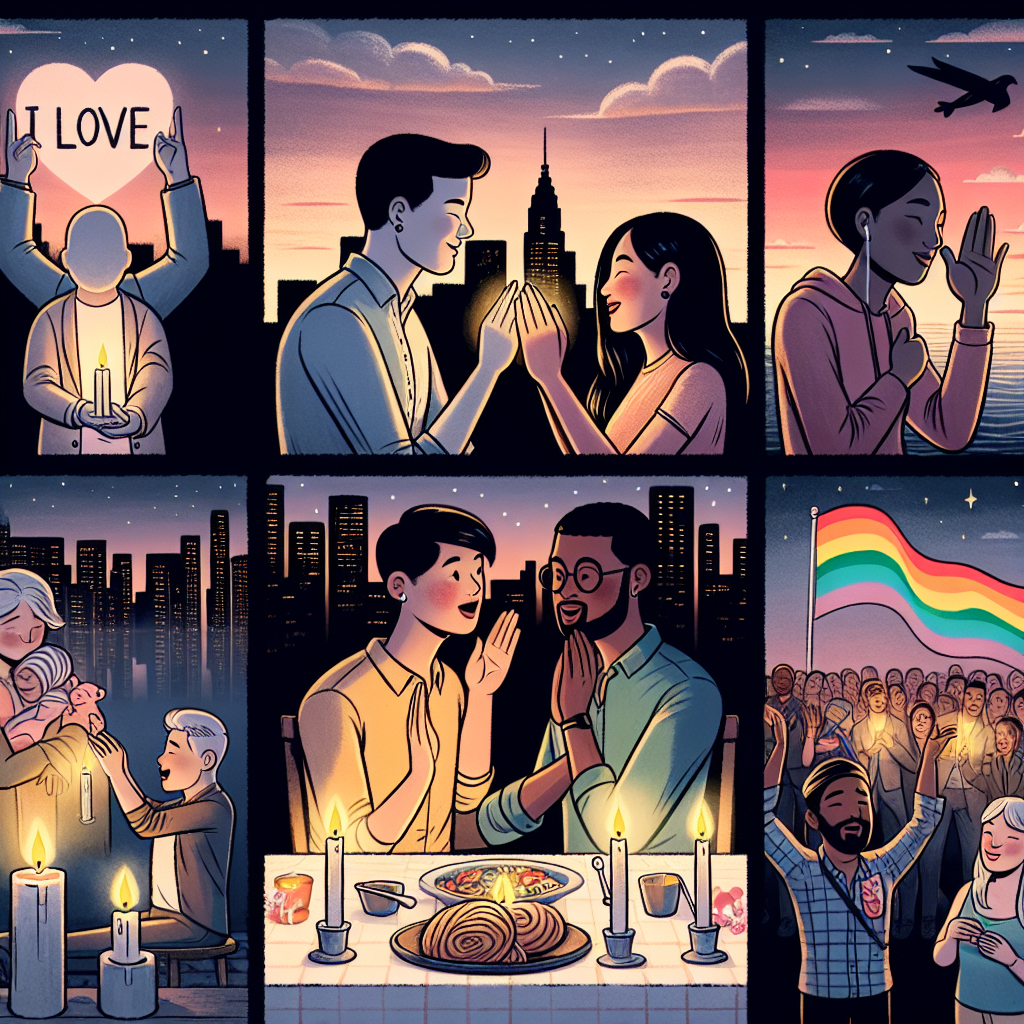
Behind the statistics and societal discussions about Deaf LGBTQ+ inclusivity lie real stories of individuals whose journeys encapsulate love, resilience, and acceptance. These narratives provide a human perspective that statistics often fail to capture.
Take, for example, the story of Sarah and Alex, a Deaf lesbian couple who met at a Pride event specifically organized for the Deaf community. Their relationship blossomed despite the challenges they faced, both in terms of communication barriers with the wider LGBTQ+ community and the occasional resistance within the Deaf community itself. Their shared language and experiences became the bedrock of their relationship, allowing them to navigate the complexities of their identities together.
Another poignant story is that of Jamie, a Deaf non-binary individual who struggled for years to find a school where they felt understood and accepted. Jamie’s story highlights the importance of inclusive education. A turning point came when Jamie enrolled in a school with a strong Deaf LGBTQ+ support network, where they found mentors and friends who shared their experiences. This supportive environment not only boosted Jamie’s self-esteem but also solidified their sense of identity.
These stories, and countless others like them, are testaments to the strength and resilience of Deaf LGBTQ+ individuals. They underscore the necessity of creating spaces where they can thrive, love, and be accepted for who they are.
Breaking Barriers: Advocacy and Awareness
Advocacy and awareness are critical to breaking down the barriers that Deaf LGBTQ+ individuals face. From grassroots campaigns to large-scale initiatives, these efforts are instrumental in fostering inclusivity and acceptance.
Organizations such as Deaf Queer Resource Center and Rainbow Alliance of the Deaf play pivotal roles in advocating for the rights and visibility of Deaf LGBTQ+ individuals. These organizations provide resources, support networks, and platforms for advocacy, ensuring that the voices of Deaf LGBTQ+ individuals are heard and their needs addressed.
Awareness campaigns are equally important in fostering a broader understanding and acceptance of Deaf LGBTQ+ identities. Educational workshops, social media campaigns, and community events are just a few of the ways these organizations spread their message. By educating both Deaf and hearing communities about the unique challenges and experiences of Deaf LGBTQ+ individuals, these campaigns work to dismantle prejudices and build more inclusive societies.
Moreover, collaborative efforts between Deaf and LGBTQ+ organizations can lead to more comprehensive support systems. These collaborations amplify the impact of advocacy efforts, ensuring that intersectional experiences are recognized and addressed. Through collective action, the journey towards acceptance and inclusivity continues to gain momentum.
The Role of Technology in Promoting Inclusivity
Technology has the potential to be a powerful tool in promoting inclusivity for Deaf LGBTQ+ individuals. From communication aids to online platforms, technological advancements can bridge gaps and create opportunities for connection and support.
Video relay services (VRS) and video remote interpreting (VRI) have revolutionized communication for Deaf individuals, allowing them to engage more fully in social, educational, and professional contexts. For Deaf LGBTQ+ individuals, these technologies provide a means to connect with their communities, access resources, and participate in advocacy efforts.
Social media platforms and online communities also play a crucial role in fostering inclusivity. Deaf LGBTQ+ individuals can find and create supportive networks through Facebook groups, Twitter hashtags, and YouTube channels dedicated to their experiences. These online spaces offer a sense of belonging and validation, especially for those who may feel isolated in their local communities.
Moreover, innovative educational technologies can enhance the learning experiences of Deaf LGBTQ+ students. Interactive software, captioned videos, and virtual reality simulations can make educational content more accessible and engaging. These tools not only support academic success but also empower students to explore and affirm their identities in meaningful ways.
As technology continues to evolve, its potential to promote inclusivity and support for Deaf LGBTQ+ individuals will only grow. By harnessing the power of technology, we can create a more connected and inclusive world for all.
Conclusion
Love Beyond Ears celebrates the intersectional experiences of Deaf LGBTQ+ individuals, highlighting their resilience, strength, and unwavering quest for acceptance. Through education, advocacy, and technology, we can foster a more inclusive and supportive world where Deaf LGBTQ+ individuals can thrive.
Understanding the unique challenges and strengths of Deaf LGBTQ+ individuals is the first step towards creating an environment where their diverse identities are acknowledged and celebrated. Inclusive education, informed and empathetic advocacy, and the strategic use of technology all contribute to this mission.
As we share these stories and recognize the importance of intersectionality, we move closer to a society where love and acceptance transcend barriers. By amplifying the voices of Deaf LGBTQ+ individuals and addressing their needs, we pave the way for a future where everyone, regardless of their hearing ability or sexual orientation, can experience love, acceptance, and belonging.
Let us continue to celebrate and uplift the stories of Deaf LGBTQ+ individuals, championing their rights and working towards a more inclusive and accepting world. Love truly knows no bounds, and its power extends far beyond ears.