
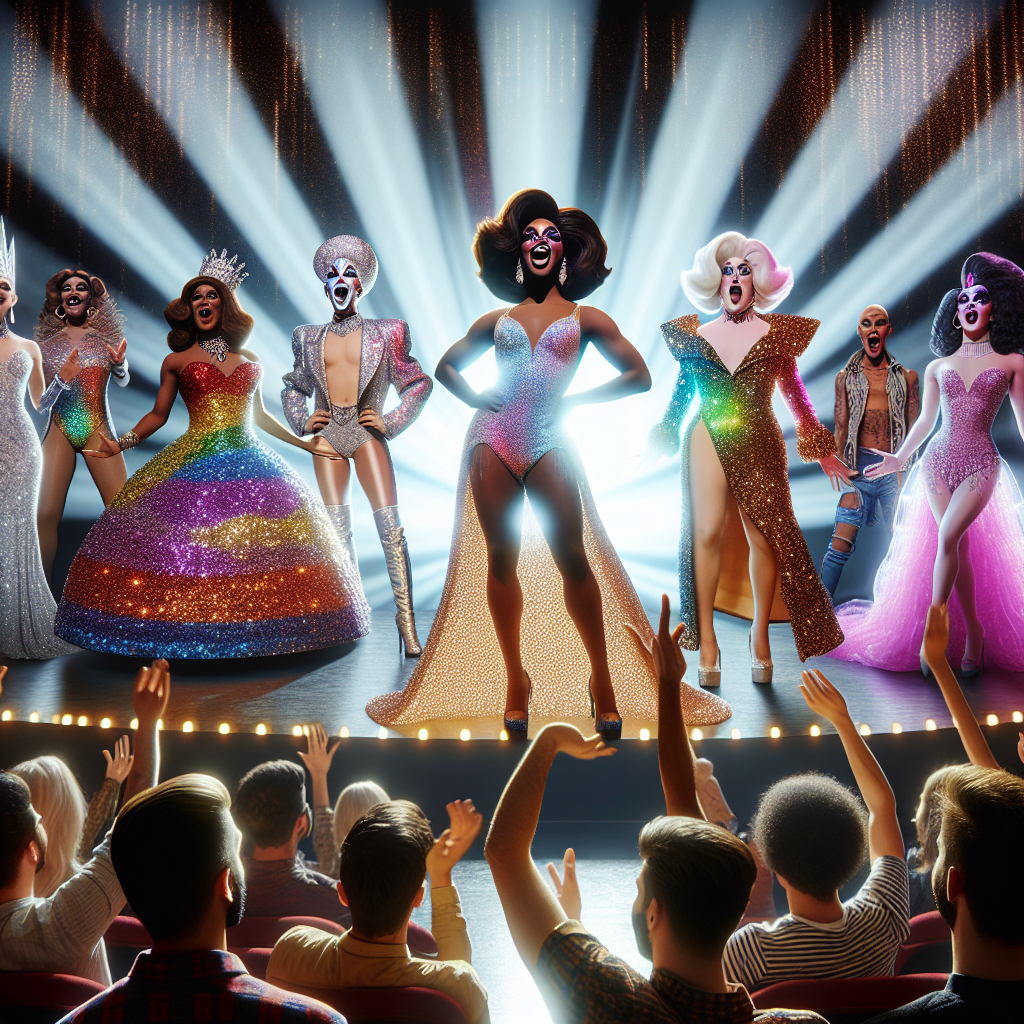
In recent years, the intersection of Deaf culture and the LGBTQIA+ community has given rise to unique and inclusive spaces. One such fascinating example is the Deaf Drag Extravaganza, an event that not only celebrates the art of drag but also champions Deaf pride and inclusivity. Traditional perceptions of drag have often been rigid, focusing narrowly on the binary roles of male and female. However, this vibrant collaboration aims to break these binary norms, offering a platform for Deaf performers to redefine representation and advocate for both LGBTQIA+ and Deaf visibility.
The Deaf community has long faced challenges in representation. Being a part of both the Deaf and LGBTQIA+ communities means navigating multiple layers of marginalization—often leading to a lack of spaces that truly embrace both identities. The Deaf Drag Extravaganza is a powerful movement, emphasizing that representation matters. It’s where art meets activism, and joy meets advocacy.
The purpose of this article is to shed light on the importance of the Deaf Drag Extravaganza, exploring how it cultivates an inclusive community, amplifies underrepresented voices, and breaks down the societal and cultural barriers that traditionally separate ableism from queer issues. By diving deep into the stories of these performers and the history behind this unique event, we highlight the need for continuing support and recognition for Deaf and LGBTQIA+ individuals.
The Evolution of Drag and Its Impact on Deaf Communities
Drag culture, historically rooted in the LGBTQIA+ spaces of the early 20th century, began as a form of resistance against oppressive societal norms. From underground balls to mainstream television shows like “RuPaul’s Drag Race,” drag has evolved considerably. However, most mainstream drag has yet to fully embrace and integrate Deaf performers into its fold. This has led to a significant cultural gap within the drag community.
Deaf Drag Extravaganza has emerged as a dynamic answer to this gap, offering a platform where Deaf performers can not only participate but thrive. By incorporating sign language and visual storytelling into performances, these artists redefine what drag can be, making it more accessible and representative of the Deaf experience. They push the boundaries of performance art, embracing a rich blend of visual elements, expressive communication, and theatrical flair that the traditional drag scene often lacks.
This evolution signifies more than merely inclusion; it’s a reclamation of space and identity. By expanding the boundaries of drag to welcome Deaf performers, the entire community benefits through richer, more diverse representations of gender and performance art. This also educates audiences who may not be familiar with Deaf culture, fostering broader acceptance and understanding.
Breaking Binary Roles Through Deaf Drag
Traditional drag performances often juxtapose hyper-masculine and hyper-feminine personas, reinforcing a binary understanding of gender. However, Deaf drag artists challenge these conventions by rejecting binary roles in favor of fluid, non-conformist expressions of identity. Through innovative use of sign language, facial expressions, and bodily movements, Deaf performers articulate a broader spectrum of gender and identity.
One compelling aspect of Deaf drag is how performers utilize sign language not merely as a translation tool, but as a core component of their performances. The intricate, expressive nature of American Sign Language (ASL) enhances the aesthetic and emotional impact of a drag show, offering a deeper and more nuanced form of storytelling. This approach deconstructs traditional notions of drag by infusing it with layers of meaning that transcend spoken language.
Moreover, these artists often explore themes that resonate deeply with both the Deaf and LGBTQIA+ communities, including issues of visibility, discrimination, and resilience. By breaking away from the binary mold, Deaf drag performances challenge audiences to reconsider their own preconceptions about gender, ability, and self-expression.
Community Building and Advocacy
The Deaf Drag Extravaganza is much more than a performance; it’s a community-building event. It gathers individuals from diverse backgrounds to celebrate inclusivity and pride. These events create safe spaces where Deaf and hearing individuals alike can engage and learn from each other. The communal aspect helps build stronger networks and offers support systems for those who might feel isolated due to their intersecting identities.
Advocacy is a key element of these gatherings. Performers and organizers use the platform to educate audiences about the challenges faced by Deaf individuals, particularly within the LGBTQIA+ community. For example, issues like accessibility in public spaces, employment discrimination, and the paucity of adequate health services are frequently highlighted. Through panel discussions, workshops, and interactive sessions, these events provide valuable insights and resources aimed at fostering genuine inclusivity.
Activism through art also reinforces the idea that visibility matters. When Deaf drag performers take the stage, they are not just entertaining; they are making a statement about the need for a world where everyone, regardless of their abilities or sexual orientation, can be their true selves.
Significance of Deaf Representation
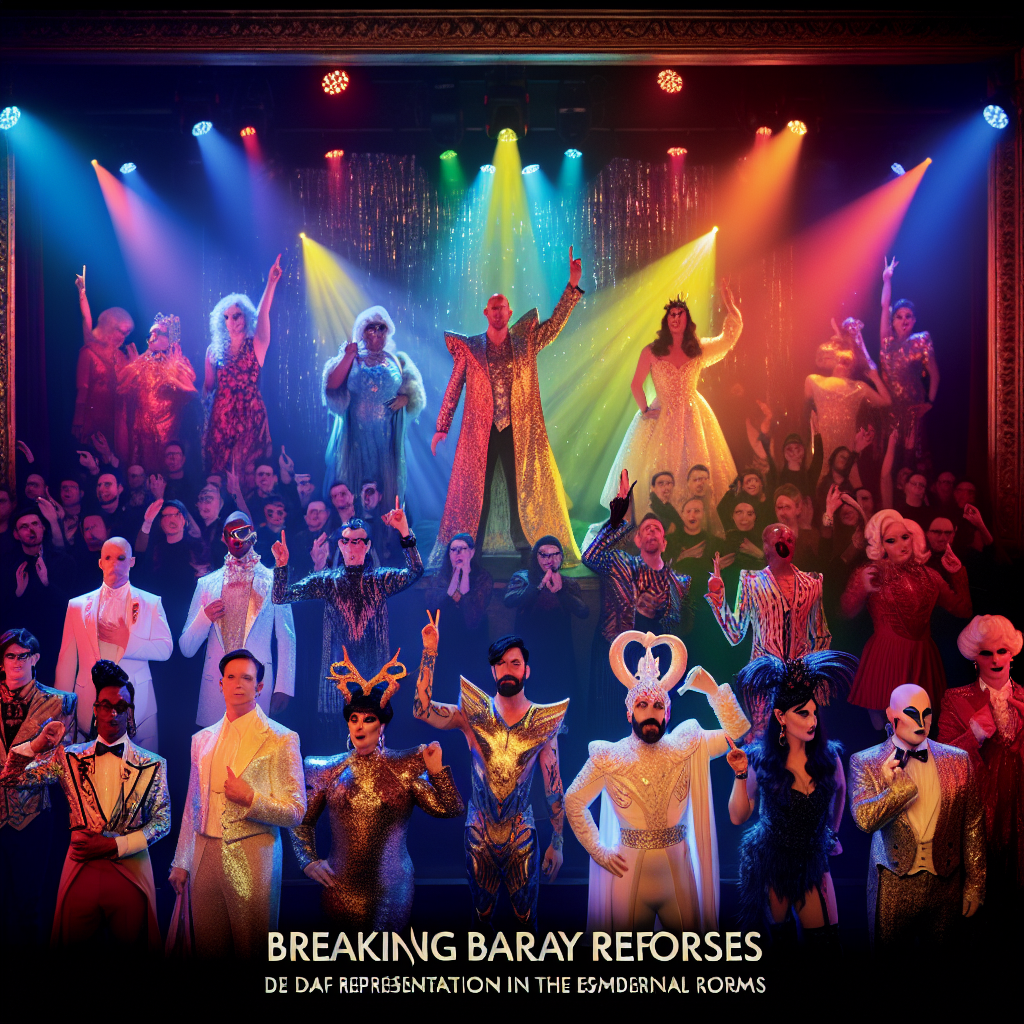
Representation is vital in any community, but it holds particular significance for marginalized groups. The Deaf Drag Extravaganza plays a crucial role in amplifying Deaf voices within the broader LGBTQIA+ community. The visibility this event provides helps combat stereotypes and misconceptions about Deaf people, demonstrating that they are more than capable of contributing to and enriching the cultural landscape.
For Deaf individuals, particularly the younger generation, seeing themselves represented in such vibrant and empowered roles can be incredibly affirming. It reinforces the message that they can aspire to be whatever they want to be, breaking away from the constraints often imposed by societal norms. This kind of positive representation can have a lasting impact, fostering self-confidence, and encouraging more Deaf individuals to explore their own identities without fear or hesitation.
Additionally, it sets a precedent for other mainstream events and platforms to become more inclusive. When people see the overwhelming success and support for events like the Deaf Drag Extravaganza, it serves as an inspiration for other sectors to follow suit, paving the way for broader integration and acceptance of Deaf individuals in various aspects of society.
Unveiling Success Stories
The impact of the Deaf Drag Extravaganza is best illustrated through the personal stories of the performers themselves. Take, for example, the journey of a performer named Lily Bliss. As a Deaf drag queen, Lily has used her platform to inspire countless others. Her performances are a harmonious blend of visual artistry and ASL, captivating audiences in ways that transcend traditional drag narratives.
Lily’s story is emblematic of the broader success of the Deaf Drag Extravaganza. She speaks passionately about how this community has helped her find her voice, both figuratively and literally. Through her participation, she has gained not only a sense of belonging but also a powerful medium to advocate for the rights and visibility of Deaf people. She often shares her experiences of overcoming barriers, challenging stereotypes, and gaining acceptance, which resonate deeply with both Deaf and hearing audiences.
Another noteworthy example is Max Volta, a non-binary Deaf performer, who has been a trailblazer in challenging gender norms. Max’s performances are known for their bold, gender-fluid expression, which has earned them accolades and widespread recognition. Max frequently collaborates with other Deaf and hearing artists, enriching the inclusivity and diversity of the events they participate in. Their story underscores the importance of intersectionality and the rich, multifaceted identities within the Deaf LGBTQIA+ community.
Conclusion
The Deaf Drag Extravaganza is more than just an event; it is a movement that embodies the essence of inclusion, representation, and empowerment. It’s a celebration that challenges binary roles and creates a space where Deaf and LGBTQIA+ identities can intersect and flourish. The vibrant performances and powerful advocacy efforts underscore the importance of creating platforms where every voice can be heard and every story can be told.
As we look to the future, it’s vital to support and expand such initiatives. The impact of these events goes beyond the stage, fostering greater awareness, acceptance, and integration of Deaf individuals into the broader cultural fabric. By celebrating events like the Deaf Drag Extravaganza, we not only honor the talents and contributions of Deaf performers but also take significant steps towards a more inclusive and just society.
The journey of the Deaf Drag Extravaganza reminds us that intersectionality is not just a buzzword but a lived experience that deserves recognition and support. As we continue to break down barriers and challenge outdated norms, we pave the way for a world where diversity is not just tolerated but celebrated. And it all starts with giving a platform to those who have long been marginalized, ensuring their stories are heard, their talents are recognized, and their identities are respected.