
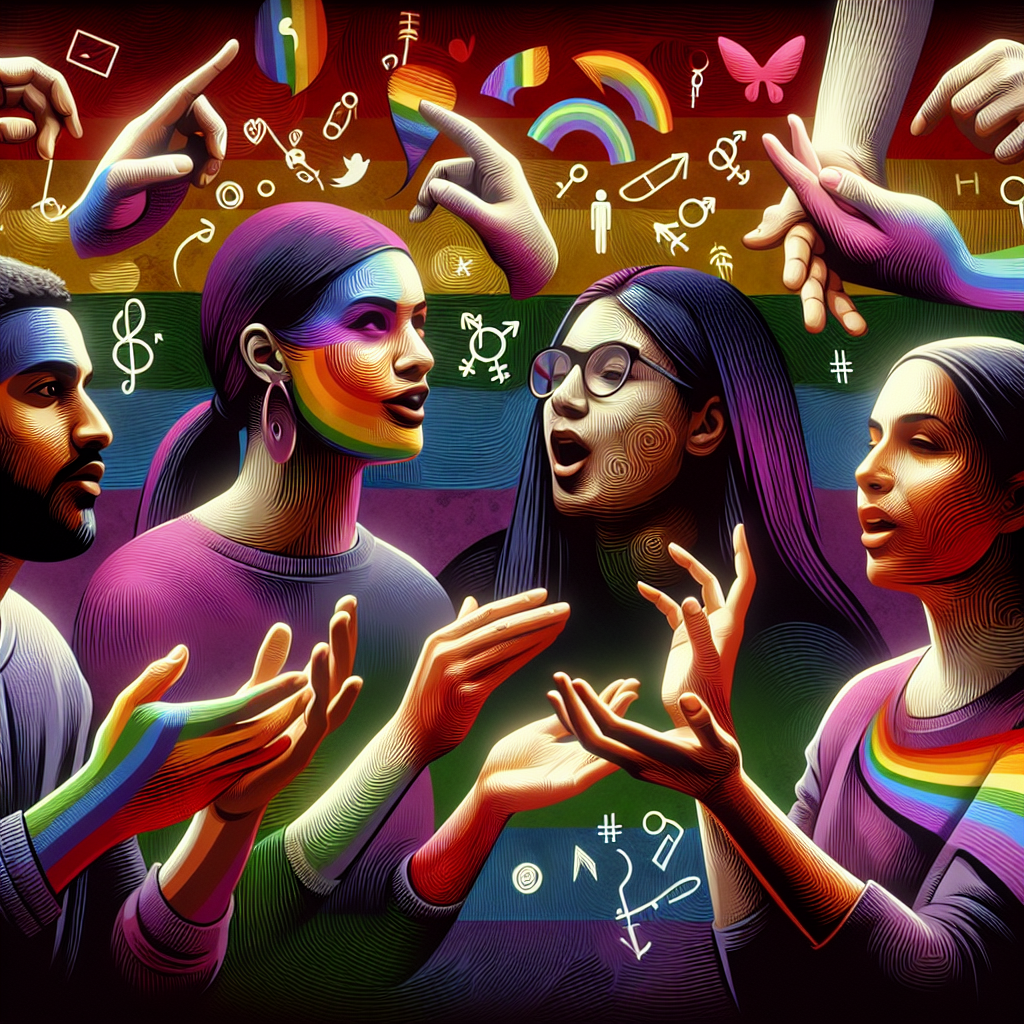
The intersectionality of being both Deaf and a member of the LGBTQ+ community presents unique challenges and opportunities for individuals navigating their identities. When Deafness and queer identity overlap, it contributes layers of complexity to the journey of self-discovery and acceptance. The use of pronouns and self-identification are not just linguistic choices but pivotal aspects of one’s identity, holding profound significance within both the Deaf and LGBTQ+ cultures. This article will explore how pronouns and identity are respected and expressed within the Deaf LGBTQ+ community, emphasizing the need for greater awareness and inclusivity. By fostering a deeper understanding of these dynamics, we can encourage a more compassionate and inclusive society for all individuals, celebrating the rich diversity within the Deaf LGBTQ+ community.
Understanding the Basics:
Before delving into the intricacies of pronouns and identity within the Deaf LGBTQ+ community, it is essential to understand the fundamental aspects of Deaf culture and LGBTQ+ identities separately. Deafness is more than just the loss of hearing; it constitutes a whole culture with its own language (American Sign Language, or ASL, for example), norms, and values. Members of the Deaf community often emphasize visual and kinesthetic communication, and consider deafness as part of their identity rather than a disability. On the other hand, LGBTQ+ identities include a spectrum of sexual orientations and gender identities that challenge traditional norms and embrace personal authenticity and self-expression. The commonality between Deaf and LGBTQ+ communities lies in their shared experiences of marginalization, social exclusion, and the fight for recognition and rights. It is within this intersection that the use of pronouns and identity takes on a unique and profound importance.
The Importance of Pronouns:
Pronouns are a crucial element of our language and identity, serving as a fundamental way for individuals to express their gender. For individuals who are Deaf and part of the LGBTQ+ community, pronouns can be communicated through ASL or other sign languages. Just like spoken languages, sign languages have evolved to include signs for various pronouns, such as he/him, she/her, they/them, and neopronouns. It is important to respect and use the correct pronouns for every individual to foster an environment of inclusivity and respect. Making a conscious effort to learn and use appropriate pronouns signals acceptance and support, which is vital for the mental and emotional well-being of Deaf LGBTQ+ individuals. Moreover, it is worth noting that the visual nature of sign language allows for unique ways to express pronouns and identities. For instance, facial expressions and body language play a significant role in conveying meaning in sign language, adding another dimension to the communication of pronouns and gender identity. By embracing these visual cues, we can better respect and acknowledge the diverse array of identities within the Deaf LGBTQ+ community.
Navigating Identity within the Deaf LGBTQ+ Community:
Identity is a multifaceted concept that encompasses various aspects of an individual’s life, including their gender, sexuality, cultural background, and personal experiences. For Deaf LGBTQ+ individuals, navigating identity can be particularly complex due to the intersectionality of their multiple identities. The Deaf community has its own distinct cultural identity, which can sometimes clash with mainstream LGBTQ+ culture and vice versa. This intersectionality can create unique challenges, but it also offers opportunities for growth, self-discovery, and finding community. One significant aspect of navigating identity is finding spaces where Deaf LGBTQ+ individuals can feel safe, supported, and understood. These spaces can be in the form of social groups, online communities, or organizations dedicated to supporting Deaf LGBTQ+ individuals. Such spaces provide opportunities for individuals to connect with others who share similar experiences, fostering a sense of belonging and community. Additionally, role models and representation play a crucial role in navigating identity. Seeing Deaf LGBTQ+ individuals who are open and proud of their identities can provide inspiration and encouragement for others who may be struggling with their own identities. Representation in media, literature, and public life helps to normalize and validate the experiences of Deaf LGBTQ+ individuals, promoting self-acceptance and pride.
Promoting Inclusivity and Awareness:
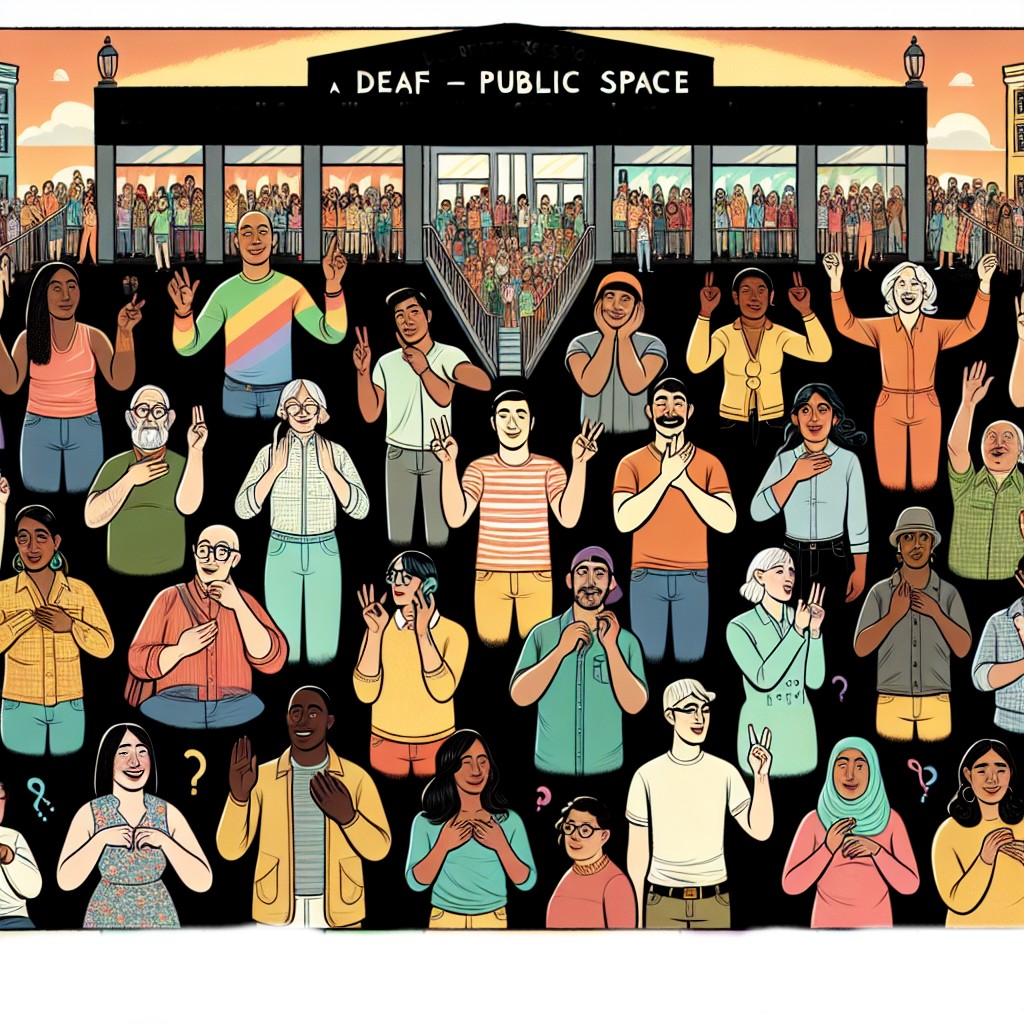
Building an inclusive and aware society starts with education and advocacy. It is essential to educate ourselves and others about the unique experiences and needs of Deaf LGBTQ+ individuals. This includes understanding the specific challenges they face, such as communication barriers, social isolation, and discrimination. Creating inclusive environments involves implementing accessible communication methods, such as providing sign language interpreters at events and ensuring that online content is accessible through captions and visual descriptions. In the context of the workplace, schools, healthcare facilities, and public spaces, it is crucial to prioritize accessibility and inclusivity for Deaf individuals by providing the necessary accommodations and resources. Advocacy efforts can also drive systemic changes that promote inclusivity and awareness. This includes supporting policies that recognize and protect the rights of Deaf LGBTQ+ individuals, promoting diversity and inclusion initiatives, and amplifying the voices of Deaf LGBTQ+ activists and organizations. By actively participating in advocacy efforts and challenging biases and stereotypes, we can contribute to a more inclusive and equitable society for all.
Celebrating Diversity within the Deaf LGBTQ+ Community:
Celebrating diversity within the Deaf LGBTQ+ community involves recognizing and appreciating the unique experiences, perspectives, and contributions of individuals within this community. This celebration can take many forms, including cultural events, pride celebrations, art exhibitions, and storytelling. Cultural events and pride celebrations provide opportunities for Deaf LGBTQ+ individuals to come together, express themselves, and celebrate their identities. These events not only foster a sense of community and belonging but also raise awareness and visibility for the Deaf LGBTQ+ community, promoting greater understanding and acceptance in society. Art exhibitions and storytelling are powerful ways to share the lived experiences and perspectives of Deaf LGBTQ+ individuals. Through visual art, literature, film, and theater, Deaf LGBTQ+ individuals can convey their stories, challenges, and triumphs, contributing to a richer and more diverse cultural landscape. By celebrating diversity and embracing the unique contributions of Deaf LGBTQ+ individuals, we can foster a more inclusive and vibrant society that values and respects all voices and identities.
Conclusion:
In conclusion, respecting diverse expressions within the Deaf LGBTQ+ community requires a commitment to understanding, empathy, and inclusivity. Pronouns and identity are fundamental aspects of self-expression that hold significant meaning for Deaf LGBTQ+ individuals. By making a conscious effort to use the correct pronouns and create inclusive environments, we can support the mental and emotional well-being of Deaf LGBTQ+ individuals and promote a more compassionate and inclusive society. Navigating identity within the Deaf LGBTQ+ community involves recognizing the unique intersectionality of Deafness and LGBTQ+ identities and finding spaces where individuals can feel safe, supported, and understood. Promoting inclusivity and awareness involves educating ourselves and others about the unique experiences and needs of Deaf LGBTQ+ individuals, advocating for accessible communication methods, and supporting policies that protect their rights. Celebrating diversity within the Deaf LGBTQ+ community involves recognizing and appreciating the unique experiences and contributions of individuals within this community through cultural events, art exhibitions, and storytelling. By respecting diverse expressions and celebrating the rich diversity within the Deaf LGBTQ+ community, we can foster a more inclusive and equitable society that values and respects all voices and identities.