
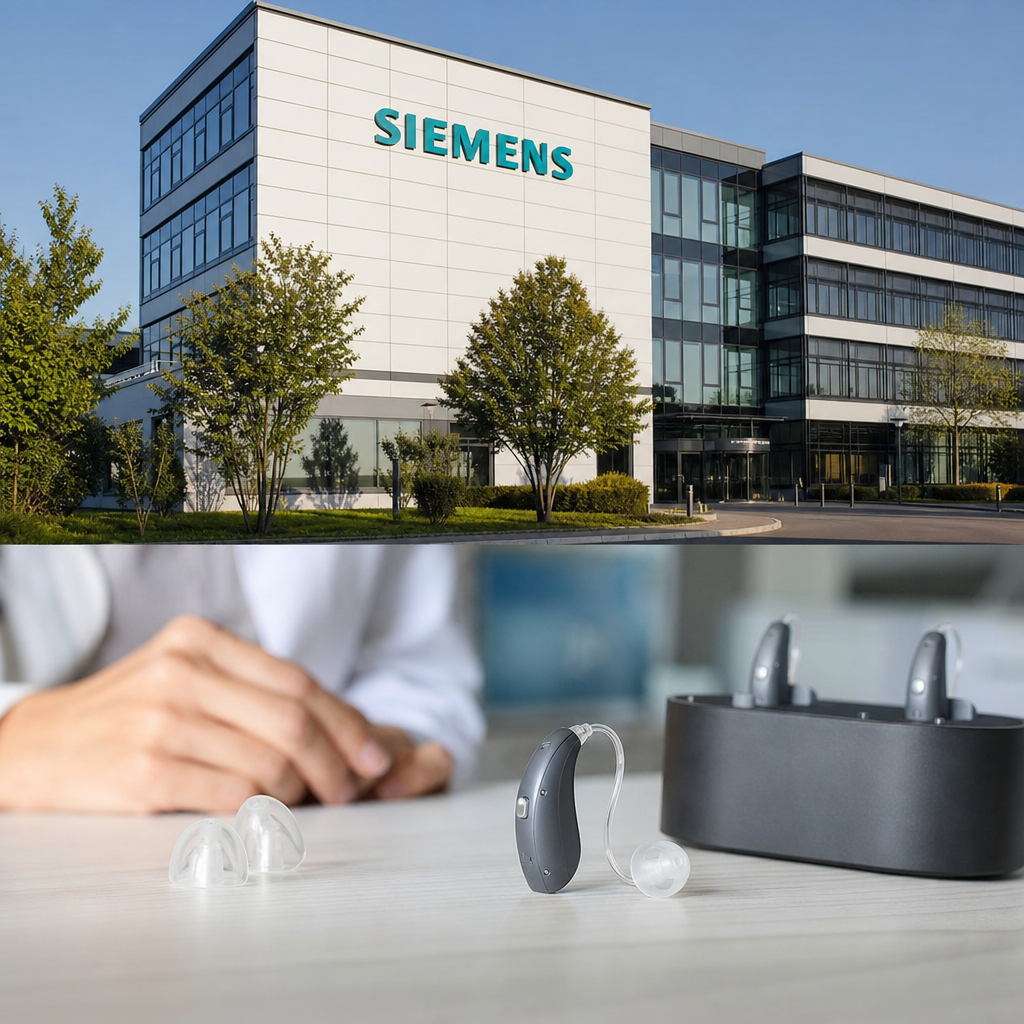
Siemens hearing aid company remains one of the most recognized names in hearing care, even though the brand itself has largely transitioned to Signia in many markets. For anyone researching hearing aids, understanding the Siemens legacy matters because product naming, repair support, replacement parts, and online discussions still use Siemens extensively. In practice, I still hear patients, dispensers, and family members say “Siemens hearing aids” when they mean current Signia devices or older Siemens models that are still in service. That overlap creates confusion, especially for buyers trying to compare technology, warranty support, app compatibility, and clinic availability.
At its core, Siemens hearing aid company refers to the hearing instrument business originally developed under Siemens, the German engineering group founded in 1847. That business later became part of Sivantos, and then merged into WS Audiology, which now markets hearing aids through brands including Signia, Widex, Rexton, and others. The practical takeaway is simple: Siemens hearing aids are not a separate modern manufacturer in the way many people assume. They are part of a long product lineage that continues under updated branding, service networks, and software ecosystems.
This matters because hearing aids are medical devices shaped by audiology, software tuning, acoustic engineering, and aftercare. Choosing the wrong device is expensive, but misunderstanding the manufacturer can also create avoidable problems. I have seen users buy batteries, domes, chargers, or accessories for a “Siemens” hearing aid without realizing the fitting platform changed years ago. Others delay service because they think the brand disappeared. In reality, support often still exists through hearing clinics, authorized providers, and compatible current-generation accessories. Understanding the company history and product structure helps you ask better questions, avoid compatibility mistakes, and make a more informed purchase.
For a hub article under Hearing Aids, this guide covers the general essentials: company background, current ownership, key product types, technology features, fitting and service expectations, buying considerations, and how Siemens compares with the modern hearing aid market. If you want the short answer, Siemens built a major hearing aid business known for engineering depth and broad clinical adoption, and that business lives on today primarily through Signia within WS Audiology. The details below explain what that means for real buyers and current users.
Company history, ownership, and what happened to the Siemens name
Siemens entered hearing care long before consumer electronics companies treated hearing devices as wearable tech. The brand became known in audiology clinics for reliable behind-the-ear and in-the-ear products, fitting software used by professionals, and broad international distribution. Over decades, Siemens hearing aids earned a strong reputation because audiologists valued predictable programming behavior, solid speech processing, and a deep catalog that served mild through profound hearing loss. In many clinics, Siemens was a routine recommendation because it balanced premium engineering with scalable model ranges.
The major branding shift came when Siemens sold its hearing aid business, which became Sivantos. Later, Sivantos and Widex merged to form WS Audiology. Today, Signia is the best-known continuation of the Siemens hearing aid line in many regions. That is why older paperwork may say Siemens, newer manuals may say Signia, and wholesale or corporate references may mention WS Audiology. This sequence is not just corporate trivia. It affects where users go for firmware updates, replacement receivers, smartphone apps, and service documentation.
If you own an older Siemens device, support depends on age, model family, and local provider relationships. Some legacy products can still be cleaned, reprogrammed, or repaired if parts remain available. Others have reached end-of-support status, which means replacement may be more practical than repair. When I help someone identify a legacy model, the first step is always to confirm the exact device name, serial information, battery type, and form factor. That determines whether current Signia tools or clinic inventories can still support it. For buyers, the key point is that Siemens hearing aid company did not vanish; it evolved into a newer brand and organizational structure.
What Siemens hearing aids are known for
Siemens hearing aids built their reputation on audiological performance rather than flashy consumer branding. The company was consistently associated with directional microphones, digital feedback management, adaptive noise reduction, tinnitus features, and fitting flexibility across many hearing loss profiles. In clinical use, that matters more than slogans. A hearing aid succeeds when speech remains intelligible in noise, gain is stable and comfortable, and the user can wear it all day without fatigue or frequent adjustments.
One reason the brand persisted in public memory is that Siemens products often stayed in use for years. Hearing aids are not upgraded annually like phones; many users wear the same pair for five to seven years, sometimes longer. As a result, model names like Pure, Motion, Ace, Insio, and Binax still appear in patient records and online searches. Many of these naming conventions influenced later Signia families, which is why the product lineage feels continuous.
Another distinguishing feature has been audiologist-centered fitting. Siemens and later Signia devices have generally offered granular programming controls through professional software, allowing clinicians to fine-tune compression, frequency response, own-voice handling, directional behavior, and environmental classification. That flexibility can produce excellent outcomes, but only when the hearing aid is fitted properly. No manufacturer, Siemens included, can overcome a poor fitting protocol. Real-ear measurement, speech mapping, and patient counseling remain decisive.
Product types and who they suit best
Siemens hearing aid company has historically covered all major hearing aid styles, and the same basic categories continue in the modern product line. Behind-the-ear models place the electronics in a case behind the ear and deliver sound through tubing or a receiver. Receiver-in-canal devices move the receiver into the ear canal for a smaller profile and often a more natural sound path. In-the-ear, in-the-canal, and completely-in-canal models fit more discreetly inside the ear and may appeal to users prioritizing cosmetics, though they can involve tradeoffs in battery size, durability, and feature space.
In practice, style choice should follow hearing loss, ear anatomy, dexterity, wax production, connectivity goals, and lifestyle. I rarely recommend a tiny custom device first if the wearer struggles with handling small batteries or wants strong Bluetooth performance. Likewise, for severe hearing loss, a more powerful behind-the-ear option often provides better headroom and reliability than a small cosmetic shell. Users often start with appearance in mind and then shift priorities after understanding daily handling, maintenance, and listening demands.
| Style | Best for | Main advantages | Common limitations |
|---|---|---|---|
| Behind-the-ear | Moderate to profound loss | Power, durability, larger batteries or chargers | More visible behind the ear |
| Receiver-in-canal | Mild to severe loss | Popular balance of size, sound, and features | Receiver can need replacement over time |
| In-the-ear | Mild to severe loss | Custom fit, easier handling than very small shells | Less discreet, exposed to earwax |
| In-the-canal/CIC | Mild to moderate loss | Small and discreet | Fewer features, smaller batteries, more handling difficulty |
For most first-time adult users, receiver-in-canal models from the Siemens lineage have been the most broadly suitable because they combine comfort, directional performance, rechargeability in newer generations, and easier fitting flexibility. Custom devices still have a place, particularly for users wanting all-in-one shells or specific retention needs, but they are not automatically the “best” option simply because they are less visible.
Core technology features and how they help in real life
Modern hearing aids descended from Siemens platforms typically include several core processing systems. Directional microphones prioritize sound from in front of the listener, helping in restaurants, meetings, and cars. Noise reduction reduces steady background sounds such as HVAC hum or road noise, though it does not “erase” noise completely. Feedback cancellation suppresses whistling caused by amplified sound leaking and re-entering the microphone. Compression manages loudness so soft sounds become audible without making loud sounds painfully intense.
More advanced tiers add motion sensing, environmental adaptation, own-voice processing, tinnitus sound therapy, wind management, telecoil options in select models, and smartphone control. Features like Bluetooth streaming matter for calls and media, but the listening benefit depends on device generation and phone compatibility. Older Siemens devices often used streamer accessories rather than direct phone connectivity. Newer Signia-era products may support more streamlined app control and direct connections, but details vary by platform and operating system.
In real use, the most important feature is not the one with the best marketing label. It is the feature that solves the wearer’s biggest communication problem. For one user that may be speech in meetings; for another it is hearing a spouse at home; for another it is reducing listening effort over a long workday. When hearing aid technology is matched to those priorities and verified in clinic, outcomes improve substantially.
Fitting, apps, maintenance, and support
A Siemens or Signia hearing aid is only as good as its fitting process. Best practice starts with a diagnostic hearing evaluation, followed by device selection based on the audiogram, speech understanding, ear examination, lifestyle interview, and physical handling needs. Then comes programming. Clinicians should not rely on manufacturer first-fit settings alone. Real-ear measurements, using probe microphones to verify actual sound levels in the ear canal, are the gold standard recommended by professional bodies such as the American Academy of Audiology. Without verification, two users with the same hearing loss can have very different outcomes.
Apps and remote support have become more important. Depending on model generation, users may have access to volume control, program changes, directional adjustments, masking sound controls for tinnitus, and telecare features that let providers make remote fine-tuning changes. For legacy Siemens models, app support may be limited or discontinued, especially when operating systems change. That is one of the most common reasons long-term users choose to upgrade even when the old devices still function.
Maintenance is straightforward but essential: daily wipe-down, wax guard checks, dome replacement, microphone cleaning, charger hygiene for rechargeable devices, and prompt servicing when sound weakens or becomes intermittent. Moisture and cerumen remain the two most common practical causes of performance decline. Users who store aids properly, replace consumables on schedule, and attend follow-up visits usually get better lifespan and more stable sound quality.
Buying considerations, pricing, and whether older Siemens models are worth keeping
Pricing for hearing aids connected to the Siemens lineage depends less on the historical brand name than on technology tier, clinic service bundle, warranty length, and local market. Premium devices cost more because they include stronger automation, better noise management, expanded connectivity, and often more follow-up support. Economy and midrange tiers can still work very well for quieter lifestyles. The mistake is assuming everyone needs the top tier or, conversely, assuming all digital hearing aids perform about the same. They do not.
When deciding whether to keep an older Siemens model, ask five direct questions: Is speech clarity still adequate? Are repairs and parts still available? Does the device meet your phone and streaming needs? Has your hearing changed significantly? Is battery or charger support becoming unreliable? If several answers are negative, replacement is usually the smarter long-term investment. I often see users spend repeatedly on aging devices when a modern refit would reduce effort, improve connectivity, and restore confidence in difficult listening situations.
Buy through a qualified audiologist or licensed hearing instrument specialist who provides verification, follow-up care, and transparent return terms. Ask about warranty coverage, loss and damage policy, service visits, consumable costs, and whether your exact model is current or legacy stock. That level of detail matters more than a simple brand preference.
How Siemens compares in the current hearing aid landscape
In today’s market, the Siemens legacy competes through Signia against major manufacturers such as Phonak, Oticon, ReSound, Starkey, and Widex. Each has strengths. Phonak is often praised for broad Bluetooth compatibility and strong power options. Oticon is known for open sound processing philosophy. ReSound has longstanding connectivity strengths. Starkey emphasizes sensors and health-related features in select lines. Widex has a strong reputation for music sound quality and natural processing. Signia stands out for speech-focused performance, solid fitting flexibility, and features such as own-voice handling in certain platforms.
No brand wins for every user. The best hearing aid is the one that fits the hearing loss accurately, matches the wearer’s listening environments, and is programmed carefully with ongoing follow-up. The Siemens name still carries weight because of a long record in clinical hearing care, but the modern decision should center on current product support, local provider expertise, and demonstrated benefit in the user’s actual life.
Siemens hearing aid company is best understood as a historic leader whose technology and service legacy continue through Signia and WS Audiology. For buyers and current users, that means the brand remains relevant even if the logo on new devices has changed. Knowing the history helps you decode model names, support options, and compatibility questions. Knowing the product types helps you choose the right style for hearing loss, dexterity, and lifestyle. Knowing the fitting process helps you avoid the most common reason hearing aids disappoint: poor setup rather than poor hardware.
The central benefit of understanding Siemens hearing aids is confidence. You can evaluate older devices realistically, compare current options more accurately, and work with a provider using the right questions. If you are researching hearing aids generally, use this page as your starting point, then continue into model-specific, style-specific, and feature-specific guides so your final choice is based on evidence, not branding confusion.
If you wear an older Siemens device or are considering a current Signia option, schedule a hearing evaluation and device review with a qualified local provider. Bring your existing hearing aids, note the situations where you struggle most, and ask for verified fitting with clear support terms. That single step will tell you more than hours of brand research alone.
Frequently Asked Questions
Is Siemens still a hearing aid company, or has it become Signia?
Siemens is no longer the primary consumer-facing hearing aid brand in most markets. The hearing aid business that many people knew as Siemens Hearing Instruments transitioned over time, and today the name most consumers will encounter is Signia. That said, the Siemens name still matters a great deal because millions of older devices were sold under the Siemens label, many service records still reference Siemens model names, and a lot of patients, providers, and family members continue to use “Siemens hearing aids” as a general term. In practical terms, if you are researching a current product line, you will usually be looking at Signia devices rather than newly branded Siemens hearing aids. If you are trying to identify an older device, find compatible accessories, understand warranty history, or compare product generations, the Siemens name may still appear on the hearing aid itself, in manuals, on battery doors, or in online forums. That is why both names continue to show up in hearing care conversations, even though the active retail brand has largely shifted to Signia.
Why do so many people still refer to Signia devices as Siemens hearing aids?
The short answer is familiarity and continuity. Siemens spent decades building strong recognition in hearing care, so the name stayed embedded in consumer habits long after branding changes began. Many people first learned about hearing aids through a parent, spouse, grandparent, or hearing care provider who used the Siemens name, and those habits are slow to change. On top of that, there are still many older Siemens-labeled devices in use, and patients often bring those devices into clinics for adjustments, repairs, earmold replacements, or troubleshooting. Online searches also reinforce the legacy name because product reviews, discussion boards, used-device listings, manuals, and support questions often mix Siemens and Signia terminology. As a result, someone may say “I need help with my Siemens hearing aid” when they are referring either to an older Siemens-branded model or to a newer device from the same heritage under Signia. For consumers, this means it is smart to look for both brand names when researching parts, accessories, and support information, especially if your device is several years old.
Can older Siemens hearing aids still be repaired or serviced?
Often yes, but it depends on the age of the device, the specific model, parts availability, and whether the manufacturer or a third-party lab still supports that product generation. Many older Siemens hearing aids can still be evaluated by a hearing care professional for cleaning, maintenance, software checks, tubing changes, earmold updates, and in some cases manufacturer repair. However, hearing aids are small electronic medical devices, and long-term serviceability is never unlimited. Once a product becomes old enough, replacement parts such as microphones, receivers, battery contacts, faceplates, and shells may be harder to source. Some legacy models may also no longer be supported in current fitting software, or support may vary by clinic and region. The best first step is to bring the device to a licensed hearing care provider who can identify the exact model and serial information, inspect the hearing aid, and tell you whether in-office maintenance, factory service, or replacement is the most realistic path. Even if full repair is no longer available, a provider may still help with practical options such as cleaning the device, replacing consumable parts, checking battery performance, confirming whether the issue is wax or moisture related, or recommending a comparable modern Signia solution.
How can I tell whether my hearing aid is an older Siemens model or a newer Signia device?
The easiest way is to check the branding printed directly on the hearing aid, charger, case, manual, or original packaging. Older devices may clearly say Siemens, while newer ones are more likely to say Signia. The model name can also be a strong clue, especially if you compare it against manufacturer literature or ask a hearing care clinic to identify it. If the device connects to a newer Signia app or was purchased recently through a provider offering current Signia technology, it is likely part of the newer brand lineup. If it came from an earlier fitting, has older styling, or appears in documentation using legacy Siemens naming, it may be from the Siemens era. Another reliable option is to look up the serial number through a hearing care professional, since clinics can often determine the generation, platform, and support status more accurately than a consumer can from appearance alone. This matters because model identification affects everything from programming compatibility to charger options, receiver replacements, domes, wax guards, and whether repair service is still available.
Should I replace an old Siemens hearing aid with a current Signia model?
That depends on how well the current device is performing, whether it still meets your hearing needs, and whether service remains practical. If your older Siemens hearing aid is working reliably, fits well, and still gives you clear speech understanding in your everyday environments, replacement may not be urgent. But if you are dealing with repeated repairs, weak sound, poor speech clarity in noise, limited connectivity, short battery life, or difficulty finding compatible parts, moving to a current Signia model may make strong sense. Modern hearing aids often offer meaningful improvements in feedback control, speech processing, background noise management, rechargeability, smartphone connectivity, remote support, and comfort in more complex listening situations. For many users, the biggest difference is not just sound quality but convenience and consistency throughout the day. The best approach is to schedule a hearing evaluation and device check with a qualified hearing care provider. They can compare your current hearing levels with the settings and capabilities of your existing Siemens device, explain whether a repair is still cost-effective, and show you what a newer Signia product could offer. In many cases, the decision becomes much clearer once you compare the real-world benefits of updated technology against the ongoing limitations of an aging legacy device.