
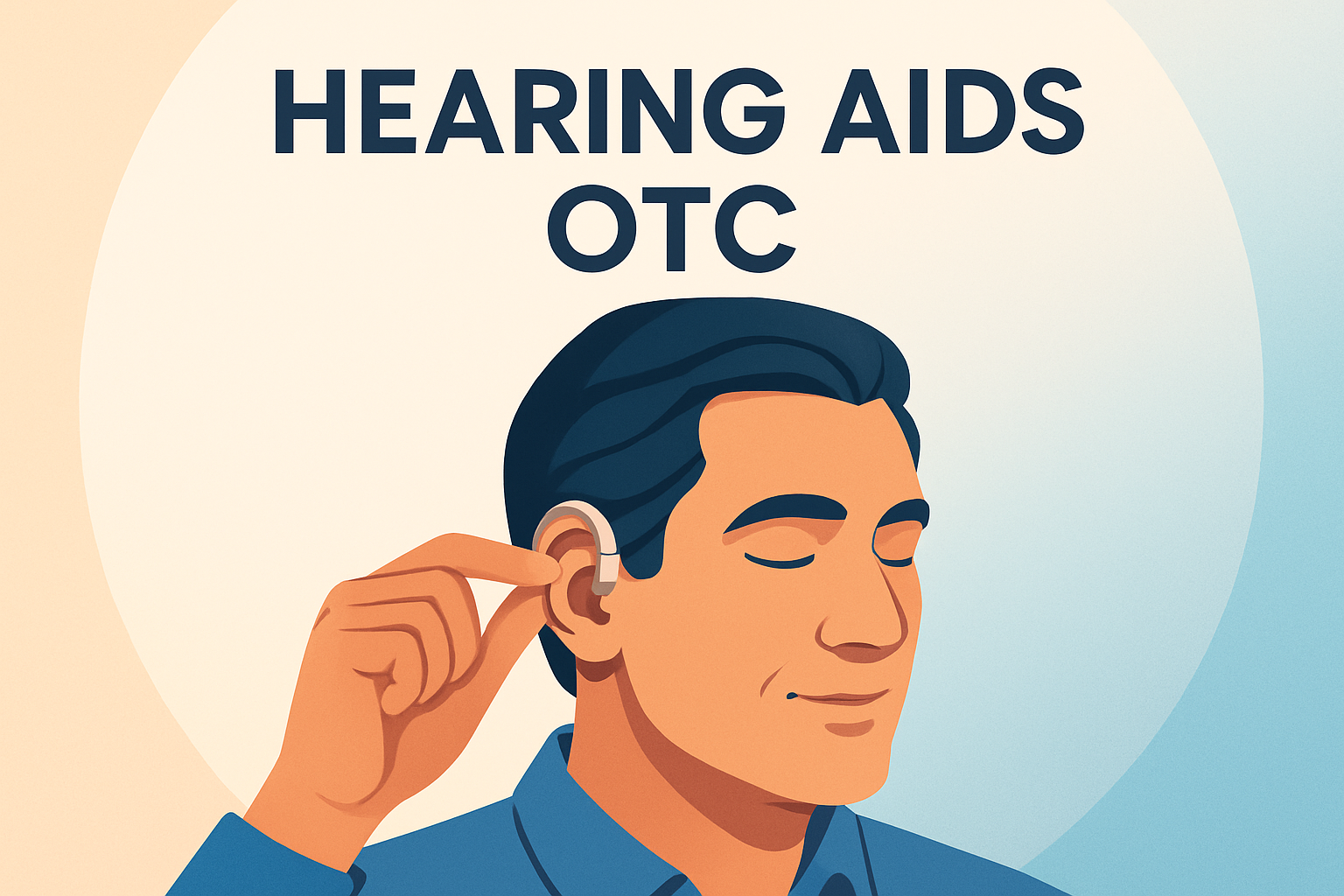
Introduction to Hearing Aids OTC
Hearing aids have long been an essential device for those experiencing hearing loss, helping millions across the world improve their communication and quality of life. Traditionally, these devices have been available through prescription, involving specialized fittings and consultations. However, the landscape of hearing assistance is evolving with the introduction of over-the-counter (OTC) hearing aids. This shift signifies a monumental change in how individuals can access auditory assistance, catering to a need for more accessible and economical hearing solutions.
Over-the-counter hearing aids, also known as hearing aids otc, are devices available without a prescription, designed to improve hearing in individuals with mild to moderate hearing loss. The availability of these devices is a game-changer, potentially reaching a broader audience who may not have previously considered hearing assistance due to the cumbersome process or cost associated with traditional hearing aids. Understanding the intricacies of these devices—how they work, who can benefit, and what options are available—is crucial for anyone considering improving their hearing health in a more accessible manner.
Why does this matter? The rise of hearing aids otc addresses a significant barrier by simplifying access to hearing care, which could lead to wider adoption and earlier intervention in cases of hearing loss. By demystifying the concept of otc hearing aids, we can empower more individuals to take charge of their hearing health, ultimately improving their quality of life.
Understanding How OTC Hearing Aids Work
OTC hearing aids are designed to be user-friendly, enabling individuals to purchase and use them without extensive consultation from hearing professionals. These devices typically come with basic features that amplify sound, often including volume controls and pre-set settings to accommodate various listening environments. The key to their functionality lies in their ability to increase the volume of sounds, making it easier for users to hear and communicate effectively.
For example, an individual attending a social gathering might use their otc hearing aids to better hear conversations over background noise. Unlike their prescription counterparts that often require professional tuning, otc hearing aids may not offer a custom-fitting or advanced technology. However, their simplicity is precisely what makes them accessible and convenient for first-time users or those with less severe hearing loss.
Benefits of Choosing OTC Hearing Aids
Choosing otc hearing aids comes with several benefits, particularly in terms of cost and accessibility. Traditional hearing aids can be expensive due to the need for personalized fittings and the expertise required, often costing thousands of dollars. In contrast, otc hearing aids are generally more affordable, offering a viable solution for those who may otherwise forego hearing assistance due to financial constraints.
Additionally, the accessibility aspect cannot be understated. OTC hearing aids are available in a variety of retail settings and online platforms, allowing individuals to purchase these devices at their convenience. For instance, someone living in a rural area without easy access to audiologists might find otc hearing aids a practical solution to address their hearing concerns. The ability to manage one’s hearing health independently and discreetly further underscores the appeal of these devices.
Potential Limitations of OTC Hearing Aids
While otc hearing aids offer significant advantages, they are not without limitations. One of the primary concerns is that they may not provide the same level of customization and precision as prescription hearing aids. Those with specific or severe hearing impairments might find that otc options do not adequately address their needs.
For example, an individual with profound hearing loss might require the advanced technology and personalized adjustments that otc hearing aids cannot provide. There is also a risk that users may not adjust to the devices properly without professional guidance, potentially leading to user dissatisfaction or underutilization. It is essential for potential users to consider their level of hearing loss and whether otc hearing aids are the right fit for their situation.
The Importance of Self-Screening and Consultation
Given the nature of otc hearing aids, self-screening to understand one’s level of hearing loss is a crucial first step before purchasing these devices. Many resources and tools are available online to help individuals assess their hearing, providing a baseline understanding of what kind of assistance they may require.
It is also beneficial to consult with a healthcare provider, especially in cases where there is uncertainty about the severity of hearing loss. A health professional can provide valuable insights into whether otc hearing aids are suitable or if more specialized hearing care is necessary. For example, an older adult experiencing communication difficulties might be advised to try an otc hearing aid as a preliminary measure, with the possibility of further assessment if needed.
| Hearing Needs | OTC Suitability |
|---|---|
| Mild to Moderate Loss | High Suitability |
| Severe to Profound Loss | Low Suitability; Consider Prescription |
| General Lifestyle Needs | Moderate Suitability |
| Complex Hearing Environments | Low Suitability; Consider Professional Guidance |
Market Trends and Consumer Perspectives
The emergence of otc hearing aids has ushered in new trends within the market. Companies are increasingly focusing on technological advancements and innovative designs to appeal to a diverse consumer base looking for effective yet aesthetically pleasing devices. Wireless connectivity features, rechargeable batteries, and smartphone compatibility are becoming common, reflecting consumer demand for convenience and integration with everyday life.
From a consumer perspective, there has been a notable increase in awareness and acceptance of otc hearing aids. With aging populations and rising cases of hearing loss among younger individuals due to lifestyle factors, the need for accessible hearing solutions continues to grow. Brands are responding by offering a wider range of options that cater to different preferences and budgets. An athlete suffering from early onset hearing loss might, for instance, choose a sporty design with water resistance to suit an active lifestyle.
Regulatory and Safety Considerations
As otc hearing aids become more widespread, understanding the regulatory frameworks and safety standards that govern their production and distribution is vital. The U.S. Food and Drug Administration (FDA), for instance, plays a significant role in establishing guidelines to ensure that these devices meet necessary safety and efficacy standards. It’s important for consumers to purchase devices from reputable sources to ensure they meet these regulatory requirements.
An example of the importance of adhering to these standards is evident when considering the risks involved with using subpar devices. Inferior otc hearing aids may not only fail to improve hearing but could potentially cause further damage or discomfort. Thus, consumers should be diligent and ensure that devices are FDA-registered and manufactured by credible companies.
Summary and Next Steps
With the advent of hearing aids otc, individuals with mild to moderate hearing loss have more options than ever before to enhance their hearing experiences conveniently and affordably. These devices bridge the gap between accessibility and user autonomy, allowing more people to take proactive steps in managing their hearing health without the need for costly consultations and fittings. However, it is crucial for users to carefully assess their needs and consider any limitations associated with these devices, especially if they possess severe hearing impairments or complex living environments.
The main takeaway for potential users is to leverage available resources to understand their hearing needs thoroughly, consult with healthcare providers when necessary, and opt for high-quality devices from reputable manufacturers. As the market continues to evolve, staying informed about new developments and options can only enhance the capabilities of those looking to improve their hearing health.
For anyone considering hearing aids otc, the first step could be engaging in online research or speaking with a healthcare professional to determine if this option aligns with your specific needs. From there, explore the range of available products, and take advantage of the newfound independence that comes with managing your hearing health. Embrace the evolution of hearing technology and take a step towards clearer, more connected communication.
Frequently Asked Questions
1. What are over-the-counter (OTC) hearing aids, and how do they differ from prescription hearing aids?
Over-the-counter (OTC) hearing aids are devices that can be purchased directly from a store or online without the need for a prescription or a visit to an audiologist. These devices are designed to be a more accessible option for individuals with mild to moderate hearing loss. The main difference between OTC hearing aids and prescription hearing aids lies in the customization and the process involved in acquiring them.
Prescription hearing aids require consultations with a hearing specialist who conducts thorough hearing tests to determine the nature and extent of hearing loss. Based on these results, a hearing aid is custom-fitted and precisely adjusted to meet the unique needs of the user. These devices often come with professional follow-up appointments and support, ensuring optimal performance and comfort.
In contrast, OTC hearing aids are pre-programmed and typically offer a “one-size-fits-most” solution. They can be a convenient option for those who may not have the resources or access to professional audiology services. However, this convenience means they lack the personalized adjustments that prescription hearing aids offer, which may make them less effective for certain users with specific types of hearing loss.
2. Who can use OTC hearing aids, and are they suitable for everyone with hearing loss?
OTC hearing aids are primarily designed for adults with mild to moderate hearing loss. They provide a more accessible option for those who may not have the time or resources to visit a hearing care professional. They can be a good starting point for individuals experiencing gradual hearing loss who have not yet engaged in professional hearing care services.
However, OTC hearing aids are not suitable for everyone. They are not recommended for individuals with severe hearing loss or those experiencing hearing issues related to other medical conditions. For these more complex cases, consulting a hearing professional is crucial, as they can provide comprehensive evaluations and individualized treatment plans.
It’s also important to recognize that hearing loss can occur gradually, and individuals may not always be aware of the extent of their condition. Those who suspect they have significant hearing loss or who are unsure about the severity of their hearing difficulties should consider a professional hearing assessment before deciding on an OTC hearing aid.
3. How do I choose the right OTC hearing aid for my needs?
Choosing the right OTC hearing aid involves several considerations. First, understand your specific hearing needs. If you recognize that your hearing loss is mild to moderate, OTC hearing aids could be a viable option. Next, determine your priorities in terms of features. Some OTC hearing aids offer advanced features such as Bluetooth connectivity, rechargeable batteries, and noise reduction technology, which can enhance user experience.
Consider the shape and comfort of the hearing aid, as it is essential for the device to fit well and be comfortable for extended use. User reviews and ratings are valuable resources for gaining insight into the performance and reliability of different models. Additionally, some companies offer trial periods, which can be beneficial for testing the hearing aid in your everyday environment to ensure it meets your expectations.
Finally, pay attention to the manufacturer’s customer support and warranty offerings. Good post-purchase support can be crucial for troubleshooting any issues you encounter and ensuring your investment is protected.
4. What are the benefits of choosing OTC hearing aids over prescription ones?
The main benefit of OTC hearing aids is increased access and convenience. They allow individuals to address their hearing issues without the need for a prescription, potentially reducing wait times for initial treatment. This increased accessibility makes hearing aids available to a broader population, including those in remote areas or those who might not prioritize a visit to a healthcare provider.
OTC hearing aids also tend to be more affordable than their prescription counterparts. Without the need for specialized fittings and consultations, the overall cost can be significantly lower, making them a more economically feasible solution for individuals with limited budgets.
Moreover, the market for OTC hearing aids is continuously innovating, offering various styles and features that may appeal to different preferences and lifestyles. This flexibility allows users to find products that fit their specific hearing needs and personal style without the need for professional intervention.
5. Are there limitations or risks associated with using OTC hearing aids?
While OTC hearing aids offer several benefits, they also come with limitations and potential risks. One significant limitation is the lack of customization. These aids are generally one-size-fits-all, which means they may not be as effective for individuals with hearing loss patterns that require precise adjustments.
Another risk is that users may incorrectly self-diagnose their level of hearing loss. Without a professional evaluation, individuals may underestimate or overestimate their hearing needs, resulting in either insufficient amplification or excessive noise exposure, which could potentially exacerbate hearing loss over time.
Additionally, individuals with hearing loss caused by other medical conditions may need medical intervention rather than an OTC hearing solution. Delaying professional consultation could lead to untreated underlying health issues.
Overall, while OTC hearing aids can serve as an effective entry point for many individuals, it’s essential to monitor their performance and seek professional advice if issues persist or if there’s doubt about the suitability of the chosen device.