
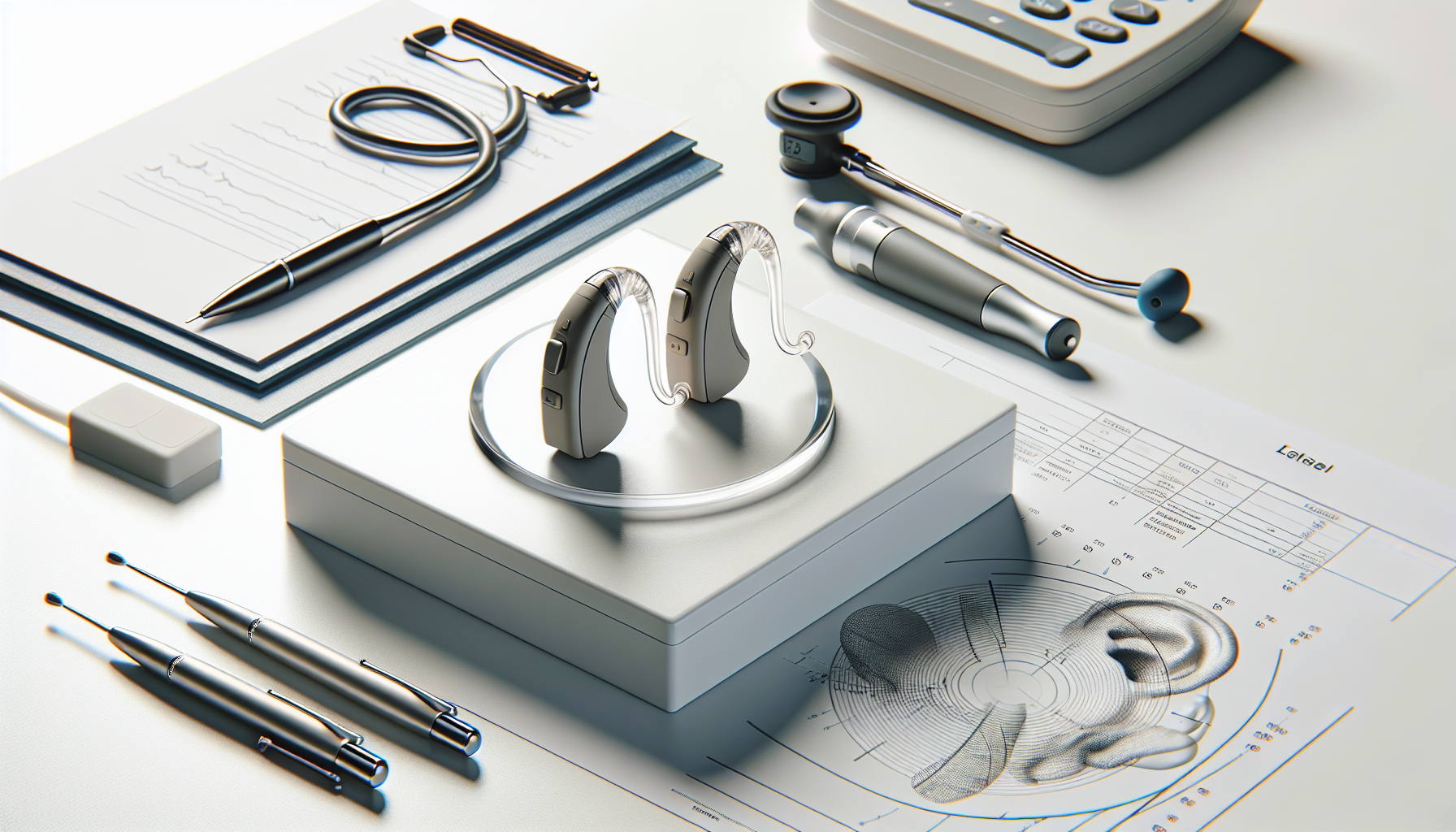
Hearing aid fitting is the process of selecting, programming, placing, and fine-tuning a hearing device so it matches a person’s hearing loss, ear anatomy, communication needs, and daily listening environments. It matters because even the best hearing aid can perform poorly if the fit is wrong, while a well-fitted device can improve speech clarity, reduce listening fatigue, and make conversations, work, television, and phone calls easier to manage. In practice, fitting is not one appointment but a sequence of clinical and practical steps that begins with a hearing assessment and continues through verification, counseling, and follow-up adjustments. When I have guided patients through fittings, the biggest difference between success and disappointment has rarely been the brand alone; it has been whether the device was set to verified targets, physically comfortable, and supported by realistic training and aftercare.
Several key terms help explain the process. Hearing loss describes reduced sensitivity to sound, often measured on an audiogram across frequencies from low pitch to high pitch. Real-ear measurement is a probe microphone test that checks how much amplified sound actually reaches the eardrum. Prescription formulas such as NAL-NL2 and DSL v5 provide evidence-based starting targets for gain and output. Open fit means the ear canal is less occluded, which can feel more natural for many people with high-frequency loss, while a custom earmold or dome affects retention, feedback, comfort, and bass response. Understanding these basics matters because hearing aid fitting is highly individualized. Age, dexterity, tinnitus, earwax, cognitive load, lifestyle, and expectations all affect the right plan. A hub page on hearing aid fitting should therefore answer the practical questions people ask before they choose a device and before they walk into an audiology clinic.
Good hearing aid fitting also has broader health implications. Untreated hearing loss is associated with social withdrawal, poorer communication, increased listening effort, and reduced participation in work and family life. Proper fitting cannot solve every problem, especially in noise, but it can materially improve access to speech. Standards from professional bodies such as the American Academy of Audiology and the British Society of Audiology support verification, validation, and patient-centered follow-up because outcomes improve when clinicians measure performance rather than relying only on manufacturer first-fit settings. This article explains the full fitting journey, the tests involved, the choices you will make, the common problems that arise, and how to judge whether your hearing aids are truly fitted well.
What happens before a hearing aid fitting
Before a hearing aid fitting, a clinician needs enough information to determine whether amplification is appropriate and what type of device is likely to work. That usually starts with case history, otoscopy, and a diagnostic hearing evaluation. Case history covers onset of hearing difficulties, one-sided symptoms, dizziness, tinnitus, noise exposure, ear infections, family history, dexterity, vision, and situations where hearing is hardest. Otoscopy checks the ear canal and eardrum for wax, infection, perforation, or other contraindications. The hearing evaluation often includes pure-tone air and bone conduction testing, speech recognition thresholds, and word recognition scores. If there are red flags such as sudden loss, unilateral tinnitus, active drainage, asymmetrical findings, or severe pain, referral to an ENT physician is appropriate before fitting proceeds.
Speech-in-noise testing is especially useful because many people seek hearing aids not because soft sounds are absent, but because speech becomes exhausting or unclear in restaurants, meetings, and cars. Tools such as QuickSIN, BKB-SIN, or WIN can estimate signal-to-noise ratio loss and help set realistic expectations. Tympanometry may also be used to assess middle ear function. If hearing fluctuates because of conductive or medical factors, stable fitting targets may not be possible until those issues are addressed. At this stage, the clinician also discusses goals. Someone who wants better hearing during one-on-one conversations may choose differently from someone who attends frequent group events, streams calls all day, or prioritizes a nearly invisible device.
The pre-fitting stage is also when style, technology level, and budget become practical decisions. Receiver-in-canal devices are common because they fit many hearing losses and are easy to adjust, while behind-the-ear models with earmolds may be better for more severe loss, pediatric use, or easier handling. In-the-ear and custom in-canal options can work well for some adults but may be limited by ear anatomy, dexterity, moisture, or cerumen. Rechargeable batteries suit many users, though disposable batteries remain useful for long travel or limited charging access. Strong fittings begin when these decisions are tied to hearing data and daily use, not marketing claims.
The core steps in the fitting appointment
A hearing aid fitting appointment typically includes physical fitting, software programming, feedback management, verification, user instruction, and a plan for adaptation. First, the clinician ensures the devices sit securely and comfortably. Domes or earmolds are selected for size, venting, and retention, and the receiver length is checked so the aid rests correctly behind the ear without tension. If custom earmolds are needed, impressions may have been taken earlier or digital ear scans used. Physical comfort matters more than many first-time users expect; if the device causes soreness, movement, or occlusion, wear time drops and benefit falls with it.
Next comes programming. The clinician enters the audiogram and other parameters into manufacturer software such as Phonak Target, Oticon Genie 2, ReSound Smart Fit, Signia Connexx, Starkey Pro Fit, or Widex Compass. The software generates an initial amplification setting using a prescription rationale, commonly NAL-NL2 for adults or DSL in pediatric contexts. Important features may include wide dynamic range compression, directional microphones, impulse noise reduction, frequency lowering, wind management, tinnitus sound support, and separate programs for speech in noise, music, or telecoil use. Manufacturer first-fit is only a starting point. In my experience, users are often told a hearing aid is “set for your hearing” when it has not yet been measured in the ear, and that shortcut leads to under-amplification more often than patients realize.
Feedback calibration is then run to minimize whistling without unnecessarily restricting high-frequency gain. The clinician also reviews loudness comfort, often reducing gain at first for new users who are sensitive to environmental sounds after years of untreated loss. That said, easing someone in should be done carefully. If the fitting is too soft for too long, speech audibility suffers and the user concludes that hearing aids do not work. The most effective appointments balance comfort with audibility, explain the adaptation period clearly, and schedule follow-up rather than leaving the first setting unchanged.
Why real-ear measurement is the gold standard
Real-ear measurement is the most important quality check in hearing aid fitting because it verifies what the hearing aid is actually delivering at the eardrum. Ear canals differ in length, volume, and resonance, so the same software setting can produce different sound levels in different people. During the test, a thin probe tube is placed in the ear canal near the eardrum, and the hearing aid is measured while standardized speech-like signals are played from a loudspeaker. The resulting curves are compared with target gain and output from the prescription formula.
Without real-ear measurement, fittings rely on assumptions. Multiple studies have shown that manufacturer first-fit often misses prescriptive targets, particularly in the high frequencies that carry clarity for consonants like s, f, th, and k. Missing these targets can leave speech audible but still muddy, the exact complaint many users report when they say they hear sound but do not understand words. Verification also helps prevent over-amplification, which can make sound harsh or exceed safe loudness limits. Probe microphone measures therefore protect both performance and comfort.
Validation is related but different. Verification asks whether the hearing aid matches acoustic targets; validation asks whether the patient experiences benefit in real life. Clinicians may use outcome measures such as the COSI, APHAB, IOI-HA, or HHIE to document change in communication function and participation. Best practice uses both. A fitting that meets targets but remains uncomfortable needs adjustment, while a fitting that feels acceptable but misses audibility for key speech sounds is not finished. The strongest clinics treat real-ear measurement as routine, not optional, and explain the result in plain language so users understand why a measured fit is worth insisting on.
Choosing features, styles, and accessories
Modern hearing aid fitting is also about matching features to actual listening demands. Directional microphones improve speech understanding when the talker is in front and background noise is elsewhere, but they are not magic in a crowded room where noise surrounds the listener from every angle. Bluetooth streaming is valuable for calls, video meetings, and media, particularly when paired with iPhone or ASHA-compatible Android devices, because direct audio to both ears can improve signal-to-noise ratio. Telecoils remain useful in venues with hearing loop systems, including many theaters, places of worship, and public counters in some countries. Remote microphones can outperform premium hearing aid processors in difficult distance listening because they bring the speaker’s voice directly to the user.
Style choice affects acoustics and usability. Open-fit receiver-in-canal devices reduce the plugged-up feeling for many mild to moderate high-frequency losses, but they may not provide enough low-frequency amplification or adequate feedback control for steeper or more severe losses. Custom earmolds improve seal, retention, and low-frequency response, though they can increase occlusion if venting is too small. Power needs, cosmetics, hand strength, skin sensitivity, and glasses or mask use all influence the decision. There is no universally best style; the best fitting is the one that provides verified audibility, stable comfort, and enough practicality to be worn daily.
| Option | Best for | Main advantage | Main limitation |
|---|---|---|---|
| Receiver-in-canal | Mild to severe loss | Versatile, discreet, easy to reprogram | Receiver exposed to wax and moisture |
| Behind-the-ear with earmold | Severe to profound loss, easier handling | Power, durability, secure fit | More visible, can feel bulkier |
| Custom in-the-ear | Adults wanting all-in-one design | No external receiver wire | Less suitable for changing hearing or very small canals |
| Remote microphone accessory | Meetings, classrooms, cars | Major speech boost in noise and distance | Extra device to charge and manage |
Technology tiers mainly change automation and performance in complex soundscapes, not the fundamentals of fitting. A basic device that is properly verified can outperform an advanced device fitted poorly. Premium models may offer better environmental classification, more channels, stronger noise management, and smarter accessory integration, but expectation setting is critical. Hearing aids improve access to speech; they do not restore natural hearing or eliminate all listening effort.
Adjustment period, follow-up care, and common problems
Most users need an adjustment period. Sounds that were absent for years, such as paper rustling, footsteps, dishes, turn signals, or refrigerator hum, can seem unusually sharp at first. That does not always mean the fitting is wrong; the brain is relearning which sounds matter. New users generally do best when they wear hearing aids consistently in varied but manageable environments, starting with quiet conversations at home and then adding shops, family gatherings, and outdoor settings. Daily wear time is one of the strongest predictors of successful adaptation.
Follow-up visits are where fitting becomes personalized. Common changes include increasing high-frequency gain after initial acclimatization, reducing own-voice occlusion by modifying venting or low-frequency amplification, improving retention with different domes or sports locks, and tuning directional or noise settings based on specific complaints. If speech is still unclear, the clinician may repeat real-ear measurement, assess word recognition limitations, check for wax blocking the receiver, run speech mapping, or add assistive accessories. If phones are difficult, acoustic coupling, Bluetooth routing, or telecoil settings may need to change.
Several common problems have simple explanations. Whistling often comes from poor seal, wax, cracked tubing, or excessive gain. Soreness may be caused by a pressure point on the earmold, incorrect dome size, or receiver wire that is too short. Intermittent sound can come from blocked microphone ports, moisture, depleted batteries, or charger contact issues. “Everything is loud but words are not clear” may reflect inadequate high-frequency audibility, poor speech discrimination from cochlear damage, or unrealistic expectations in heavy background noise. This is why hearing aid fitting should never end at handover. Ongoing maintenance, wax management, firmware updates, and outcome review protect the investment and improve long-term use.
How to know if a hearing aid fitting is successful
A successful hearing aid fitting produces measurable audibility, practical comfort, and noticeable communication benefit in the situations that matter most to the user. The best signs are straightforward: the aids are worn most days, speech is easier to follow in quiet, television volume is lower, conversations require less repetition, and the user understands both benefits and limits. Clinically, success means the fitting has been verified against prescription targets, loudness is acceptable, feedback is controlled, and outcome measures show improvement from baseline.
Patients should ask specific questions. Were my devices verified with real-ear measurement? Which prescription target was used? What should I expect in restaurants, cars, meetings, and on the phone? How long is the trial period, and what follow-up schedule is recommended? What cleaning and wax protection do these devices require? Which accessory would help most if I still struggle in noise? Clear answers usually indicate a careful fitting process. Vague reassurance without measurements often indicates the opposite.
Hearing aid fitting is the foundation of hearing aid success. When assessment, device choice, real-ear verification, counseling, and follow-up are done well, people hear more speech, communicate with less strain, and use their devices with more confidence. The key benefit is not just louder sound; it is better access to everyday life. If you are considering hearing aids or questioning a current set, schedule a fitting review with a qualified audiologist and ask for verified results, practical coaching, and a plan built around your real listening needs.
Frequently Asked Questions
What is a hearing aid fitting, and why is it so important?
A hearing aid fitting is the step-by-step process of choosing, programming, placing, and adjusting a hearing aid so it matches your specific hearing loss, the shape of your ears, and the situations where you need to hear most clearly. It is not just about picking a device and turning it on. A proper fitting considers your hearing test results, comfort preferences, lifestyle, dexterity, cosmetic goals, and the listening environments you face every day, such as one-on-one conversations, busy restaurants, meetings, television, and phone calls.
This process matters because hearing aids are highly personalized medical devices. Two people with similar hearing test results may still need very different settings, earmolds, domes, features, or styles. If a hearing aid is poorly fitted, sounds may be too sharp, too weak, unnatural, uncomfortable, or inconsistent. You may also hear too much background noise, struggle with speech clarity, or avoid wearing the devices altogether. By contrast, a well-fitted hearing aid can improve understanding of speech, reduce listening effort, increase comfort over long periods, and make everyday communication feel far less exhausting.
In real-world care, fitting is usually not a single appointment but an ongoing process. Initial programming is only the starting point. Follow-up visits are often needed to fine-tune loudness, speech settings, noise reduction, feedback control, and physical comfort. This is why hearing aid fitting is often described as a partnership between the patient and the hearing care professional. The more accurately the device is tailored and adjusted over time, the better the long-term results tend to be.
What happens during a hearing aid fitting appointment?
A hearing aid fitting appointment usually begins with a review of your hearing test results and a conversation about your daily communication needs. Your provider may ask where you struggle most, whether that is hearing family members, understanding speech in noise, following conversations at work, enjoying music, or using the phone. These details help determine how the hearing aids should be programmed and which features should be emphasized, such as directional microphones, Bluetooth connectivity, tinnitus support, or stronger noise management.
Next, the hearing aids are physically fitted to your ears. This may involve placing behind-the-ear devices, custom in-the-ear models, domes, slim tubes, or earmolds and checking that they sit securely and comfortably. Physical fit is important because a poor seal or uncomfortable placement can affect sound quality, feedback, and how consistently you wear the devices. Your provider will also show you how to insert and remove the hearing aids properly, how to change or charge batteries if needed, and how to clean and store them safely.
The programming stage is where the technology is customized to your hearing profile. Using specialized software, the provider adjusts gain, output, frequency response, and other settings based on your hearing loss. In many cases, best practice includes verification measures such as real-ear measurements, which help confirm that the sound reaching your eardrum matches prescriptive targets. This is a key part of evidence-based fitting because it moves the process beyond guesswork and helps ensure the devices are providing the right amount of amplification for soft, medium, and loud sounds.
Finally, you will usually receive counseling on what to expect during the adjustment period. Everyday sounds may seem different at first, especially if you have untreated hearing loss for a long time. Your provider should explain how to ease into full-time wear, how to manage difficult listening situations, and when to return for follow-up adjustments. A strong fitting appointment leaves you with more than just the hearing aids themselves; it gives you a clear plan for successful daily use.
How long does it take to get used to newly fitted hearing aids?
Adjustment time varies from person to person, but many people need several days to several weeks to feel comfortable with newly fitted hearing aids, and some continue refining their experience over a few months. Your brain has to relearn how to process sounds it may not have heard clearly for a long time. As a result, things like footsteps, paper rustling, refrigerator hum, running water, keyboard clicks, and your own voice may seem unusually noticeable at first. This does not necessarily mean the fitting is wrong; it often means your auditory system is adapting.
Most hearing care professionals recommend building up wear time gradually while aiming for consistent daily use. For example, you might start by wearing the devices at home in quieter settings, then progress to more complex environments such as group conversations, stores, social gatherings, and restaurants. Consistency is important because the brain adapts better with regular exposure. If hearing aids are worn only occasionally, the adjustment process often takes longer and can feel more frustrating.
It is also normal to need follow-up fine-tuning during this period. Some users initially prefer slightly softer settings, while others need clearer speech emphasis, improved comfort, reduced feedback, or changes in how background noise is managed. Keeping notes about difficult situations can be extremely helpful. If you notice that television is still unclear, dishes sound too sharp, or conversation in the car remains difficult, those details give your provider useful information for making targeted adjustments.
The key point is that successful hearing aid use is rarely instant. Good hearing aid fitting includes expectation setting, coaching, and follow-up care. With proper support, most users find that speech becomes clearer, listening becomes less tiring, and wearing the devices starts to feel natural as the brain adjusts to hearing more of the world again.
How do audiologists make sure hearing aids are fitted correctly?
Audiologists and other qualified hearing care professionals use a combination of diagnostic information, physical assessment, patient feedback, and verification tools to make sure hearing aids are fitted correctly. It begins with understanding the type and degree of hearing loss through a comprehensive hearing evaluation. That information guides the initial prescription for amplification, but a correct fit also depends on ear canal shape, ear health, manual dexterity, cognitive needs, cosmetic preferences, and the demands of the user’s lifestyle.
One of the most important best-practice tools is real-ear measurement, sometimes called probe-microphone verification. During this process, a tiny microphone is placed in the ear canal to measure how much sound is actually reaching the eardrum while the hearing aid is worn. This allows the provider to compare the hearing aid output to prescriptive targets that are based on your hearing loss. Real-ear measurement is valuable because hearing aids do not perform identically in every ear. Ear canals differ in size and acoustics, so software predictions alone may not be accurate enough.
Professionals also assess physical comfort and retention. A hearing aid that whistles, slips, causes soreness, or feels bulky may need changes to the dome, earmold, shell, receiver length, or insertion depth. Beyond technical settings, the provider should evaluate whether you can handle the controls, insert the device properly, and use any companion app or accessories. A fitting is only successful if the hearing aids are both acoustically appropriate and practical for real everyday use.
Follow-up visits are another major part of confirming a correct fit. The provider may review your experience in quiet and noisy settings, test aided performance, inspect the ears and devices, and modify the programming based on your reports. In other words, correct fitting is not a one-time judgment made in the office. It is a process of verification, validation, and refinement designed to help the hearing aids perform well in the situations that matter most to you.
How often do hearing aids need to be adjusted after the initial fitting?
It is common for hearing aids to need one or more adjustments after the initial fitting, especially during the first few weeks. The first programming session creates a strong starting point, but real-life listening reveals details that are hard to predict in the clinic. You may discover that speech sounds clear in quiet but not in restaurants, that sudden sounds are too sharp, that your own voice feels unusual, or that phone calls need improvement. These are all normal reasons for follow-up fine-tuning.
Many providers schedule a check-in within the first one to three weeks after fitting, then additional visits as needed. During those appointments, settings may be modified for comfort, speech understanding, background noise control, feedback suppression, streaming balance, or different listening programs. Some modern hearing aids also allow remote adjustments, which can be convenient for users who need small programming changes without traveling to the office.
Adjustments may also be needed later on if your hearing changes, your listening needs evolve, or the physical fit no longer feels right. For example, earwax buildup, weight changes, aging ear anatomy, damaged domes, worn tubing, or changes in hearing thresholds can all affect performance. Even if the devices seem to be working well, routine maintenance and periodic hearing evaluations remain important to keep them performing at their best.
As a general rule, hearing aids should be viewed as part of ongoing hearing care rather than a one-time purchase. Regular reviews help ensure they continue matching your hearing profile and daily demands. The goal of hearing aid fitting is not merely to make sounds louder once, but to support long-term clarity, comfort, and communication as your needs change over time.