
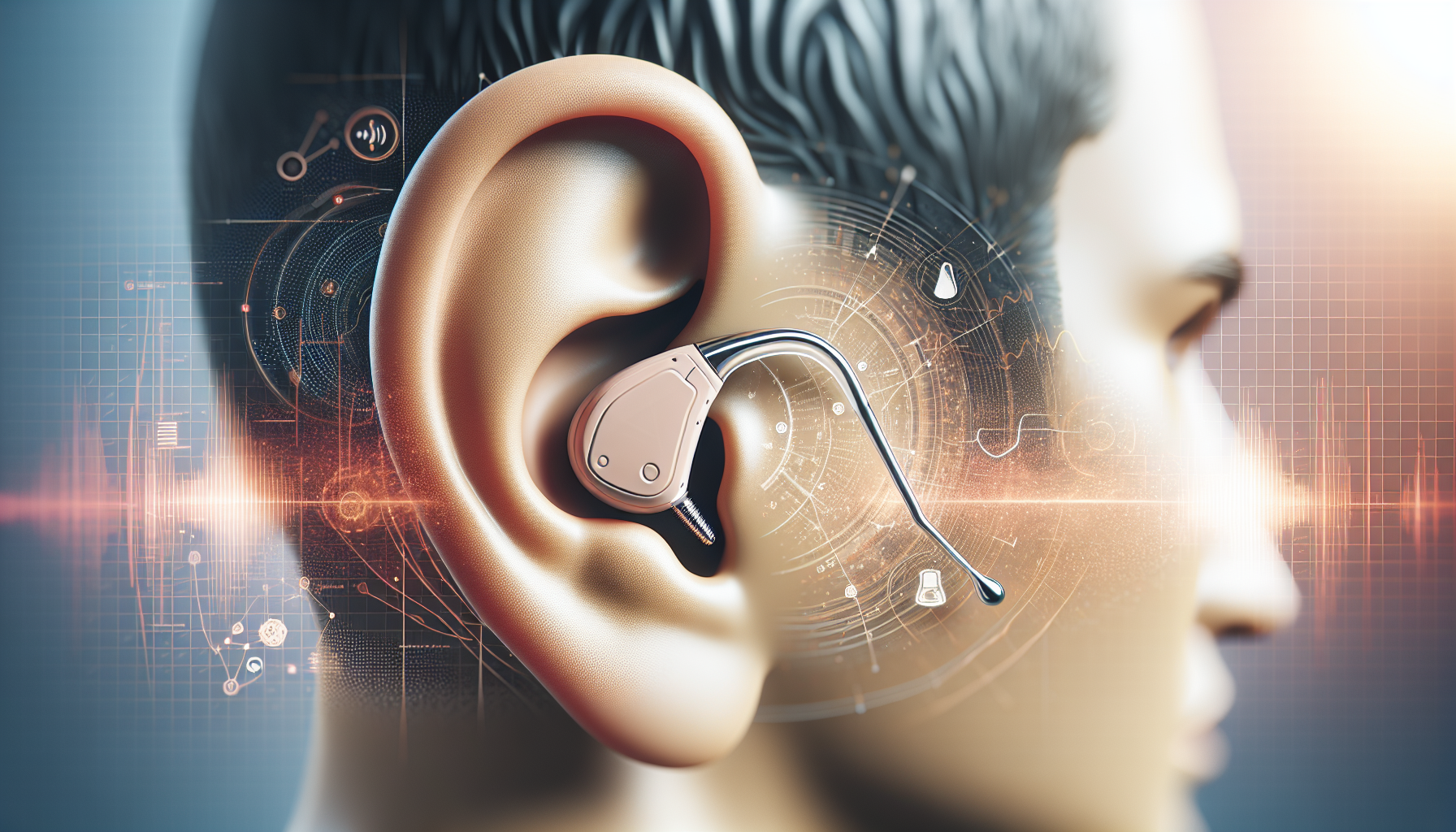
Bone anchored hearing aids are surgically implanted hearing devices that transmit sound through bone conduction rather than through the ear canal, making them an important option for people who cannot benefit fully from traditional air-conduction hearing aids. In clinical practice, I have seen this category transform outcomes for patients with chronic ear disease, single-sided deafness, and conductive or mixed hearing loss that leaves the cochlea usable but blocks sound before it reaches the inner ear. The term is often shortened to BAHA, although that abbreviation originally referred to a branded system and is now often used informally for the whole device class. A more precise umbrella term is bone conduction hearing implant.
Understanding how these devices work starts with basic hearing anatomy. In normal air conduction, sound waves travel through the outer ear and ear canal, vibrate the eardrum, move the ossicles in the middle ear, and stimulate the cochlea in the inner ear. Bone anchored hearing aids bypass damaged or absent outer and middle ear structures. A sound processor captures sound, converts it into vibration, and sends that vibration through a titanium implant or magnetic coupling into the skull bone. The vibration reaches the cochlea directly, where it is processed as sound.
This matters because many people are poorly served by standard hearing aids for reasons unrelated to volume alone. If the ear canal is chronically infected, anatomically closed, or irritated by earmolds, amplifying sound through the canal can be ineffective or intolerable. If one ear is profoundly deaf and the other hears normally, routing sound to the better-hearing cochlea through bone conduction can improve access to speech coming from the deaf side. As a hub topic under hearing aids, bone anchored hearing aids deserve broad coverage because choosing one involves anatomy, audiology, surgery, device technology, maintenance, candidacy testing, and long-term expectations.
How bone anchored hearing aids work and who they help
A bone anchored hearing aid has three core components: an external sound processor, a connection mechanism, and an implant or transducer that delivers vibration to bone. There are two main connection styles. In a percutaneous system, a small abutment passes through the skin and the processor snaps onto it. This creates direct mechanical transmission with very efficient energy transfer. In a transcutaneous system, the processor attaches magnetically over intact skin, improving cosmetic appearance and reducing daily skin care, though some sound energy is dampened by the soft tissue layer. Active transcutaneous systems add an implanted vibrating component to improve transmission while keeping skin intact.
The best candidates usually fall into three groups. First are patients with conductive hearing loss, where the cochlea works better than the outer or middle ear. Common examples include congenital aural atresia, ossicular malformations, chronic otitis media, or postsurgical ear anatomy after canal wall down mastoidectomy. Second are patients with mixed hearing loss, where both conductive and sensorineural components exist but bone conduction thresholds remain within the fitting range of available processors. Third are patients with single-sided deafness, also called unilateral profound sensorineural hearing loss, where a bone conduction device routes sound from the deaf side to the functioning cochlea on the opposite side.
These devices do not restore normal binaural hearing. That is a point patients need explained clearly. In single-sided deafness, a bone anchored hearing aid improves awareness of sounds coming from the poorer side and can reduce the head-shadow effect, but it usually does not recreate true localization because both signals are still processed by one cochlea. In conductive or mixed losses, performance can be excellent when cochlear reserve is good, often producing clearer sound than a powerful conventional aid placed into a chronically draining ear. The practical benefit is not just better audibility but better wear time, comfort, and disease management.
Types of systems, surgery, and fitting pathway
Modern bone conduction hearing implants are offered by established manufacturers including Cochlear, Oticon Medical, MED-EL, and others depending on market availability. The exact product names change over time, but the clinical choices remain consistent: percutaneous, passive transcutaneous, or active transcutaneous. I usually explain this to patients as a balance of sound transmission, skin considerations, cosmetic preference, MRI needs, lifestyle, and surgical complexity. Direct-drive percutaneous systems typically provide strong high-frequency transmission and straightforward upgrades of the processor. Magnetic systems appeal to patients who prefer no visible abutment through the skin. Active transcutaneous systems often sit between those worlds, with more involved surgery but strong acoustic performance.
The pathway begins with audiologic assessment, not surgery. Pure-tone air and bone conduction thresholds, speech recognition testing, and medical examination determine whether bone conduction is appropriate. For single-sided deafness, counseling is especially important because the expected benefit is access from the impaired side rather than restoration of stereo hearing. Most centers also perform a preoperative demonstration using a softband or soundarc processor worn externally. This trial matters. It lets patients hear the basic routing effect before committing to implantation and helps clinicians confirm that subjective benefit matches the audiogram.
| System type | How sound is transmitted | Main advantages | Main limitations | Typical candidates |
|---|---|---|---|---|
| Percutaneous | Processor connects to an abutment through the skin | Efficient transmission, strong output, simple coupling | Daily skin care, visible abutment, soft tissue reactions possible | Conductive or mixed loss needing maximum output |
| Passive transcutaneous | Processor vibrates across intact skin using magnets | No skin-penetrating abutment, improved cosmetics | Some energy loss through skin, pressure discomfort in some users | Patients prioritizing appearance and lower maintenance |
| Active transcutaneous | Internal implanted transducer vibrates bone beneath intact skin | Better transmission than passive magnetic systems, intact skin | More complex surgery, device-specific MRI considerations | Patients wanting intact skin with strong performance |
Surgery is usually outpatient or short-stay, depending on age, anatomy, and device type. Titanium implants are used because of osseointegration, the well-documented ability of bone to bond with titanium under stable conditions. That concept, first widely used in dental implants, is central here. After placement, there is a healing period before the processor is fit and programmed. Activation timing varies by system and surgeon preference. Once activated, the audiologist programs gain, frequency response, directional microphones, feedback management, and wireless features much like with other digital hearing aids, but with fitting targets tailored to bone conduction transmission.
Benefits, limitations, and everyday use
The clearest advantage of a bone anchored hearing aid is bypassing a diseased or inaccessible ear canal. For patients with recurrent otorrhea, eczema, stenosis, or postoperative cavities, removing the need for an earmold can dramatically improve comfort and reduce interruptions in hearing aid use. Speech understanding often improves because the signal is delivered more cleanly to the cochlea than with a struggling air-conduction device competing against chronic inflammation or anatomic blockage. For children with bilateral conductive losses from canal atresia, early access through a softband can support speech and language exposure before implantation age is appropriate.
There are, however, real limitations. Output is constrained by bone conduction thresholds and by the maximum power of the chosen processor. Patients with more advanced sensorineural components may need a conventional hearing aid, middle ear implant, or cochlear implant instead. Skin complications can occur around percutaneous abutments, including irritation, granulation tissue, and, less commonly, implant loss. Magnetic systems can cause pressure soreness if magnet strength is set too high. In single-sided deafness, performance in noisy environments varies, and localization usually remains limited. These are not failures of the technology; they are predictable consequences of how bone conduction routing works.
Daily use is simple once habits are established. The external processor is removed for sleep, swimming, and contact sports unless specific accessories are approved. Batteries may be disposable zinc-air or rechargeable lithium-ion depending on model. Most current processors include directional microphone arrays, noise reduction algorithms, telecoil or Bluetooth connectivity, and app-based control. In practice, wireless streaming helps significantly during phone calls and video meetings because it reduces competing environmental noise. Routine care depends on the system. Abutment users clean around the site regularly; magnetic users focus more on skin comfort and proper processor placement.
Children and adults need different counseling. With pediatric patients, the discussion includes skull thickness, timing of surgery, school acoustics, retention accessories, and family capacity for daily care. For adults, workplace demands, headwear, eyeglasses, helmet use, and cosmetic priorities often shape device choice. I encourage every candidate to ask not only “Will it be louder?” but also “Will I wear it all day, and in the places where I struggle most?” Successful outcomes are closely tied to realistic expectations and consistent use, not just to implantation itself.
Evaluation, aftercare, and how this hub connects to the wider hearing aid journey
A thorough evaluation combines medical and audiologic decision-making. The ear surgeon determines whether chronic infection, cholesteatoma history, prior mastoid surgery, canal atresia, or craniofacial anatomy affects candidacy and surgical planning. The audiologist measures bone conduction thresholds, aided benefit, and speech outcomes, then matches those results to processor capability. Imaging such as CT may be required in congenital malformations or revision cases. For children, many centers follow age and bone-thickness guidelines before implantation and use non-surgical bone conduction options first. This multidisciplinary model is the standard because success depends on both safe implantation and appropriate fitting.
Aftercare is not complicated, but it is essential. Follow-up visits check wound healing, retention, listening benefit, and processor settings. Objective verification and aided speech testing help confirm that the fitting matches the prescription. If benefit is disappointing, the cause is usually identifiable: unrealistic expectations, underpowered processor selection, poor coupling, skin attenuation from excessive magnet strength balancing, or progression of inner ear hearing loss. Troubleshooting is often effective when it is systematic. Long-term users should also expect periodic processor upgrades, as microphones, connectivity, and signal processing improve faster than the implanted fixture itself.
As a hub within the broader hearing aids topic, this guide should help readers understand when bone anchored hearing aids belong in the conversation and when they do not. Related pages should explore candidacy in detail, compare bone conduction devices with CROS hearing aids for single-sided deafness, explain surgery and recovery timelines, outline costs and insurance coverage, review pediatric considerations, and compare major manufacturers. The main takeaway is straightforward: bone anchored hearing aids are specialized tools for specific hearing problems, and when the anatomy and hearing profile fit, they can provide reliable, comfortable access to sound that conventional hearing aids cannot match. If this profile sounds familiar, schedule a formal hearing and surgical consultation to test whether bone conduction is the right next step for you.
Frequently Asked Questions
What is a bone anchored hearing aid, and how does it work?
A bone anchored hearing aid, often called a BAHA or bone conduction hearing implant, is a hearing device designed to send sound to the inner ear through the bones of the skull instead of routing sound through the ear canal and middle ear. This is very different from a traditional hearing aid, which amplifies sound and depends on the ear canal, eardrum, and middle ear structures to carry that sound onward. With a bone anchored system, a sound processor picks up sound vibrations and converts them into mechanical energy, which is then transmitted through a small implant or attachment point behind the ear. Those vibrations travel through bone directly to the cochlea, where they are interpreted as sound.
This approach is especially valuable when the outer or middle ear is unable to do its job properly. For example, if someone has chronic ear infections, drainage, congenital ear canal problems, or conductive hearing loss caused by damage or blockage in the sound pathway, a conventional hearing aid may not provide enough clarity or may not be tolerated at all. In those situations, bone conduction can bypass the problem area entirely. It essentially uses the body’s natural ability to carry vibration through bone to stimulate the hearing organ directly.
In practice, this can produce clearer hearing, improved speech understanding, and far better comfort for the right patient. It is not simply a louder hearing aid. It is a different delivery route for sound, and that distinction matters. For many people with conductive or mixed hearing loss, and for some with single-sided deafness, bone anchored hearing aids can offer a meaningful improvement when standard hearing aids are ineffective, uncomfortable, or medically inadvisable.
Who is a good candidate for a bone anchored hearing aid?
The best candidates are typically people whose inner ear, or cochlea, has enough function to detect sound once it is delivered effectively, but who have a problem in the outer or middle ear that blocks or distorts sound before it gets there. This includes many individuals with conductive hearing loss, mixed hearing loss, chronic ear disease, repeated ear drainage, congenital malformations of the ear canal or middle ear, or a history of ear surgeries that make traditional hearing aids difficult to wear. These patients often struggle with earmolds, feedback, irritation, or inadequate sound quality from air-conduction devices, making bone conduction an important alternative.
Another major group includes people with single-sided deafness. In this situation, one ear has little to no usable hearing, while the other ear hears normally or much better. A bone anchored hearing aid can pick up sound from the deaf side and transmit it through bone to the better-functioning cochlea on the opposite side. While it does not restore true two-eared hearing in the same way a normal auditory system works, it can reduce the head-shadow effect and help the person become more aware of sounds coming from the poorer side. That can improve communication in daily life, especially in conversations where people are not always positioned on the better-hearing side.
Candidacy is determined through a hearing evaluation, medical examination, and discussion of goals. Hearing thresholds, word recognition, the health of the ear and surrounding bone, age, skin condition, and patient expectations all play a role. In many clinics, patients can trial a non-surgical bone conduction processor on a headband or softband before proceeding with implantation. That trial can be extremely helpful because it gives a realistic sense of the benefit. The right candidate is not just someone with hearing loss, but someone whose hearing profile, anatomy, and listening needs match what this technology is designed to do well.
What is the surgery like, and what should patients expect during recovery?
Bone anchored hearing aid surgery is usually a relatively straightforward outpatient procedure, although the exact technique can vary depending on the device system, patient anatomy, and whether the implant is placed in one stage or more than one. In general, the surgeon places a small titanium implant into the bone behind the ear. Titanium is used because it integrates well with bone in a process called osseointegration. Depending on the specific system, there may be an abutment that extends through the skin to connect to the external sound processor, or there may be a magnetic arrangement under the skin that holds the processor in place externally.
Recovery is typically manageable, but it still requires careful follow-up. Most patients experience some soreness, swelling, or tenderness around the surgical site for a short time. There may be a dressing immediately after the procedure, and patients are usually given detailed instructions for wound care and activity restrictions. Healing time varies, but the external sound processor is generally not activated on the same day as surgery. The implant site needs time to heal and stabilize before the processor is fitted and programmed. That timing depends on the device type and the surgeon’s protocol.
Long-term expectations also matter. For percutaneous systems, where an abutment passes through the skin, daily hygiene around the site is important to reduce irritation or skin overgrowth. For transcutaneous systems, where the skin remains intact over the implant, skin care is often simpler, but there can be different trade-offs in sound transmission and magnet comfort. Patients should understand that surgery is only one part of the process. Successful outcomes depend on proper device fitting, programming, follow-up care, and realistic expectations. Most people do well, but like any surgical intervention, there are possible risks, including skin irritation, discomfort, failure of osseointegration, device-related issues, or the need for revision surgery in some cases.
How does a bone anchored hearing aid compare with a traditional hearing aid?
The most important difference is the path sound takes to reach the inner ear. A traditional hearing aid amplifies sound and sends it through the ear canal, eardrum, and middle ear. That works well when those structures can still transmit sound adequately. A bone anchored hearing aid bypasses those structures and sends vibration directly through bone to the cochlea. Because of that, it is not better than a conventional hearing aid for everyone, but it can be dramatically better for people whose outer or middle ear prevents traditional amplification from working properly.
For patients with chronic ear infections or persistent drainage, this distinction can be crucial. Wearing a standard hearing aid in the ear canal may worsen moisture problems, trigger irritation, or simply be impossible if the canal is anatomically narrow, absent, or surgically altered. Bone anchored devices leave the ear canal open, which can improve comfort and reduce the issues associated with occlusion and earmolds. Many patients also report clearer sound because the device is not trying to force amplified sound through a damaged or blocked conductive pathway.
That said, traditional hearing aids are often the better first-line option for patients with uncomplicated sensorineural hearing loss because they are non-surgical, widely adaptable, and very effective when the ear canal and middle ear are healthy. Bone anchored hearing aids are specialized tools for specific hearing profiles. They do not replace all hearing aids, and they do not cure hearing loss. Instead, they provide an alternate route for sound when that route is likely to produce better audibility, comfort, or medical compatibility. The choice between them should come from a full audiologic and medical assessment rather than assumptions based on device popularity or appearance.
What results can patients realistically expect from a bone anchored hearing aid?
Most patients can expect improvement, but the type and degree of improvement depend heavily on why they need the device in the first place. For conductive and mixed hearing losses where the cochlea has usable reserve, outcomes are often very good. Patients may hear speech more clearly, communicate more easily in quiet settings, and experience less frustration than they did with conventional hearing aids or no amplification at all. Many also benefit from improved comfort because nothing is blocking the ear canal. In the right clinical scenario, this technology can be life-changing.
For single-sided deafness, expectations need to be more precise. A bone anchored hearing aid can help a person detect sounds from the deaf side by routing that sound to the better-hearing cochlea. This can improve awareness and reduce the need to constantly reposition during conversations. However, it does not truly restore binaural hearing, so it may not fully normalize sound localization or hearing in complex background noise. Patients often do notice a functional benefit, but the goal is usually better access to sound from the poorer side rather than a complete return to natural two-sided hearing.
It is also important to understand that fitting and adjustment matter. The processor must be programmed correctly, and many patients need a period of adaptation while the brain learns to use the new sound input efficiently. Follow-up appointments are essential to fine-tune performance. In my experience, the most satisfied patients are those who understand both the strengths and limitations of the technology before implantation. A bone anchored hearing aid can offer excellent benefit, but the best outcomes happen when patient selection is appropriate, the surgery and aftercare are well managed, and expectations are grounded in the person’s specific hearing profile.