
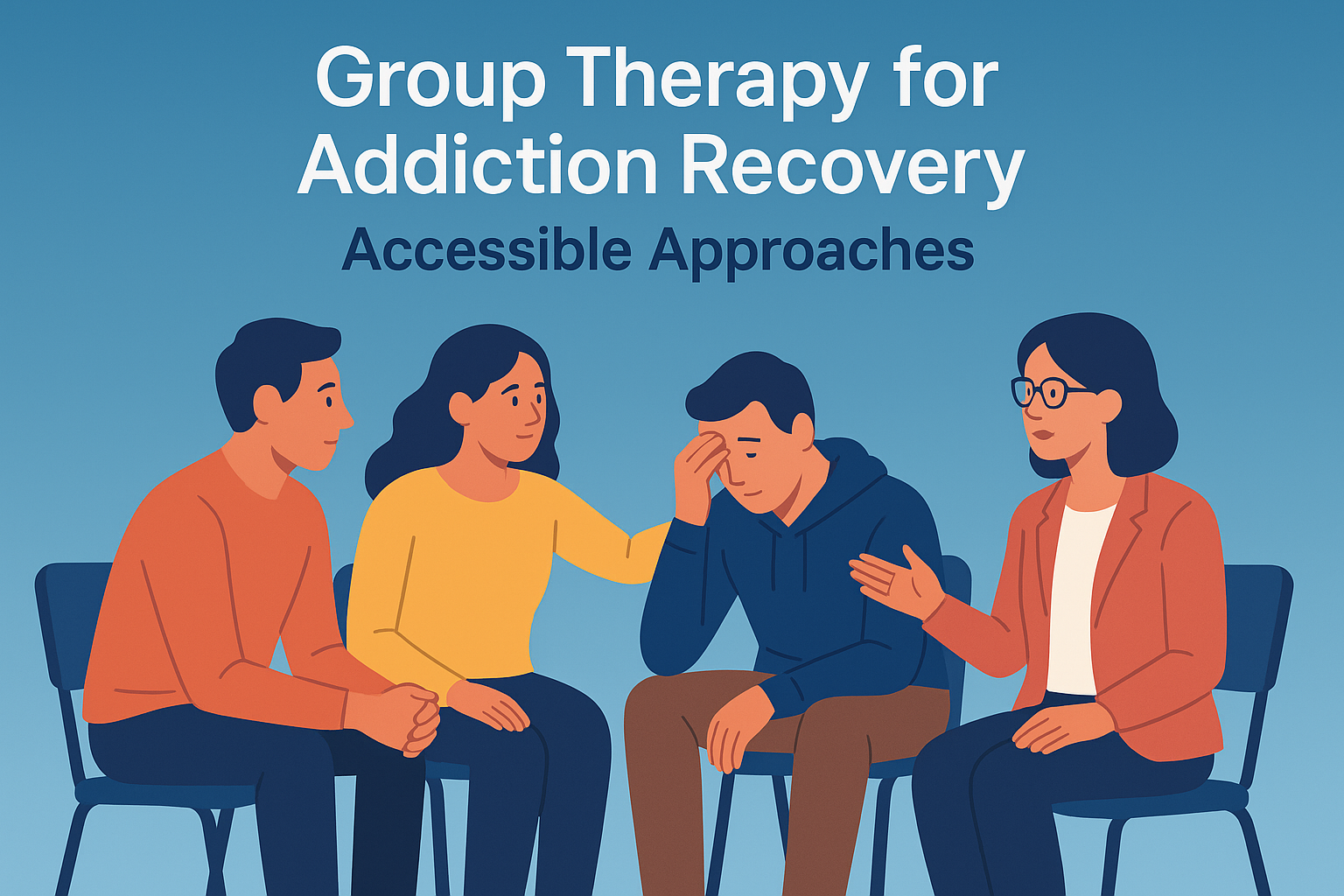
Group therapy has long been a cornerstone in addiction recovery, celebrated for its ability to foster community, accountability, and a shared sense of direction among participants. But what exactly does group therapy entail, and why is it so important for those struggling with addiction? At its core, group therapy is a form of psychotherapy in which one or more therapists work with several individuals simultaneously. In the context of addiction, these groups offer a safe space for sharing experiences, learning from others, and developing coping strategies. This approach matters because addiction recovery is not merely a personal journey; it is profoundly social and requires the support and understanding of others who have walked a similar path.
The concept of group therapy underscores the importance of communal healing. Unlike individual therapy sessions, which are one-on-one, group therapy provides individuals with a sense of community, reducing feelings of isolation and loneliness that often accompany addiction. Moreover, it offers a diverse range of perspectives, enabling members to learn from each other’s victories and setbacks. This collective wisdom often results in more effective problem-solving and encourages the sharing of practical advice.
For those in the deaf community, accessibility remains a pivotal concern in engaging with group therapy. Ensuring that these therapeutic sessions are inclusive and considerate of different communication needs, such as the provision of sign language interpreters or use of captioning, is vital. Not only does it make therapy more accessible, but it also honors the diversity and inclusivity that group therapy inherently champions. When therapy groups are more representative of the communities they aim to serve, the therapeutic experience is enriched, providing more relevant and relatable support for all its members.
Different Models of Group Therapy
Group therapy takes various forms, each tailored to different needs and goals. The most common models include Cognitive Behavioral Therapy (CBT) groups, 12-step programs, and skills development groups. Each model focuses on distinct therapeutic strategies and philosophies but shares the core element of group support.
CBT groups are designed to help individuals identify and change negative thought patterns that lead to addictive behaviors. In these groups, participants learn to challenge harmful thoughts and replace them with healthier alternatives. A real-world example is a CBT group focusing on alcohol addiction. Here, members might work together to identify triggers for alcohol use and collaborate on creating strategies to avoid these triggers or address them when they arise. Emphasizing cognitive restructuring, CBT groups empower participants to alter their perceptions and beliefs in a supportive environment, promoting lasting change.
12-step programs, such as Alcoholics Anonymous (AA) or Narcotics Anonymous (NA), have become synonymous with group therapy for addiction recovery. These programs emphasize spiritual development, self-reflection, and a shared commitment to sobriety. Participants are encouraged to follow a step-by-step journey towards recovery while being supported by the group. A key aspect of these programs is sponsorship, where a more experienced member guides a newer member through the steps, offering personal insights and support drawn from their own recovery experiences. The structure and accountability these programs provide can be especially comforting for those seeking direction and companionship in their recovery.
Skills development groups are another form of group therapy focused on equipping members with practical tools to handle everyday life without resorting to addictive substances. These sessions often include workshops on communication skills, stress management, and emotional regulation. Consider a skills development group that includes role-playing exercises to help members practice refusing drugs in social situations. By simulating real-life scenarios, these groups offer invaluable rehearsal that builds confidence and preparedness.
Below is a simplified table outlining these group therapy models, illustrating their key components and purposes:
| Group Therapy Model | Key Components | Purpose |
|---|---|---|
| Cognitive Behavioral Therapy (CBT) | Identify negative thoughts, cognitive restructuring | Change thought patterns to influence behavior |
| 12-Step Programs | Spiritual development, peer sponsorship | Personal growth and accountability |
| Skills Development | Role-playing, practical skill training | Equip with tools for daily challenges |
Benefits and Challenges of Group Therapy
Participating in group therapy provides numerous advantages, including the validation of personal experiences and the reinforcement of social support networks. In the journey to recovery, hearing others articulate their struggles can de-stigmatize personal battles, offering validation that members are not alone in their experiences. This validation can be especially comforting for those who feel their struggles are unique.
An important benefit is the development of social empathy. As individuals listen to others’ stories and contribute their insights, they cultivate a greater understanding and empathy towards themselves and others. This empathy helps dismantle self-critical attitudes and promotes a compassionate approach to self-care and personal growth.
However, group therapy is not without its challenges. Establishing trust within a group setting can be difficult, especially when members are encouraged to share deeply personal information. Facilitators must create a safe and confidential environment to address this challenge, where discretion is upheld, and mutual respect is emphasized.
Consider a group therapy session where a member struggles to share due to fear of judgment. Skilled facilitators are critical in drawing out participation by gently encouraging sharing and reinforcing the confidentiality agreement amongst the group. The balance between encouraging openness and maintaining boundaries is delicate but crucial for fostering a productive therapeutic environment.
Accessibility for the Deaf Community
The therapeutic environment must be inclusive to be truly effective. For the deaf community, this means ensuring that communication requirements are met. Sign language interpretation and visual aids such as written materials or captions during video components are essential. Adaptations must extend beyond simple accommodation; they should reflect a commitment to comprehensive accessibility.
Several therapy groups have successfully integrated accessibility features. A prominent example is a community-based therapy program that offers video group sessions with real-time captioning and the presence of interpreters. By doing so, the program not only broadens its reach but also enhances the quality of interaction, making it engaging and inclusive for all participants.
Accessibility in group therapy sessions not only fulfills legal obligations but embodies the spirit of therapeutic inclusivity, where every member feels seen, heard, and valued. By adopting an ‘accessibility-first’ mindset, group therapy settings can be a model of inclusivity, reflecting the diversity and richness of the communities they serve.
Summarizing the Path Toward Inclusive Recovery
In conclusion, group therapy remains a vital tool in addiction recovery, providing a unique blend of communal support, personal growth, and behavioral transformation. The effectiveness of group therapy lies in its ability to harness the collective experiences of its members, offering diverse perspectives and shared wisdom. By exploring different models such as CBT, 12-step programs, and skills development groups, individuals can find the approach best suited to their needs.
Accessibility, particularly for the deaf community, is paramount in ensuring that these therapeutic opportunities are available to all. By recognizing and addressing communication barriers, therapy groups can become truly inclusive spaces that honor the diversity of their participants. Such environments not only comply with accessibility standards but elevate the therapeutic experience by providing a richer, more meaningful interaction.
The ultimate takeaway from group therapy for addiction recovery is simple yet profound: recovery is a shared journey, and its success is amplified when we walk it together. As we strive towards inclusive practices, the path to recovery becomes more accessible and supportive for everyone involved. For anyone considering group therapy, now is the time to seek out these supportive communities, embrace their therapeutic potential, and embark on the path to recovery. Whatever your circumstances, there is a group ready to support you in your journey.
Your Next Step: Reach out to local addiction recovery centers, inquire about their group therapy offerings, and consider joining a session. Whether you are exploring group therapy for the first time or returning to a familiar support system, remember that connection and community are powerful allies in your recovery journey.
Frequently Asked Questions
What is the Purpose of Group Therapy in Addiction Recovery?
Group therapy plays a pivotal role in addiction recovery due to its ability to create a supportive and therapeutic environment. Its primary purpose is to provide individuals struggling with addiction a communal setting where they can share their experiences, challenges, and successes with others who understand what they’re going through. This approach not only fosters a sense of belonging and community but also facilitates peer support, encouragement, and accountability.
In group therapy, participants are encouraged to openly discuss their struggles, listen to different perspectives, and learn from collective experiences. This shared platform allows individuals to recognize they are not alone in their journey, which is crucial for diminishing feelings of isolation often associated with addiction. By offering a mix of emotional support and constructive feedback, group therapy cultivates a nurturing atmosphere where personal growth and recovery can flourish.
Additionally, the guidance of one or more skilled therapists enhances the effectiveness of the group by maintaining focus, providing psychoeducation, and helping the group develop healthy coping mechanisms and strategies to maintain sobriety.
Why is Group Therapy an Effective Approach for Addiction?
Group therapy is considered an effective approach for addiction recovery for various reasons. One significant aspect is its ability to leverage the power of peer influence. When individuals witness the recovery journey and success of others, it instills hope and motivation, encouraging them to persist through their challenges. Seeing others overcome similar battles can ignite a belief in personal change and resilience.
Furthermore, the group dynamic offers a unique opportunity for feedback and confrontation in a safe and structured way. Members can provide insight into each other’s behaviors, offer support, and challenge each other’s distorted beliefs related to addiction. This collective input often helps group members gain new understanding and perspectives that might not emerge in individual therapy.
Moreover, the diversity within a group exposes participants to various coping strategies and solutions, allowing them to adopt practices that suit their individual needs. Therapists can also introduce therapeutic tools like cognitive-behavioral techniques, relapse prevention strategies, and stress management skills within the group setting, enhancing their communal learning experience.
How Does Group Therapy Enhance Accessibility in Addiction Treatment?
Group therapy increases accessibility in addiction treatment through its inherent capacity to accommodate multiple participants simultaneously. This approach helps dissolve barriers related to cost and therapist availability, making therapy more accessible to a wider range of individuals who might otherwise be unable to afford or find individual therapy.
Due to the nature of group settings, sessions can often be conducted at lower costs compared to one-on-one therapy, as the therapist’s time and resources are shared among several individuals. This economic viability makes it a practical choice for many treatment facilities and programs, thereby broadening the reach and impact of therapeutic services.
Additionally, group therapy sessions are typically offered during various times and formats (e.g., in-person, online, large groups, small groups) to meet diverse needs and schedules. This flexibility ensures that more people can engage in consistent, supportive networks crucial for long-term recovery without the logistical constraints often associated with individual therapy sessions.
What Are Some Common Themes Addressed in Group Therapy for Addiction?
In group therapy for addiction, several recurring themes are discussed, which are central to the recovery process. Some common themes include dealing with triggers and cravings, developing healthy coping mechanisms, repairing relationships, and managing emotions without reliance on substances.
Participants frequently explore the impact of addiction on their lives, identifying how it has affected their relationships, self-esteem, and decision-making. Through group discussions, individuals can process feelings of guilt, shame, or anger and learn effective ways to cope with and express these emotions constructively.
Setting personal goals and creating relapse prevention plans are also key themes. Group members encourage each other to set achievable goals and hold one another accountable, celebrating small victories along the way. Relapse prevention strategies help participants anticipate potential triggers and prepare in advance, equipping them with tools to maintain their sobriety.
Additionally, many groups focus on strengthening communication skills and building healthy relationships. Engaging in role-playing exercises and practicing assertiveness can empower individuals to rebuild trust and seek support from their social networks outside the group.
What Can Participants Expect During a Group Therapy Session for Addiction Recovery?
Participants in a group therapy session for addiction recovery can expect a structured environment facilitated by one or more therapists who guide the discussion and ensure a safe space for all members. Sessions typically begin with an introduction or check-in, where participants share updates about their week, successes, challenges, or urgent issues they want to discuss.
Throughout the session, therapists may introduce a specific topic or theme related to addiction recovery, encouraging an open dialogue among group members. These discussions could involve sharing personal stories, reflecting on past experiences, or role-playing scenarios to practice new skills.
A crucial element of these sessions is the emphasis on peer support. Participants often receive feedback and encouragement from one another, fostering a sense of solidarity and trust. The therapist carefully moderates these interactions to ensure they remain supportive and constructive.
Towards the end of the session, therapists might summarize key points or insights gained during the meeting, and participants may share their takeaways or set goals for the upcoming week. Many groups end the session on a positive note, reaffirming their commitment to recovery and supporting one another’s journey.