
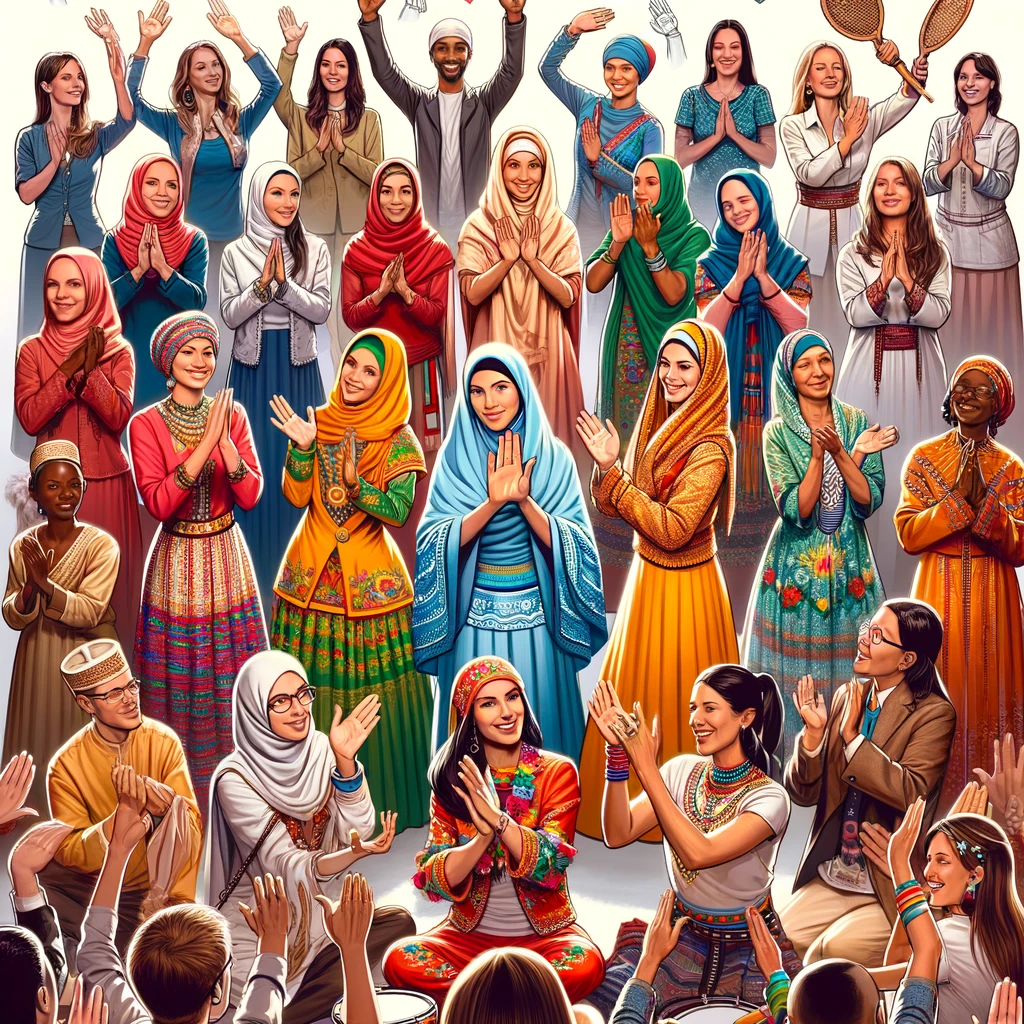
International Women’s Day is a time to celebrate the remarkable achievements of women worldwide. It’s an opportunity to recognize the unique journeys and contributions of Deaf women, who navigate a world often designed without them in mind. Their stories of resilience, empowerment, and success are not just inspiring but also instrumental in shaping a more inclusive society. This article explores the lives and achievements of Deaf women globally, underscoring their impact and the ongoing fight for equality.
Early Pioneers and Their Legacy
The history of Deaf education and empowerment is rich with stories of pioneering women. One such figure is Helen Keller, who, despite losing her sight and hearing at a young age, became an iconic advocate for people with disabilities. Her legacy paved the way for future generations of Deaf women to pursue education and advocate for their rights.
In different parts of the world, other Deaf women have also left their mark. For instance, in Europe, Emmanuelle Laborit, a French actress, became the first Deaf person to receive the prestigious Molière Award, showcasing the capabilities of Deaf individuals in the arts. These early pioneers set the stage for today’s Deaf women to break barriers in various fields.
Current Global Leaders and Influencers
Today, Deaf women continue to make significant strides in various sectors. In academia, Dr. Carol Padden, a Deaf linguist, has made groundbreaking contributions to the understanding of sign languages and Deaf communities. Her work has provided invaluable insights into how language shapes culture and identity.
In the political arena, Deaf women like Haben Girma, the first Deafblind graduate of Harvard Law School, advocate for disability rights, emphasizing the importance of accessibility and inclusion in education and employment. These leaders not only represent the Deaf community but also champion the cause of women worldwide.
Challenges and Triumphs in Education and Employment
Despite their achievements, Deaf women often face unique challenges in education and employment. Access to quality education, especially in developing countries, remains a significant barrier. Many Deaf girls do not have access to schools that accommodate their needs or provide education in sign language, hindering their academic and personal development.
However, there are triumphs amidst these challenges. Organizations and schools around the world are increasingly recognizing the importance of inclusive education. For example, the Deaf Reach Program in Pakistan provides education and job training to Deaf individuals, with a strong emphasis on empowering Deaf girls and women.
Advancing Technology and Accessibility
Technology plays a pivotal role in empowering Deaf women. Innovations like video relay services, captioning, and sign language recognition software have opened new avenues for communication and participation in society. These technologies not only aid in personal development but also foster greater inclusivity in the workplace and community.
Social media has also emerged as a powerful platform for Deaf women to share their experiences and advocate for change. Deaf influencers and vloggers use these platforms to raise awareness about Deaf culture and issues, challenging stereotypes and promoting a more inclusive view of disability.
Cultural Perspectives and Deaf Identity
Deaf culture is rich and diverse, with sign languages and traditions varying across the world. Deaf women play a crucial role in preserving and promoting this culture. They teach sign language, share stories, and organize community events, ensuring that Deaf heritage is celebrated and passed down through generations.
The intersection of gender and disability also shapes the experiences of Deaf women. They navigate a world that often overlooks their unique perspectives, advocating not just for disability rights but also for gender equality. Their contributions are vital in creating a society that values diversity and inclusivity.
Global Movements and Advocacy
International organizations and movements have also contributed to the empowerment of Deaf women. The World Federation of the Deaf and the United Nations Convention on the Rights of Persons with Disabilities (CRPD) are instrumental in advocating for the rights and inclusion of Deaf individuals. These efforts have led to policy changes and increased awareness of the needs and potential of Deaf women.
Local advocacy groups, often led by Deaf women, work tirelessly to ensure that their voices are heard. They fight for equal access to healthcare, education, and employment, striving to break down barriers and create opportunities for future generations.

Empowerment through Community and Support Networks
Empowerment for Deaf women often begins in communities and support networks. These groups provide a sense of belonging, understanding, and shared experience, vital for personal and professional growth. In many countries, Deaf women’s associations play a crucial role in advocating for rights, providing education, and creating a support system. These organizations are not just support groups; they are powerful platforms for change, enabling Deaf women to unite and make their voices heard.
For instance, in the United States, the Deaf Women United organization offers a space for Deaf women to collaborate and support each other. Similar organizations exist globally, each tailored to the unique cultural and social context of their regions. Through these networks, Deaf women find mentorship, friendship, and opportunities to develop leadership skills.
The Role of Arts and Creativity
The world of arts and creativity has seen a significant contribution from Deaf women. From visual arts to performance, Deaf women use creative expression to tell their stories, challenge perceptions, and bring visibility to the Deaf community. Deaf artists like Christine Sun Kim use their work to explore the complexities of communication and identity, bridging the gap between the Deaf and hearing worlds.
In film and media, Deaf actresses and filmmakers are gaining recognition, showcasing the richness of Deaf culture and the versatility of sign language as a medium of storytelling. These artistic endeavors not only entertain but educate and provoke thought, highlighting the unique experiences of Deaf women.
Educational Initiatives and Scholarships
Educational initiatives and scholarships specifically for Deaf women are crucial in leveling the playing field. Organizations and institutions are increasingly acknowledging the need for targeted support to help Deaf women pursue higher education and professional training. Scholarships, mentorship programs, and inclusive educational policies are key to ensuring that Deaf women have the same opportunities for academic achievement and career development as their hearing counterparts.
Such initiatives not only benefit individual women but also have a broader societal impact. Educated and empowered Deaf women become role models and leaders in their communities, inspiring the next generation to aspire to greater heights.
Championing Policy Change and Inclusion
Policy change is fundamental in creating an environment where Deaf women can thrive. Advocates and activists work tirelessly to ensure that legislation considers the needs of Deaf individuals, particularly in areas of accessibility, healthcare, and employment. These efforts are crucial in dismantling systemic barriers that Deaf women face.
In many countries, policy changes have been a direct result of advocacy by Deaf women. Their firsthand experiences and expertise are invaluable in shaping laws and practices that are truly inclusive. This ongoing work not only benefits Deaf women but also contributes to a more equitable society for all.
Looking Forward: The Future for Deaf Women
The future holds promise for Deaf women worldwide. With increased awareness, technological advancements, and a growing network of support, opportunities for Deaf women are expanding. The continued push for inclusive policies, education, and employment will further open doors for young Deaf women aspiring to various careers.
As we embrace a more inclusive future, the stories of Deaf women’s resilience, creativity, and leadership will continue to inspire and shape our world. Their contributions remind us that diversity is a strength and that every individual, regardless of their hearing status, has the potential to make a lasting impact.
Conclusion
Celebrating International Women’s Day is not just about acknowledging the achievements of Deaf women; it’s about recognizing their integral role in the tapestry of human diversity. Deaf women, through their unique experiences, enrich our communities and contribute profoundly to our collective progress. As we honor these women, we reaffirm our commitment to a world where every woman, Deaf or hearing, is empowered to realize her full potential. The journey of Deaf women around the world is a testament to the power of resilience, community, and the unyielding pursuit of equality. Their legacy is not just in what they have overcome but in the paths they have paved for future generations.