
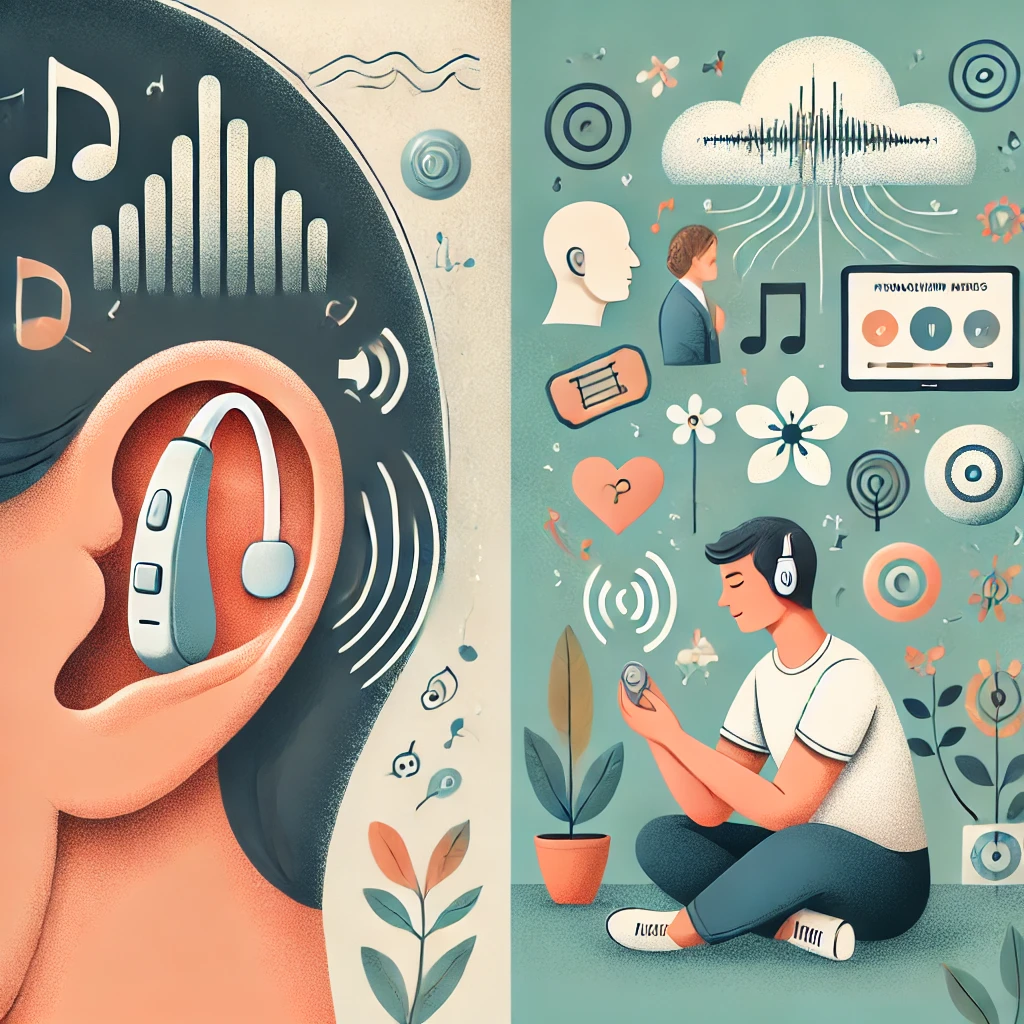
The impact of hearing loss and tinnitus extends beyond just the immediate sensation of reduced auditory perception or persistent noise. These conditions can profoundly affect an individual’s overall well-being, including emotional health, social engagement, and daily functioning. Fortunately, there are numerous practical tools and techniques available to manage these conditions, minimize discomfort, and improve quality of life. In this comprehensive guide, we will explore these strategies in detail, providing valuable insights and actionable advice for those dealing with hearing loss and tinnitus.
Introduction
Hearing loss and tinnitus are common conditions that affect millions of people worldwide. Hearing loss can range from mild to profound, and often results in difficulty understanding speech, particularly in noisy environments. Tinnitus, characterized by a persistent ringing, buzzing, or hissing sound in the ears, can be equally distressing and may accompany hearing loss or stand alone. The impact of these conditions extends beyond the auditory system, often leading to frustration, social isolation, and decreased quality of life. However, with the right tools, techniques, and support, individuals can effectively manage these conditions and improve their overall well-being.
Seeing how pervasive and impactful hearing loss and tinnitus can be, raising awareness and educating people on effective management strategies is crucial. This includes not only providing coping mechanisms but also promoting preventive measures and encouraging early intervention. In this article, we will delve into various methods of managing hearing loss and tinnitus, including assistive technologies, auditory therapies, lifestyle modifications, and more. These approaches aim to reduce discomfort, enhance communication, and improve daily functioning for those affected.
Understanding Hearing Loss and Tinnitus
Before discussing the management strategies, it’s important to understand the nature of hearing loss and tinnitus. Hearing loss can be classified into three primary types: conductive, sensorineural, and mixed. Conductive hearing loss involves problems with the outer or middle ear that impede sound transmission to the inner ear. Sensorineural hearing loss, the most common type, is caused by damage to the inner ear or the auditory nerve. Mixed hearing loss is a combination of both conductive and sensorineural loss.
Tinnitus, on the other hand, is not a disease but a symptom that can result from various underlying conditions, including hearing loss, ear infections, exposure to loud noises, and even certain medications. The severity and type of tinnitus can vary widely, with some individuals experiencing intermittent sounds and others enduring constant noise. Though often associated with hearing loss, tinnitus can also occur in individuals with normal hearing.
Given the diverse causes and manifestations of hearing loss and tinnitus, tailoring management strategies to the individual’s specific condition and needs is essential. This personalized approach ensures that interventions are both effective and sustainable, leading to better outcomes in terms of comfort and well-being.
Assistive Technologies
One of the most effective ways to manage hearing loss is through the use of assistive technologies. Hearing aids are the most common and can significantly improve communication and overall quality of life. Modern hearing aids come in various styles and are equipped with advanced features such as noise reduction, directional microphones, and Bluetooth connectivity. These devices can be customized to the user’s specific hearing loss pattern, ensuring optimal performance.
Cochlear implants are another option for individuals with severe to profound sensorineural hearing loss. Unlike hearing aids, which amplify sound, cochlear implants directly stimulate the auditory nerve, providing a sense of sound for those who do not benefit from conventional hearing aids. This technology has shown to be life-changing for many users, enabling them to engage more fully in social and professional activities.
Other assistive devices, such as FM systems, alerting devices, and captioned telephones, can also enhance communication and safety. FM systems use radio signals to transmit sound directly from a microphone worn by a speaker to a receiver worn by the hearing-impaired individual. This is particularly useful in educational settings, meetings, and noisy environments. Alerting devices use visual, auditory, or tactile signals to notify individuals of important sounds, such as doorbells, alarms, and phone calls. Captioned telephones display spoken words as text on a screen, making phone conversations more accessible for those with hearing loss.
Auditory Therapies
In addition to assistive technologies, auditory therapies can be beneficial for managing both hearing loss and tinnitus. Aural rehabilitation, also known as auditory training, focuses on enhancing listening skills, speech reading, and communication strategies. This therapy can help individuals make the most of their residual hearing and improve their ability to understand speech, particularly in challenging listening environments.
Tinnitus retraining therapy (TRT) is a specific type of auditory therapy designed to help individuals habituate to the sounds of tinnitus. TRT combines sound therapy, which uses low-level background noise to mask tinnitus sounds, with directive counseling to address the patient’s emotional response to tinnitus. Over time, this approach can reduce the perceived intensity of tinnitus and improve the individual’s ability to cope with it.
Cognitive-behavioral therapy (CBT) is another valuable therapeutic approach for tinnitus management. CBT helps individuals change negative thought patterns and behaviors associated with tinnitus, reducing distress and improving quality of life. This therapy can be particularly effective when combined with other tinnitus management strategies, such as sound therapy and relaxation techniques.
Lifestyle Modifications
Adopting certain lifestyle changes can also play a crucial role in managing hearing loss and tinnitus. Maintaining a healthy diet and staying physically active can positively impact overall health and well-being, which, in turn, can help manage these conditions. For example, reducing sodium intake may help prevent fluid retention in the ears, which can exacerbate tinnitus symptoms.
Stress management is another important aspect of managing hearing loss and tinnitus. Chronic stress can worsen both conditions, making relaxation techniques such as mindfulness meditation, deep breathing exercises, and yoga beneficial. These practices can help individuals calm their minds, reduce anxiety, and improve their overall sense of well-being.
Avoiding exposure to loud noises is also crucial in preventing further hearing damage and minimizing tinnitus symptoms. This can be achieved by wearing ear protection in noisy environments, limiting the use of headphones and earphones, and keeping the volume at safe levels. It is also advisable to have regular hearing check-ups to monitor any changes in hearing and address issues promptly.
Communication Strategies
Effective communication plays a significant role in managing hearing loss and improving social interactions. Individuals with hearing loss can benefit from using various communication strategies to enhance their ability to understand and be understood. Simple techniques such as facing the speaker, asking for repetition or clarification, and using visual cues can make a big difference in conversations.
For those around individuals with hearing loss, adopting clear and supportive communication practices is also essential. This includes speaking slowly and clearly, maintaining eye contact, and avoiding background noise during conversations. Encouraging the use of assistive listening devices during group discussions and meetings can also help ensure that everyone is included and able to participate effectively.
Additionally, learning and using sign language can be a valuable communication tool for individuals with severe hearing loss. American Sign Language (ASL) is one of the most widely used sign languages in the United States and can facilitate effective communication within the Deaf and hard of hearing community. Offering sign language classes can also promote greater inclusion and understanding among family members, friends, and co-workers.
Support Networks and Resources
Building a strong support network is crucial for individuals managing hearing loss and tinnitus. Support groups, both in-person and online, provide a platform for sharing experiences, exchanging tips, and offering emotional support. Connecting with others who face similar challenges can reduce feelings of isolation and provide practical insights into managing daily life with hearing loss or tinnitus.
Numerous organizations and resources are available to support individuals with hearing loss and tinnitus. Organizations such as the Hearing Loss Association of America (HLAA) and the American Tinnitus Association (ATA) offer a wealth of information, resources, and advocacy efforts aimed at improving the lives of those affected by these conditions. They also provide access to educational materials, research updates, and support groups, helping individuals stay informed and connected.
In addition to support groups and advocacy organizations, seeking professional help from audiologists, hearing specialists, and mental health professionals can provide valuable guidance and specialized care. Regular consultations with these professionals can help individuals manage their conditions more effectively and make informed decisions about treatment options and management strategies.
Conclusion
Managing hearing loss and tinnitus requires a multifaceted approach that encompasses assistive technologies, auditory therapies, lifestyle modifications, effective communication strategies, and robust support networks. By leveraging these tools and techniques, individuals can minimize discomfort, enhance communication, and improve their overall well-being.
It is essential to recognize that the journey to managing hearing loss and tinnitus is deeply personal and may require a tailored approach to meet individual needs. Staying informed, seeking professional guidance, and building a strong support network are key elements in this journey. As awareness and understanding of these conditions continue to grow, so too will the availability of resources and innovations designed to support those affected.
Ultimately, the goal is to empower individuals with hearing loss and tinnitus to lead fulfilling, engaged lives. By adopting a proactive and comprehensive approach to management, we can help ensure that everyone has the opportunity to thrive, regardless of their hearing abilities.