
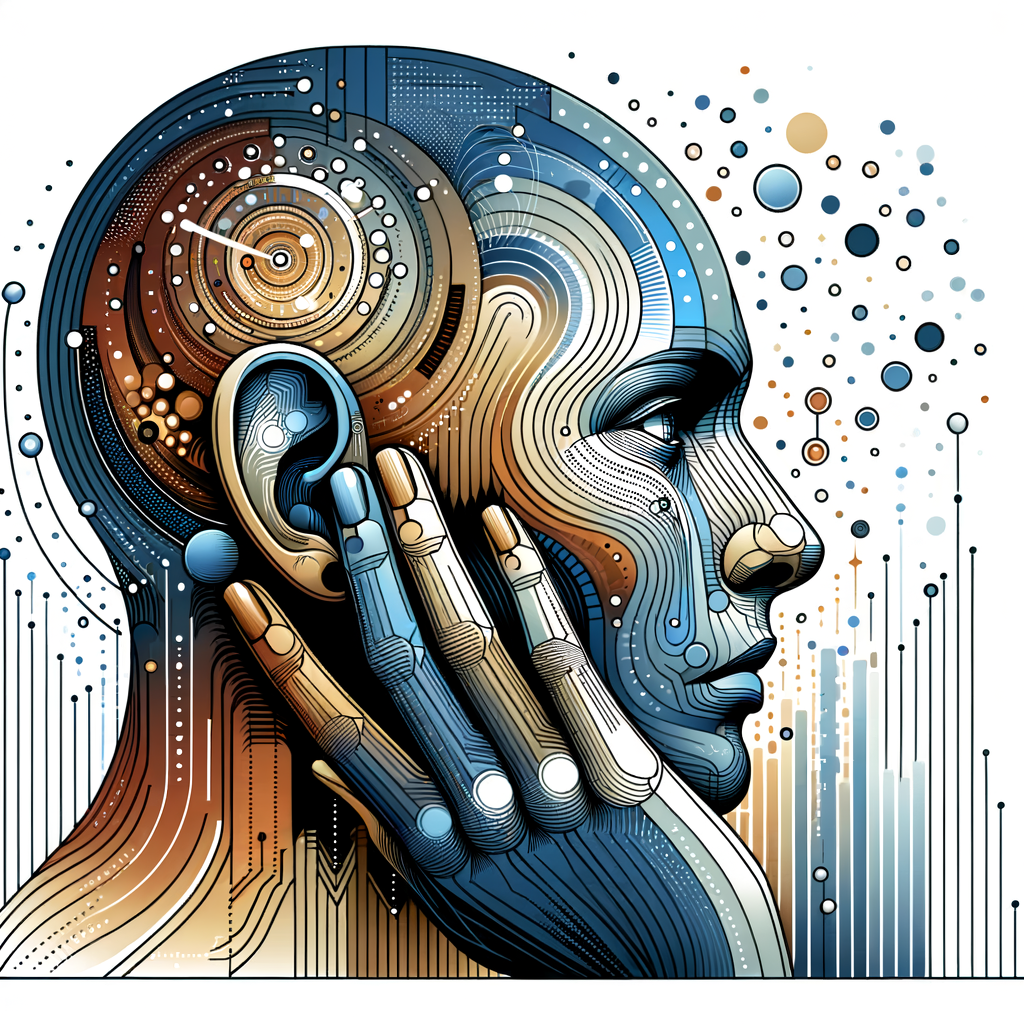
Digital communities have become a crucial part of contemporary culture, especially as online interaction continues to evolve and expand. Among these vibrant spaces are those uniquely catering to the needs and interests of the deaf community. For many deaf individuals, the formation of identity is a complex journey, influenced by personal experiences, societal frameworks, and more recently, digital platforms. Online communities have become pivotal in shaping how deaf people view themselves, their culture, and their identity. In exploring these digital environments, we can gain a deeper understanding of their influence on deaf identity formation. This transformation is significant as it occurs within the interactive realms of forums, social media platforms, and specific websites designed to foster communication and community for the deaf. By examining these elements, we aim to uncover the profound interaction between digital spaces and deaf identity.
The importance of such digital arenas is deeply rooted in the history of deaf culture and advocacy. Historically, deaf individuals have fought for recognition, rights, and the acknowledgment of their unique culture. Physical communities, deaf schools, and clubs have long offered spaces for connection and cultural affirmation. However, the advent of digital connectivity presents unprecedented opportunities for interrelation and support, transcending geographical barriers and providing access to a broader audience and community. It is within these digital boundaries that deaf identity continues to grow, evolve, and become more visible. As this transformation unfolds, it is worth unraveling the intricacies of how digital community involvement contributes to, and sometimes redefines, deaf identity. This exploration also reflects on broader societal implications and the ongoing pursuit of inclusivity.
The Role of Digital Communities in Shaping Deaf Identity
The role of digital communities in shaping identity is multi-faceted. For deaf individuals, these platforms not only provide a means of communication but also serve as spaces for cultural exchange and advocacy. Digital communities offer deaf individuals platforms for sharing experiences, learning from peers, and connecting with like-minded individuals across the globe. These interactions contribute significantly to personal identity formation, creating a sense of belonging and cultural pride.
Social media platforms such as Facebook, Twitter, and Instagram have given rise to communities that share information about deaf culture and language. Deaf individuals often use these platforms to exhibit sign language, share personal stories, and engage in discussions about deaf identity and challenges. These interactions can validate personal experiences and feelings, fostering a stronger, more unified sense of identity among participants. The sharing of personal stories is particularly impactful, allowing individuals to resonate with others’ experiences and cultivate a sense of solidarity and shared identity.
Specific online communities and forums where the primary language is sign language play an essential role in making sign language more visible and accessible. For instance, platforms like The Limping Chicken and the World Federation of the Deaf offer content tailored to deaf audiences, sharing news, advocacy strategies, and cultural narratives that affirm deaf identity. Through these platforms, deaf individuals can see themselves and their culture reflected, fostering a strong sense of pride and belonging.
Challenges and Sensitivities in Online Deaf Communities
While digital communities hold immense potential for positive identity formation, they also present challenges and sensitivities. Notably, not all online environments are inclusive or tailored specifically towards the needs of the deaf community, which can sometimes result in instances of miscommunication or exclusion. The predominance of auditory-based content, such as video calls without captions or audio-based social media interactions, often leaves deaf individuals on the sidelines.
To navigate these challenges, many digital platforms have integrated inclusivity measures, such as captioning services and interpretation features, to better serve the deaf community. Nevertheless, these adaptations are not universally adopted, which can lead to feelings of marginalization. Moreover, the digital divide—where access to technology itself can be a barrier—means that not all deaf individuals can benefit equally from these online environments. Access issues can arise, especially in regions where internet infrastructure or resources are limited.
Furthermore, the diversity within the deaf community itself adds another layer of complexity. Not all deaf individuals identify with the mainstream definitions and boundaries of deaf culture. For instance, individuals who are hard of hearing, late-deafened, or who come from varied ethnic and cultural backgrounds, may experience different relationships with digital communities. This plurality highlights the need for digital spaces that are representative of and inclusive to all subsections of the deaf population, embracing their unique narratives and experiences.
Leadership and Advocacy in Digital Deaf Communities
Digital communities are fertile grounds for leadership and advocacy within the deaf community. Numerous deaf individuals have risen as influencers and advocates online, using their platforms to affect change beyond the digital world. These leaders have utilized their online presence to highlight issues, challenge stereotypes, and drive conversations that might not be as accessible in offline contexts.
Influencers like Nyle DiMarco, Marlee Matlin, and others actively engage online audiences and encourage active participation in deaf-related conversations, ranging from accessibility to legislative advocacy. Their reach demonstrates the power of digital presence in advocating for the rights and recognition of the deaf community. Through social media campaigns, video content, and public speeches shared online, they engage broad audiences and build alliances with other representatives and influencers in the disability community.
Advocacy transcends national borders in online platforms, fostering global networks that amplify deaf voices and stories. This unification encourages a dynamic blend of strategies, knowledge sharing, and support, inspiring individuals to champion inclusivity and rights for the deaf on institutional and societal levels. The digital realm offers a stage for these pioneering voices, creating ripples of change that impact offline outcomes and contribute to a more informed and supportive global audience.
Connection and Peer Support in Online Deaf Communities
Connection and peer support lie at the heart of digital communities for deaf individuals, facilitating vital interpersonal relationships among community members. These connections offer reassurance, understanding, and solidarity, particularly crucial for individuals who might otherwise face isolation in their physical environments due to limited local deaf communities.
Online communities allow people from diverse backgrounds to connect over common experiences, learn language together, and share aspects of deaf culture. These interactions can be empowering, especially for younger or newly deaf individuals who might benefit from seeing role models and peers navigating similar life paths and challenges. Peer mentoring programs, virtual meet-ups, and online discussion boards often fulfill these needs, providing platforms where individuals can share advice, support each other’s growth, and celebrate triumphs together.
Moreover, this sense of camaraderie extends beyond mere social connections to offer emotional resiliency in navigating the challenges associated with being part of a minority culture. Participants might find comfort and strength in shared experiences of overcoming adversity or discrimination, fostering a resilient community spirit and a supportive environment that is nurturing both on individual and collective levels. These digital spaces thus embody a significant component of identity formation, granting deaf individuals autonomy in defining and expressing their identity.
Embracing Technology and Future Prospects
As technology advances, the potential for enhanced growth and connection within deaf digital communities is promising. Innovations such as artificial intelligence, virtual reality, and improved communication technologies hold the potential to further revolutionize how deaf individuals interact in digital spaces. AI-driven captioning services, sign language recognition software, and immersive virtual experiences could offer even more accessibility and enriching interactions online.
In the realm of virtual reality, for instance, the possibility of creating spaces where sign language is not only recognized but perhaps where immersive experiences can allow deaf culture to be exhibited in new dimensions could offer unprecedented opportunities for cultural expression and engagement. Technology serves as both a tool and a gateway to fuller inclusion, presenting opportunities to dismantle communication barriers even further.
As we look towards the future, the continued development and implementation of inclusive technologies in digital communities will increasingly matter for identity formation and empowerment. By successfully integrating these innovations, digital spaces can become more inclusive, reflecting diverse languages, cultures, and experiences within the deaf community. The ongoing dialogue and adaptation of technology shape not only how deaf individuals connect with their peers but also how they can engage with the world.
Conclusion
In conclusion, digital communities offer a fertile ground for deaf identity formation, providing spaces where culture, voice, and advocacy can flourish. Through platforms where individuals share experiences, challenges, and triumphs, deaf individuals access a sense of belonging and identity affirmation that transcends geographical and societal barriers. These online interactions allow for a broad exchange of ideas and experiences that recognize and validate the diverse needs within the deaf community.
Despite challenges, the strategies undertaken within these communities to create more inclusive environments exemplify the resilient spirit of advocacy and adaptation. As technology evolves, its impact on enhancing community engagement and accessibility cannot be overstated; indeed, it is poised to further transform digital interaction into a universally inclusive enterprise.
Ultimately, digital communities are not just adjuncts to physical communities but are transformative forces in themselves. They sculpt not only the identity of individuals who are deaf but also influence societal perceptions and interactions with the deaf community. It is through embracing and nurturing these digital environments that broader recognition and appreciation of deaf culture continue to thrive. As these digital landscapes evolve, they hold the promise of greater inclusivity, understanding, and identity expression within the deaf community, enriching the lives of contributors and observers alike.