
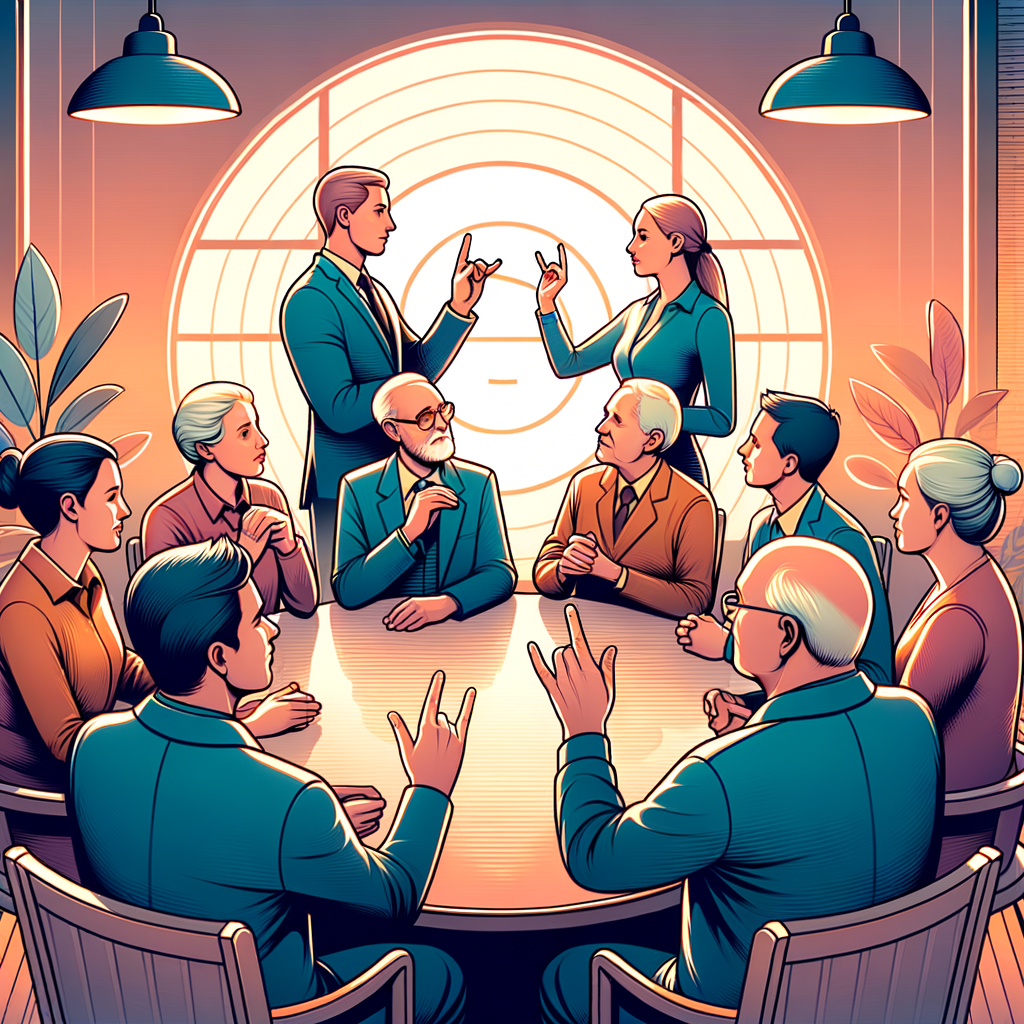
Intergenerational connection in Deaf culture is a pivotal aspect that shapes the identity and continuity of the community. Unlike hearing communities where age often dictates separation in cultural experiences and interactions, Deaf culture embraces the bridging of generational gaps as a way to preserve and promote unique cultural attributes. This connection not only ensures the transmission of critical cultural knowledge, including language, history, and shared experiences, but it also strengthens community resilience and helps in advocating for equal rights. The intertwining of generations fosters an environment where respect for elders and their wisdom becomes integral to the personal and cultural identity formation of younger Deaf individuals. Learning about the history, struggles, and victories of older Deaf generations equips the younger members with a better understanding of their roots and the evolution of their culture. This introduction delves into the significance of this connection and sets the stage for exploring its benefits and challenges within Deaf culture. How does this bridge across generations enhance not only individual growth but also communal solidarity within the Deaf community? As we explore the topic further, we will look at various facets that contribute to this indispensable cultural tapestry.
The Role of Elders in Deaf Culture
Elders in Deaf culture serve as guardians of history and language. They play a critical role by sharing stories and experiences that reflect both individual and collective Deaf experiences. Sign language, particularly American Sign Language (ASL), is a crucial cultural element passed down from one generation to the next. Elders ensure the younger individuals learn and understand ASL’s historical context, fostering a sense of belonging and identity within the community. This language transmission is vital as it connects younger Deaf people to a cohesive and rich history that is both empowering and enlightening. Elders often recount tales of cultural resilience, navigating societal challenges, and personal triumphs that inspire solidarity and perseverance among younger Deaf individuals. By maintaining their language’s purity and evolving form, elders act as custodians who ensure that the narrative remains accurate and authentic. This dynamic is essential for preserving culture and preventing language loss, which has happened in some indigenous communities where generational connections weakened over time.
The Influence of Technology on Intergenerational Interaction
Technology has reshaped the dynamics of intergenerational connection in Deaf culture, making it easier yet more complex in some regards. Technological advancements, such as video calling and social media, have revolutionized communication channels for the Deaf community, providing platforms to connect with older generations who might live far away. Many older Deaf individuals now use social media to share their experiences, historical insights, and language tips with a broader audience. Younger Deaf individuals can access this wealth of knowledge easily, breaking down geographic and physical barriers. Technology has also enabled the documentation of Deaf history and language, creating digital archives that serve as educational resources for all ages. These digital platforms allow the voices of elders to resonate across the community, inspiring collective action and fostering a greater sense of unity. However, technology also presents challenges; younger generations may rely too much on digital communication and miss out on the rich, face-to-face interactions that carry more nuanced language and cultural cues. Understanding body language, facial expressions, and real-time exchanges are crucial components of sign language that require personal interaction, best learned through in-person engagements. Addressing these challenges is essential to maintaining the efficiency and depth of intergenerational connections.
Shared Cultural Values and Practices
Within Deaf culture, shared values and practices unite various generations, creating a distinctive cultural mosaic. Events such as family gatherings, Deaf clubs, and cultural festivals serve as prominent platforms for intergenerational exchange. Here, Deaf individuals regardless of age celebrate their heritage, sharing stories, performing poetry, or exhibiting arts that embody their lived experiences. These gatherings offer invaluable opportunities for younger Deaf individuals to witness firsthand the richness of their cultural history and absorb it in a tangible manner. For instance, the tradition of Deaf storytelling is a deeply rooted cultural practice that blends entertainment with education and identity formation. This practice often involves charismatic storytelling that conveys morals, history, and humor uniquely through sign language. By engaging in such shared cultural experiences, intergenerational bonds are strengthened, ensuring continuity and preservation of cultural values. Moreover, such practices facilitate the learning process for younger Deaf individuals, exposing them to the importance of cultural pride and solidarity. Participation in these shared activities fosters mutual respect and encourages more profound interaction between generations.
Challenges in Bridging Generational Gaps
Despite the evident benefits, bridging generational gaps within Deaf culture does come with certain challenges. As societal norms change, younger Deaf individuals often encounter conflicts between traditional cultural values upheld by their elders and the evolving modern perspectives they encounter. Generational differences are evident in the varying degrees of technology adoption, language use, and cultural perspectives. While older generations may adhere to more traditional sign language structures and cultural practices, younger individuals might prefer contemporary adaptations influenced by current global interactions. These variances could lead to misunderstandings or disagreements regarding how cultural elements should be preserved or evolved. Additionally, accessibility barriers for elders who are less familiar with modern technology can hinder effective communication and knowledge sharing. There may be resistance from some elders to adopt new communication methods, limiting the exchanges that could have been facilitated through digital platforms. Addressing these challenges requires a balanced approach, fostering dialogue and understanding between generations to respect traditions while embracing inevitable change. Encouraging a two-way learning process can help manage this balance, where both older and younger individuals remain open to learning and adapting, thus molding a more coherent cultural fabric.
The Role of Education in Fostering Connections
Education plays a crucial role in promoting intergenerational connections within Deaf culture, acting as a bridge for understanding and respect. Deaf education programs that incorporate cultural elements into their curriculum emphasize the significance of historical and contemporary Deaf studies. By including components such as elder storytelling sessions, history lessons, and involving community elders in educational settings, schools help facilitate deeper intergenerational connections. Encouraging older Deaf individuals to participate as mentors in educational settings further reinforces these bonds. This inclusion provides opportunities for students to learn directly from community elders, fostering respect and appreciation for their cultural heritage. mentorship encourages younger generations to build confidence in their identity, understanding the struggles and achievements that have shaped the Deaf community over time. This shared educational endeavor ultimately helps sustain cultural transmission within the Deaf community, building a unified front that acknowledges the importance of historical context while embracing progressive changes.
Conclusion
In conclusion, the intergenerational connection in Deaf culture is foundational to the community’s identity, resilience, and continuity. It serves as a conduit for transmitting language, history, and values that define the community’s essence. Elders play a crucial role by acting as custodians of culture, sharing their wisdom and stories in ways that inspire and educate younger generations. Despite technological advancements and challenges such as generational differences in cultural perspectives, maintaining these connections remains crucial. Shared values and cultural practices continue to provide avenues for bonding, creating a tapestry rich with history, art, and collective experience that is unique to the Deaf community. Educational systems also play a pivotal role in fostering these connections by integrating cultural education and inviting community elders to participate actively. As the Deaf community continues to navigate the balance between preserving tradition and embracing modernity, respectful intergenerational dialogue will be paramount. Only by honoring and understanding the past through these vital connections can the Deaf community thrive, adapting to future challenges while remaining rooted in its unique cultural identity.