

Fashion is a form of self-expression that resonates across cultures and communities, including those within the Deaf and Hard of Hearing community. In recent years, there has been a significant push towards creating stylish and accessible clothing that not only meets the functional needs of Deaf individuals but also celebrates their unique identity. This article delves into the innovative designs and the thoughtful creators behind Deaf fashion, highlighting how the industry is evolving to be more inclusive.
Understanding the Needs
The intersection of fashion and accessibility primarily focuses on addressing specific needs that can make a big difference. For example, clothing and accessories for Deaf and Hard of Hearing individuals might include features like clear pockets for storing hearing devices, magnetic closures instead of buttons, or customizable areas to accommodate cochlear implants. Moreover, visual cues on clothing can enhance communication, such as graphic tees with sign language or symbols that indicate a person is Deaf or Hard of Hearing.
Design Innovations
Many designers within or connected to the Deaf community are innovating in ways that merge practicality with fashion. Some of the notable advancements include:
- Vibrant Visuals and Sign Language Incorporation: Apparel that features sign language prints or Deaf culture symbols serves as a bold statement of identity and raises awareness. It also fosters a sense of pride and community among wearers.
- Functional Adjustments: Adjustments such as loops inside jacket sleeves for threading cochlear implant wires, or shirts with strategically placed clear panels to allow for lip-reading, are practical innovations that cater specifically to the Deaf and Hard of Hearing.
- Tech-Integrated Clothing: Some tech-savvy designers are embedding technology into clothing, such as haptic feedback systems that convert sound into vibrations. This can help Deaf individuals perceive music or other sounds through touch.
Spotlight on Brands and Designers
Several brands and designers have been leading the charge in Deaf fashion, with both small startups and well-known companies contributing to this niche market. These designers often work closely with Deaf individuals to ensure their products genuinely meet the community’s needs while also pushing the boundaries of style.
- D-PAN (Deaf Professional Arts Network): Known for promoting Deaf and Hard of Hearing artists, D-PAN also offers clothing that stylishly incorporates ASL and Deaf culture.
- ASLized Jeans: A boutique brand that has reimagined denim wear by including features like extra belt loops for securing communication devices and reinforced areas for frequent device use.
- Hearwear: This innovative brand offers a range of accessories that are not only functional but also trendy, including scarves with hidden pockets for hearing devices.
Community and Identity
Fashion serves as a bridge in the Deaf community, connecting people through shared cultural and social expressions. It’s about more than just clothing; it’s about identity, pride, and visibility. Wearing apparel that visibly celebrates Deaf culture or incorporates elements of sign language helps increase visibility and awareness, promoting a deeper understanding and acceptance in the broader society.
Challenges and Opportunities
While there are many advancements, the Deaf fashion market still faces challenges. Availability and affordability can be significant barriers. Moreover, there’s a continuous need for innovation to keep up with technological advancements in hearing devices and communication tools. However, these challenges also present opportunities for upcoming designers and entrepreneurs who wish to make a meaningful impact.
Looking Ahead
As we look to the future, it’s clear that the intersection of fashion and accessibility will continue to evolve. With increasing support from the fashion industry and greater public awareness, the potential for new creations is limitless. Initiatives like fashion shows specifically featuring Deaf models and designers, or workshops aimed at educating the fashion industry about accessibility, are just the beginning.
Deaf fashion is about celebrating Deafness and identity through clothing that speaks to both style and functionality. By continuing to support Deaf designers and brands that focus on accessibility, the fashion industry can play a crucial role in enhancing inclusivity. For Deaf individuals, fashion is not just about how they dress but also about making a statement and being seen. Through clothing, the Deaf community can express their identity proudly and unapologetically.
In a world that often overlooks the needs of those with disabilities, Deaf fashion shines as a beacon of innovation, inclusion, and empowerment. As we continue to spotlight and support these initiatives, we not only celebrate the unique aspects of Deaf culture but also contribute to a more inclusive society.
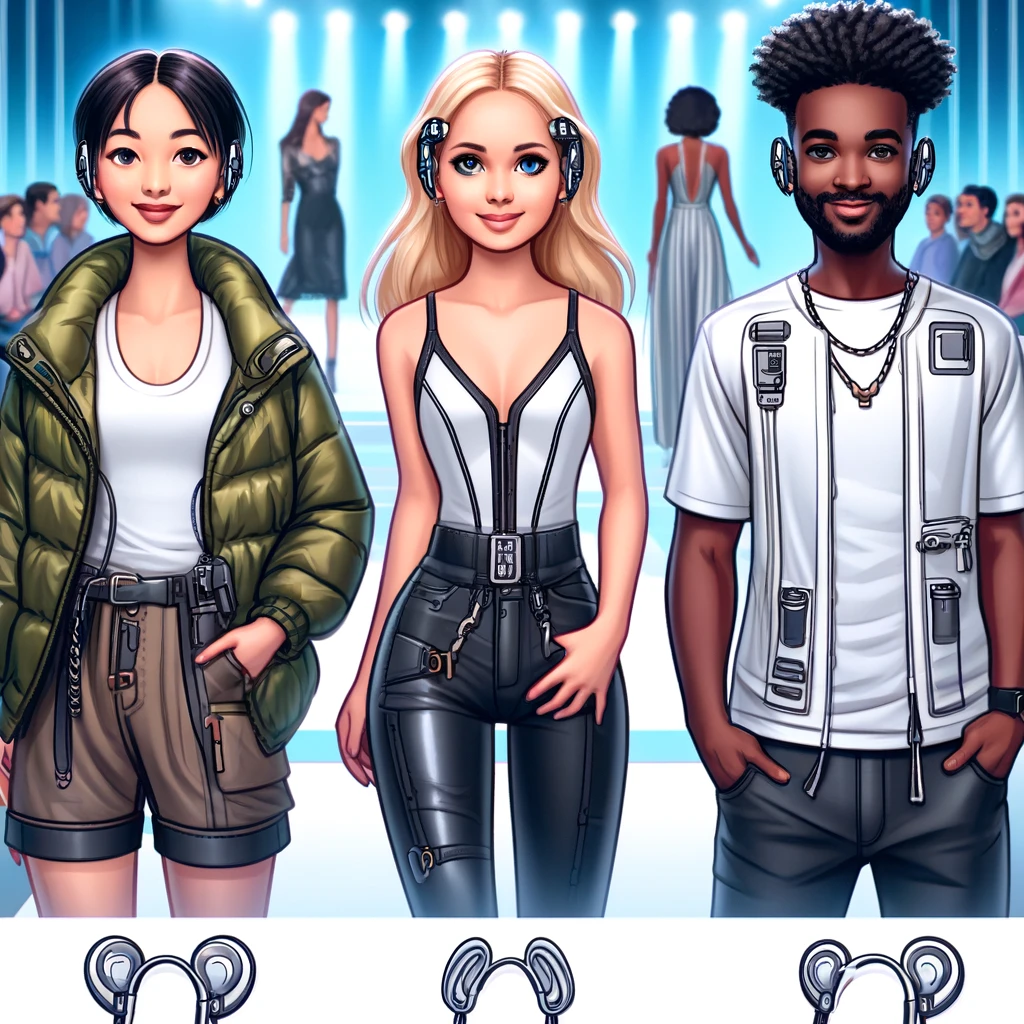
Embracing Deaf Culture in Mainstream Fashion
Inclusion in mainstream fashion is not just about creating specialized products; it’s about integrating Deaf culture into the broader fashion narrative. By incorporating Deaf models in mainstream advertising and fashion shows, the industry can help normalize diversity and promote inclusivity at a larger scale. This visibility is crucial for fostering acceptance and understanding within the general public, and it empowers Deaf individuals by acknowledging their presence in the fashion conversation.
Fashion Education and Deaf Awareness
Education plays a pivotal role in bridging gaps between the Deaf community and the fashion industry. Fashion schools can incorporate courses on accessible design, and workshops can be conducted to teach designers about the specific needs of Deaf individuals. These educational efforts can encourage new designers to think inclusively from the start of their careers.
Collaborations and Partnerships
Collaborations between Deaf designers and established fashion brands can be incredibly effective. These partnerships not only bring fresh perspectives to the design table but also help large brands understand the nuances of Deaf accessibility. For example, a collaboration between a tech company and a fashion label could lead to the creation of a new line of smart clothing that integrates assistive technologies in a stylish and discreet manner.
Influencing Fashion Trends
The influence of Deaf culture on fashion trends is becoming more apparent as the demand for inclusive design grows. Trends such as bold graphics that incorporate sign language, and functional design tweaks like magnetic closures, are becoming more popular. These elements not only serve practical purposes but also make a fashion statement that resonates with both Deaf and hearing audiences.
Support Systems and Community Engagement
Support from the community is crucial for the success of Deaf fashion initiatives. Social media platforms and online communities play a significant role in spreading the word about new designs and collections. Furthermore, events such as Deaf fashion weeks or design competitions can provide platforms for showcasing the creativity and innovation within the Deaf community.
Economic Impact
Investing in Deaf fashion also has an economic aspect. By catering to the Deaf community, brands can tap into a new market segment, driving growth and innovation. The economic incentive can encourage more companies to consider inclusivity in their product lines, leading to greater diversity in the fashion industry.
Personal Stories and Testimonials
Hearing from Deaf individuals themselves about how fashion impacts their lives can be incredibly powerful. Personal stories and testimonials can highlight the challenges faced due to lack of suitable clothing options and the joy of finding apparel that meets both aesthetic and functional needs. These narratives can inspire designers and brands to consider the human aspect behind the garments they create.
Advocacy and Legal Frameworks
Advocacy for Deaf rights and inclusion should also address fashion accessibility. Legal frameworks can be established to ensure that the needs of Deaf individuals are considered in the design and production of clothing. This could include guidelines for accessible fashion or incentives for brands that integrate accessibility into their collections.
Final Thoughts
The journey toward fully inclusive fashion is ongoing, but each step forward is a win for both the Deaf community and the fashion industry at large. As awareness grows and technology advances, the potential for Deaf fashion continues to expand. It’s not just about clothing—it’s about identity, community, and breaking down barriers. With continued support and innovation, the future of Deaf fashion looks bright and promising.
Fashion is more than fabric and trends; it’s a powerful medium for storytelling, culture expression, and personal identity. For the Deaf community, it represents a unique opportunity to challenge perceptions, inspire change, and claim a space in the global dialogue about diversity and inclusion in fashion.