
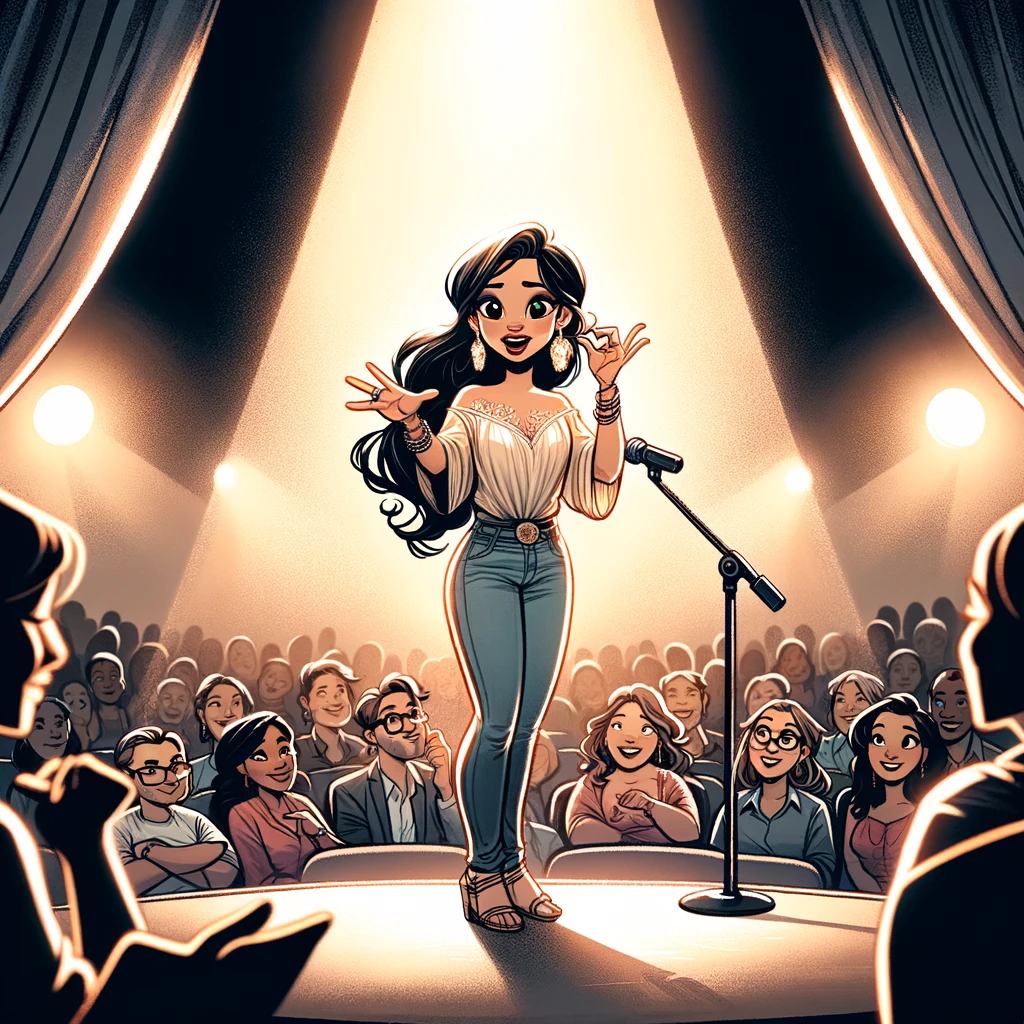
American Sign Language (ASL) is not just a means of communication; it is a vibrant, expressive language that offers a unique medium for artistic and poetic expression. ASL poetry, a distinguished form of performance art, utilizes the visual nature of sign language to create engaging and powerful narratives. This art form emphasizes rhythm, movement, and facial expressions, allowing Deaf poets to convey their thoughts and emotions in ways that spoken language cannot capture.
The Rise of ASL Poetry Slams
ASL poetry slams are events where Deaf poets gather to share their work, compete, and celebrate their culture and identity. These slams are not just competitions; they are vibrant, communal gatherings that foster a sense of belonging and pride within the Deaf community. Here, poets and audiences come together to appreciate the depth and richness of sign language as a form of poetic expression.
Structure and Style in ASL Poetry
In ASL poetry, the structure is often different from spoken word poetry. It may not rely on rhyme or traditional meter, but it is heavily influenced by the use of space, the signer’s body movements, and the facial expressions that are integral to ASL. The visual nature of the language allows for a multidimensional poetic experience. Elements like handshape, movement, location, and orientation (known collectively as the parameters of ASL) are manipulated to create vivid imagery and emotional depth.
Themes in ASL Poetry
ASL poets often tackle themes that resonate deeply within the Deaf community—identity, resilience, struggle, and celebration. Through their performances, poets share personal stories and highlight the shared experiences of Deaf individuals. This not only enriches the community’s cultural tapestry but also challenges and expands the audience’s understanding of Deafness and identity.
The Importance of ASL Poetry in Deaf Culture
ASL poetry slams play a crucial role in promoting and preserving Deaf culture. They provide a platform for expression and innovation within the language and help to pass down traditions, stories, and values from one generation to the next. Moreover, these events are instrumental in promoting ASL literacy among the Deaf youth, inspiring them to explore their language creatively and confidently.
Community and Connection
One of the most significant aspects of ASL poetry slams is the sense of community and connection they foster. These events are more than just a showcase of linguistic skill; they are a celebration of shared identity and a space for empowerment. Participants and audiences alike leave with a heightened appreciation of the beauty and versatility of ASL as well as a reinforced sense of community pride.
Educational Impact
Beyond the community, ASL poetry slams have educational implications. They serve as a resource for learning and understanding ASL more deeply. For ASL students and interpreters, these events offer invaluable insights into the subtleties of the language and its expressive potential. Educators and students alike can benefit from observing how ASL is used creatively to engage and communicate effectively.
Challenges and Opportunities
While ASL poetry slams continue to gain popularity, they also face challenges. Accessibility and recognition outside the Deaf community remain significant hurdles. There is a need for greater support and resources to host these events and for more platforms to showcase ASL poetry to broader audiences. With increased visibility, ASL poetry slams could significantly impact cultural exchange and mutual understanding between Deaf and hearing communities.
The Future of ASL Poetry
Looking ahead, the potential for growth and evolution in ASL poetry is boundless. With advancements in technology, such as social media and video sharing platforms, ASL poets have new avenues to share their work and reach global audiences. This digital expansion not only increases the visibility of ASL poetry but also invites international dialogue about Deaf culture and the arts.
ASL poetry slams are a testament to the creative spirit of the Deaf community. They highlight the expressive power of American Sign Language and its capability to convey complex emotions and narratives. By continuing to support and engage with these events, we can all contribute to a richer, more inclusive cultural landscape that values and celebrates diversity in all forms of expression.
Expanding the Horizons: Cross-Cultural and Multilingual Opportunities
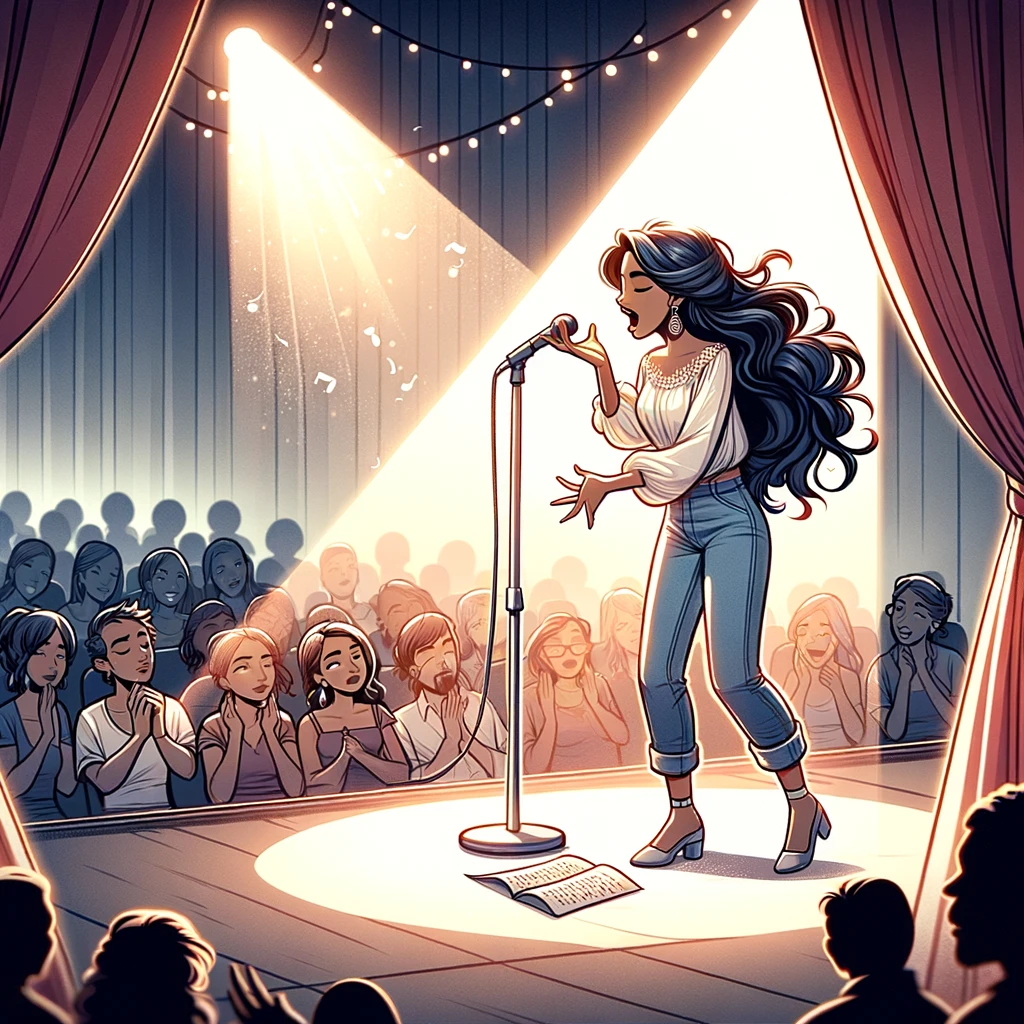
ASL poetry slams are not just platforms for showcasing the creativity of the Deaf community in the United States but also have the potential to bridge gaps between different sign languages and cultures around the world. International collaborations could introduce elements from British Sign Language (BSL), French Sign Language (LSF), and others, enriching the poetic forms and styles available within ASL poetry. These collaborations would not only enhance cultural exchange but also broaden the perspectives of participants and audiences alike.
Sign Language Interpretation at Poetry Slams
Incorporating interpreters in ASL poetry slams is another area that offers both opportunities and challenges. While interpreters can make these events accessible to non-signing audiences, the translation of ASL poetry into spoken language must be handled sensitively. It requires interpreters who are not only proficient in language but also skilled in conveying the nuances and aesthetics of ASL poetry. This necessity underscores the importance of advanced training in performance interpreting, ensuring that the essence of the poetry is maintained across languages.
The Role of Technology in Promoting ASL Poetry
Advancements in technology have already begun to change the landscape of ASL poetry. Video platforms allow for the easy sharing and dissemination of ASL poetry performances, reaching an audience that extends far beyond the immediate geographic boundaries of the traditional slam venues. Furthermore, virtual reality (VR) and augmented reality (AR) technologies present exciting new frontiers for ASL poetry. These technologies could allow for immersive experiences where viewers can feel as though they are part of the event, enhancing the visual and spatial nature of ASL.
Educational Workshops and Initiatives
To cultivate new talent and ensure the sustainability of ASL poetry, it is vital to organize workshops and educational initiatives that focus on the art form. These programs could be integrated into Deaf education curricula or offered as extracurricular activities in schools and community centers. By providing young Deaf individuals with the tools and confidence to express themselves through ASL poetry, these initiatives nurture future generations of poets.
Championing Deaf Poets and Their Work
Recognizing and celebrating the achievements of Deaf poets is crucial in elevating the status of ASL poetry. Awards, grants, and publication opportunities specifically for ASL poets can provide the recognition and support needed to pursue artistic endeavors. Additionally, featuring ASL poets in mainstream media and at major literary events would help raise awareness and appreciation of their work.
The Role of Audiences in ASL Poetry Slams
Audience engagement is another crucial element in the success of ASL poetry slams. Educating audiences about the nuances of ASL and the interpreting process can lead to more appreciative and respectful viewership. Moreover, audience feedback and interaction can significantly enrich the experience for poets, providing them with valuable insights and encouragement.
Conclusion
ASL poetry slams encapsulate the dynamism and potential of American Sign Language as a medium for artistic expression. They serve as vital cultural gatherings that strengthen the Deaf community, foster connections across languages and cultures, and challenge societal perceptions of language and communication. As these events continue to evolve and expand, they promise to keep inspiring both poets and audiences with the beauty and power of ASL poetry.
By nurturing and promoting these unique expressions of Deaf culture, we not only celebrate the artistic achievements of Deaf individuals but also contribute to a more inclusive and diverse artistic community globally.