
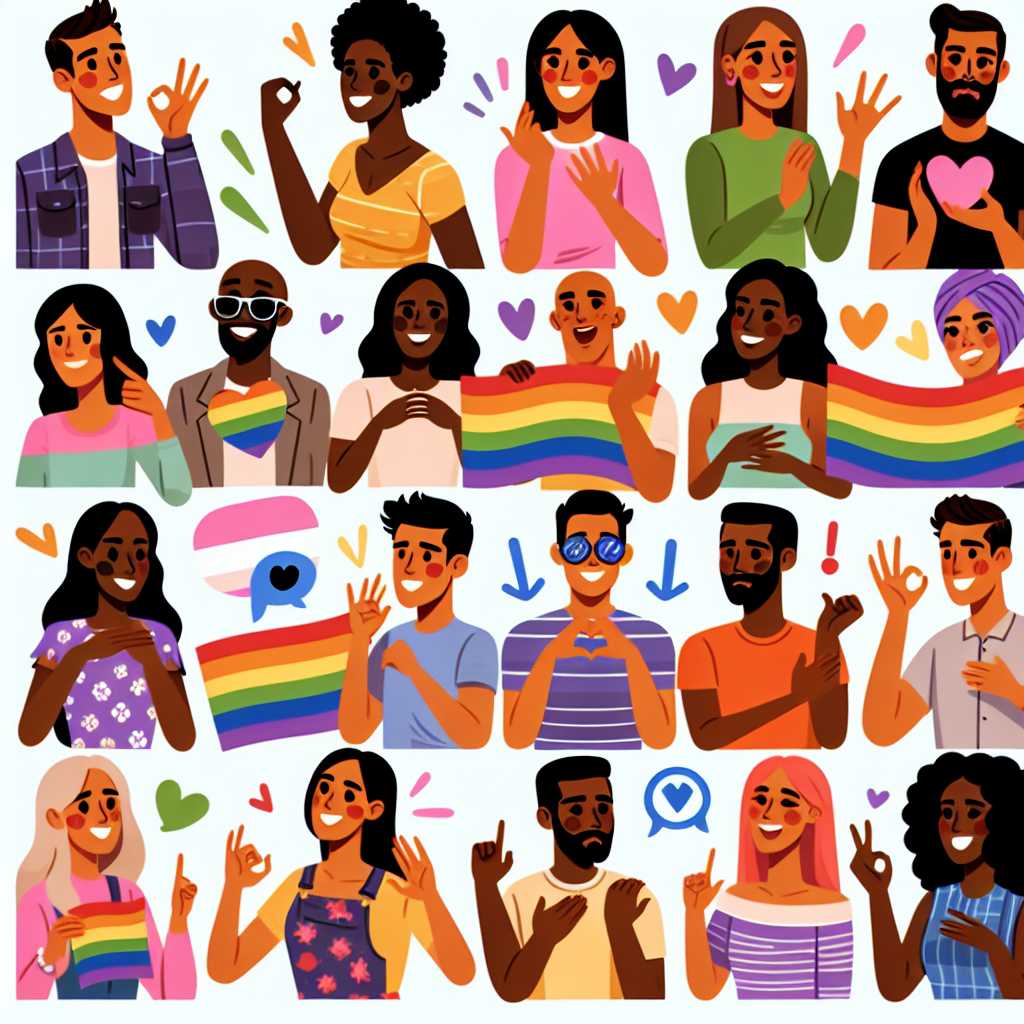
The intersection of deaf culture and LGBTQ+ identities is a vibrant tapestry of resilience, pride, and expression. “Sign My Pride” intends to celebrate this intersection by highlighting the unique ways that American Sign Language (ASL) embodies the essence of love, identity, and inclusivity. Understanding these expressions not only enriches our appreciation of both communities but also fosters a more inclusive and compassionate world. In this article, we’ll delve into how ASL serves as a powerful tool for expression, explore significant contributions made by Deaf LGBTQ+ individuals, and discuss why awareness and inclusivity are critical for a harmonious society.
A Symphony of Silence and Expression
Deaf culture is a rich and unique aspect of human diversity, with American Sign Language (ASL) serving not just as a mode of communication, but as an expressive art form. Within this culture, the intersectionality with LGBTQ+ identities adds multifaceted layers of meaning and emotion, resulting in a vibrant, expressive version of love and identity. “Sign My Pride” captures this vibrant synergy, exploring how ASL expressions serve as a medium for LGBTQ+ individuals to communicate heartfully, resist marginalization, and celebrate their unique traditions and joys.
ASL is fundamentally visual and dynamic, making it a powerful medium for conveying deep emotional and personal expressions, particularly those related to love and identity. The versatility of ASL allows individuals to express nuanced feelings and identity markers that are often challenging to articulate through spoken language alone. From intimate expressions of love to powerful declarations of identity, ASL provides LGBTQ+ Deaf individuals with a means to share their experiences and connect deeply with both the Deaf and hearing communities.
Celebrating Pride through ASL is more than just amplifying voices; it’s about recognizing the shared struggles and triumphs of LGBTQ+ Deaf individuals. It’s about understanding the context in which these expressions are born and appreciating the beauty and resilience that define them. “Sign My Pride” is about illuminating the path to understanding and inclusivity, showcasing the profound ways in which ASL can unite us all in empathy and celebration.
As we embark on this exploration, let’s celebrate the love, identity, and joy that ASL brings to the LGBTQ+ community. By better understanding these unique expressions, we not only uplift Deaf and LGBTQ+ voices but also enrich our own understanding of human diversity and connection.
ASL: A Language of Emotion and Identity
American Sign Language is more than a means of communication; it’s a living, breathing expression of Deaf culture. For Deaf LGBTQ+ individuals, ASL becomes a canvas to paint their identities, love stories, and struggles. The visual nature of ASL allows for a more embodied and heartfelt expression of emotions, making it particularly potent for conveying complex feelings associated with LGBTQ+ experiences.
ASL signs for terms related to LGBTQ+ identities have evolved over time, influenced by cultural shifts and growing acceptance of diverse sexual orientations and gender identities. For example, signs for “gay,” “lesbian,” and “transgender” have gained more visibility and acceptance within the Deaf community as societal attitudes have progressed. These signs are not just linguistic symbols; they carry the weight of history, struggle, and pride.
Furthermore, ASL’s capacity for subtlety and nuance enables individuals to convey aspects of their identities that might be lost in spoken language. For instance, facial expressions and body language, integral components of ASL, can denote the emotions behind a person’s coming out experience, the joy of finding love, or the challenges of facing discrimination. This richness of expression is essential for LGBTQ+ Deaf individuals, offering them a way to communicate their truths authentically and powerfully.
The intersection of ASL and LGBTQ+ identities also fosters a sense of community and belonging. Shared signs and experiences create bonds within the Deaf LGBTQ+ community, facilitating a sense of solidarity and mutual understanding. This community connection is vital, providing support networks that are crucial for mental and emotional well-being. By celebrating and recognizing these unique ASL expressions, we affirm the identities and experiences of LGBTQ+ Deaf individuals, promoting a more inclusive and empathetic society.
Contributions of Deaf LGBTQ+ Pioneers
The history of Deaf LGBTQ+ individuals is rich with stories of resilience, activism, and contribution to both Deaf and LGBTQ+ communities. These pioneers have paved the way for greater acceptance and understanding, often facing significant adversity along the way. Highlighting their contributions is crucial, as it not only honors their legacy but also inspires future generations to continue the fight for equality and inclusion.
One notable figure is Dr. Angela McCaskill, the first deaf African American woman to earn a Ph.D. in Education from Gallaudet University. Her work in promoting diversity and inclusion within the Deaf community has had a profound impact, particularly in raising awareness about the intersectionality of race, deafness, and LGBTQ+ identities.
Another significant contributor is Bobbi Cordano, the first Deaf LGBTQ+ president of Gallaudet University. Under her leadership, the university has made strides in promoting diversity and inclusion, ensuring that the voices of Deaf LGBTQ+ individuals are heard and respected. Cordano’s advocacy extends beyond the academic sphere, inspiring broader societal change and demonstrating the value of inclusive leadership.
Additionally, Marlee Matlin, an Oscar-winning deaf actress, has used her platform to advocate for both Deaf and LGBTQ+ rights. Her openness about her own identity and her support for LGBTQ+ causes have helped to break down barriers and challenge stereotypes. Matlin’s contributions remind us of the powerful impact that visibility and representation can have in fostering acceptance and understanding.
The stories of these and many other Deaf LGBTQ+ pioneers serve as powerful reminders of the resilience and strength within this community. By celebrating their achievements and recognizing their struggles, we honor their contributions and reaffirm our commitment to advocating for a more inclusive and equitable society.
ASL Expressions of Love and Joy
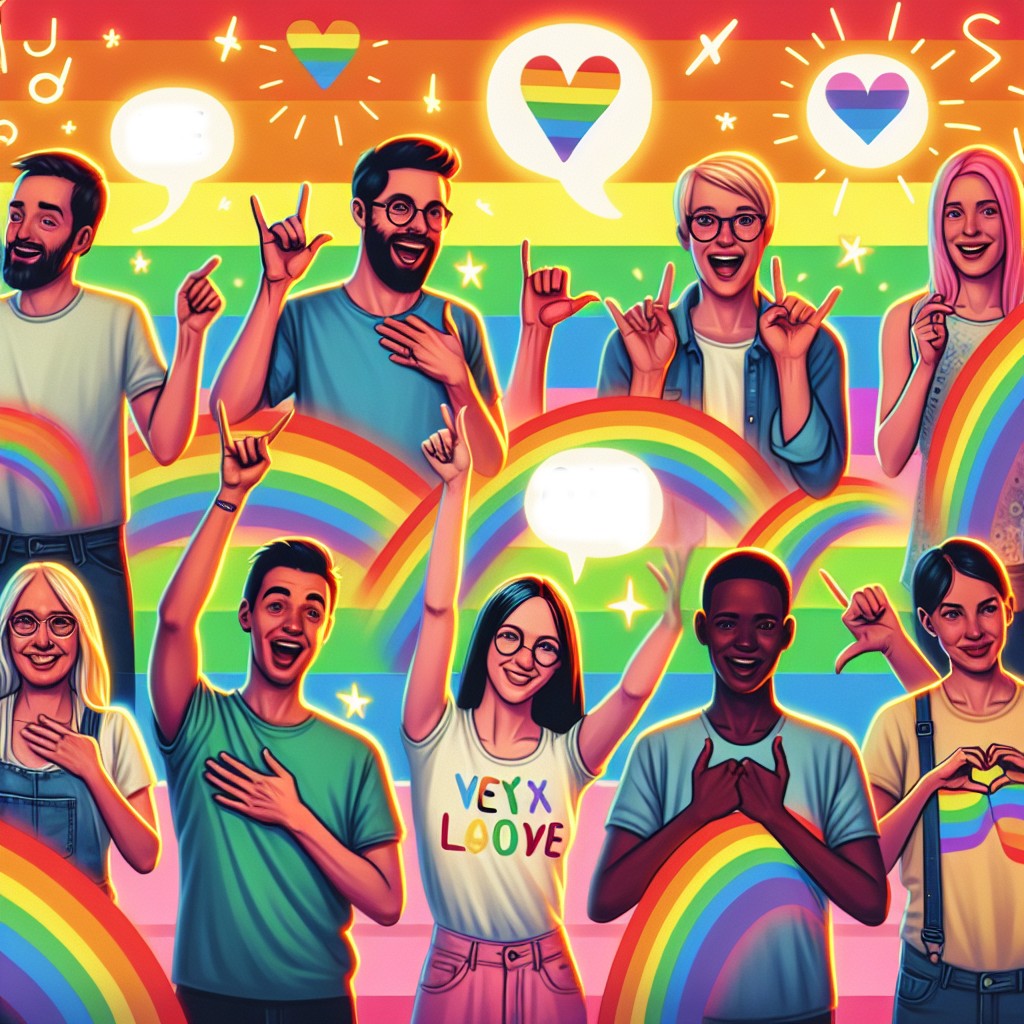
Love and joy are universal experiences, and ASL offers uniquely beautiful ways to express these emotions. Within the Deaf LGBTQ+ community, these expressions take on added layers of meaning, reflecting the courage and strength that comes with embracing one’s identity and finding love against the odds.
In ASL, the sign for “love” is a deeply expressive gesture, involving the crossing of arms over the chest – an embrace that signifies deep affection and connection. For LGBTQ+ individuals, this sign can encompass romantic love, self-love, and the love shared within the community. It’s a symbol of the unique ways that love is experienced and expressed, transcending the limitations of spoken language.
Expressions of joy in ASL are equally dynamic and visually striking. The sign for “joy” typically involves a radiant, outgoing motion of the hands, often accompanied by lively facial expressions. This embodiment of joy emphasizes the celebratory aspects of the Deaf LGBTQ+ experience, honoring the resilience and triumphs that contribute to a joyful identity.
The beauty of ASL lies in its ability to convey not just words, but the essence of emotions and experiences. For Deaf LGBTQ+ individuals, this means that their expressions of love and joy are not only seen but felt, creating a profound connection with those around them. By understanding and appreciating these ASL expressions, we can better recognize the depth and richness of LGBTQ+ narratives within the Deaf community.
Creating Inclusive Spaces
Ensuring inclusivity for Deaf LGBTQ+ individuals requires intentional efforts to create spaces where their voices are heard and respected. This involves not only recognizing their unique experiences and challenges but also actively working to dismantle barriers and promote equity.
Educational institutions play a crucial role in fostering inclusivity. By incorporating ASL and Deaf culture into the curriculum, schools can promote a greater understanding of the Deaf experience. Additionally, providing resources and support for LGBTQ+ students within these institutions ensures that they have the tools and environments they need to thrive.
Workplaces also have a significant role to play in supporting Deaf LGBTQ+ employees. Implementing policies that promote diversity and inclusion, providing access to interpreters and other necessary accommodations, and fostering a culture of respect and acceptance are all essential steps. By doing so, employers can create environments where Deaf LGBTQ+ individuals feel valued and empowered to contribute their unique perspectives and talents.
Community organizations and advocacy groups are equally important in championing the rights of Deaf LGBTQ+ individuals. These groups provide essential support networks, advocacy, and education, working to raise awareness and effect change at both the grassroots and policy levels. Their efforts help to create a society where Deaf LGBTQ+ individuals are not only included but celebrated.
Creating inclusive spaces requires a collective commitment to understanding and valuing the unique experiences of Deaf LGBTQ+ individuals. By working together to break down barriers and promote equity, we can build a more inclusive and empathetic world where everyone can thrive.
Conclusion: Celebrating Pride and Inclusivity
As we conclude this exploration of “Sign My Pride,” it’s clear that the intersection of Deaf and LGBTQ+ identities is a vibrant and powerful expression of human diversity. Celebrating this intersection means recognizing and honoring the unique ways that ASL captures the essence of love, identity, and joy within the Deaf LGBTQ+ community.
Understanding the role of ASL in expressing complex emotions and identities allows us to appreciate the depth and richness of the Deaf LGBTQ+ experience. By highlighting the contributions of Deaf LGBTQ+ pioneers and recognizing the profound impact of their advocacy and leadership, we underscore the importance of visibility and representation in promoting acceptance and understanding.
Expressions of love and joy in ASL remind us of the beauty and resilience within the Deaf LGBTQ+ community. These expressions transcend spoken language, creating connections that are deeply felt and profoundly moving. By appreciating and celebrating these expressions, we foster a greater sense of empathy and inclusivity.
Creating inclusive spaces for Deaf LGBTQ+ individuals is an ongoing effort that requires intentionality and commitment. Whether in educational institutions, workplaces, or community organizations, promoting diversity and inclusion ensures that Deaf LGBTQ+ voices are heard, respected, and valued. Through collective action and advocacy, we can build a world where everyone can celebrate their identities and live with pride and joy.
In celebrating Pride and Deaf inclusivity, we affirm our commitment to honoring the unique contributions and experiences of Deaf LGBTQ+ individuals. “Sign My Pride” is a call to action – a reminder that love, identity, and joy are universal, and that by embracing and celebrating our differences, we create a more compassionate and inclusive world for all.