
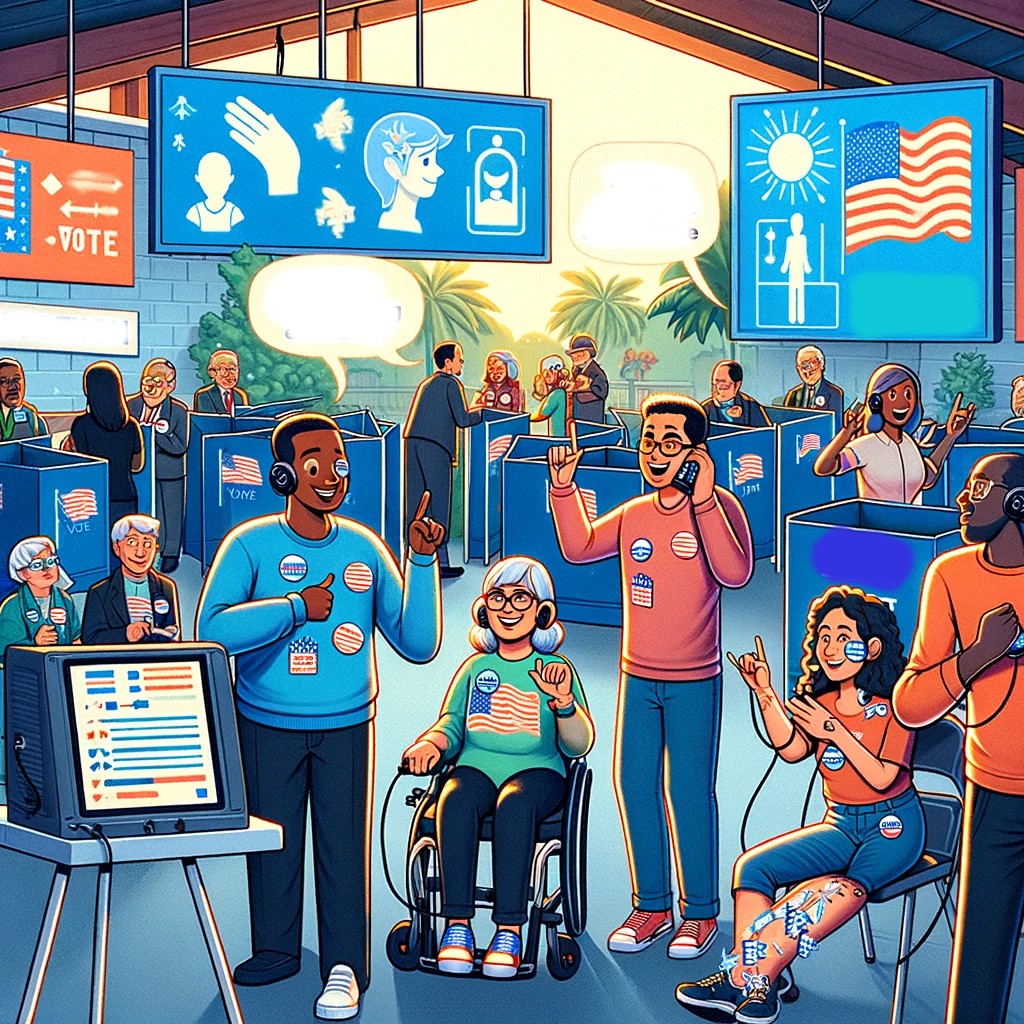
Voting is a fundamental right and a cornerstone of democratic societies. However, for Deaf individuals, exercising this right can be fraught with challenges. From inaccessible information to a lack of accommodations at polling stations, numerous barriers can impede the voting process. This article explores these barriers and offers practical solutions to enhance participation and ensure that Deaf voices are heard in elections.
Understanding the Barriers
Lack of Accessible Information
One of the primary challenges Deaf individuals face is the lack of accessible information about candidates, policies, and the voting process. Most campaign materials, debates, and political advertisements are in audio format, which can exclude those who rely on visual communication methods such as sign language or captions.
Inadequate Polling Station Accessibility
Polling stations often lack the necessary accommodations for Deaf voters. This includes the absence of sign language interpreters, poor visual signage, and insufficient staff training on how to effectively communicate with Deaf individuals.
Complex Voting Processes
The voting process itself can be complicated, especially when instructions and information are not available in sign language or other accessible formats. This can lead to confusion and discourage Deaf individuals from participating.
Social and Cultural Barriers
Social stigmas and a lack of awareness about Deaf culture and communication needs can also create barriers. Many people, including election officials and poll workers, may not fully understand the unique challenges faced by Deaf voters, leading to unintentional exclusion or discrimination.
Advocacy and Solutions
Enhancing Accessibility of Information
To address the issue of inaccessible information, it is crucial to provide election materials in multiple formats. This includes:
- Sign Language Videos: Creating videos in American Sign Language (ASL) or other sign languages that explain the voting process, candidate platforms, and key election issues.
- Captioned Content: Ensuring that all video content related to elections, including debates and advertisements, is captioned.
- Written Materials: Providing easy-to-read written materials that are clear and concise, catering to those who may have varying levels of literacy in written languages.
Improving Polling Station Accommodations
Polling stations must be equipped to accommodate Deaf voters effectively. This can be achieved through:
- Sign Language Interpreters: Having interpreters available at polling stations to assist Deaf voters.
- Visual Signage: Using clear and prominent visual signage to guide Deaf voters through the voting process.
- Training for Poll Workers: Educating poll workers on how to communicate effectively with Deaf individuals, including basic sign language phrases and the use of writing or visual aids.
Simplifying the Voting Process
Simplifying the voting process and making it more accessible can significantly increase participation among Deaf voters. Strategies include:
- Accessible Voting Machines: Providing voting machines that are designed with visual and tactile feedback, allowing Deaf individuals to vote independently and confidently.
- Online Voting Resources: Developing accessible online platforms where Deaf voters can find information, register to vote, and even cast their ballots if online voting is available.
- Pre-Voting Education: Offering workshops and resources that educate Deaf individuals on how to navigate the voting process, including mock voting sessions and informational webinars.
Increasing Awareness and Advocacy
Building Awareness Campaigns
Raising awareness about the challenges faced by Deaf voters and the importance of inclusive elections is crucial. This can be done through:
- Public Service Announcements: Creating announcements in sign language and with captions to educate the public and election officials about the needs of Deaf voters.
- Community Outreach: Engaging with Deaf communities to understand their specific needs and advocating for changes that address these challenges.
- Collaborations with Advocacy Groups: Partnering with organizations that focus on Deaf rights and accessibility to amplify efforts and reach a broader audience.
Legislative Advocacy
Advocacy at the legislative level is essential to ensure long-term and systemic changes. Key actions include:
- Proposing New Laws: Advocating for laws that mandate the provision of accessible voting materials and accommodations at polling stations.
- Enforcing Existing Laws: Ensuring that current laws, such as the Americans with Disabilities Act (ADA), are fully implemented and enforced in the context of voting.
- Monitoring Compliance: Establishing mechanisms to monitor and report on the accessibility of elections, holding authorities accountable for providing equal access to all voters.
Success Stories and Case Studies
Highlighting successful initiatives and case studies can provide inspiration and practical examples of how barriers to voting can be overcome. For instance:
- Gallaudet University’s Voting Initiative: Gallaudet University, a leading institution for Deaf education, has implemented a comprehensive voting initiative that includes voter education workshops, sign language interpreters, and accessible voting guides.
- State-Level Innovations: Some states have introduced accessible voting machines and trained poll workers specifically to assist Deaf voters, leading to increased participation and satisfaction among Deaf communities.
- International Examples: Countries like New Zealand have developed inclusive voting strategies that can serve as models for other nations. These strategies include extensive use of sign language interpreters and accessible online voting platforms.
Personal Stories: The Power of Deaf Voices
Personal stories from Deaf individuals who have navigated the voting process can be powerful tools for advocacy and education. These stories highlight the real-world impact of accessible voting initiatives and the importance of making every vote count.
Maria’s Story
Maria, a Deaf voter from California, shares her experience of voting for the first time after her local polling station introduced sign language interpreters. “It was empowering to cast my vote knowing that my communication needs were respected and accommodated,” she says. “I felt truly included in the democratic process.”
David’s Experience
David, a Deaf activist from New York, emphasizes the importance of community advocacy. “By working together and advocating for our rights, we can break down the barriers that prevent Deaf individuals from voting,” he explains. “Every Deaf person should have the opportunity to participate fully in elections.”
Ensuring that Deaf individuals can participate fully in elections is a matter of equity and justice. By addressing barriers and implementing inclusive practices, we can create a democratic process that truly represents all voices. Advocacy, awareness, and practical solutions are key to making this vision a reality. Let’s work together to ensure that Deaf voters are not only heard but also empowered to shape the future through their votes.

The Role of Technology in Enhancing Accessibility
Innovative Voting Technologies
Technological advancements offer significant potential to enhance voting accessibility for Deaf individuals. Here are some promising technologies:
- Video Relay Services (VRS): These services allow Deaf voters to communicate with hearing poll workers through a sign language interpreter via video. This can be implemented at polling stations or through online platforms.
- Mobile Apps: Apps designed specifically for Deaf voters can provide real-time information, sign language translation, and step-by-step guidance on the voting process.
- Accessible Websites: Election websites should comply with Web Content Accessibility Guidelines (WCAG) to ensure they are fully accessible. This includes providing text alternatives for any non-text content, ensuring all functions are operable through a keyboard interface, and offering content in multiple languages, including sign language.
Online Voting
Online voting can be a game-changer for Deaf individuals, providing a convenient and accessible way to participate in elections. By allowing voters to cast their ballots from home, online voting eliminates many of the physical and communication barriers present at polling stations. Key considerations for implementing online voting include:
- Security: Ensuring that online voting systems are secure and protect voter privacy.
- Accessibility: Designing online voting platforms that are fully accessible to Deaf individuals, including sign language support and easy navigation.
- Education: Providing comprehensive instructions and support to help Deaf voters use online voting systems effectively.
Community Involvement and Support
Deaf Organizations and Advocacy Groups
Deaf organizations and advocacy groups play a crucial role in supporting Deaf voters. These organizations can:
- Provide Resources: Offer resources and information about the voting process in accessible formats.
- Advocate for Change: Lobby for policy changes and better accommodations for Deaf voters.
- Educate and Empower: Conduct workshops and training sessions to educate Deaf individuals about their voting rights and how to exercise them.
Partnerships with Election Authorities
Collaboration between Deaf organizations and election authorities can lead to significant improvements in accessibility. These partnerships can:
- Identify Barriers: Work together to identify and address specific barriers faced by Deaf voters.
- Develop Solutions: Co-create solutions and best practices for making elections more accessible.
- Monitor and Evaluate: Continuously monitor the effectiveness of implemented solutions and make necessary adjustments.
Promoting Civic Engagement in the Deaf Community
Civic Education
Civic education tailored to the Deaf community can foster greater political engagement and awareness. This can include:
- Workshops and Seminars: Organizing events that educate Deaf individuals about their civic rights and responsibilities, the importance of voting, and how government and elections work.
- Sign Language Resources: Developing resources in sign language that explain key political concepts, the electoral process, and how to get involved in advocacy and community organizing.
Encouraging Political Participation
Encouraging Deaf individuals to participate in political activities beyond voting can strengthen their representation and influence. This includes:
- Running for Office: Supporting Deaf individuals who wish to run for political office and ensuring they have the resources and networks needed to campaign effectively.
- Community Organizing: Facilitating community organizing efforts within the Deaf community to address local issues and advocate for change.
- Joining Advisory Committees: Encouraging Deaf individuals to join advisory committees and boards that influence public policy and decision-making.
The Future of Deaf Voting Rights
Ongoing Advocacy
The fight for accessible voting is an ongoing process that requires sustained advocacy and vigilance. Key areas of focus for future advocacy efforts include:
- Policy Development: Working with lawmakers to develop policies that mandate and fund accessible voting practices.
- Public Awareness: Continuing to raise awareness about the voting challenges faced by Deaf individuals and the importance of inclusive elections.
- Technological Innovation: Advocating for the development and adoption of new technologies that can further enhance voting accessibility.
Building an Inclusive Democracy
Ultimately, building an inclusive democracy where Deaf individuals can participate fully and equally in elections requires a collective effort. It involves:
- Inclusive Practices: Adopting inclusive practices at every level of the electoral process, from voter registration to casting ballots.
- Collaboration and Partnership: Fostering collaboration between Deaf communities, advocacy groups, election authorities, and policymakers.
- Commitment to Change: Demonstrating a commitment to change and a willingness to listen to and address the needs of Deaf voters.
By working together, we can ensure that Deaf individuals are not only able to vote but are also empowered to shape the future of our democratic societies.
References
- National Association of the Deaf (NAD). “Voting Rights.” Accessed May 2024. NAD Voting Rights
- Gallaudet University. “Voting Initiative.” Accessed May 2024. Gallaudet Voting Initiative
- U.S. Election Assistance Commission (EAC). “Accessibility.” Accessed May 2024. EAC Accessibility
- Americans with Disabilities Act (ADA). “Voting Rights.” Accessed May 2024. ADA Voting Rights
- New Zealand Electoral Commission. “Accessibility and Voting.” Accessed May 2024. NZ Electoral Commission
- World Federation of the Deaf (WFD). “Political Participation.” Accessed May 2024. WFD Political Participation
- Center for Civic Education. “Civic Education and the Deaf Community.” Accessed May 2024. Civic Education for the Deaf