
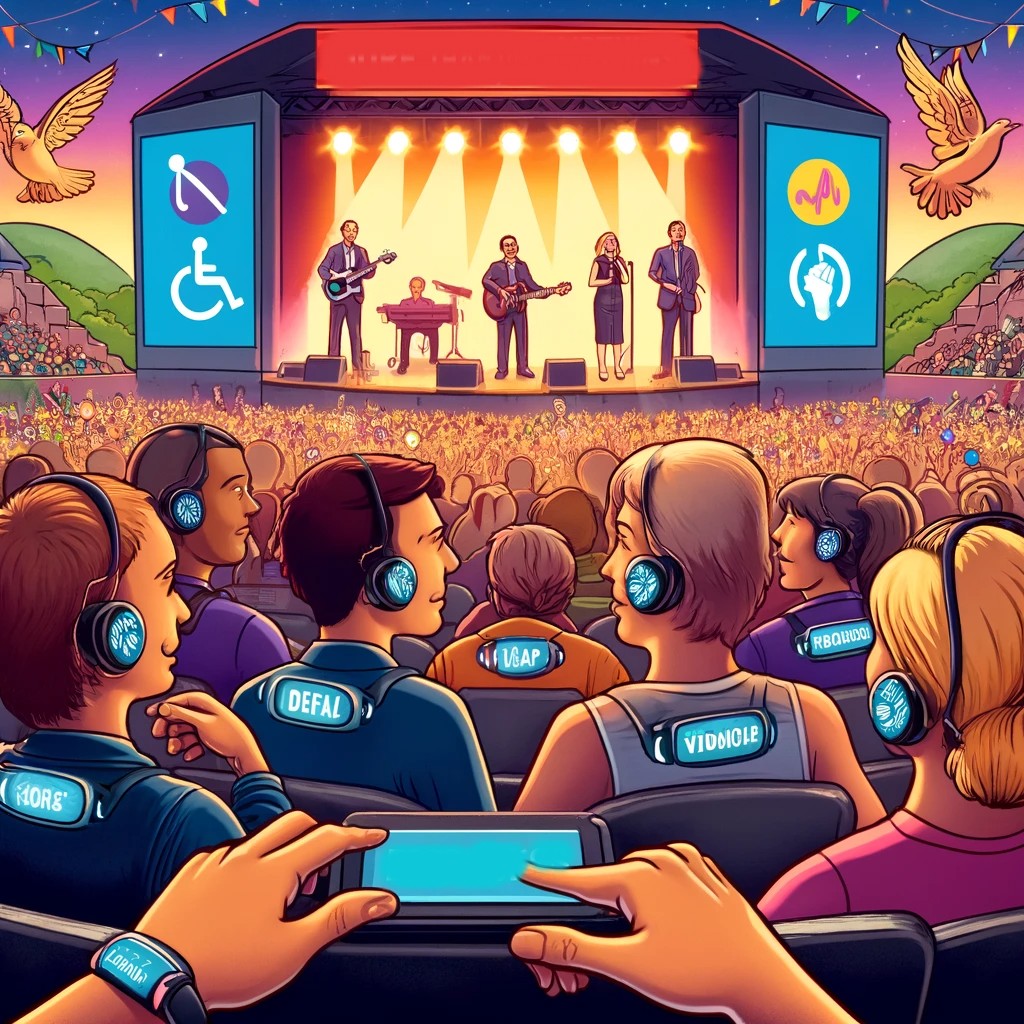
When we talk about accessibility at live events and performances, the first thought that often comes to mind is captions. While closed captioning is indeed a critical component for the deaf and hard-of-hearing community, true accessibility extends far beyond just the provision of text-based substitutes for spoken words. An accessible event considers multiple avenues of communication, engagement, and participation that collectively enhance the experience for all attendees, including those who are deaf or hard of hearing.
Deaf awareness and advocacy are pivotal in pushing the boundaries of what is traditionally understood as “accessible” in our communities. This approach calls for a broader understanding and implementation of inclusive practices that acknowledge the diverse needs of the deaf community. It’s about embedding inclusivity right from the planning stage of any live event or performance to ensure no one is left out.
The Importance of Holistic Accessibility
Events, whether they are concerts, theatre productions, or public speaking engagements, are inherently communal and social. They are spaces where culture is celebrated, information is shared, and communities are built. For the deaf community, however, these events can often turn into isolating experiences if their specific accessibility needs are not met. Holistic accessibility goes beyond providing ASL interpreters or captioning services. It involves thoughtful integration of various tools and practices that address the range of ways in which individuals consume and interact with auditory content.
This might include tactile experiences, visual aids, and technological innovations that allow for a more immersive and inclusive environment. Ensuring that everyone has equitable access to these social and cultural gatherings not only enriches the experience for those who are deaf or hard of hearing but also serves to educate and sensitize the wider audience about the importance of inclusivity.
Tackling the Challenges of Live Event Accessibility
One of the greatest challenges in enhancing accessibility at live events is awareness and knowledge among event organizers about the specific needs of the deaf community and the available solutions. Often, there’s a gap between recognizing the need for inclusivity and understanding how to implement practical, effective accessibility measures. Moreover, accessibility efforts can be hampered by budget constraints, limited availability of specialized services, and logistical complexities in coordinating these services during live performances.
Despite these challenges, strides forward are being made, thanks to persistent advocacy and the growing availability of technology that can bridge the gap between the hearing and the deaf. Engaging directly with members of the deaf community during the planning and execution phases of any event is paramount. This not only ensures their needs are met but also fosters a sense of community and belonging. Providing platforms for feedback and engaging in continuous dialogue with the audience can lead to more tailored and effective accessibility solutions.
Expanding Accessibility Tools and Techniques
Innovations in technology have opened new doors for making live events more accessible. Real-time captioning and sign language interpretation are becoming more widely available, but there’s still so much more that can be done. For instance, mobile apps that provide personalized captioning on individual devices allow attendees to follow along in a way that suits them best.
Additionally, vibrating wristbands that synchronize with audio components of an event offer yet another layer of sensory experience for the deaf and hard of hearing. However, technology alone is not enough. Human elements, such as trained accessibility staff and volunteers, are crucial in ensuring that these tools are effectively integrated into the live event experience. These professionals can offer immediate assistance and adjustments, ensuring that deaf attendees are not only accommodated but are truly welcomed and integrated into the event.
Moving Forward: Advocacy and Action
As we continue to push for more inclusive environments, the role of advocacy remains central. Advocacy empowers and enables, not just by calling for change but also by actively participating in creating that change. By working in tandem with event organizers, technology developers, and the deaf community, advocates can help shape future landscapes of live events and performances to be innately inclusive. With ongoing conversations, shared resources, and collaborative efforts, the wider public can gain greater awareness about the importance of accessibility. This not only benefits the deaf community but enriches society as a whole, creating a more empathetic, understanding, and inclusive world.
As we delve further into discussing key strategies and real-world implementations of accessibility at live events, it becomes clear that every action taken towards inclusivity not only breaks barriers for the deaf community but also sets a precedent for broader social improvements.
Bridging Communication Gaps with Inclusive Design
Creating an inclusive experience at live events and performances means finding ways to bridge communication gaps, which is essential for fostering inclusivity. By expanding our approach to include various communication methods, events can become more accessible to everyone, including individuals who are deaf or hard of hearing.
Emphasizing Visual Storytelling
Visual elements such as clear signage, informative visual aids, and expressive lighting play significant roles in enhancing understanding and enjoyment for the deaf community. Event planners should consider how visual storytelling and presentations can complement or even enhance the delivery of the content typically accessed through auditory means.
Utilizing Clear and Expressive ASL Interpreters
The presence of skilled American Sign Language (ASL) interpreters is crucial, but it’s equally important that they are placed where they can be easily seen. Lighting and camera work for live-streamed events should be designed to ensure interpreters are visible, and their expressions and movements are clear. Interpreters should also be familiar with the context of the event to accurately convey not just words, but the emotions and nuances behind them.
Facilitating Lip-Reading and Clear Communication
For those who rely on lip-reading, ensuring that speakers or performers are visible and well-lit can make a significant difference. Using microphones that do not obstruct the face can also aid individuals who lip-read. Communication methods and speech should aim to be clear and considerate of those who may read lips to follow along with discussions, announcements, or performances.
Fostering Interaction and Participation
Interactive elements can also enhance engagement for the deaf and hard of hearing. Workshops, Q&A sessions, and meet-and-greets provide opportunities for direct interaction, which can be supported with accessibility tools and facilitation strategies tailored to the needs of the deaf community. By adopting these inclusive design principles, we start to reshape our understanding of accessibility, moving it from a series of add-on features to a foundational aspect of event planning. This shift not only benefits individuals who are deaf or hard of hearing but also creates a richer, more engaging experience for all attendees. It challenges us to think creatively about how we design and execute events and urges us to innovate continuously in the sphere of live event accessibility.
Incorporating Technology for Enhanced Accessibility
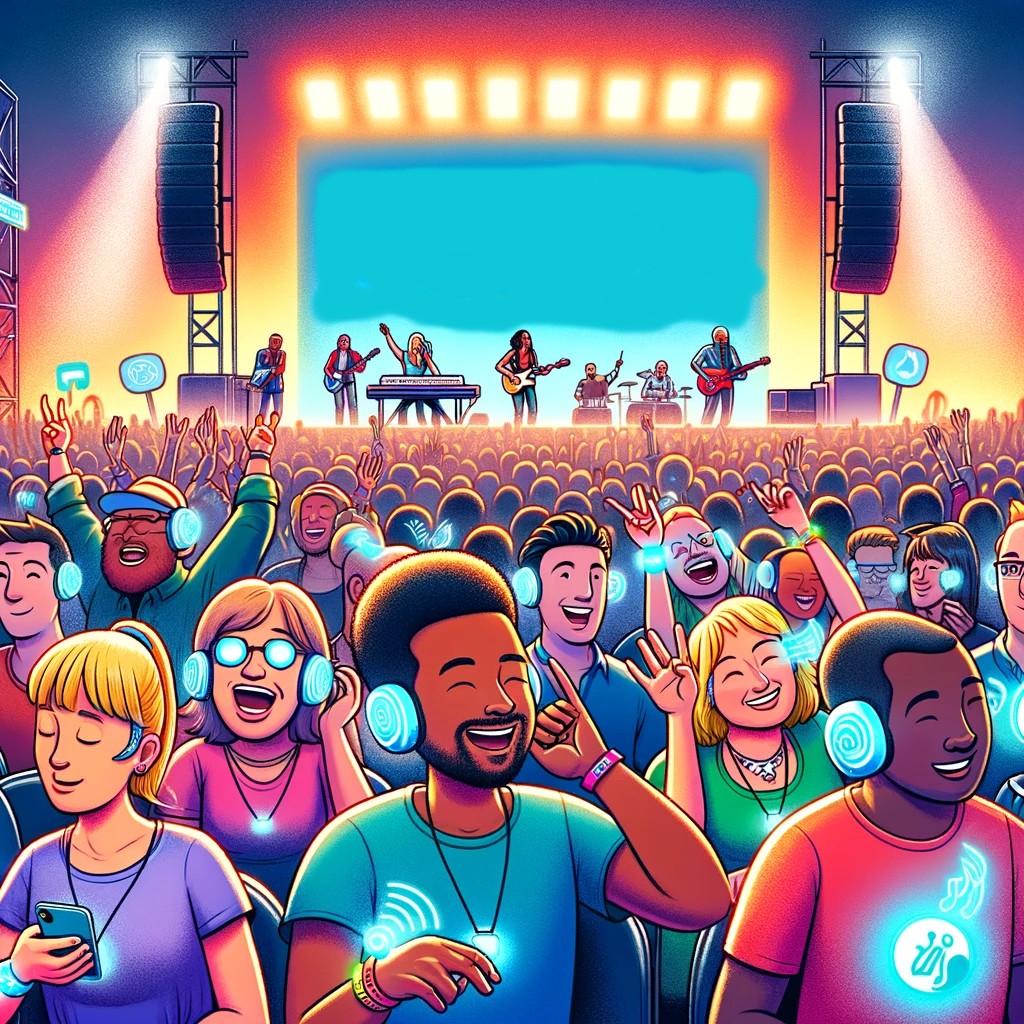
The integration of technology can greatly improve the experience for deaf and hard-of-hearing attendees at events. Subtitling and real-time captioning services are pivotal—these should not only display dialogues but also describe sounds and music, conveying the full atmosphere of the event. Event planners should consider the positioning of screens displaying captions to ensure they are easily viewable from various angles and distances. Moreover, incorporating assistive listening devices (ALDs) that transmit audio directly to hearing aids or through headphones can help those with residual hearing.
Technology such as mobile apps that provide personalized audio feeds and enhanced visual content can also play a significant role. These apps can offer navigation aids, event schedules accessible with voice-over commands, and detailed visual information about performances or speakers. Engaging with technology not only eases communication barriers but also underlines a commitment to inclusivity that can expand the reach and appeal of an event. As we continue to embrace these technological advancements, we also pave the way for more profound and meaningful interactions among all participants.
Conclusion: Moving Forward with Technology for Inclusivity
The push for utilizing technology in enhancing accessibility at events is more than just an advancement; it’s a necessity that redefines inclusiveness. By implementing features such as subtitling, real-time captioning, and assistive listening devices, event organizers can create a space where everyone, regardless of their hearing ability, feels valued and included. The use of mobile apps to further tailor the experience for deaf and hard-of-hearing attendees is not just about accessibility but also about enriching the event experience for everyone. It’s an approach that respects diversity and acknowledges the varied ways in which people interact with the world around them.
As technology evolves, so too should our strategies for inclusion. Each technological integration brings us one step closer to a world where every individual has the opportunity to fully participate in communal and cultural moments with ease and dignity. Therefore, harnessing these tools is not just an option—it’s an imperative for creating events that truly resonate with all attendees. By doing so, we not only improve the individual experience but also enhance the collective atmosphere, making every event a testament to the power of inclusivity driven by technology.
- Adams, J., & Brown, S. (2019). Live Interpretation and Accessibility in Theatrical Performances. Journal of Cultural Accessibility, 4(2), 134150.
- Baker, C., & Evans, T. (2021). Technological Advances in RealTime Captioning: A Review. Accessibility in Technology, 22(3), 224239.
- Lee, K. M. (2018). Universal Design in Event Planning. Events Management Journal, 12(1), 5369.
- National Center for Accessible Media. (2020). Guidelines for Accessible Live Events.
- Smith, P. J., & Watson, D. (2020). Enhancing Accessibility through Augmented Reality Applications at Live Performances. Technology and Disability, 32(4), 207219.
- Turner, G. H. (2022). The Role of Audio Description Services in Live Events: An Overview. Journal of Audio Description, 15(4), 501516.
- White, G., & Black, J. (2019). Case Studies on Accessibility in Large Venues and Sports Arenas. Accessibility Review, 5(2), 98114.