
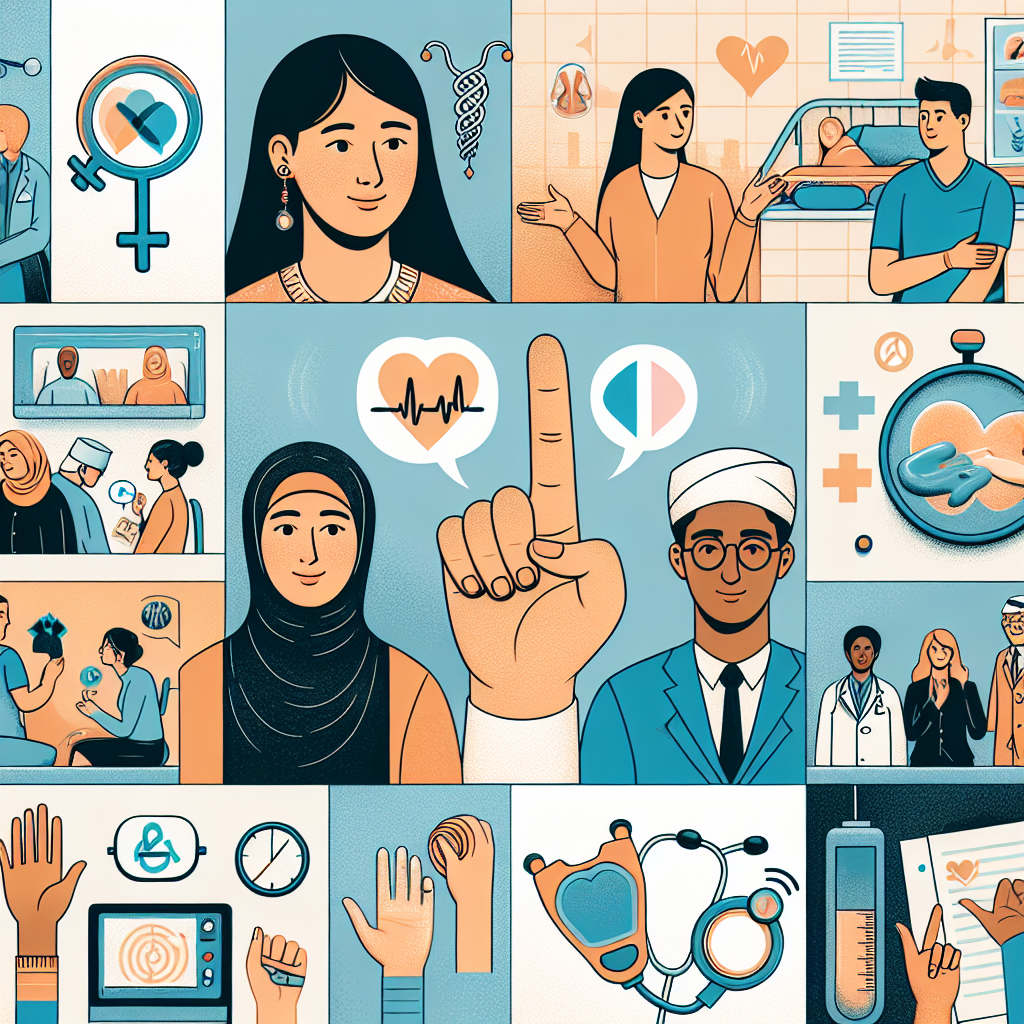
In a world where healthcare should be universally accessible, some groups face disproportionate challenges. Among these are individuals who are both Deaf and transgender. Each identity comes with its unique set of struggles, but when intersected, the barriers can multiply. This article delves into the need for equal access to gender-affirming care and medical services for Deaf trans individuals, highlighting the importance of awareness, advocacy, and inclusive practices within the healthcare system.
Understanding the Dual Marginalization
Deaf individuals and transgender individuals both encounter systemic barriers in the healthcare system. For Deaf individuals, communication barriers, lack of accessible information, and limited availability of qualified interpreters pose significant hurdles. On the other hand, transgender individuals often face discrimination, lack of provider knowledge about gender-affirming care, and insurance exclusions. When these two identities overlap, the challenges build upon each other, leading to a compounded marginalization that demands urgent attention.
Imagine entering a medical facility seeking gender-affirming care and facing the inability to communicate effectively because the healthcare providers do not understand sign language. Now, combine that with the potential lack of knowledge or willingness to provide gender-affirming care, and you have a recipe for a healthcare crisis. Awareness and education among healthcare providers about the unique needs of Deaf trans individuals are essential for creating an inclusive environment.
Barriers to Accessing Gender-Affirming Care
Gender-affirming care refers to a range of social, psychological, behavioral, and medical interventions designed to support and affirm an individual’s gender identity. For Deaf trans individuals, accessing such care is a multifaceted challenge.
One of the primary barriers is the communication gap. Healthcare providers are often not trained in American Sign Language (ASL) or other sign languages, leading to miscommunication and misunderstandings. Even when interpreters are available, their lack of specialized knowledge in gender-affirming care can result in inaccurate translations, which can have severe consequences for the patient’s treatment and safety.
Additionally, the scarcity of healthcare professionals who understand the intersectionality of being Deaf and trans means that many individuals may avoid seeking care altogether. Fear of discrimination and past negative experiences can deter individuals from accessing the necessary medical services, further exacerbating health disparities.
Importance of Cultural Competency in Healthcare
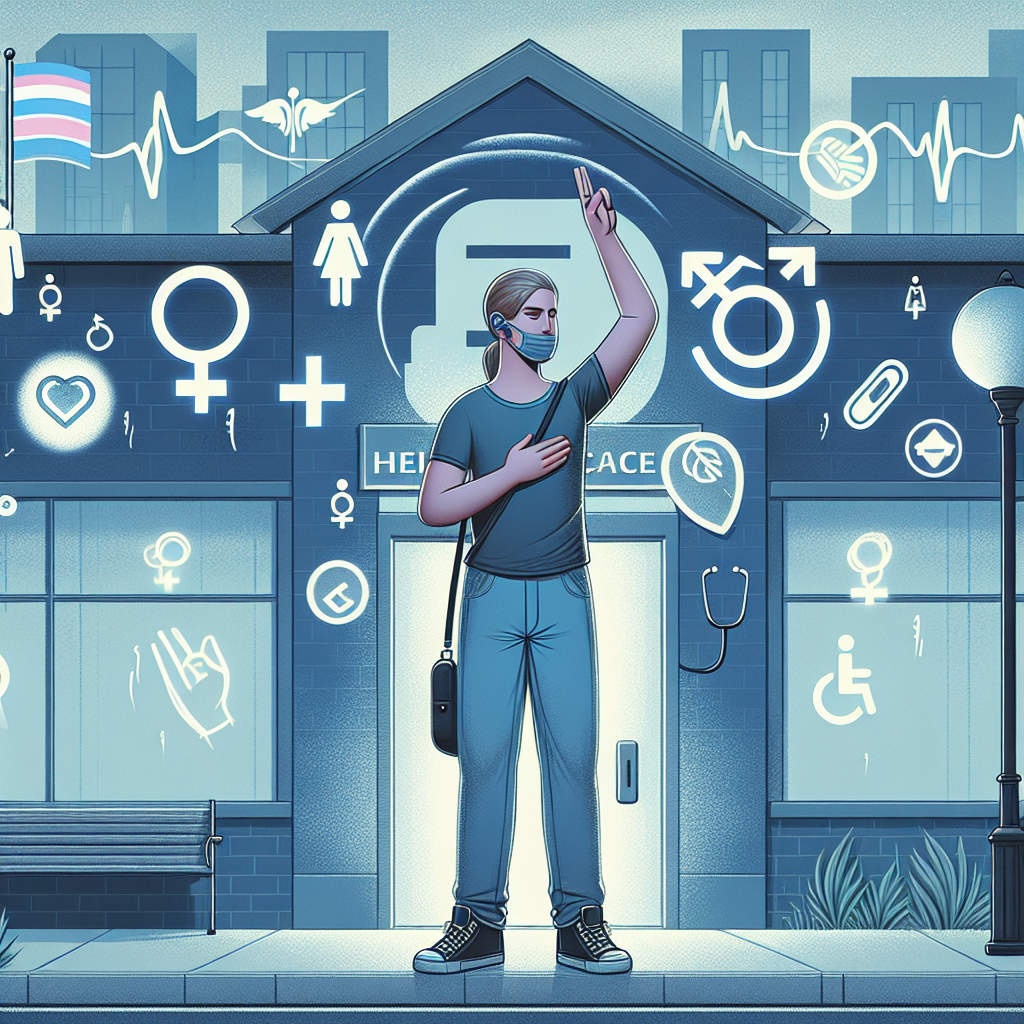
Cultural competency in healthcare involves understanding and respecting different cultural backgrounds and creating an inclusive environment that supports effective communication and care. For Deaf trans individuals, cultural competency means recognizing and addressing both their Deaf and transgender identities simultaneously.
Healthcare providers must receive training to ensure they are equipped to meet the unique needs of Deaf trans patients. This includes not only learning ASL or other sign languages but also understanding the specific gender-affirming care protocols and the cultural nuances of the Deaf community. By doing so, providers can offer more inclusive, respectful, and affirming care.
Moreover, healthcare facilities should strive to employ diverse staff, including Deaf and trans individuals, to provide a more relatable and understanding environment for patients. Representation can foster trust and confidence, encouraging more Deaf trans individuals to seek and access the care they need.
Advocacy and Policy Changes
Advocacy plays a crucial role in driving policy changes that ensure equal access to healthcare for Deaf trans individuals. Organizations and activists must work together to highlight the unique challenges faced by this community and push for systemic changes.
One significant policy change is the mandate for healthcare providers to receive comprehensive training in both Deaf culture and gender-affirming care. Additionally, policies should require the presence of qualified interpreters who are well-versed in medical terminology and gender-affirming procedures. Ensuring that healthcare facilities have the necessary resources to provide inclusive care is essential for closing the gap in healthcare disparities.
Insurance policies also need to be examined and reformed. Many insurance plans exclude transgender-related healthcare services, making it difficult for individuals to afford necessary treatments. Advocacy efforts should focus on eliminating these exclusions and ensuring that insurance plans provide comprehensive coverage for all gender-affirming procedures.
Creating an Inclusive Healthcare Environment
Creating an inclusive healthcare environment goes beyond policy changes and training. It requires a cultural shift within the healthcare community towards empathy, understanding, and respect for all individuals, regardless of their identities.
Healthcare facilities can implement measures such as inclusive intake forms that allow patients to self-identify their gender and preferred pronouns, as well as their language preferences. This simple step can make a significant difference in making patients feel seen and respected.
Furthermore, creating a supportive environment involves addressing the physical accessibility of healthcare facilities. This includes ensuring that facilities are equipped with visual alarms, TTY (text telephone) devices, and other assistive technologies that support Deaf individuals’ communication needs.
Role of Technology in Bridging Gaps
Technology has the potential to bridge some of the gaps in healthcare access for Deaf trans individuals. Telehealth services, for instance, can provide a platform for patients to connect with providers who are proficient in sign language and knowledgeable about gender-affirming care.
Additionally, the use of video remote interpreting (VRI) services can ensure that Deaf patients receive accurate and immediate interpretation during medical visits. Healthcare facilities should invest in such technologies to enhance communication and improve patient outcomes.
Mobile health applications and online resources can also play a vital role in providing accessible information about gender-affirming care. These tools can be designed with features such as video content in sign language and easy-to-navigate interfaces that accommodate various accessibility needs.
Conclusion
Equal access to healthcare is a fundamental right, yet Deaf trans individuals often find themselves navigating a system that fails to accommodate their unique needs. By understanding the dual marginalization faced by this community and advocating for inclusive practices, we can work towards a healthcare system that truly serves all individuals.
To achieve this, cultural competency among healthcare providers must be prioritized, along with comprehensive policy reforms and the integration of supportive technologies. Advocacy efforts should focus on elevating the voices of Deaf trans individuals and ensuring that their needs are met within the healthcare system.
Ultimately, creating an inclusive and affirming healthcare environment requires a collective effort. By raising awareness, promoting education, and pushing for necessary changes, we can help ensure that Deaf trans individuals receive the respectful, high-quality care they deserve.